The Impact of Fasting on GLP 1 and Insulin Sensitivity
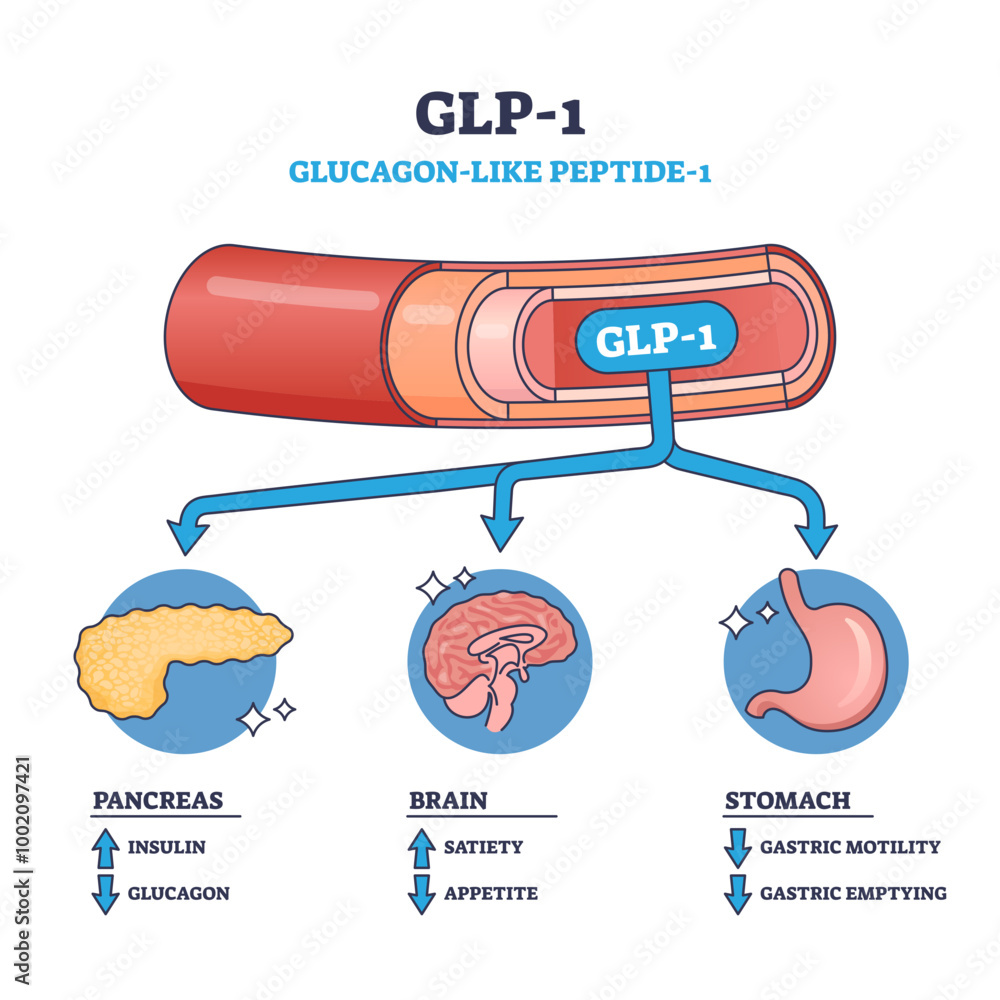
Glucagon-like peptide-1 (GLP-1) is a gastrointestinal peptide that plays a crucial role in glucose metabolism. It is secreted by L cells in the intestine in response to food intake and has a significant impact on insulin sensitivity. Research has shown that fasting can have a positive effect on GLP-1 levels and insulin sensitivity, but the exact mechanisms are not yet fully understood.
The Role of GLP-1 in Glucose Metabolism
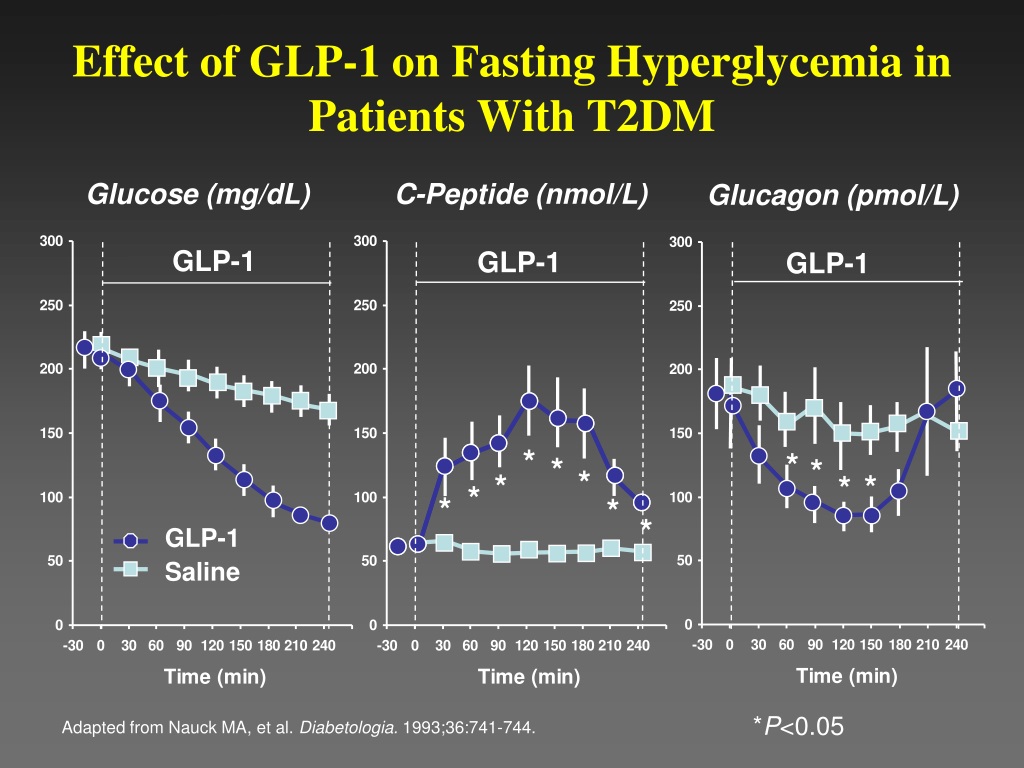
GLP-1 is secreted in response to nutrient-sensing via transporters and G-protein-coupled receptors (GPCRs). It stimulates insulin secretion in a glucose-dependent manner and improves glycemic control. Studies have shown that individuals with obesity or type 2 diabetes mellitus (T2DM) often have lower GLP-1 levels, which can contribute to insulin resistance and impaired glucose metabolism.
The Impact of Fasting on GLP-1 Levels
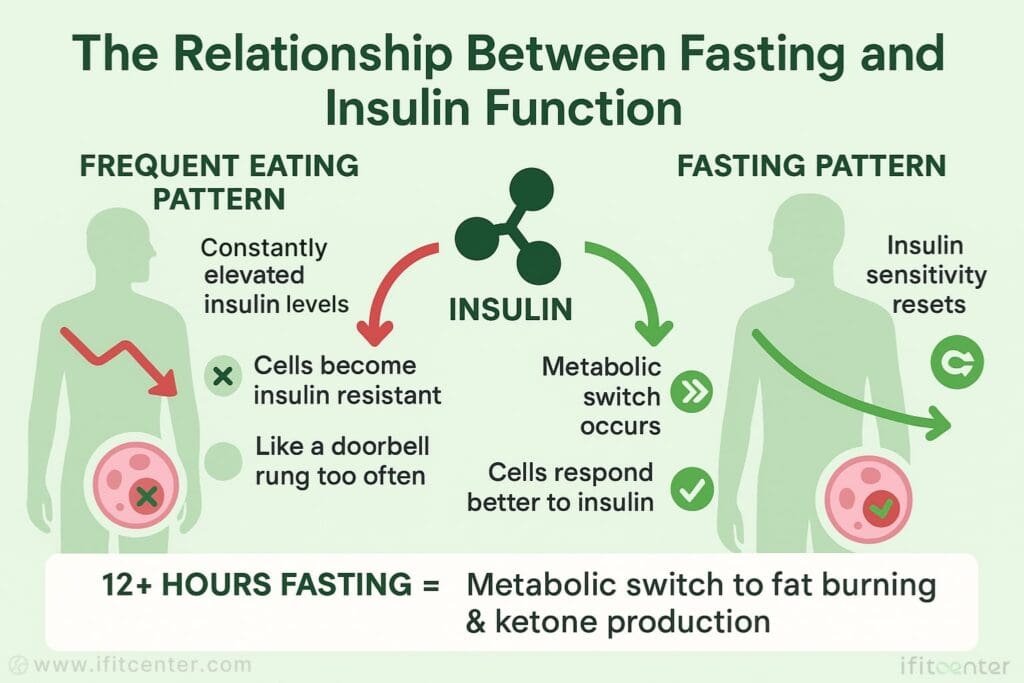
Research has shown that fasting can increase GLP-1 levels, which can have a positive impact on insulin sensitivity. A study published in Diabetes Care found that intermittent fasting increased GLP-1 levels and improved insulin sensitivity in individuals with T2DM. Another study published in the Journal of Clinical Endocrinology and Metabolism found that time-restricted eating increased GLP-1 levels and improved insulin sensitivity in healthy individuals.
The Mechanisms Behind Fasting-Induced GLP-1 Increase
The exact mechanisms behind fasting-induced GLP-1 increase are not yet fully understood, but several theories have been proposed. One theory suggests that fasting leads to a decrease in insulin levels, which in turn stimulates GLP-1 secretion. Another theory suggests that fasting leads to a decrease in glucose availability, which stimulates GLP-1 secretion.
The Benefits of Fasting for Insulin Sensitivity
Research has shown that fasting can have several benefits for insulin sensitivity, including:
- Improved glucose metabolism
- Increased insulin sensitivity
- Weight loss
- Improved cardiovascular health
The Potential Drawbacks of Fasting
While fasting can have several benefits for insulin sensitivity, it is not suitable for everyone. Some potential drawbacks of fasting include:

- Dehydration
- Electrolyte imbalance
- Malnutrition
- Social and emotional challenges
Conclusion
In conclusion, the impact of fasting on GLP-1 levels and insulin sensitivity is a complex and multifaceted issue. While research has shown that fasting can increase GLP-1 levels and improve insulin sensitivity, the exact mechanisms behind this effect are not yet fully understood. Furthermore, fasting may not be suitable for everyone, and potential drawbacks should be carefully considered.
Recommendations for Fasting and Insulin Sensitivity
Based on the current evidence, the following recommendations can be made for individuals looking to improve their insulin sensitivity through fasting:
- Start with short periods of fasting (12-14 hours) and gradually increase the duration as tolerance improves
- Listen to your body and stop fasting if you experience any adverse effects
- Stay hydrated and manage electrolyte balance during fasting periods
- Consult with a healthcare professional before starting a fasting regimen
Future Research Directions
Future research is needed to fully understand the impact of fasting on GLP-1 levels and insulin sensitivity. Some potential research directions include:
- Investigating the mechanisms behind fasting-induced GLP-1 increase
- Examining the effects of different fasting regimens on insulin sensitivity
- Assessing the impact of fasting on GLP-1 levels and insulin sensitivity in various populations (e.g. individuals with T2DM, obesity, etc.)
Conclusion
In conclusion, the impact of fasting on GLP-1 levels and insulin sensitivity is a complex and multifaceted issue. While research has shown that fasting can increase GLP-1 levels and improve insulin sensitivity, the exact mechanisms behind this effect are not yet fully understood. Future research is needed to fully understand the benefits and drawbacks of fasting for insulin sensitivity.