Understanding Shipping Export License Requirements: A Comprehensive Guide
Shipping goods internationally can be a complex and time-consuming process, especially when it comes to complying with export license requirements. Exporting goods to certain countries or selling products that are considered restricted or controlled may require a shipping export license. In this article, we will delve into the world of shipping export licenses, exploring what they are, why they are necessary, and how to obtain them.
What is a Shipping Export License?
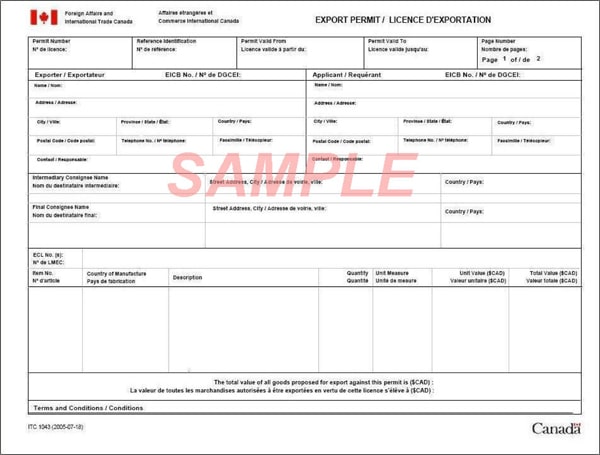
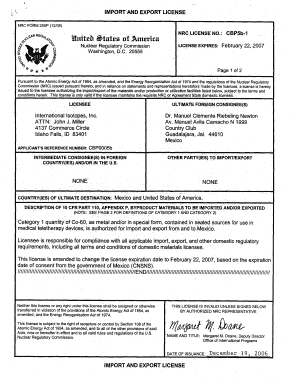
A shipping export license is a government-issued document that authorizes or grants permission to conduct a specific export transaction, including the export of technology. The license is typically required for shipments that contain restricted or controlled items, such as military equipment, dual-use goods, or technology that is subject to export restrictions.
Why Do I Need a Shipping Export License?
The primary reason for obtaining a shipping export license is to ensure compliance with international trade regulations and to maintain national security. Exporting restricted or controlled items without the necessary license can result in severe penalties, including fines and even imprisonment. Additionally, failing to comply with export regulations can damage your business reputation and relationships with customers.
Types of Shipping Export Licenses
There are several types of shipping export licenses, including:
- General License: A general license is a blanket authorization to export specific goods or technology to certain countries or entities.
- Specific License: A specific license is a customized authorization for a particular export transaction, including the export of specific goods or technology to a specific country or entity.
- Temporary License: A temporary license is a short-term authorization for a specific export transaction, typically for a period of 30 to 60 days.
How to Obtain a Shipping Export License
Obtaining a shipping export license can be a complex and time-consuming process. Here are the general steps involved:
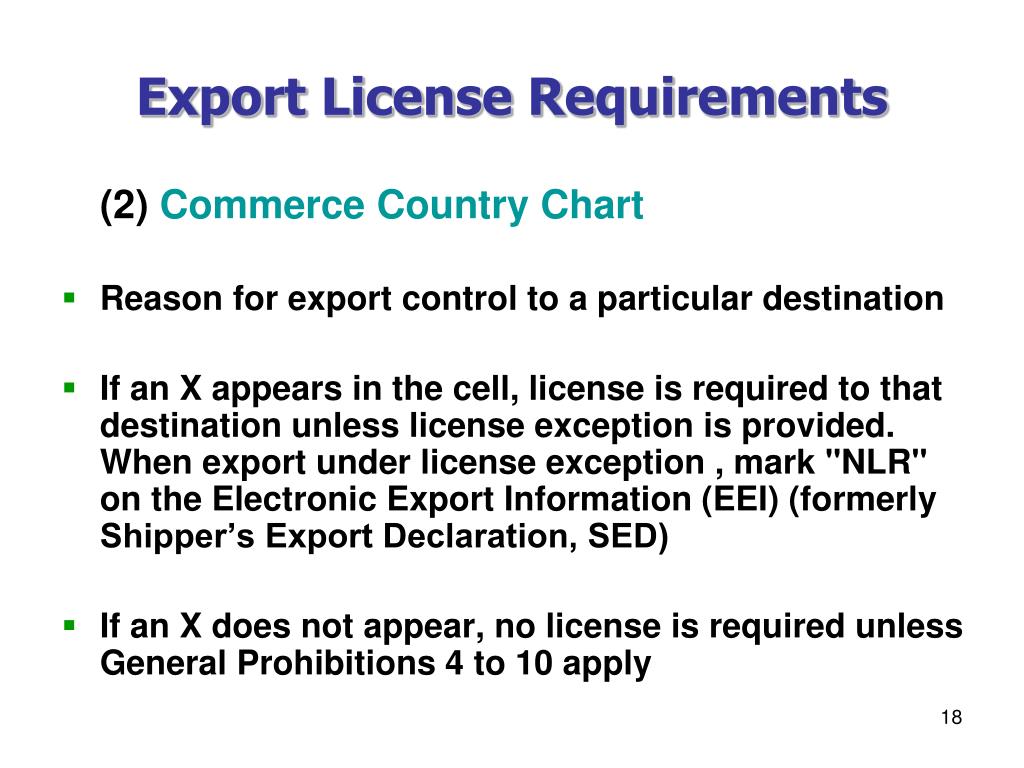
- Check if a license is required: Determine if a shipping export license is required for your shipment by checking the Commerce Control List (CCL) and the Bureau of Industry and Security's (BIS) Country Chart.
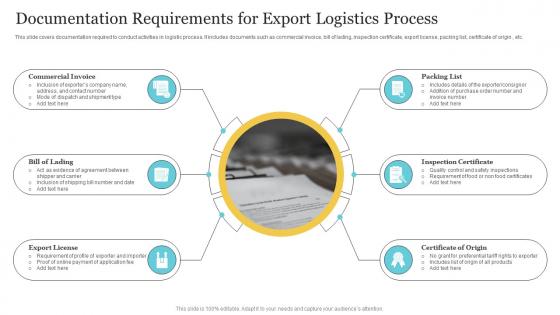
- Gather required documents: Collect the necessary documents, including the export license application, technical data, and shipping documentation.
- Submit the export license application to the relevant government agency, typically the BIS or the U.S. Department of Commerce.
- Wait for approval: Wait for the government agency to review and approve your export license application.
- Pay the license fee: Pay the required license fee, which may vary depending on the type of license and the shipment value.
Conclusion
Shipping export licenses are a crucial aspect of international trade, ensuring compliance with export regulations and maintaining national security. By understanding the types of shipping export licenses and the requirements for obtaining them, exporters can avoid costly penalties and reputational damage. Whether you are a seasoned exporter or just starting out, it is essential to navigate the complex world of shipping export licenses to ensure smooth and compliant international trade.