Setting Up an Access Point for Small Business: A Comprehensive Guide
Understanding the Importance of Access Points for Small Businesses
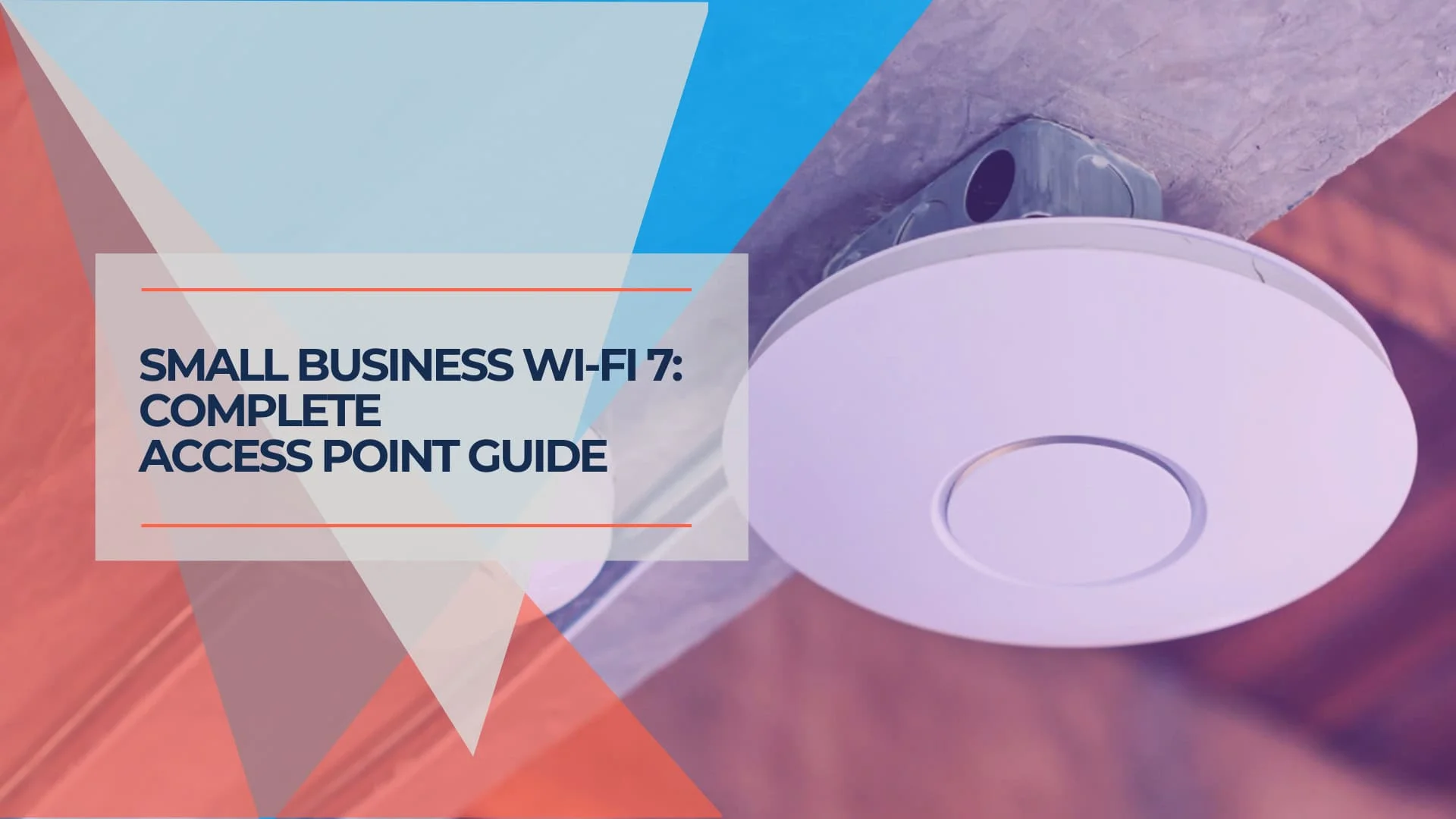
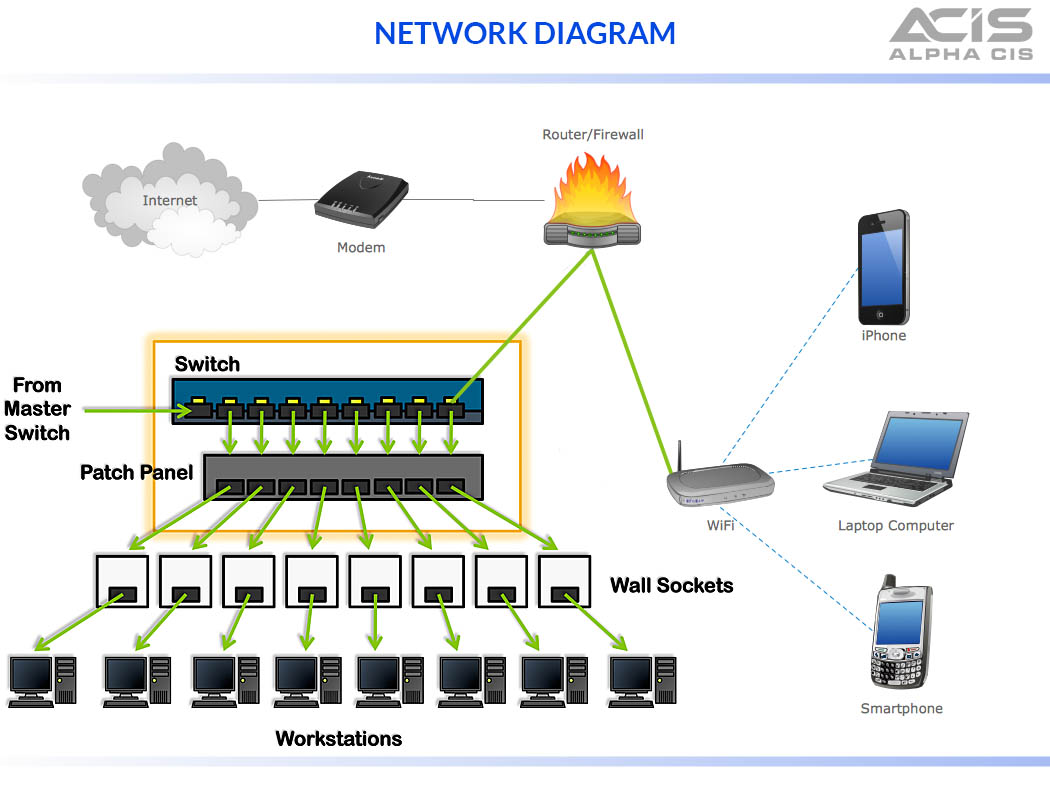
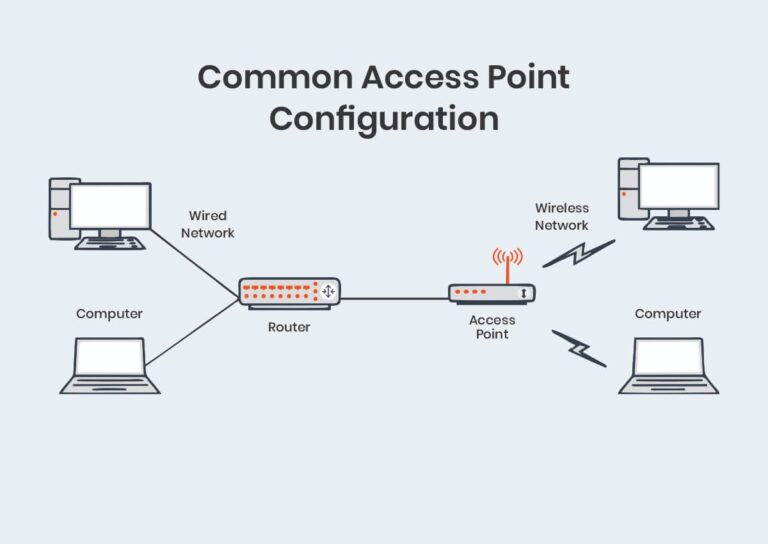
In today's digital age, a reliable and secure wireless network is no longer a luxury but a necessity for small businesses. An Access Point (AP) is an essential component of any wireless network, allowing devices to connect to the internet without the need for cables. By installing Access Points, small businesses can enjoy increased productivity, improved collaboration, and enhanced customer experiences.Choosing the Right Access Point for Your Small Business
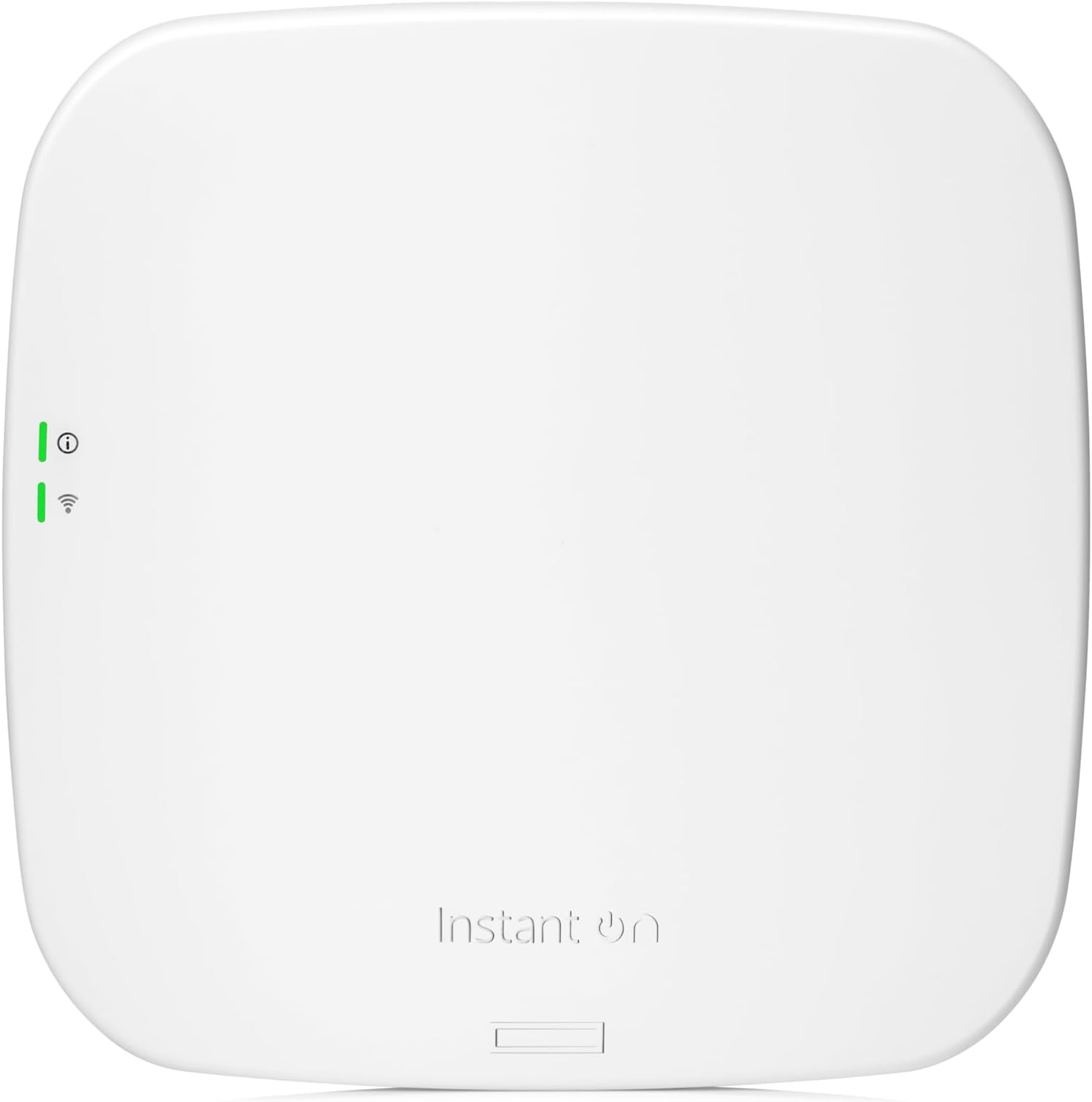
When selecting an Access Point for your small business, consider the following factors:- Range and Coverage: Choose an Access Point with a long range and robust signal strength to ensure reliable coverage throughout your premises.
- Multi-Device Support: Select an Access Point that can handle multiple devices, including smartphones, laptops, and IoT devices, to cater to the diverse needs of your employees and guests.
- Easy Management: Opt for an Access Point with intuitive management software to simplify network administration and troubleshooting.
- Security Features: Ensure that your Access Point comes with robust security features, such as WPA3 encryption and guest network isolation, to protect your network from cyber threats.
Setting Up an Access Point for Small Business: A Step-by-Step Guide

- ipiLocation: Strategically place your Access Point in a central location to ensure optimal coverage and signal strength.
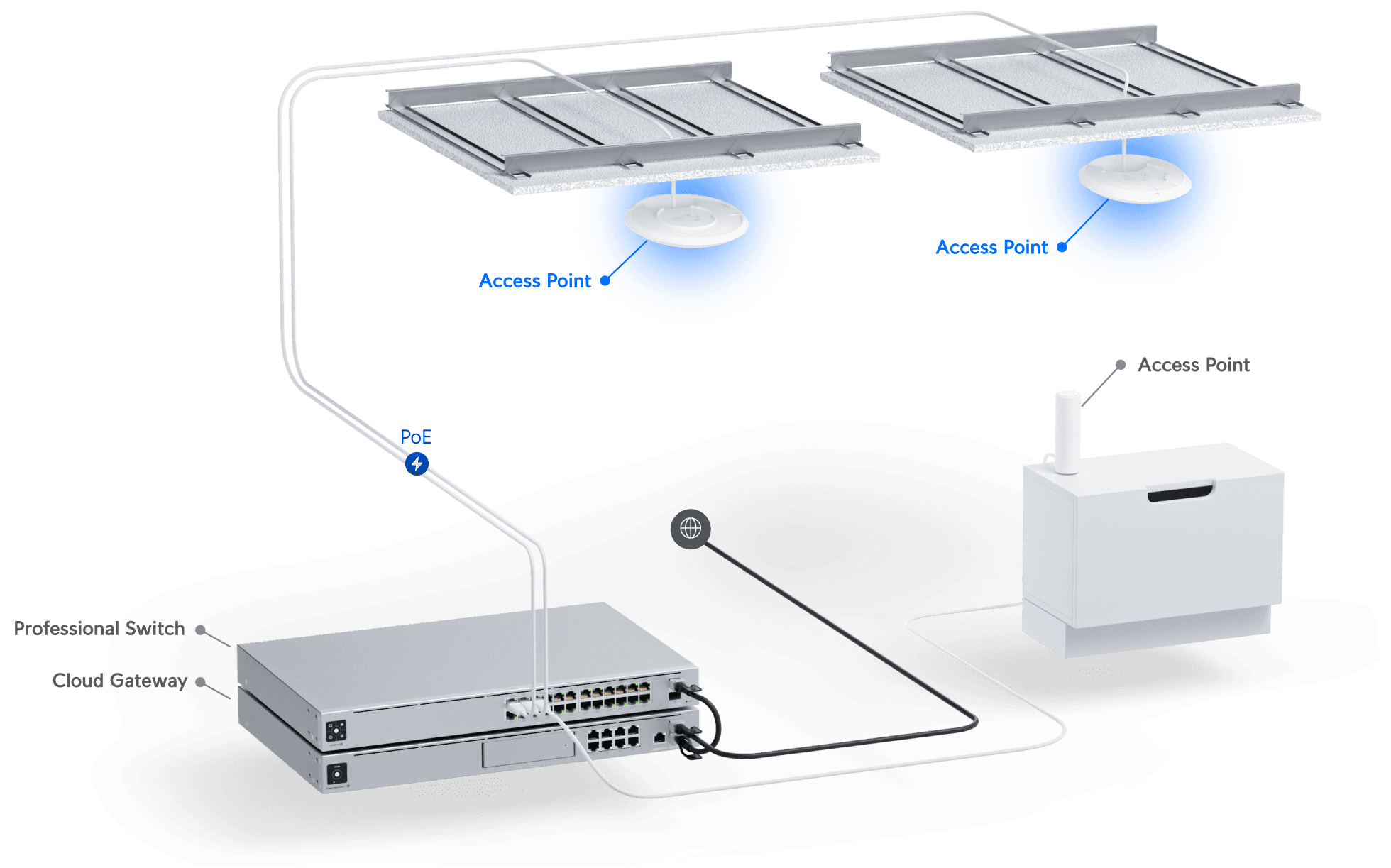
- Power-over-Ethernet (PoE): Consider using Power-over-Ethernet (PoE) to power your Access Point, reducing clutter and installation costs.
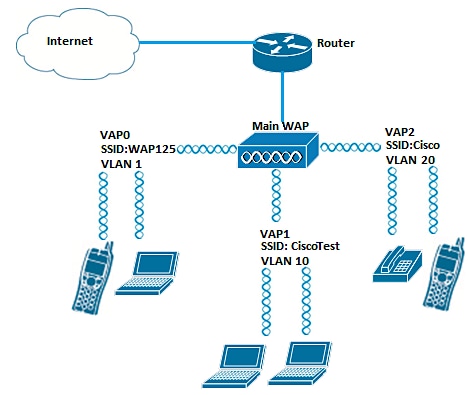
- Configuration: Configure your Access Point with a strong network name, password, and SSID to ensure secure and reliable connectivity.
- Network Segmentation: Use network segmentation to separate business, guest, and IoT devices, enhancing security and performance.
Best Practices for Small Business Access Point Setup
To ensure a successful Access Point setup for small business, follow these best practices:- Conduct a Site Survey: Conduct a site survey to determine the best placement of your Access Point and identify potential coverage gaps.
- Use Quality Cabling: Use high-quality cabling to ensure reliable and secure connections.
- Regularly Update Firmware: Regularly update your Access Point's firmware to ensure you have the latest security patches and features.