Attention and Focus Strategies for ADHD: Maximizing Productivity and Reducing Distractions
Attention deficit hyperactivity disorder (ADHD) affects how your brain processes information, making focus a constant challenge. It's not about willpower or motivation; it's about learning to work with your brain's natural functioning. With the right strategies, you can overcome ADHD-related focus issues and achieve your goals.
Understanding ADHD and Focus Challenges
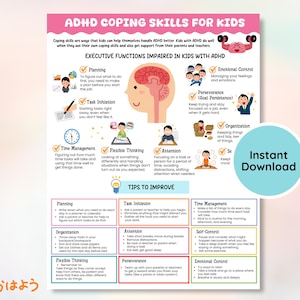
ADHD impacts the brain's filtering system, making it difficult to manage emotions, stay on task, and avoid distractions. This can lead to feelings of frustration, anxiety, and decreased productivity. However, it's essential to note that ADHD is not about a lack of effort or motivation; it's about learning to adapt to your brain's unique needs.
10 Evidence-Based Attention and Focus Strategies for ADHD
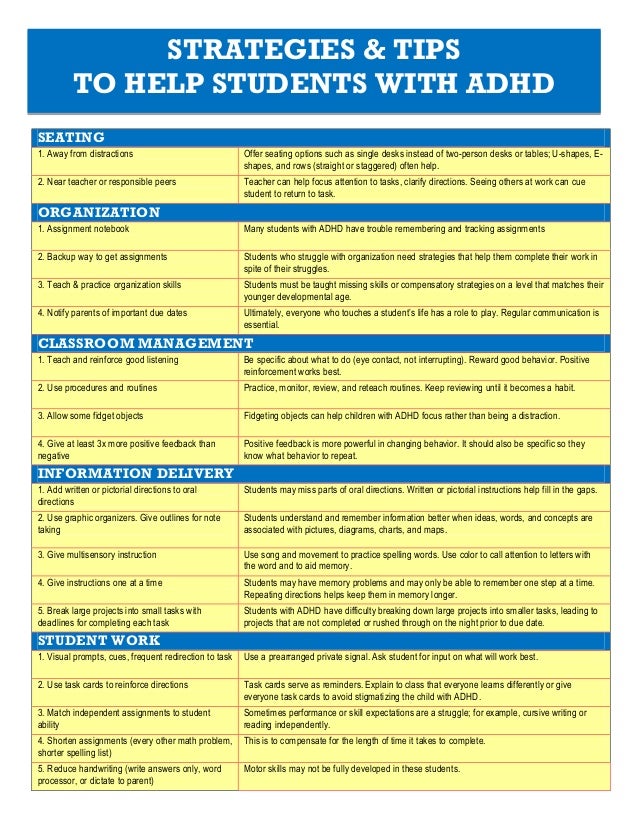
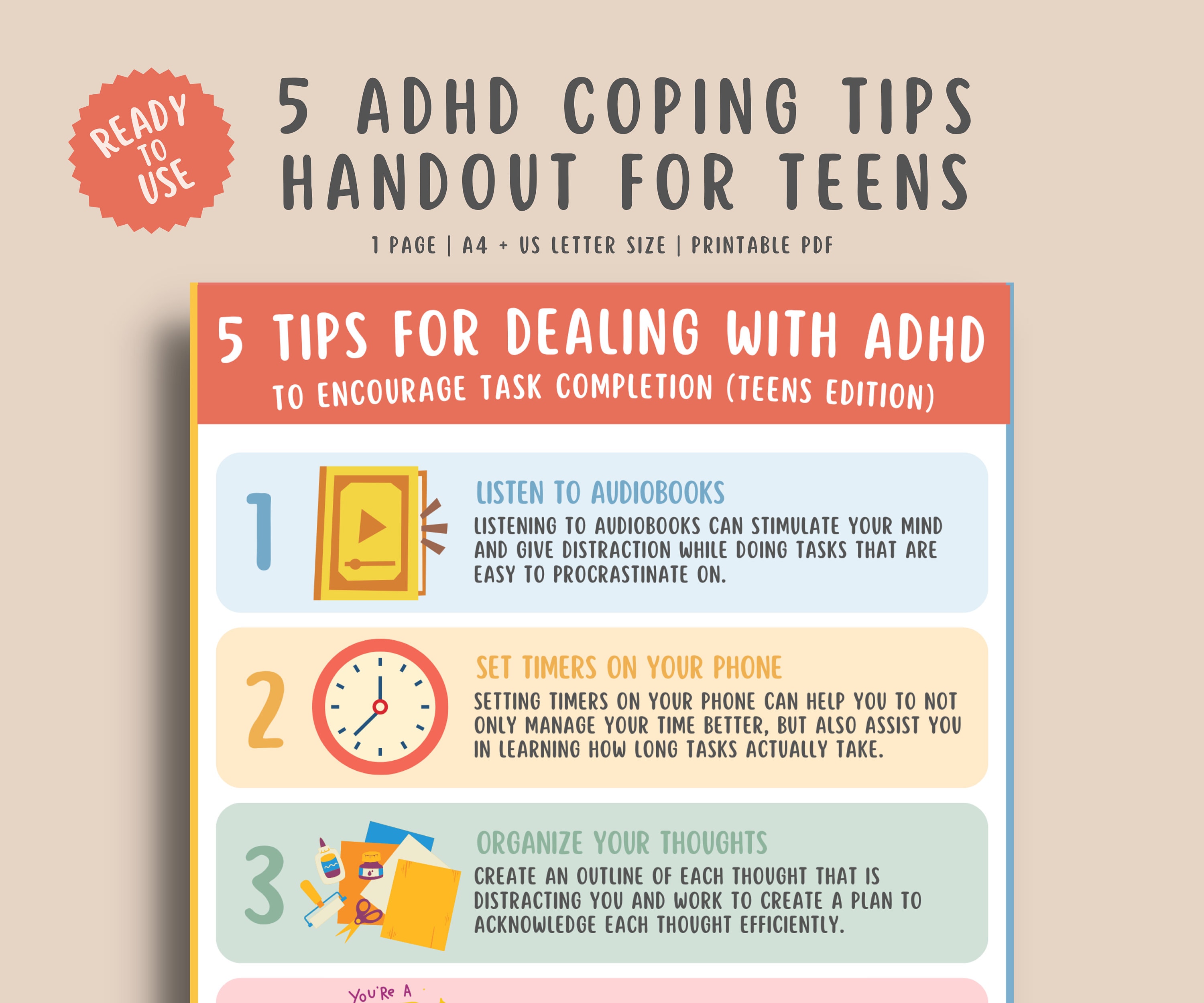
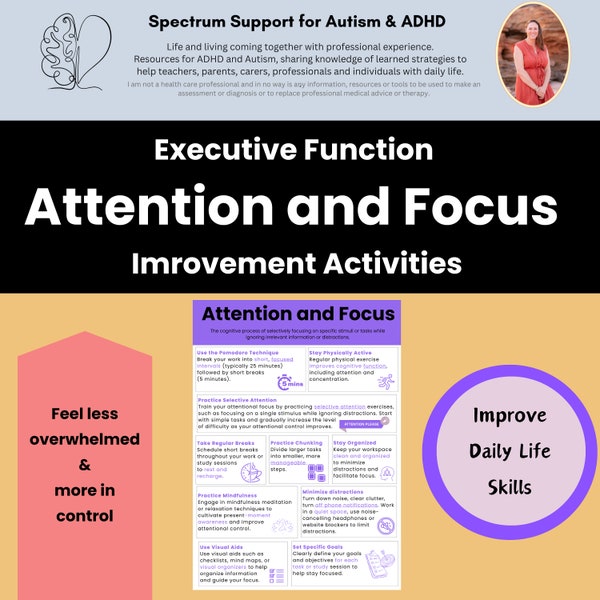
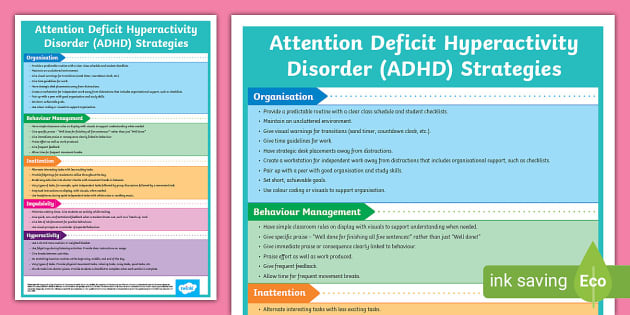
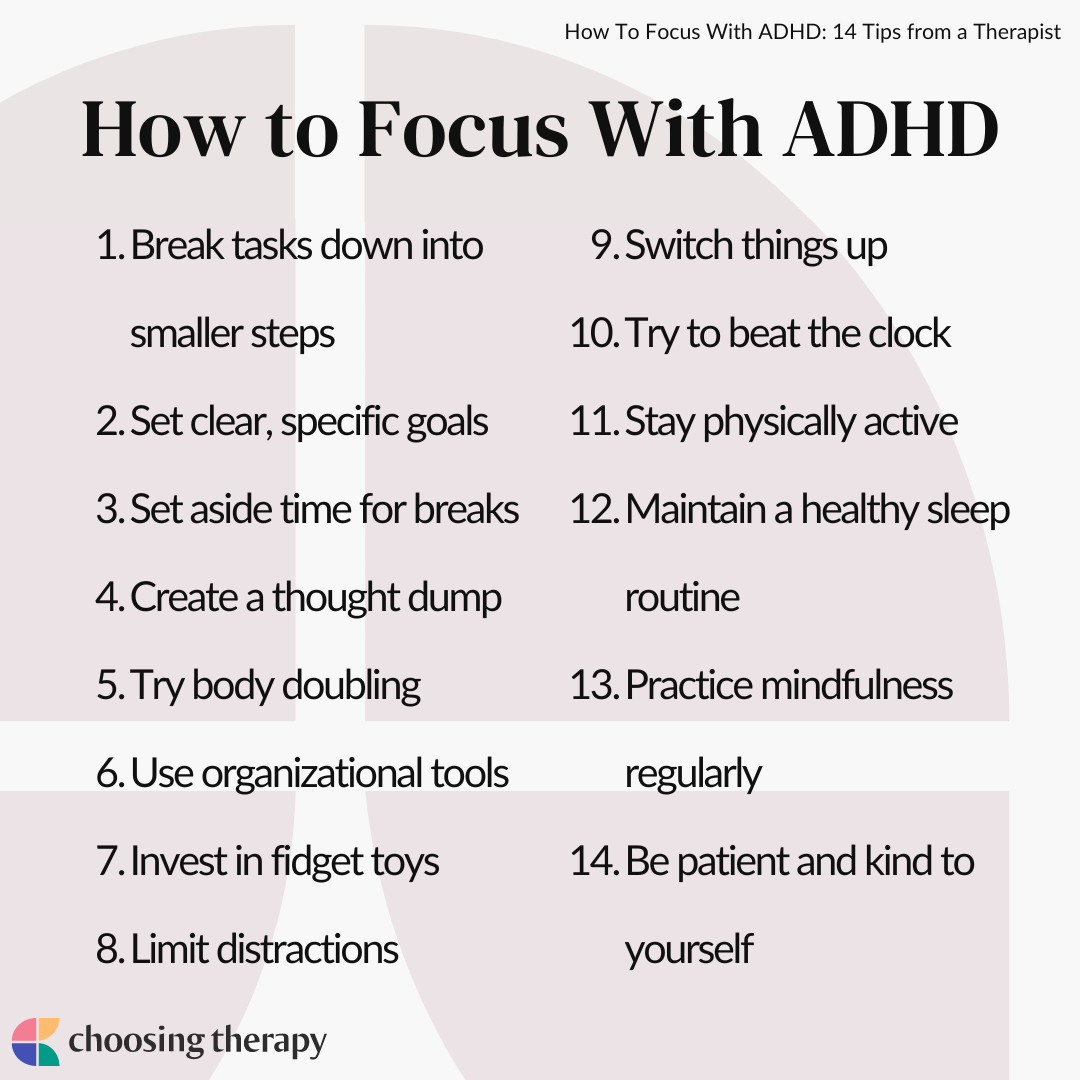
- Break Down Large Tasks into Smaller Chunks: Divide complex tasks into manageable smaller chunks to reduce feelings of overwhelm and increase focus. This helps maintain motivation and prevents procrastination.
- Use the Pomodoro Technique: Work in focused, 25-minute increments, followed by a 5-minute break. This technique helps maintain focus, reduce distractions, and increase productivity.
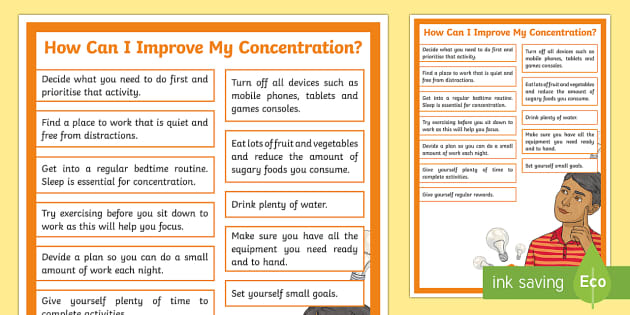
- Remove Distractions: Identify and remove distractions, such as social media, email, or phone notifications, to help maintain focus and reduce stress.
- Use a Planner or Calendar: Write down tasks, appointments, and deadlines to stay organized, on track, and focused. This helps reduce stress and anxiety associated with forgetfulness.
- Exercise Regularly: Regular physical activity improves focus, reduces symptoms of ADHD, and boosts mood. Engage in activities that bring you joy, such as swimming, walking, or dancing.
- Practice Mindfulness or Meditation: Mindfulness and meditation help reduce stress, increase focus, and improve emotional regulation. Start with short sessions (5-10 minutes) and gradually increase duration.
- Get Enough Sleep: Adequate sleep is crucial for maintaining focus, memory, and mood. Aim for 7-9 hours of sleep each night to reduce fatigue and increase energy levels.
- Seek Therapy or Counseling: Working with a therapist or counselor can help you develop coping strategies, improve relationships, and manage ADHD-related stress.
- Consider Medication: Consult with a healthcare professional about medication options to help manage ADHD symptoms, such as inattention, hyperactivity, and impulsivity.
- Build a Support Network: Surround yourself with supportive family, friends, and colleagues who understand ADHD and its challenges. Don't hesitate to ask for help when needed.
Maintaining Focus in a World Full of Distractions
ADHD can make it challenging to stay focused, but with the right strategies and support, you can overcome distractions and achieve your goals. By prioritizing self-care, organization, and mindfulness, you can improve attention and focus, leading to increased productivity, reduced stress, and enhanced overall well-being.
Conclusion
Attention and focus strategies for ADHD are not one-size-fits-all solutions. It's essential to explore various techniques, identify what works best for you, and develop a personalized approach to maximize productivity and reduce distractions. By working with your brain, rather than trying to force it into traditional norms, you can unlock your full potential and achieve success.