B2B Marketing and Sales Alignment: Breaking Down Silos and Boosting Revenue
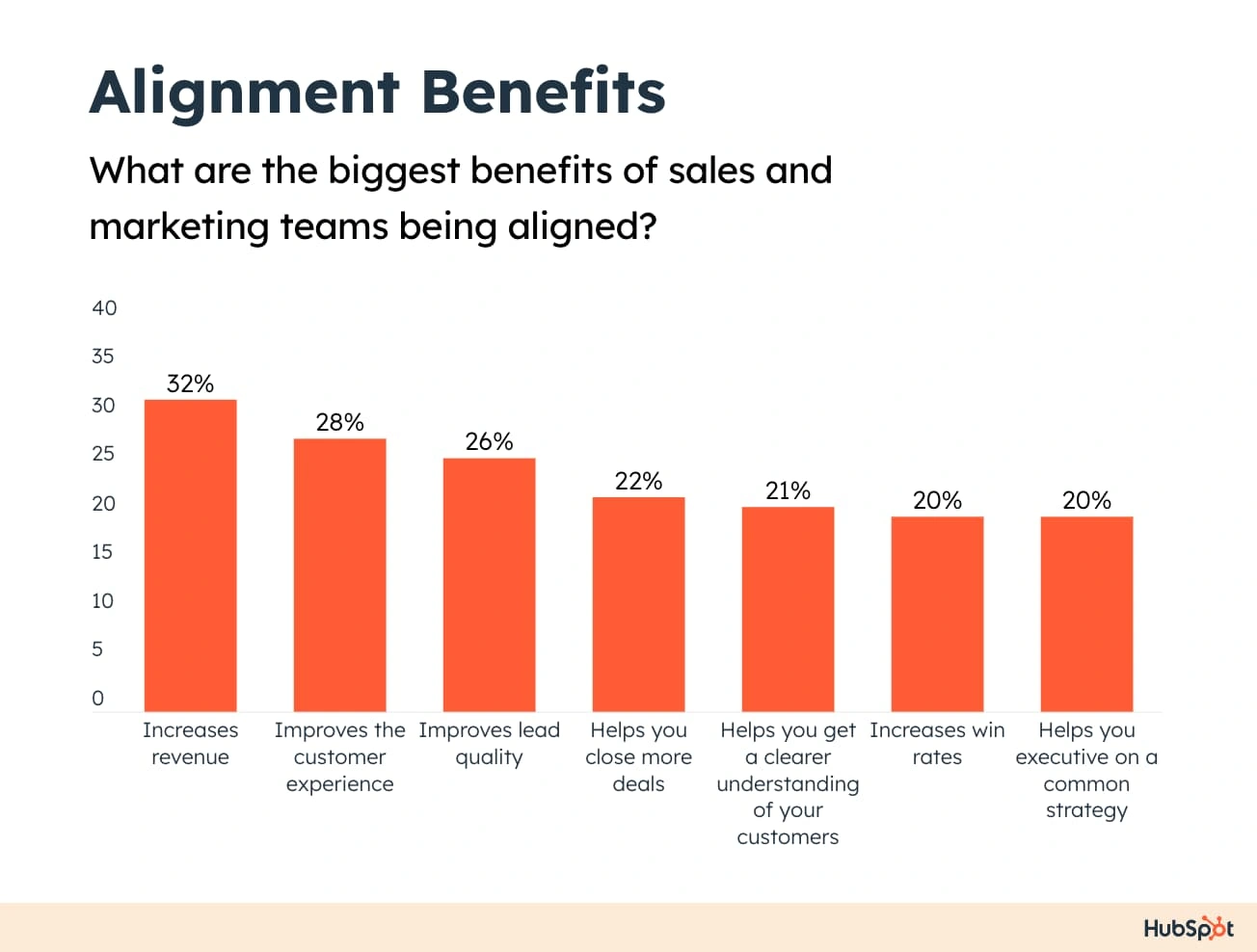
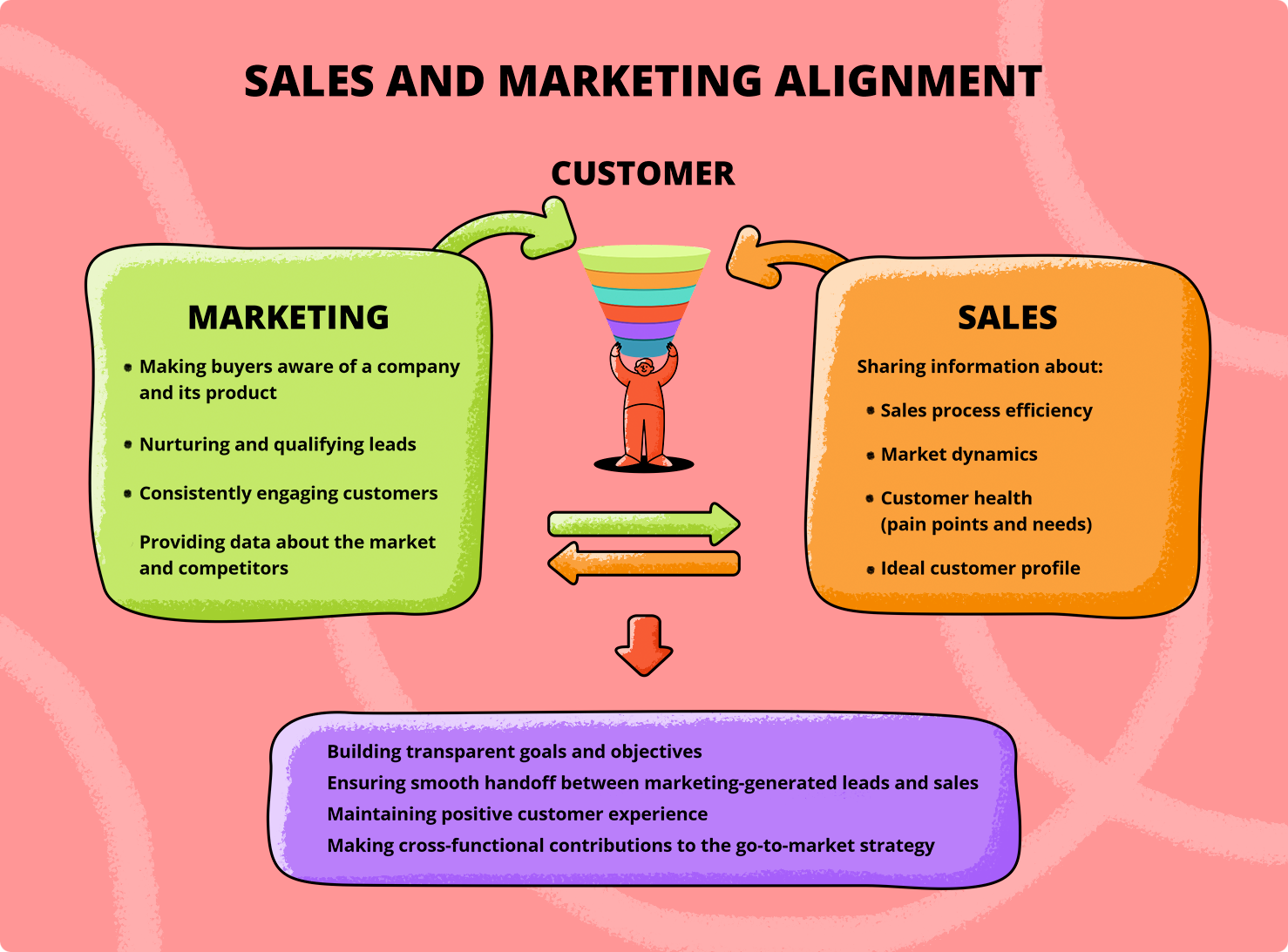
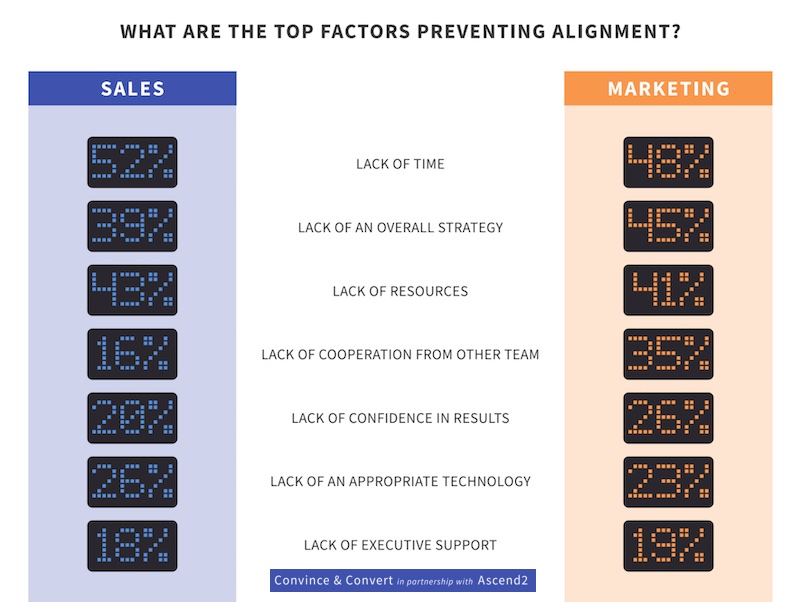
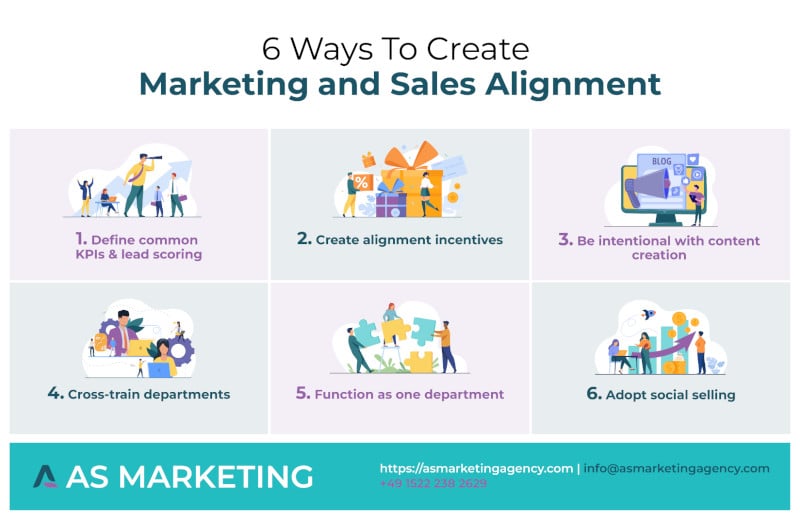
In the world of B2B sales and marketing, alignment between these two critical departments is a crucial factor for driving revenue growth. When marketing and sales teams work together seamlessly, they can create a unified front that fosters a streamlined lead generation process, improves lead quality, and shortens sales cycles. However, achieving alignment between sales and marketing teams is no easy feat. It requires a clear understanding of shared goals, definitions, and accountability, as well as a willingness to adopt honest messaging, clean handoffs, and regular feedback. In this article, we will delve into the world of B2B marketing and sales alignment and explore actionable strategies for bridging the gap between these two departments.
Understanding the Importance of B2B Marketing and Sales Alignment
When marketing and sales teams operate in silos, it can lead to several issues, including misaligned goals, communication breakdowns, and revenue losses. B2B buyers engage with both marketing content and sales conversations before making purchase decisions, which means that marketing and sales teams need to work together to create a cohesive narrative that resonates with these buyers. By aligning their efforts, sales and marketing teams can improve lead generation, qualify leads more effectively, and reduce the risk of losing sales due to miscommunication. In short, B2B marketing and sales alignment is critical for driving revenue growth and achieving long-term success.
5 Actionable Steps to Achieve B2B Marketing and Sales Alignment
1. Define Qualified Leads Together
Defining qualified leads is a critical step in achieving alignment between marketing and sales teams. Sales teams typically have different definitions of qualified leads compared to marketing teams, which can lead to miscommunication and revenue losses. To bridge this gap, marketing and sales teams should come together to create a shared definition of a qualified lead. This involves identifying key characteristics, such as job title, company size, and industry, that make a lead a good fit for your product or service. By establishing a shared definition, marketing and sales teams can work together to generate more qualified leads and improve lead conversion rates.
2. Analyze Data to Refine Targeting
Data analysis is a key component of achieving B2B marketing and sales alignment. By analyzing data on lead behavior, sales performance, and marketing campaigns, marketing and sales teams can refine their targeting strategies and improve lead quality. This involves using data to identify patterns and trends that indicate which leads are most likely to convert into sales. By refining their targeting strategies, marketing and sales teams can focus on generating leads that are more likely to close, reducing the risk of wasting time and resources on unqualified leads.
3. Create a Shared Conversion Engine
4. Establish a Lead Handoff Process
Effective lead handoffs are critical for achieving B2B marketing and sales alignment. This involves creating a clear and defined process for transferring leads from marketing to sales teams, ensuring that both teams have a complete understanding of the lead's needs, preferences, and buying behavior. By establishing a lead handoff process, marketing and sales teams can work together to ensure that leads are properly qualified and passed on to sales teams, reducing the risk of lead miscommunication and revenue losses.
5. Implement Regular Feedback and Alignment Meetings
Regular feedback and alignment meetings are essential for maintaining B2B marketing and sales alignment. These meetings provide an opportunity for marketing and sales teams to discuss progress, share insights, and make adjustments to their strategies as needed. By implementing regular feedback and alignment meetings, marketing and sales teams can ensure that they are working together effectively to drive revenue growth and achieve shared goals.