Building a Remote Management Structure: The Key to Success in the Modern Workplace
As the world of work continues to evolve, remote management has become a crucial aspect of modern leadership. With the flexibility to work from anywhere, people from all over the globe can now collaborate and contribute to a company's growth and success. However, building a remote management structure that fosters productivity, collaboration, and employee satisfaction is a challenging task.
Understanding the Importance of Remote Management
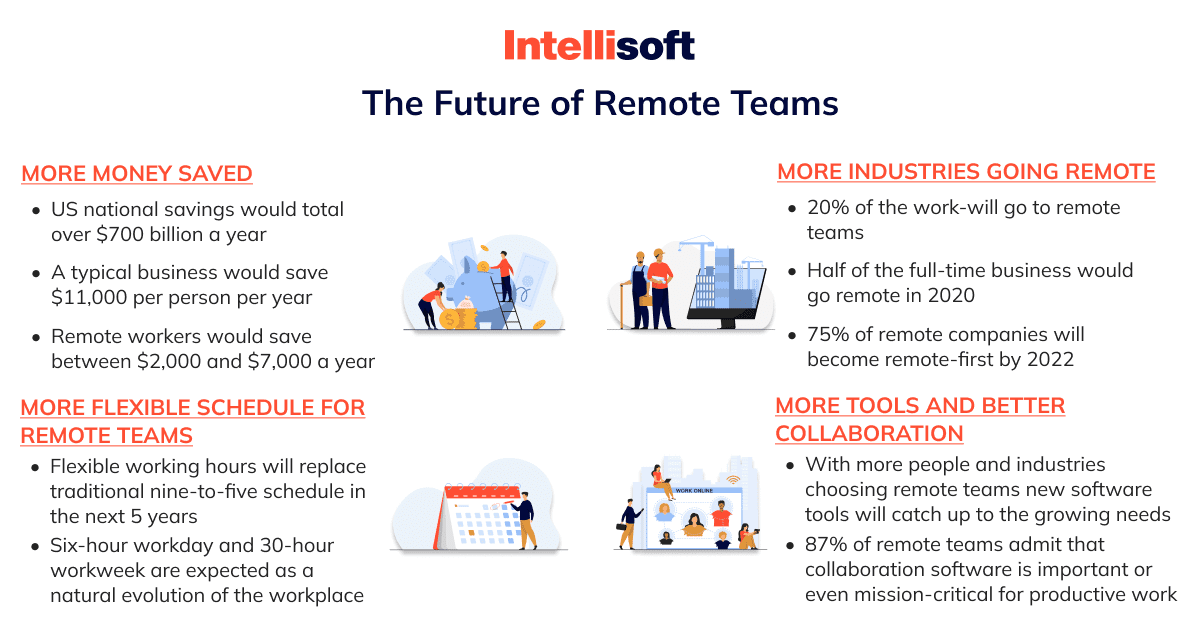
Remote work has become a norm in today's fast-paced business environment. According to various studies, 82% of employees now work remotely at least one day a week, and this number is expected to grow in the coming years. As companies invest in remote management, they also see numerous benefits, including increased productivity, reduced costs, and access to a global talent pool.
Key Elements of a Successful Remote Management Structure
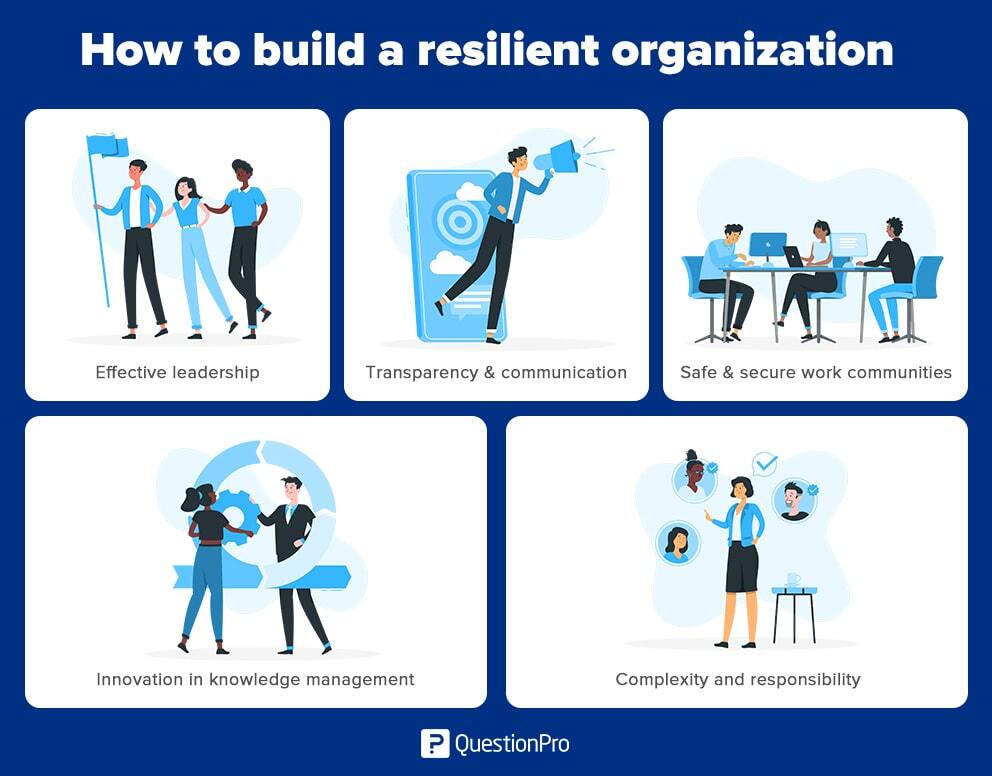
To navigate the complexities of remote management, company leaders must establish a clear organizational structure. This involves setting clear roles and responsibilities, implementing effective communication systems, and empowering team members to work autonomously. By establishing a solid remote management structure, you can:
- Ensure Clarity and Consistency: Clearly define job roles, expectations, and performance metrics to maintain consistency and avoid confusion.
- Foster Open Communication: Regular virtual meetings, open feedback channels, and transparent communication can help bridge geographical gaps and improve communication.
- Empower Team Members: Provide the necessary tools, training, and resources to enable team members to work independently and make decisions without oversight.
- Monitor Performance: Regularly track progress, provide constructive feedback, and conduct performance evaluations to ensure team members meet expectations.
- Lead by Example: Demonstrate a servant-leadership approach, lead by example, and prioritize team members' growth and development.
Adapting to the Distributed Work Environment
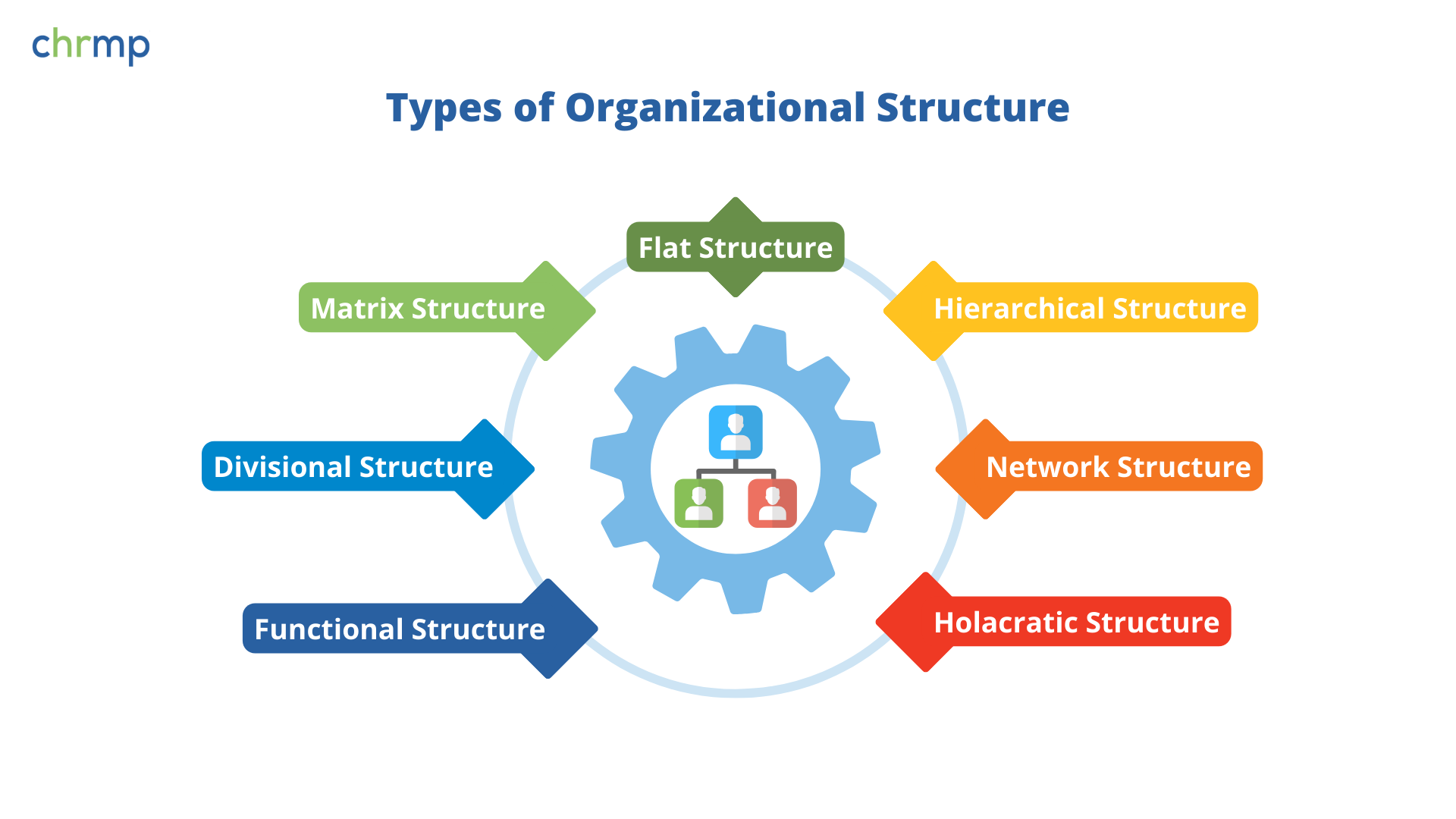
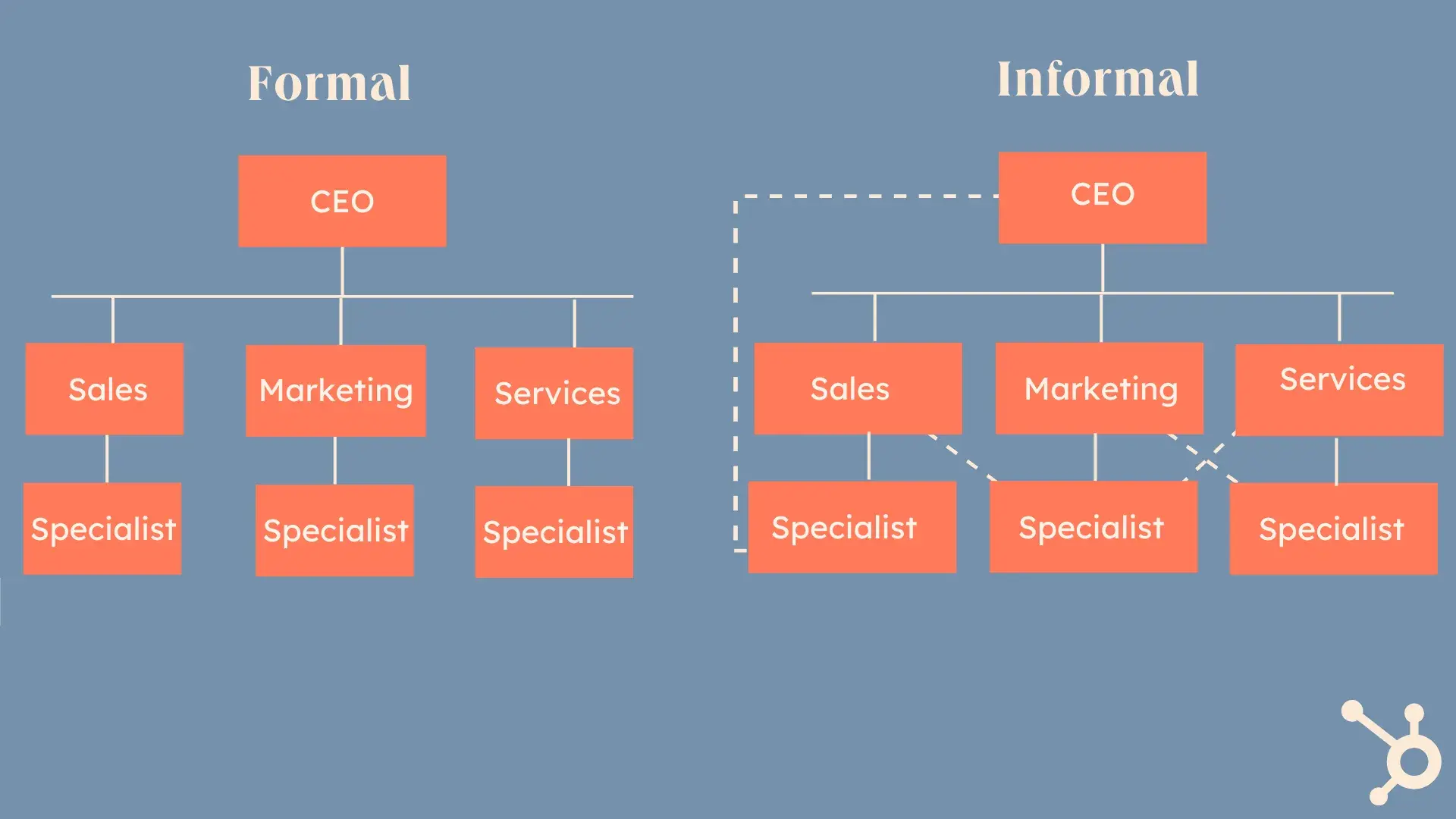
Traditional hierarchical structures may not be suitable for remote teams, where team members are geographically dispersed and work asynchronously. To adapt to this environment, company leaders can adopt flexible frameworks and implement:
- Flat Organizations: Decentralized structures with minimal hierarchies promote flexibility, collaboration, and innovation.
- Project-Based Teams: Team members work on specific projects, fostering cross-functional collaboration, and short-term goals.
- Results-Oriented Work Environment: Focus on outcomes and goals rather than hours worked or specific work location.
Practical Tips for Building a Remote Management Structure
Implementing a remote management structure requires strategic planning, effective communication, and a willingness to adapt. Here are some practical tips to help you get started:
- Establish a clear vision and mission for remote work.
- Develop a comprehensive policy for remote work, including expectations, tools, and best practices.
- Invest in communication tools and platforms to foster collaboration and real-time communication.
- Regularly schedule virtual check-ins and feedback sessions.
- Develop a succession planning process to ensure continuity in leadership and management.
Conclusion
Building a Remote Management Structure: Where to Start
As the world of remote work continues to evolve, establishing a well-structured remote management structure becomes more critical. By following these key elements, adapting to the distributed work environment, and adopting practical tips, you'll set your organization up for long-term success in the modern workplace.
Ultimately, a well-established remote management structure enables companies to harness the immense potential of global talent, foster productive team collaboration, and drive business growth.