Building a Remote Management Team: A Comprehensive Guide
In today's increasingly digital world, managing remote teams has evolved from a rare perk to a mainstream business model. However, building a remote management team is more than just hiring people who work from home—it's about creating a cohesive, high-performing unit that thrives in a distributed environment.
Whether you're a startup founder looking to scale without office boundaries or a seasoned manager seeking to improve your team's performance, this article will provide you with practical tips and insights to help you build and manage a high-performing remote management team.
Why Build a Remote Management Team?
Building a remote management team offers numerous benefits, including access to global talent, reduced costs, and a better work-life balance for everyone involved. It's especially ideal for startups and growing businesses looking to scale rapidly without the overhead costs associated with maintaining a large office space.
According to various studies, remote teams can outperform traditional office-based teams due to factors such as increased productivity, reduced absenteeism, and improved collaboration. By embracing a remote management team, you can tap into this potential and unlock your team's true performance.
Key Strategies for Building a Remote Management Team

- Clearly Define Your Goals
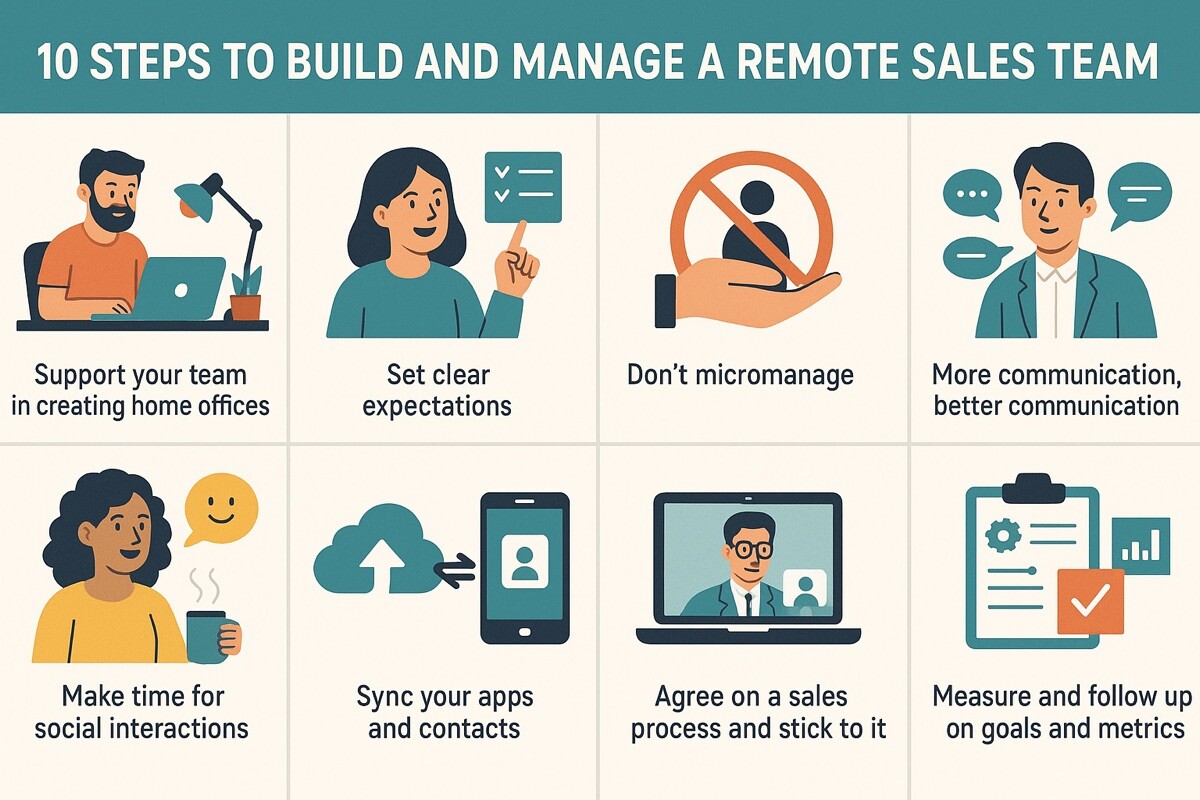
Having a clear understanding of what needs to be achieved is the first step towards effective remote team management. Set measurable goals and communicate them to your team to ensure everyone is aligned and working towards the same objectives. - Establish Open Communication Channels
Effective communication is critical in remote teams. Set up virtual channels such as Slack, Microsoft Teams, or Google Workspace to facilitate seamless communication among team members. Schedule regular video calls and encourage open feedback to ensure that everyone is on the same page. - Use Collaboration Tools
Choose collaboration tools that streamline work and eliminate unnecessary tasks. Trello, Asana, and Jira are popular options that help manage tasks, projects, and deadlines. Integrate these tools into your workflow to boost productivity and track progress. - Foster a Positive Company Culture
Creating a positive company culture is essential for building a cohesive remote team. Encourage team members to share their ideas, celebrate milestones, and recognize each other's achievements. Use virtual platforms to hold regular team-building activities and encourage team members to participate. - Lead by Example
As a remote manager, you set the tone for your team. Demonstrate the behaviors you expect from your team members, such as regular check-ins, clear communication, and a strong work ethic. Your team will look up to you as a leader and a role model, so lead by example and strive for excellence.
Overcoming Common Challenges of Remote Team Management
As a remote manager, you may encounter challenges such as communication barriers, trust issues, and isolation. However, with the right strategies in place, you can overcome these challenges and build a high-performing remote team. Some tips to keep in mind include:
- Establish Trust
Trust is essential in remote teams. Encourage transparency, empathy, and open communication. Recognize and reward team members for their contributions and trust them to manage their work independently. - Create a Sense of Belonging
Remote teams can lack a sense of camaraderie, which can lead to isolation and disengagement. Create opportunities for team members to socialize and connect with each other through virtual events, team-building activities, and regular check-ins. - Use Technology to Drive Collaboration
Leverage collaboration tools and platforms to facilitate communication, task management, and project tracking. Regularly review and improve your tools to ensure they meet the evolving needs of your team. - Set Boundaries and Priorities
Remote teams often blur the boundaries between work and personal life. Establish clear boundaries and priorities with your team members to prevent burnout and maintain a healthy work-life balance.
Conclusion
Building a remote management team requires intentional effort, strategy, and a willingness to adapt to new approaches. By leveraging collaboration tools, fostering a positive company culture, and establishing open communication channels, you can build a cohesive, high-performing remote team that outperforms traditional office-based teams.