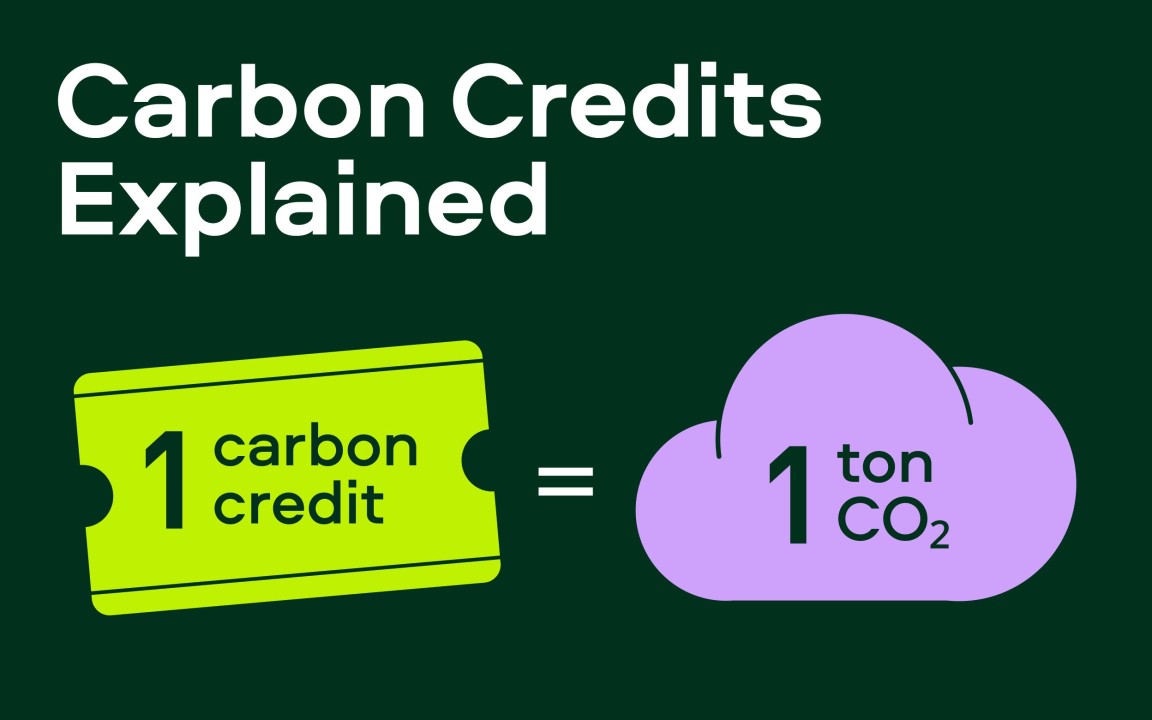
Understanding the Carbon Credit Certification Process
In the realm of sustainability and climate change mitigation, carbon credits have become a crucial tool for organizations to offset their greenhouse gas emissions. However, the process of certifying carbon credits is a complex and multifaceted issue that requires careful consideration and attention to detail. In this article, we will delve into the intricacies of the carbon credit certification process, exploring the key stakeholders involved, the criteria for certification, and the importance of this process in fostering trust and accountability in carbon markets.
The Role of Carbon Credit Certification
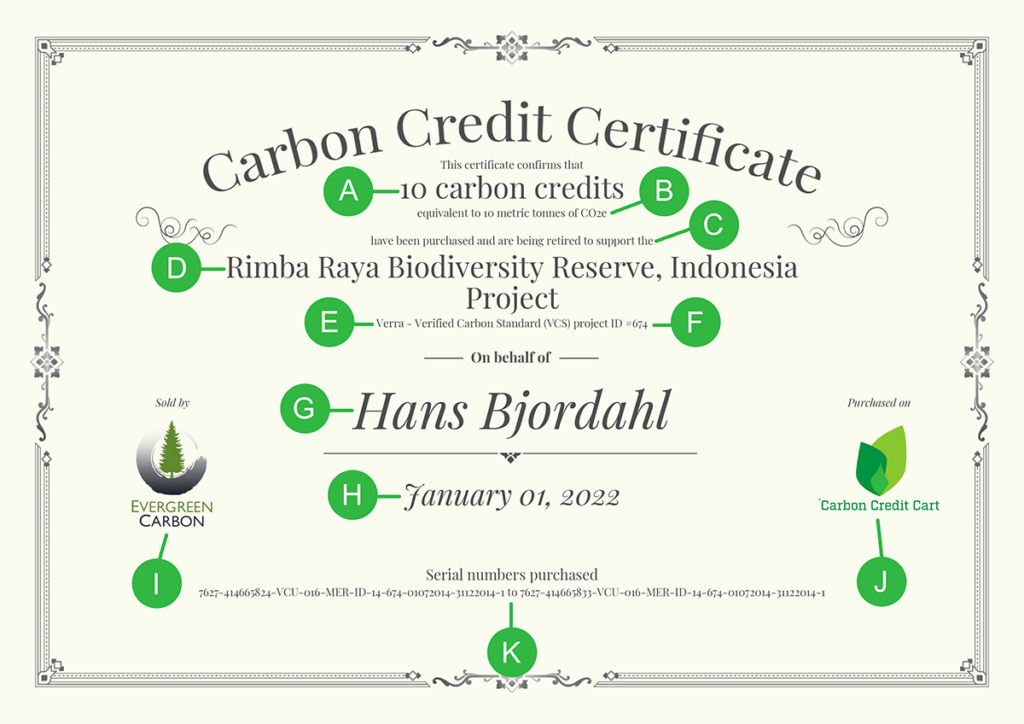
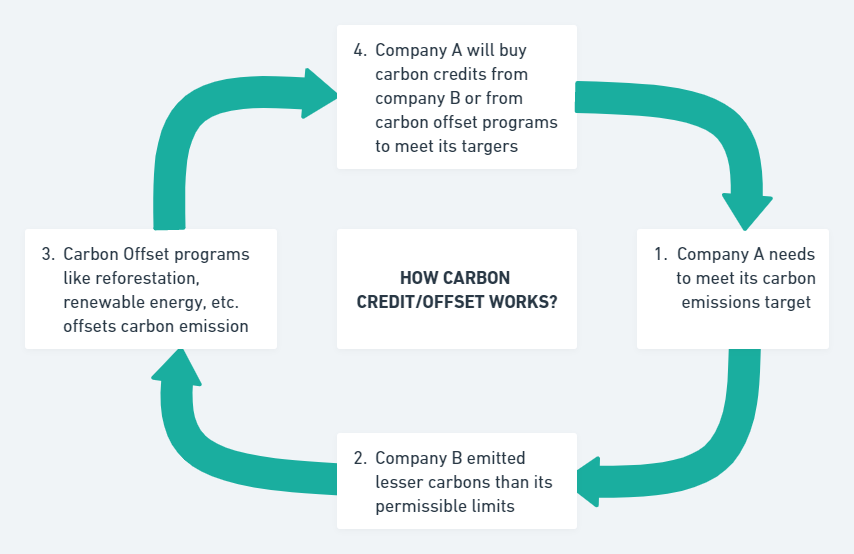
Carbon credits are permits or certificates that allow organizations to compensate for their greenhouse gas emissions by investing in projects that reduce or remove emissions elsewhere. The certification process verifies that these credits represent real, measurable reductions in emissions and ensures that they are issued in accordance with established standards and protocols. Without a robust certification process, the integrity of carbon markets could be compromised, undermining the efficacy of climate change mitigation efforts.
Key Players in the Carbon Credit Certification Process
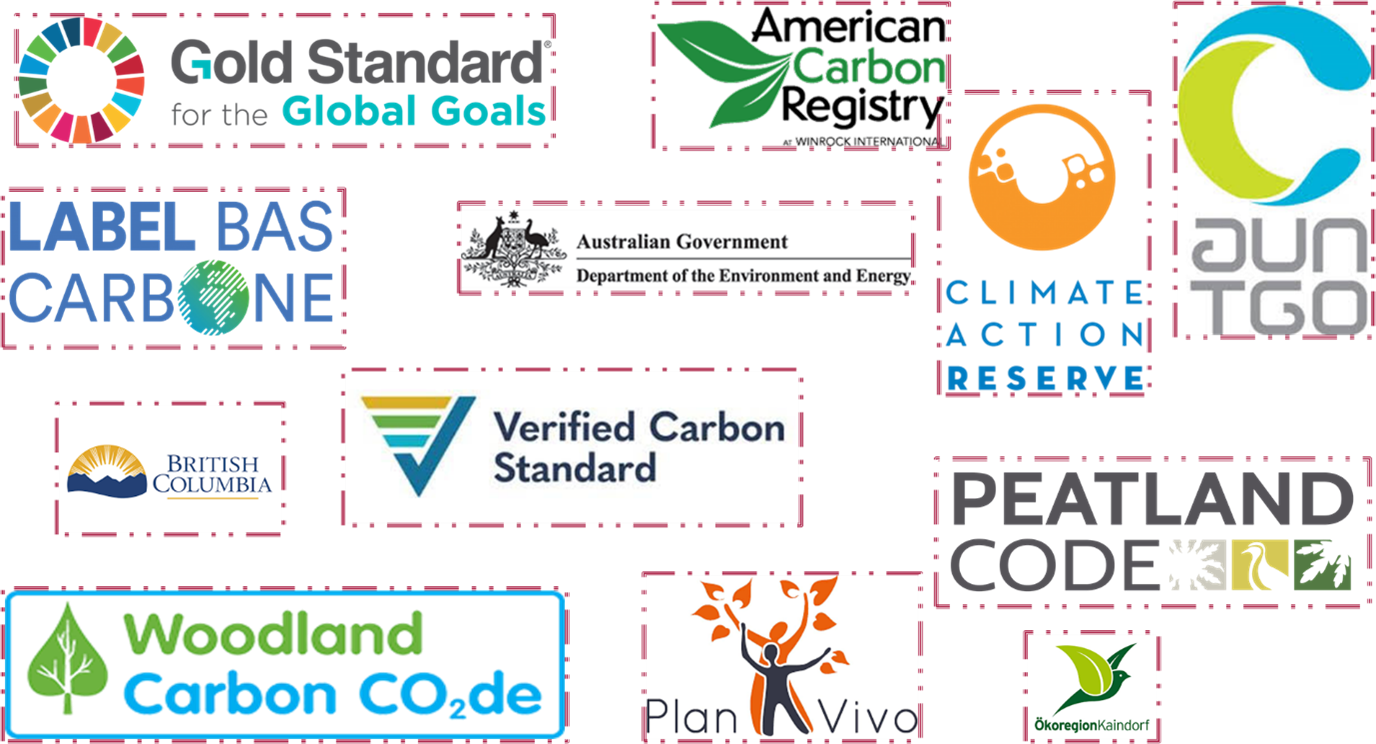
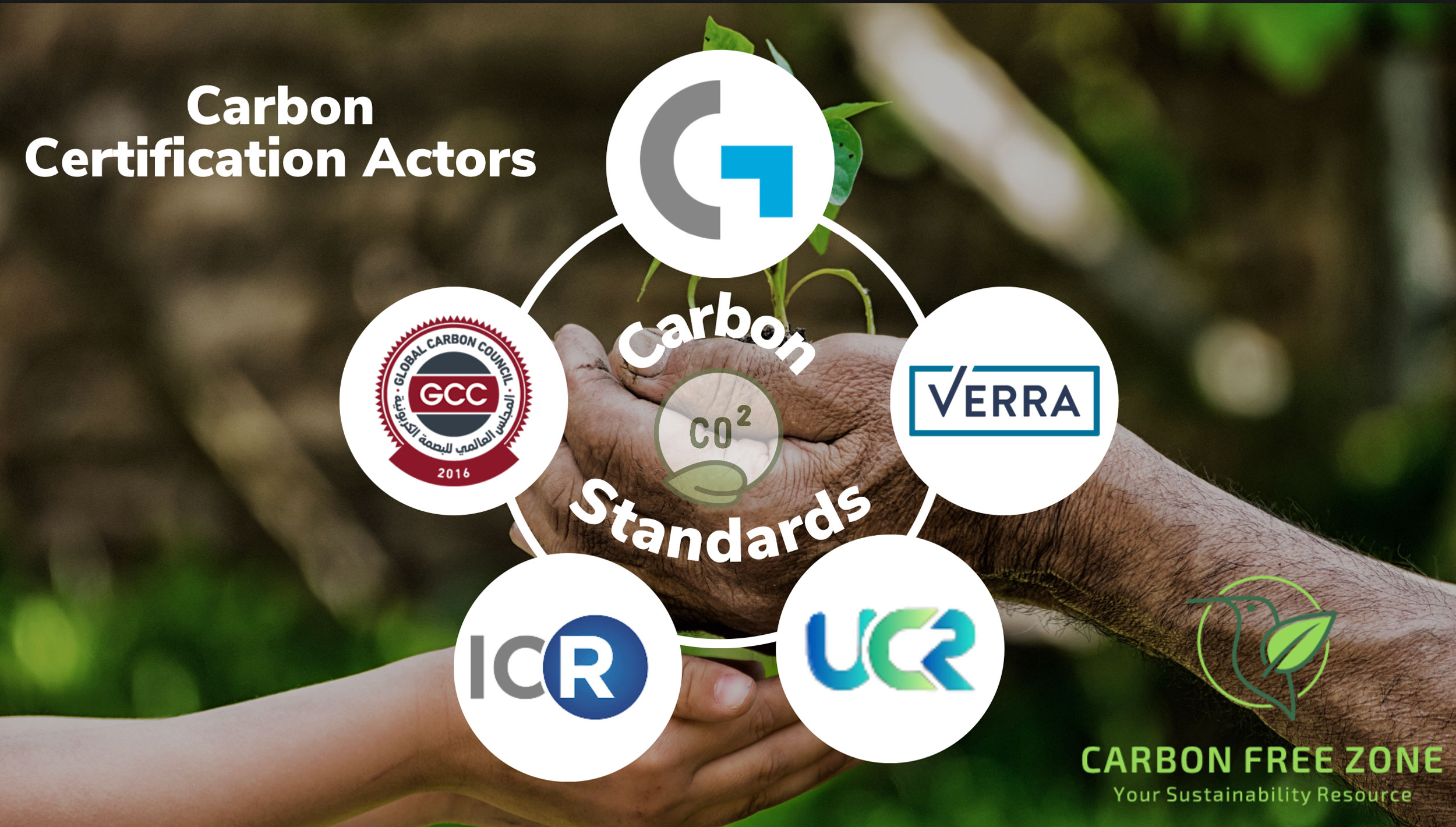
There are several standards and certification bodies involved in the carbon credit certification process, each with their own rules and regulations. Some of the most prominent players include:
- Gold Standard: A leading certification body that ensures projects not only reduce greenhouse gas emissions but also contribute to sustainable development and deliver tangible social and environmental benefits.
- Verified Carbon Standard (VCS): The world's most widely used greenhouse gas crediting program, which drives finance towards activities that reduce and remove emissions, improve livelihoods, and protect nature.
- ACR: A certification body that specializes in certifying carbon credits generated from sustainable land use practices, such as reforestation and afforestation.
The Certification Process: A Step-by-Step Guide
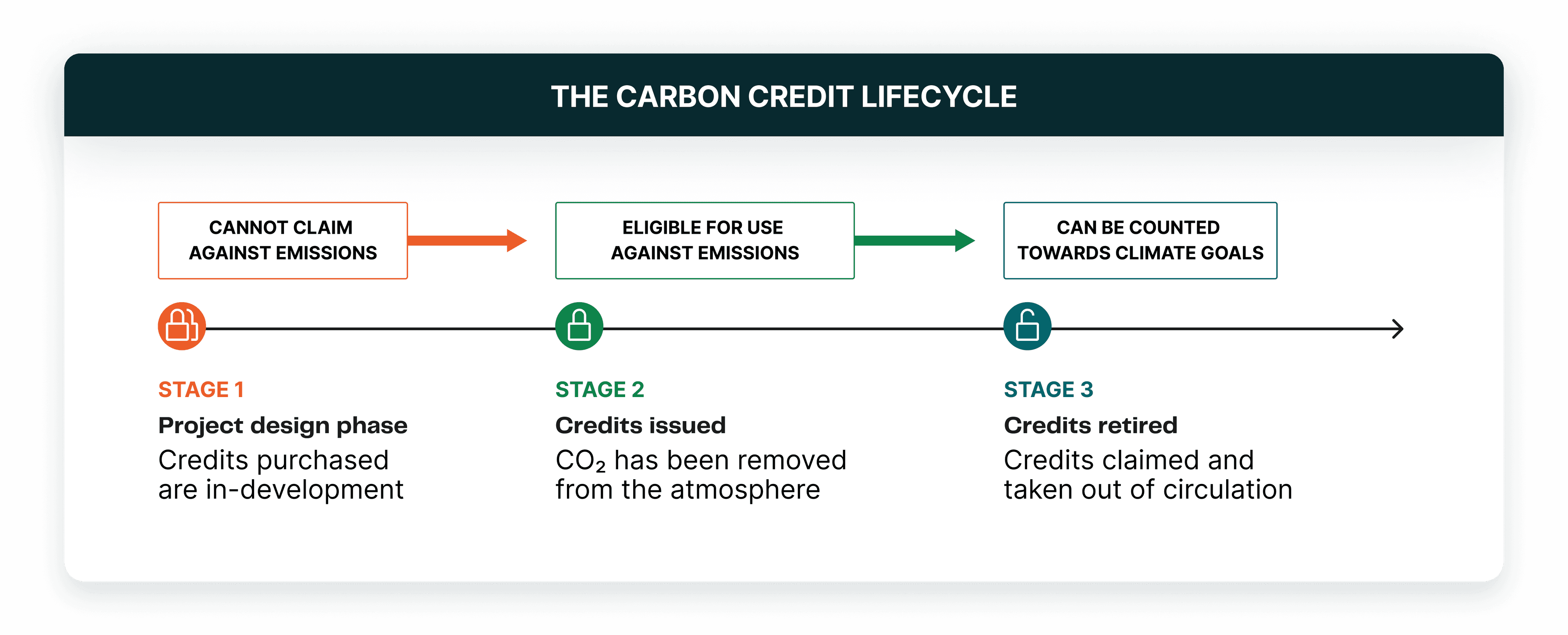
The certification process typically involves the following steps:
- Project development and design: The project proponent develops and designs the project, selecting a recognized methodology and baseline scenario.
- Verification body appointment: A third-party verification body is appointed to review and verify the project's eligibility, measurements, and modeling.
- Documentation and submission: The project proponent documents all relevant information and submits it to the certification body.
- Verification and validation: The verification body reviews the documentation and validates the project's emissions reductions.
- Certification and issuance: The certification body issues carbon credits to the project proponent, provided that the project meets all the established standards and protocols.
Why Carbon Credit Certification Matters
Carbon credit certification is essential for fostering trust and accountability in carbon markets. It ensures that carbon credits represent real, measurable reductions in emissions and are issued in accordance with established standards and protocols. Without a robust certification process, the integrity of carbon markets could be compromised, undermining the efficacy of climate change mitigation efforts.
Conclusion
The carbon credit certification process is a complex and multifaceted issue that requires careful consideration and attention to detail. By understanding the key stakeholders involved, the criteria for certification, and the importance of this process, organizations can make informed decisions about their climate change mitigation efforts and contribute to a more sustainable future. Whether you are a buyer, business, or project developer, it is essential to prioritize carbon credit certification as a crucial step in ensuring the integrity and effectiveness of climate change mitigation efforts.