Delayed Onset Muscle Soreness Relief for Soccer Players: Strategies and Techniques
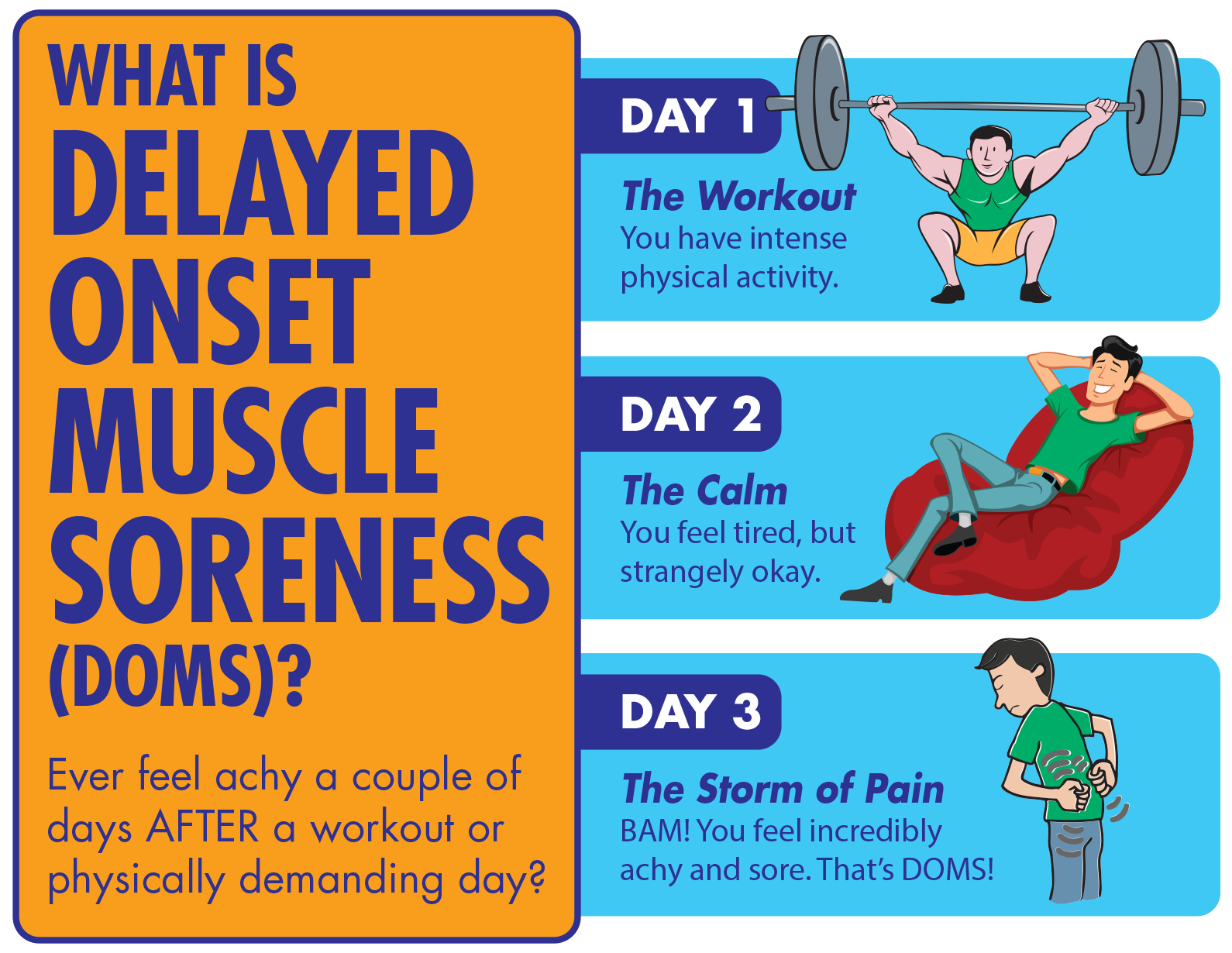
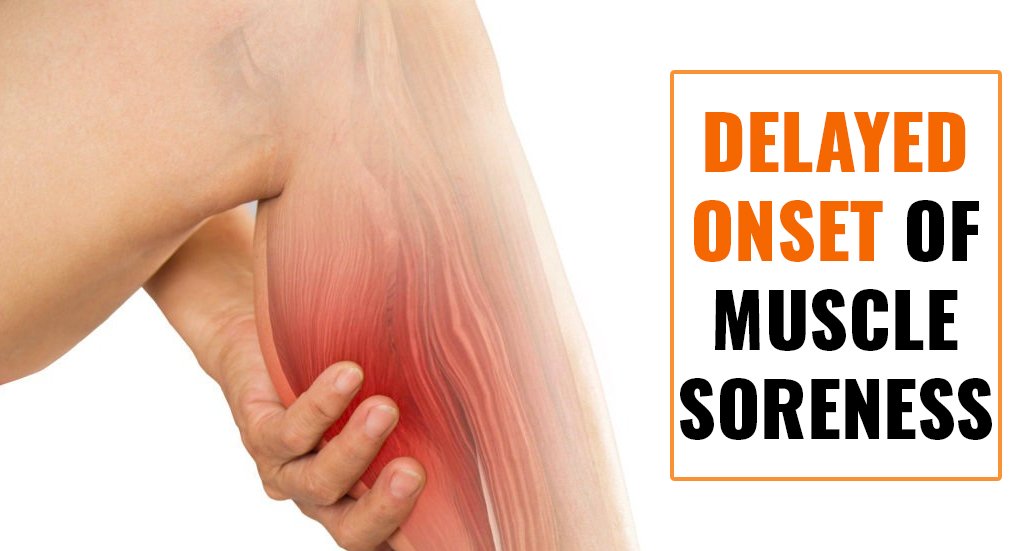
Soccer is a physically demanding sport that requires a high level of fitness, speed, agility, and endurance. However, the intense nature of the game can lead to a common condition known as delayed onset muscle soreness (DOMS). DOMS is a type of temporary muscle damage that occurs after high-intensity exercises, especially eccentric contractions, with a frequency related to unaccustomed intensity activities and mechanical stress.
Causes of DOMS in Soccer Players
The exact cause of DOMS is still not fully understood, but it is believed to be related to the micro-tears in the muscle fibers, inflammation, and metabolic waste buildup in the muscle tissue. This condition can lead to increased muscle pain and stiffness, decreased muscle function, and impaired physical performance. The signs and symptoms of DOMS typically peak between 24 and 72 hours after the initial bout of exercise.
Delayed Onset Muscle Soreness Relief for Soccer Players
While there is no "cure" for DOMS, there are some proven methods for DOMS pain relief that soccer players can use to alleviate their symptoms. Here are some effective strategies and techniques to reduce the impact of DOMS:
-
Perform a 5-10 minute cool-down after every training session and competition to help reduce muscle damage and inflammation.
-
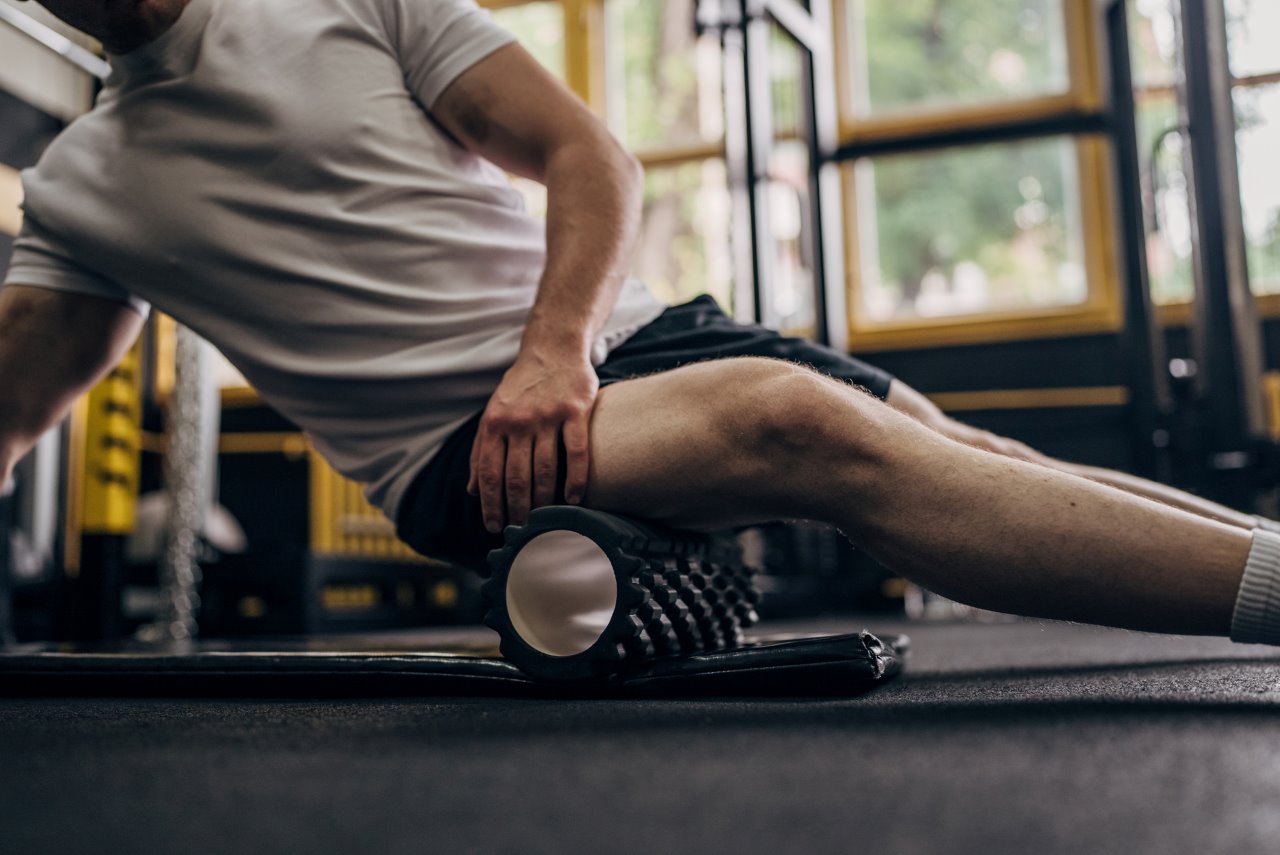
Use self-myofascial release techniques, such as foam rolling, to reduce muscle tension and promote blood flow to the affected areas.
-
Engage in low-intensity exercise, such as cycling or swimming, to promote blood flow and reduce muscle stiffness.
-
Use contrast water therapy, which involves alternating between hot and cold water, to reduce inflammation and promote recovery.
-
Get enough rest and recovery time to allow the muscles to repair and rebuild.

Other Effective Recovery Techniques
There are several other effective recovery techniques that soccer players can use to alleviate DOMS symptoms, including:
-
Cold water immersion: Brief cold baths post-exercise can reduce inflammation and improve recovery speed.
-
Active recovery: Engage in low-intensity exercise, such as yoga or stretching, to promote blood flow and reduce muscle stiffness.
-
Massage therapy: Massage can help reduce muscle tension and promote blood flow to the affected areas.
-
Compression garments: Wearing compression garments can help improve blood flow and reduce muscle soreness.
-
Proper nutrition: Eating a balanced diet that includes adequate protein, complex carbohydrates, and healthy fats can help promote muscle recovery and reduce DOMS symptoms.
Conclusion
DOMS is a common condition that can affect soccer players of all levels. However, with the right strategies and techniques, players can alleviate their symptoms and promote faster recovery. By incorporating the techniques mentioned above into their training and recovery routine, soccer players can reduce the impact of DOMS and stay healthy and competitive throughout the season.