Embracing the Future of Energy Efficient Glazing Materials
As we continue to grapple with the challenges of climate change and energy consumption, the importance of energy-efficient glazing materials cannot be overstated. In this article, we will delve into the world of glazing technologies, exploring the various options and innovations that are revolutionizing the industry.
What are Energy Efficient Glazing Materials?
Energy efficient glazing materials refer to the various types of glass and window systems designed to minimize heat transfer, reduce energy consumption, and improve overall building comfort. These materials play a crucial role in optimizing daylight utilization and energy efficiency in buildings, making them an essential component of sustainable building design.
Key Considerations for Energy Efficient Glazing
When selecting energy efficient glazing materials, several key factors come into play, including:
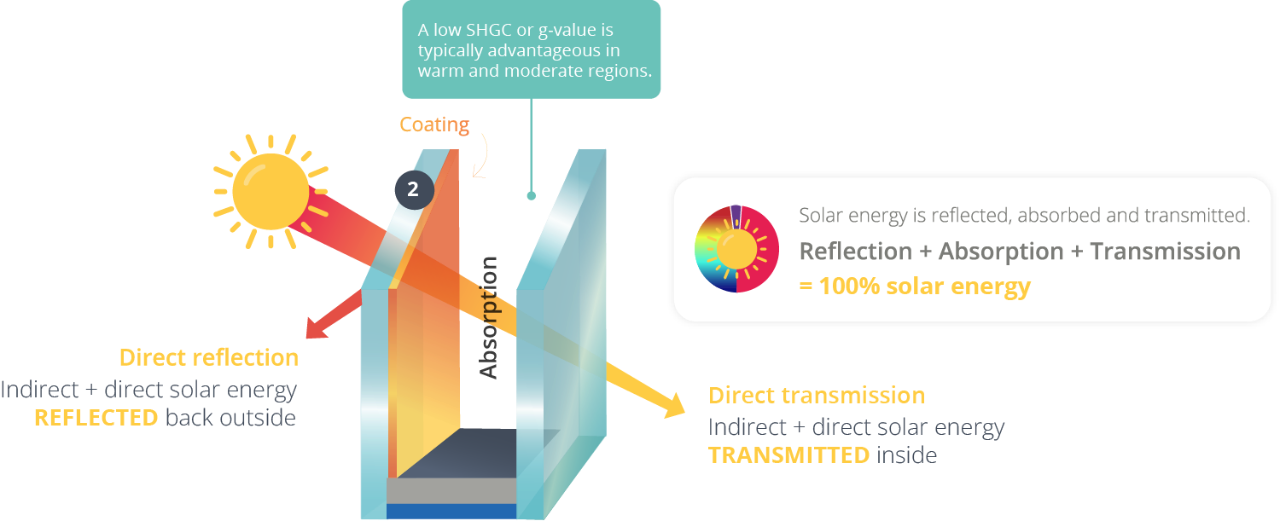
- U-values and SHGC:** Understanding the impact of U-values and Solar Heat Gain Coefficient (SHGC) on energy consumption and comfort is crucial when choosing glazing materials.
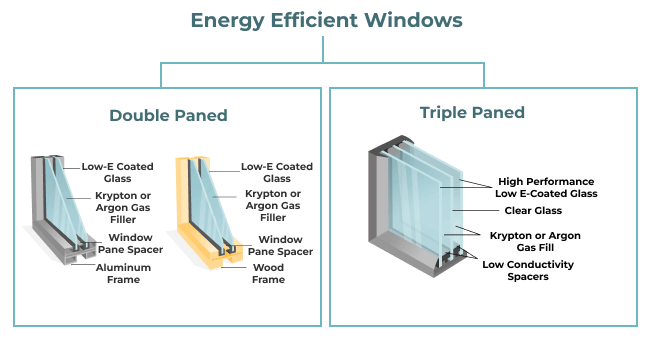
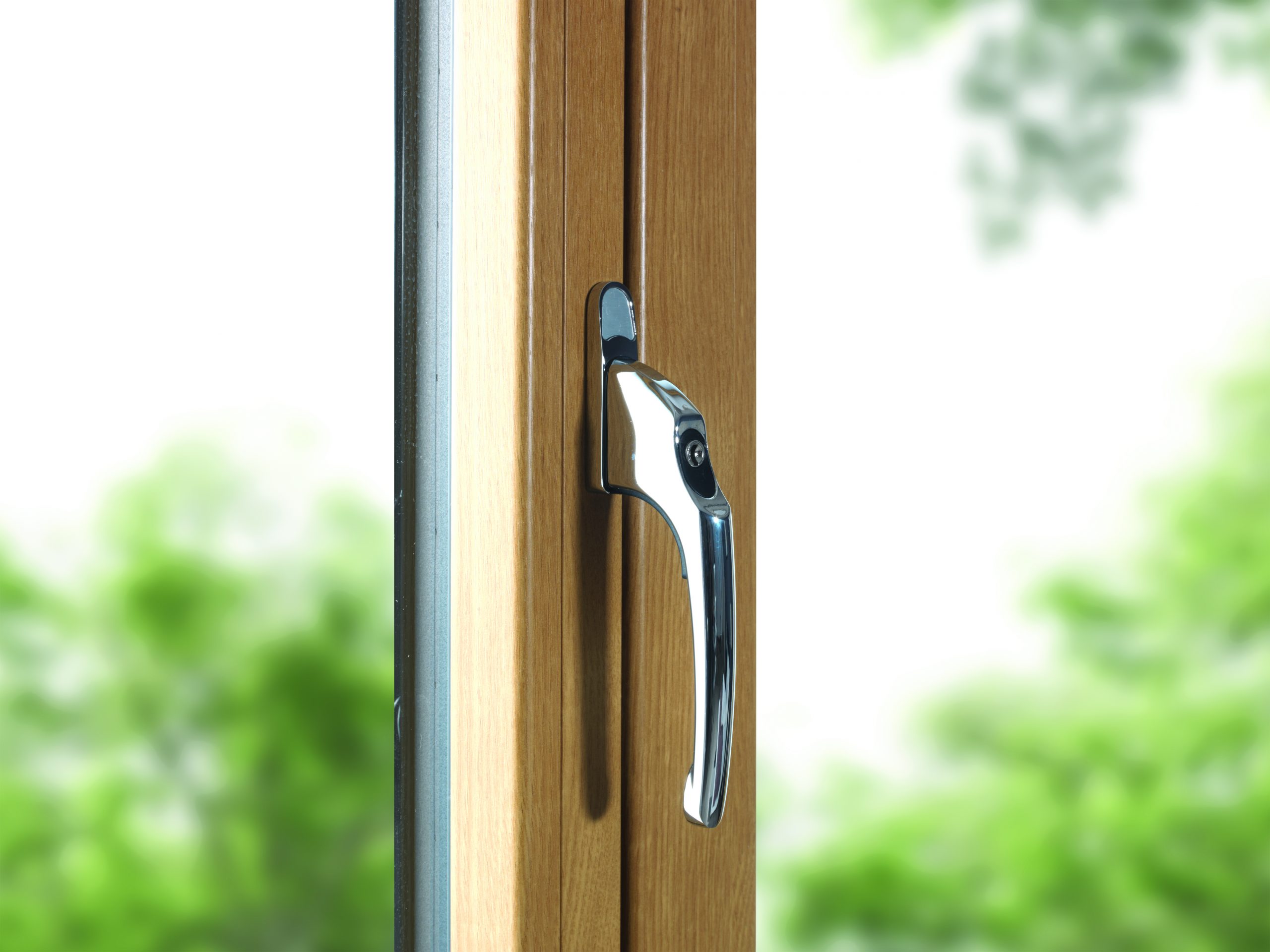
- Frame Materials:** The type of frame material used, such as aluminum, wood, or vinyl, affects the durability, maintenance needs, and aesthetic appeal of the window.
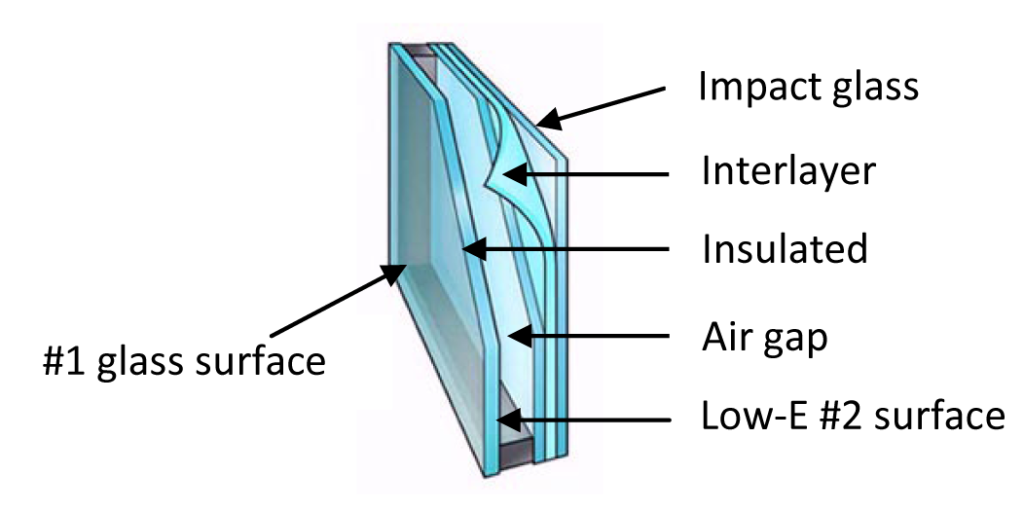
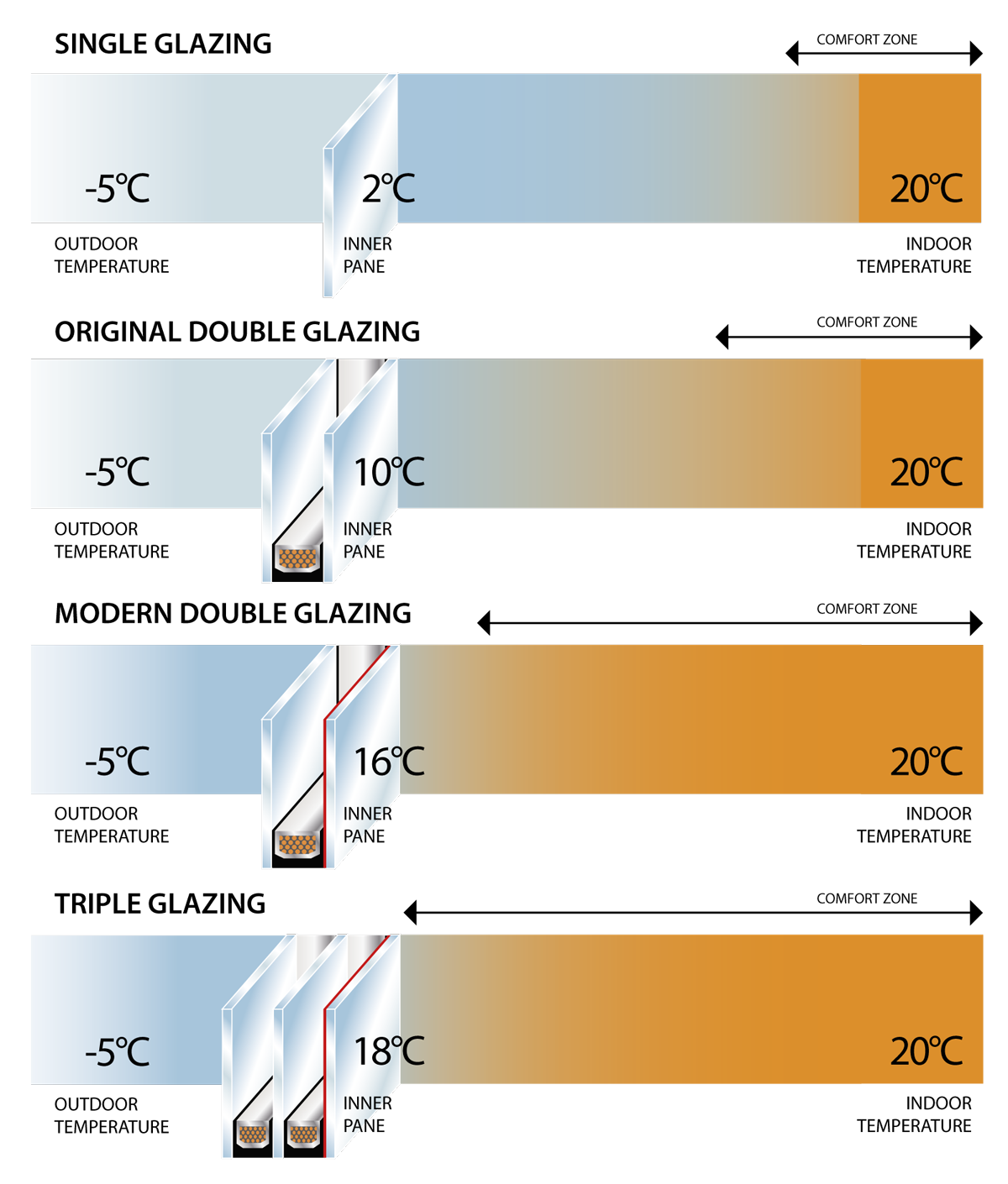
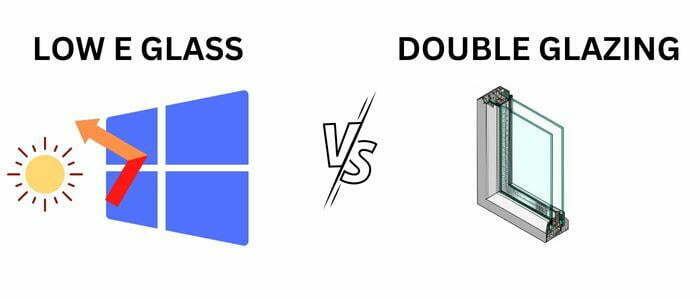
- Glazing Type:** Single, double, or triple glazing, as well as low-E glass, tinted glass, and gas fills, each offer unique benefits for energy efficiency.
- Gas Fills:** The type and amount of gas fill used within the glazing unit can impact energy efficiency and performances.
Emerging Trends in Energy Efficient Glazing
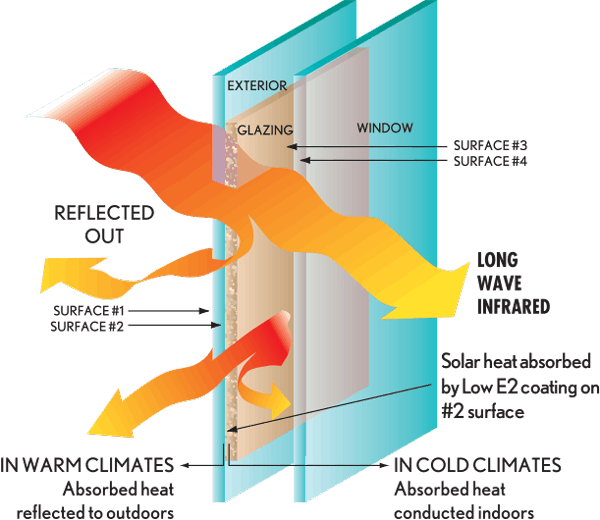
The future of daylighting is brimming with innovative technologies that promise to further enhance natural light utilization and energy efficiency. Some of the emerging trends in energy efficient glazing include:
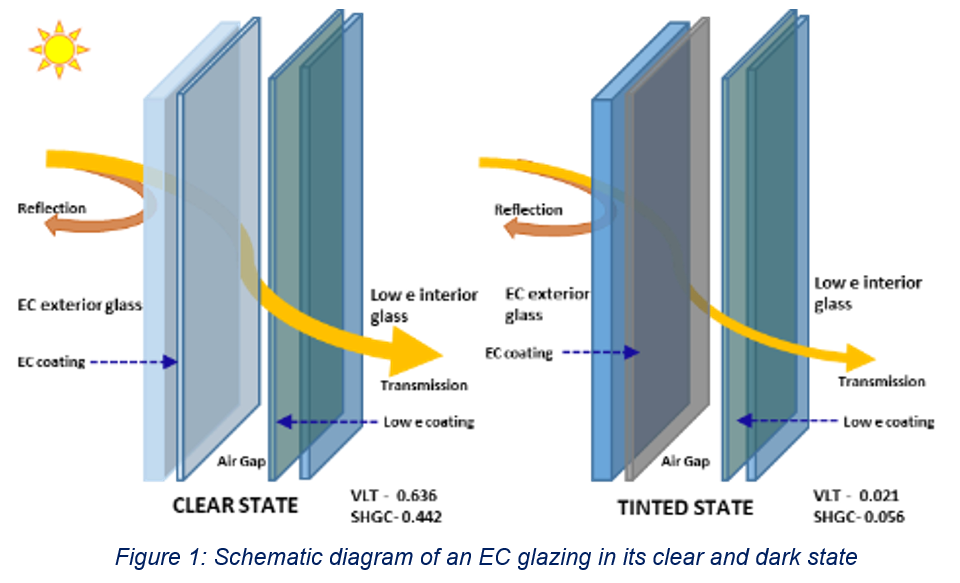
- Smart Glazing Materials:** Electrochromic and thermochromic windows that adjust their tint based on external conditions, optimizing daylight penetration while controlling heat gain.
- Triple Glazing:** Becoming the standard for projects in cold climates, triple glazing offers improved thermal performance and energy efficiency.
- Vacuum Insulated Glazing (VIG):** A innovative approach to energy efficient building design, employing a vacuum layer between glass panes to significantly reduce heat transfer.
How Energy Efficient Glazing Enhances Comfort, Saves Energy, and Boosts Home Value
Energy efficient glazing offers numerous benefits, including:
- Improved comfort and reduced energy costs
- Increased home value and resale potential
- Enhanced natural light utilization and daylighting
- Reduced greenhouse gas emissions and environmental impact
Conclusion
As we move forward in our quest for sustainability and energy efficiency, energy efficient glazing materials will play an increasingly important role in building design. By understanding the various options and innovations available, architects, builders, and homeowners can make informed decisions that benefit both the environment and their bottom line.