GLP-1 and Embryonic Abnormal Development
The Role of GLP-1 in Pregnancy and Fetal Development
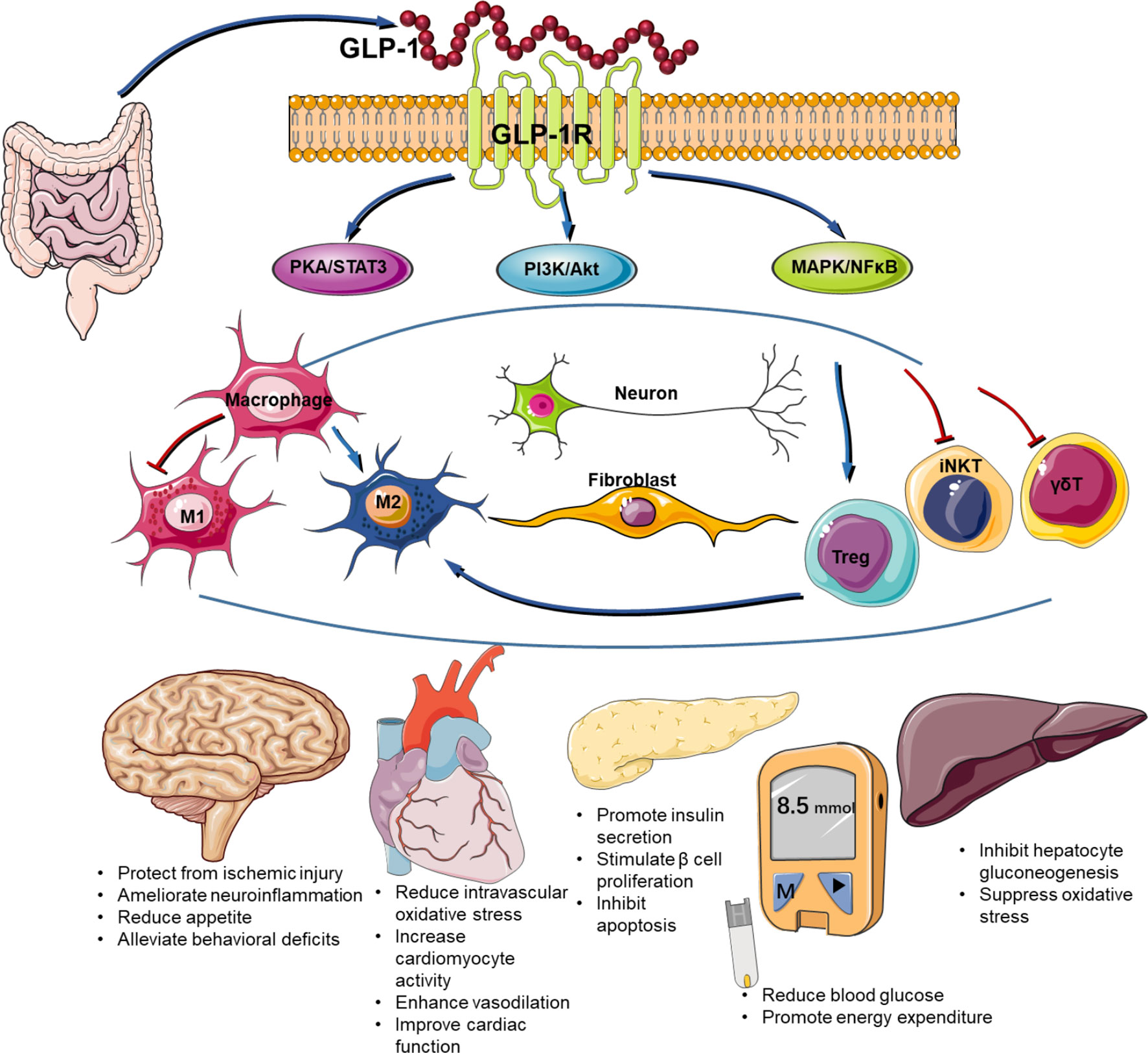
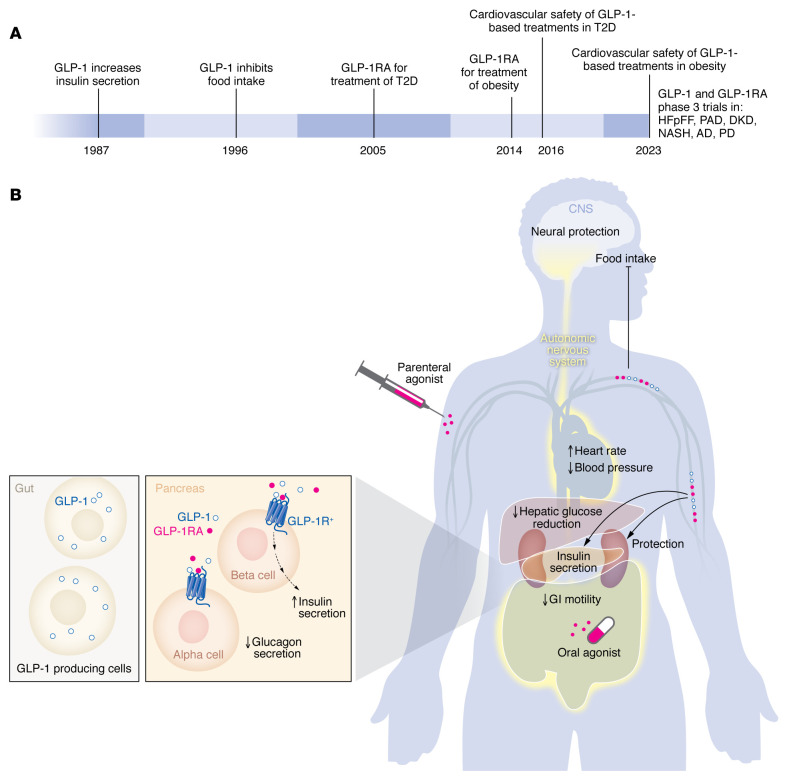
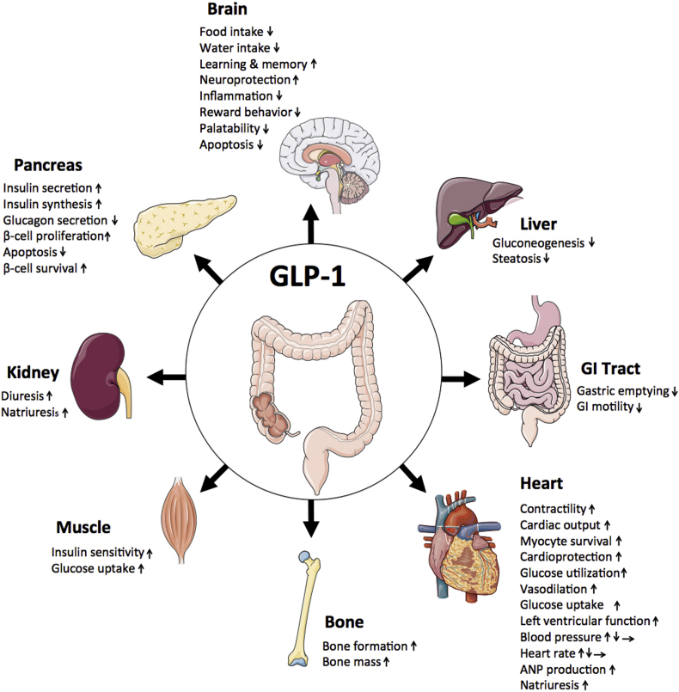
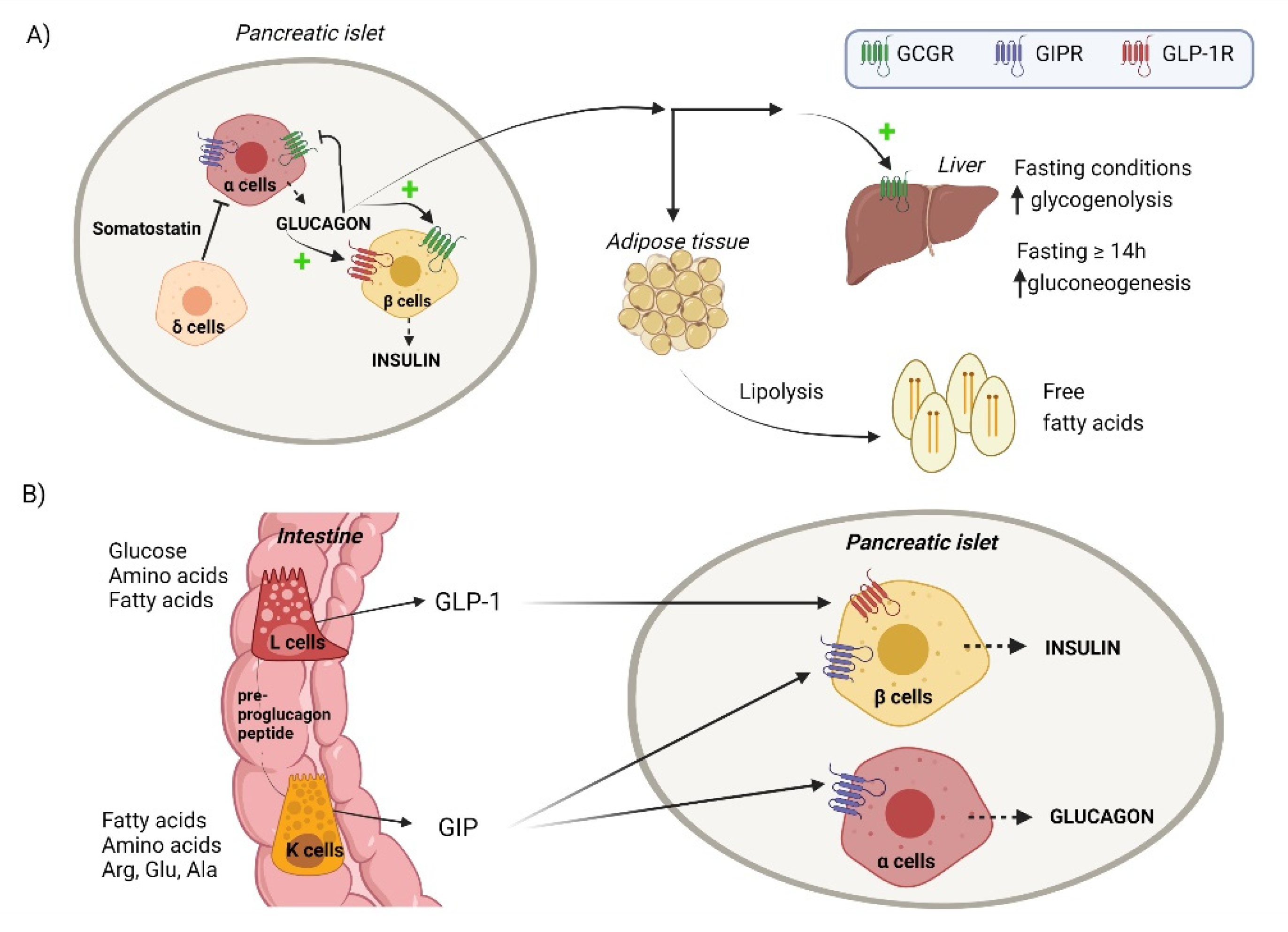
GLP-1, or glucagon-like peptide-1, is a hormone that plays a crucial role in glucose metabolism and insulin secretion. Recent studies have suggested that GLP-1 receptor agonists, which mimic the effects of GLP-1, may have adverse effects on embryonic development in animal studies. This has raised concerns about the safety of GLP-1 receptor agonists during pregnancy.Studies on Animal Models
In some studies examining small animals exposed to GLP-1 receptor agonists in pregnancy, there has been evidence of adverse outcomes in the offspring, including decreased fetal growth, skeletal and visceral anomalies, and embryonic death. These findings underscore the crucial role of modulating circulating GLP-1 levels in maternal adaptation, emphasizing the inhibitory effects of excessive GLP-1 receptor activation on both placental development and fetal growth.Human Studies and Epidemiology
Although there are no prospective studies in humans, case reports, cohort studies, and population-based studies have not shown a pattern of adverse fetal outcomes associated with GLP-1 receptor agonist use during pregnancy. However, recent studies have suggested that GLP-1 receptor agonists may affect fetal weight, growth, and skeletal ossification in animal models.GLP-1 and Fetal Development