GLP-1 and Nutrition Advice for Diabetes: A Comprehensive Guide
If you're living with diabetes, you're likely familiar with the term GLP-1 (Glucagon-Like Peptide-1) agonists. These medications have revolutionized the treatment of type 2 diabetes, helping to regulate blood sugar levels, promote weight loss, and reduce appetite. However, when used in conjunction with a balanced diet, GLP-1 therapy can be even more effective. In this article, we'll delve into the world of GLP-1 and nutrition advice for diabetes, providing you with the information you need to maximize the benefits of your treatment.
What are GLP-1 Receptor Agonists?
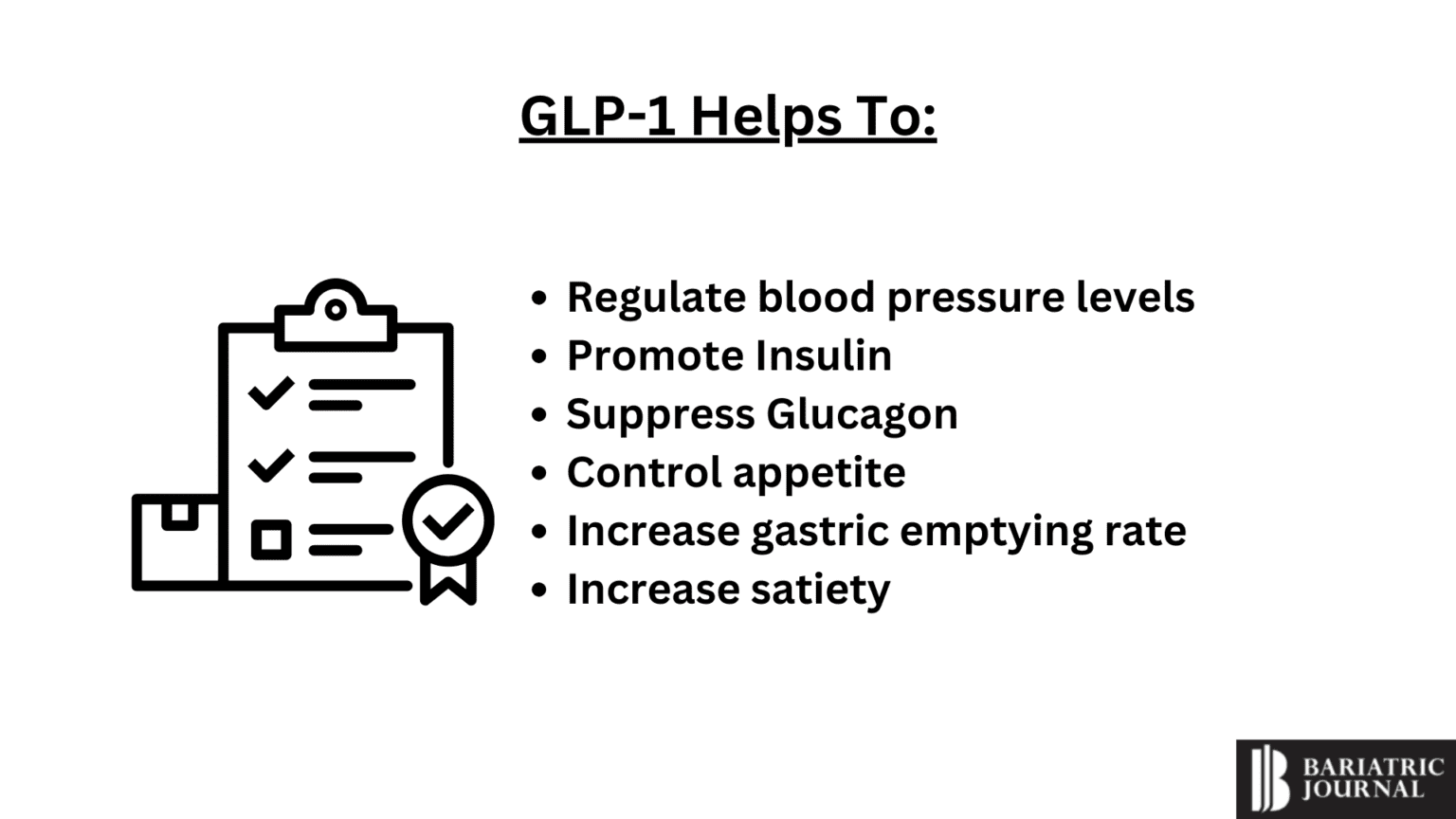
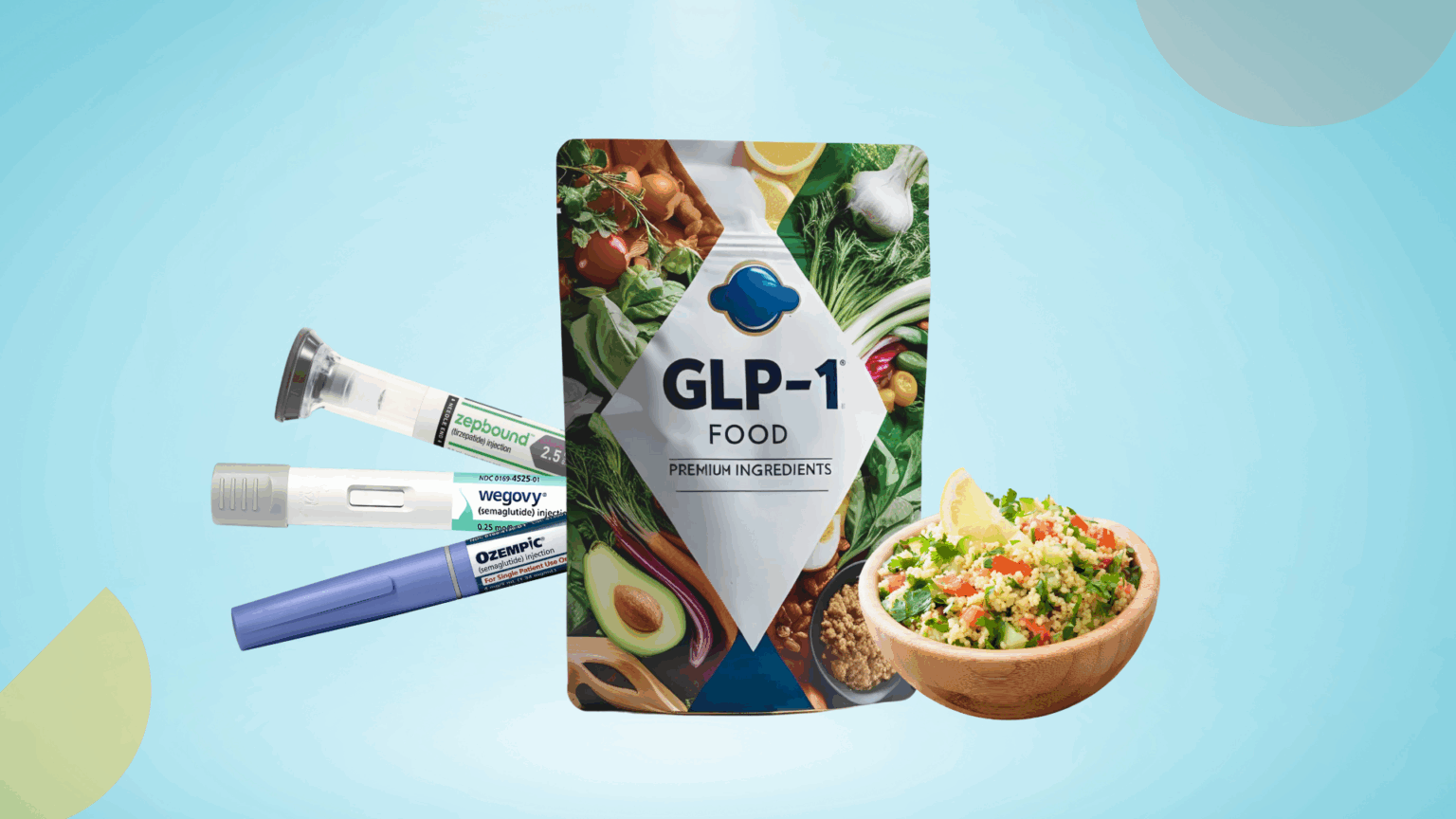
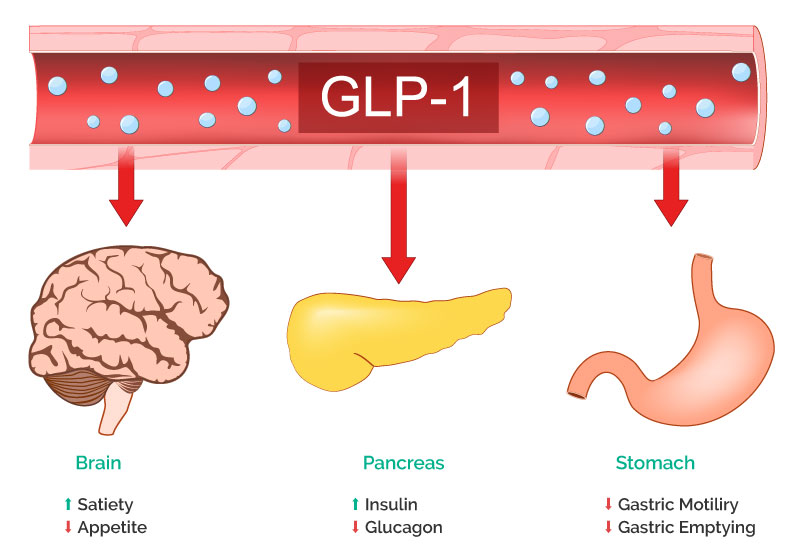
GLP-1 receptor agonists, such as Zepbound, semaglutide (Ozempic, Wegovy), and liraglutide (Saxenda), mimic the natural hormone GLP-1, which is produced in the intestines when you eat. This hormone helps to regulate blood sugar levels by stimulating insulin release, suppressing glucagon production, and slowing gastric emptying. By taking GLP-1 receptor agonists, individuals with diabetes can experience improved blood sugar control, weight loss, and a reduced risk of cardiovascular disease.
Why is Nutrition Important with GLP-1 Therapy?
While GLP-1 receptor agonists are effective in regulating blood sugar levels, it's essential to combine them with a healthy, balanced diet to optimize their effectiveness and minimize potential side effects. A nutritious diet can help support weight loss, improve insulin sensitivity, and reduce the risk of complications associated with diabetes. Moreover, a well-planned meal plan can help you manage potential side effects, such as nausea, vomiting, and constipation, that may occur when starting GLP-1 therapy.
Key Principles of a GLP-1 Friendly Diet
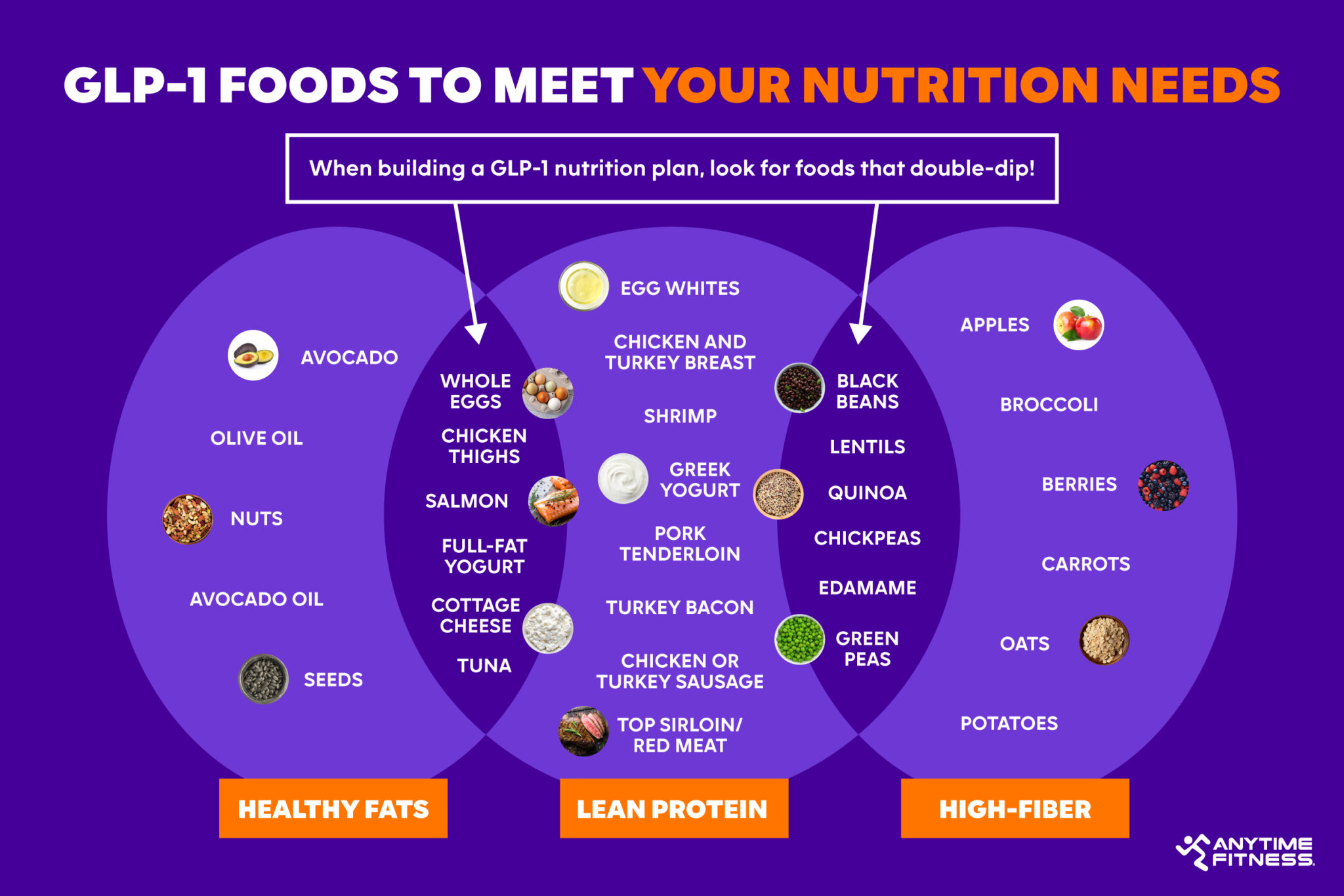
- Emphasize whole, unprocessed foods: Focus on whole grains, fruits, vegetables, lean meats, and healthy fats. These foods are rich in fiber, vitamins, and minerals, which can help support weight loss and improve insulin sensitivity.
- Choose low-carb foods: While GLP-1 receptor agonists can help regulate blood sugar levels, it's still essential to monitor carbohydrate intake. Opt for low-carb foods, such as leafy greens, non-starchy vegetables, and lean proteins, to minimize fluctuations in blood sugar levels.
- Incorporate protein and healthy fats: Protein and healthy fats, such as avocado, nuts, and olive oil, can help slow down gastric emptying, reducing the risk of hypoglycemia and providing sustained energy.
- Drink plenty of water: Stay hydrated by drinking water throughout the day, which can help reduce the risk of dehydration and constipation, common side effects of GLP-1 therapy.
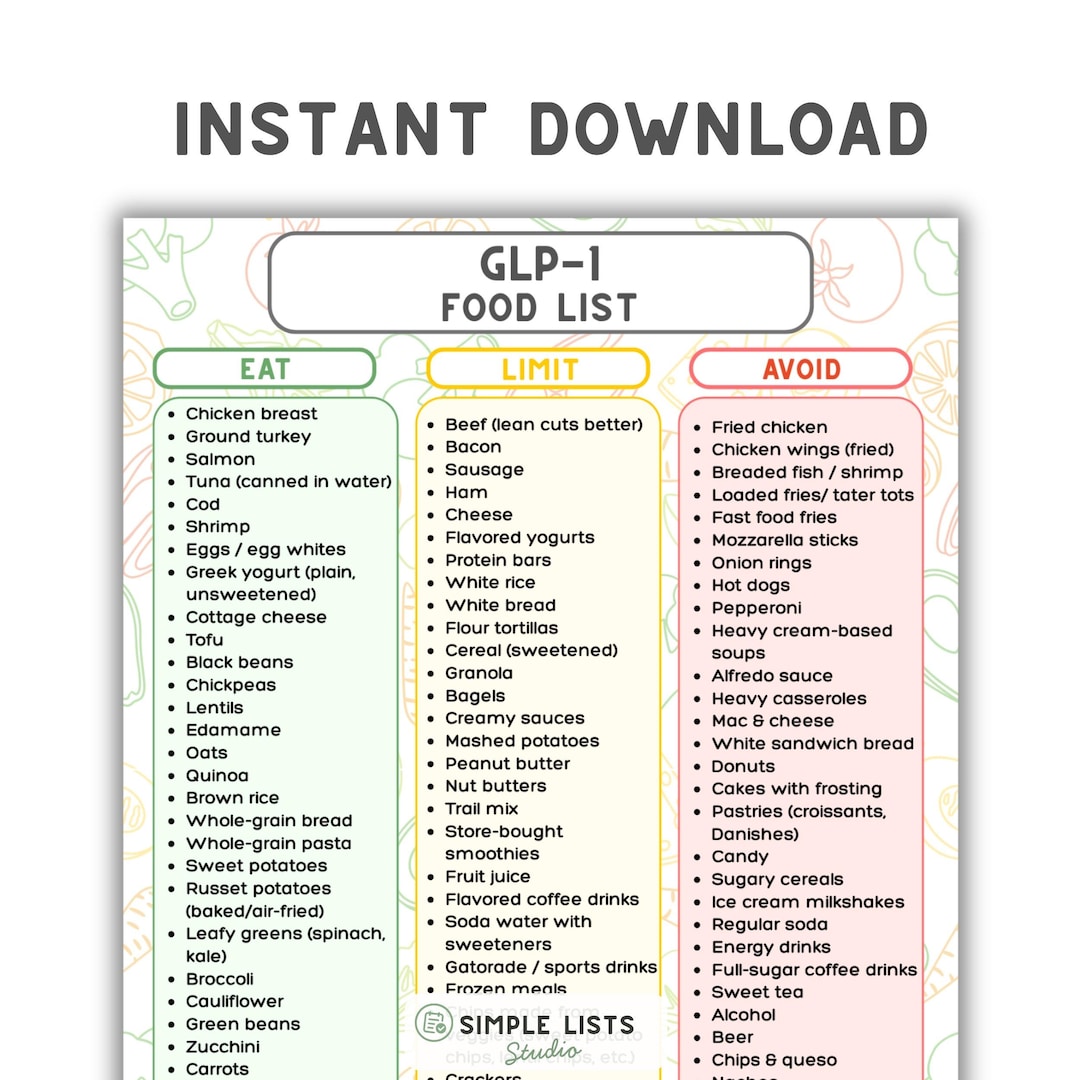
GLP-1 Friendly Foods

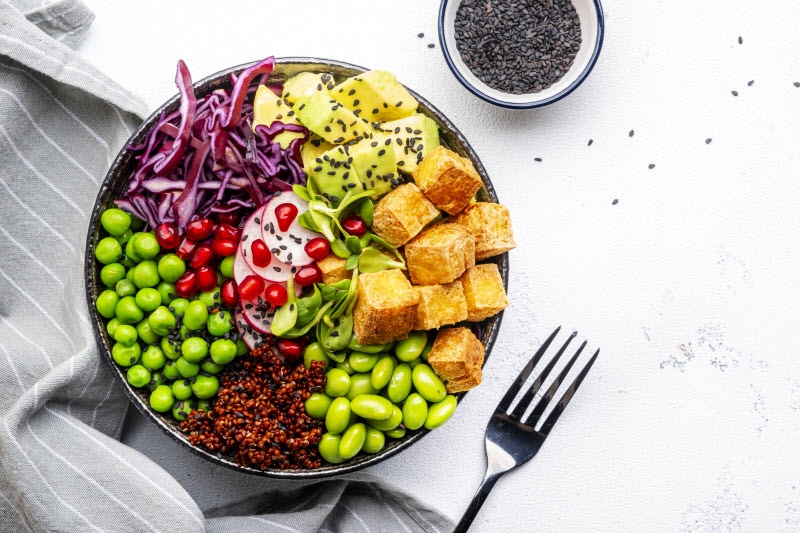
Here are some of the best foods to include in your GLP-1 friendly diet:
- Leafy greens: broccoli, spinach, kale, and other non-starchy vegetables
- Protein-rich foods: chicken, turkey, fish, tofu, and lean beef
- Legumes: lentils, chickpeas, and black beans
- Low-carb fruits: berries, citrus fruits, and avocado
- Healthy fats: olive oil, nuts, and seeds
GLP-1 No-Nos
On the other hand, there are some foods that you should limit or avoid when taking GLP-1 receptor agonists:
- High-carb foods: sugary drinks, white bread, pasta, and starchy vegetables
- Processed meats: hot dogs, sausages, and bacon
- High-fat foods: fried foods, pizza, and burgers
- Alcoholic beverages
Conclusion
GLP-1 therapy is a powerful tool in managing diabetes, but its effectiveness can be maximized when combined with a balanced diet and a healthy lifestyle. By following the principles outlined in this article, you can create a personalized meal plan that supports your therapeutic goals and minimizes the risk of side effects. Remember, it's essential to consult with your healthcare provider before making any significant changes to your diet or treatment plan.
Remember, GLP-1 and nutrition advice for diabetes is not one-size-fits-all. Be sure to talk to your healthcare team to determine the best course of treatment and nutrition plan for your specific needs.