Overcoming Weight Loss Plateaus with GLP-1: Strategies for Success
Are you experiencing a weight loss plateau while on GLP-1 therapy? You're not alone. Many patients face this challenge, but understanding the reasons behind it and implementing effective strategies can help you overcome the hurdle and achieve your weight loss goals.What is a Weight Loss Plateau?
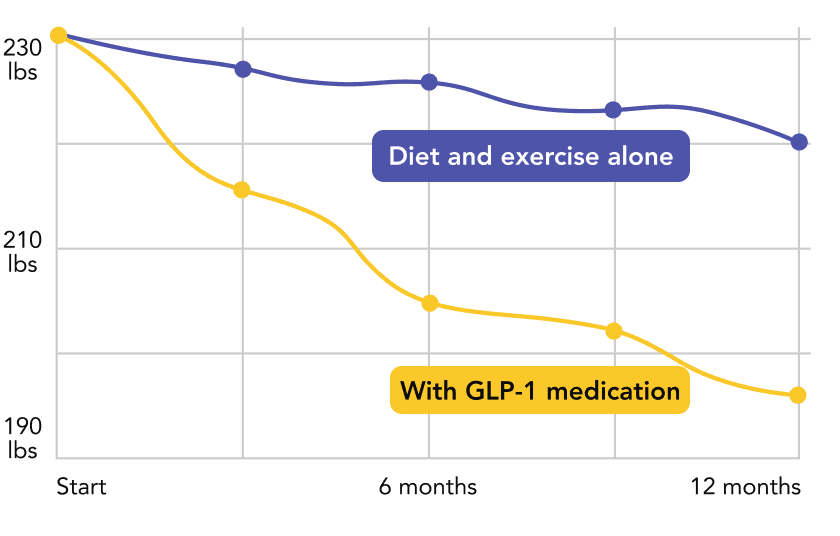
A weight loss plateau occurs when the rate of weight loss slows down or stops, despite maintaining a consistent treatment plan and healthy habits. This natural phase is often caused by the body's adaptation to reduced calorie intake and lower body mass. As metabolic efficiency increases, the body conserves energy by slowing down its metabolism, making it more challenging to lose weight.Why Do Weight Loss Plateaus Happen on GLP-1 Therapy?
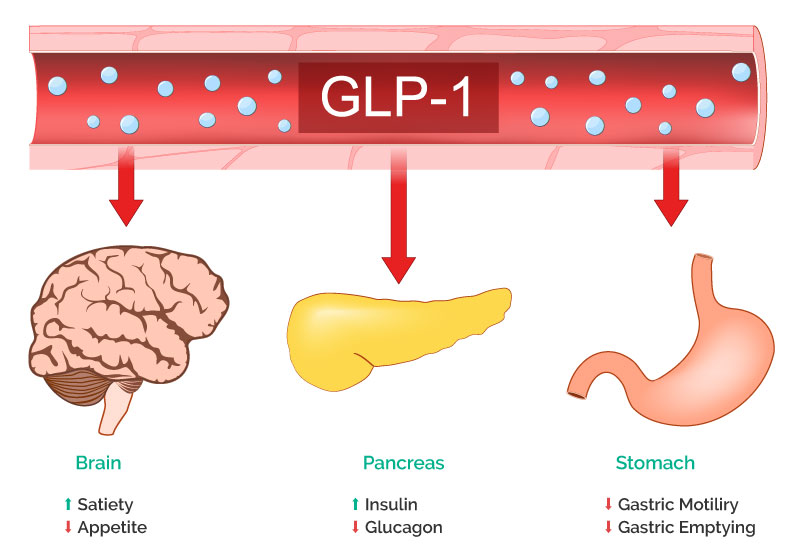
GLP-1 medications, such as semaglutide and tirzepatide, work by mimicking the natural hormone glucagon-like peptide-1 (GLP-1) to regulate blood sugar levels and promote weight loss. However, as the body adapts to the medication, it can lead to a weight loss plateau. This is often due to: * Reduced calorie intake: As you lose weight, your body requires fewer calories to function, leading to a decrease in metabolism. * Increased insulin sensitivity: GLP-1 medications improve insulin sensitivity, making it easier for glucose to enter cells, which can slow down weight loss. * Hormonal changes: Changes in hormone levels, such as a decrease in leptin, can affect hunger and satiety, leading to overeating and weight gain.Strategies to Overcome Weight Loss Plateaus on GLP-1 Therapy
While weight loss plateaus can be frustrating, there are several strategies to help you overcome them: *1. Reassess Your Diet
- Keep a food diary to track your eating habits and identify patterns.
- Focus on whole, nutrient-dense foods, such as fruits, vegetables, lean proteins, and whole grains.
- Avoid processed and high-calorie foods that can hinder weight loss.
2. Increase Physical Activity
- Gradually increase your exercise intensity and duration to boost metabolism.
- Incorporate high-intensity interval training (HIIT) to improve insulin sensitivity and burn fat.
- Find activities you enjoy, such as walking, swimming, or cycling, to make exercise a sustainable habit.

3. Get Enough Sleep
- Aim for 7-9 hours of sleep per night to regulate hunger hormones and support weight loss.
- Establish a relaxing bedtime routine to improve sleep quality.
4. Manage Stress
- Engage in stress-reducing activities, such as meditation, yoga, or deep breathing exercises.
- Set realistic goals and prioritize self-care to reduce stress levels.
5. Consider Supplements
- Protein powder: Supports muscle growth and maintenance, which can help boost metabolism.
- Green tea extract: Enhances fat burning and improves insulin sensitivity.
- Probiotics: Supports gut health, which is linked to weight regulation and metabolism.