GLP-1 Receptor Agonist Usage Guidelines: A Comprehensive Review
GLP-1 receptor agonists have revolutionized the treatment of metabolic diseases, including type 2 diabetes, obesity, and obesity-related cardiovascular diseases. These medications work by mimicking the action of the naturally occurring hormone glucagon-like peptide-1 (GLP-1), which plays a crucial role in regulating blood sugar levels, appetite, and weight.
GLP-1 Receptor Agonist Mechanism of Action
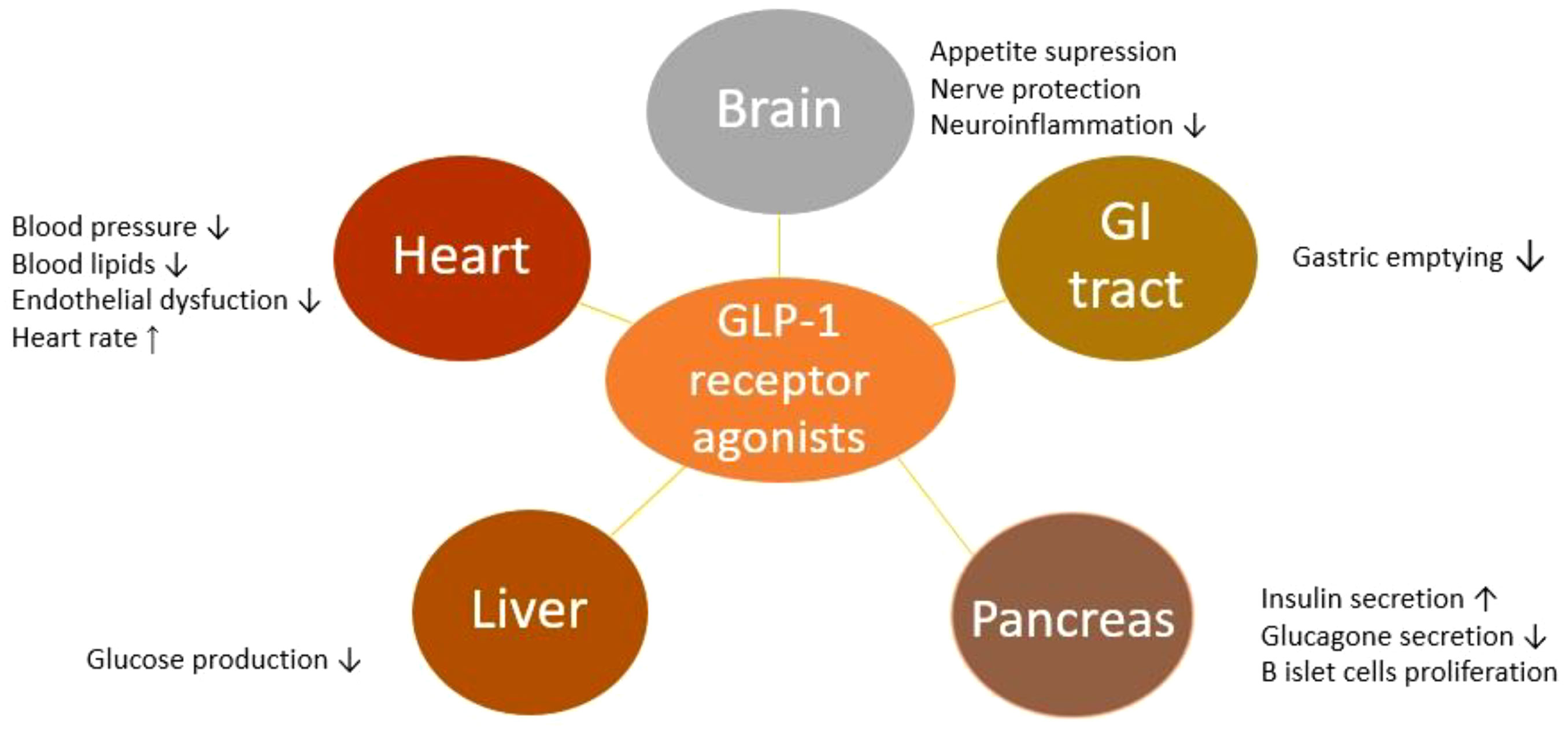
Glucagon-like peptide-1 receptor agonists act on the GLP-1 receptors in various organs, including the pancreas, brain, heart, and gut, to produce several beneficial effects, including:
- Increasing insulin secretion when blood glucose levels are high
- Reducing hepatic glucagon secretion
- Slowing gastric emptying to control postprandial glucose spikes
- Increasing satiety and reducing appetite
- Regulating blood glucose levels
GLP-1 Receptor Agonist Usage Guidelines: Recommendations for Type 2 Diabetes
Current guidelines recommend the use of GLP-1 receptor agonists as an adjunct to lifestyle modifications and other medications to manage blood sugar levels in patients with type 2 diabetes. The American Diabetes Association (ADA) and the European Association for the Study of Diabetes (EASD) have jointly recommended the use of GLP-1 receptor agonists for patients with type 2 diabetes, especially those with a high cardiovascular risk.
GLP-1 Receptor Agonist Usage Guidelines for Cardiovascular Disease Prevention
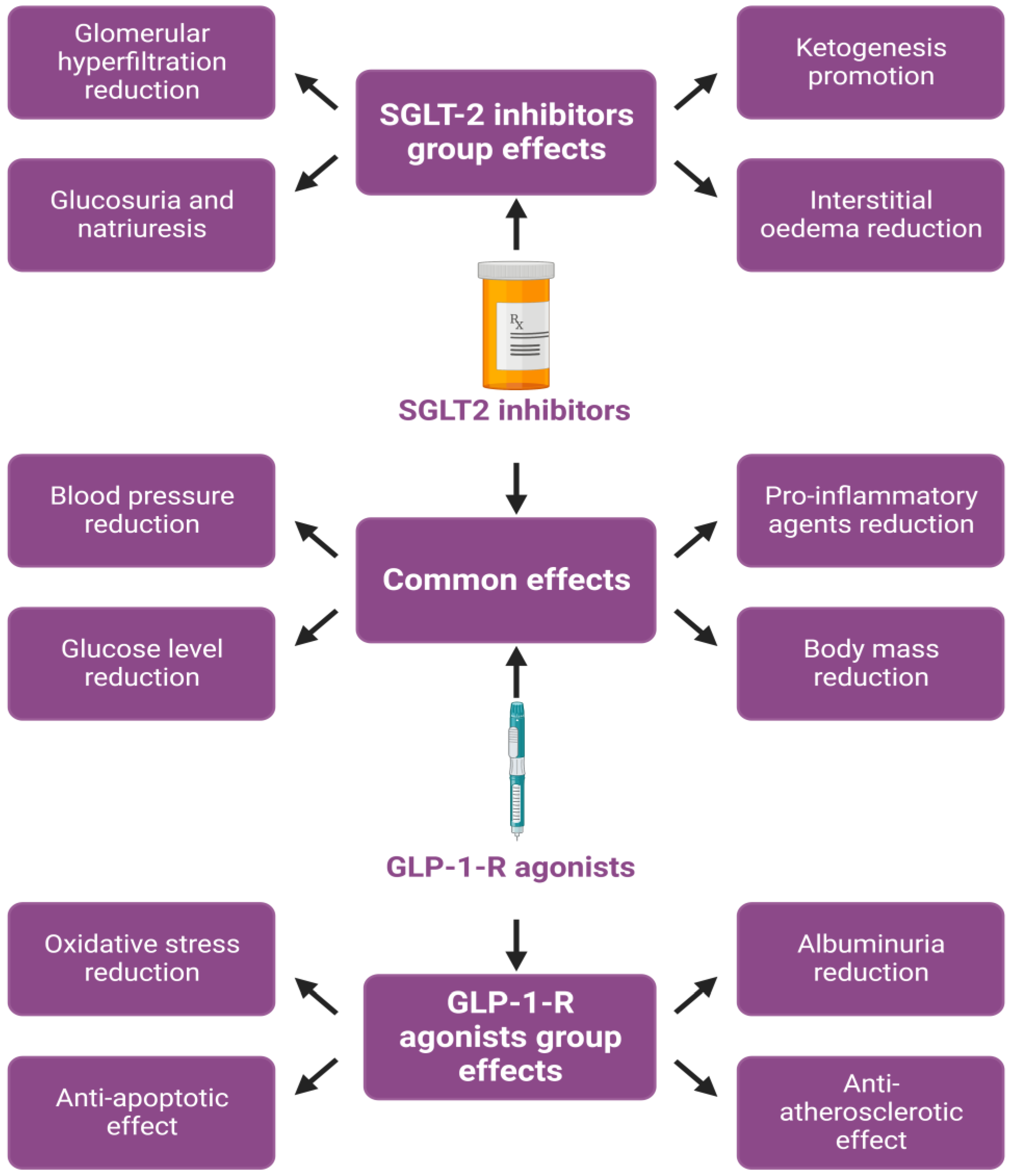
Recent studies have shown that GLP-1 receptor agonists can reduce the risk of major adverse cardiovascular events in patients with diabetes. The American Heart Association and the American Stroke Association have recommended the use of GLP-1 receptor agonists for primary prevention of stroke in patients with diabetes and elevated risk of atherosclerotic cardiovascular disease (ASCVD).
GLP-1 Receptor Agonist Usage Guidelines for Obesity
GLP-1 receptor agonists have also been shown to promote weight loss, particularly in patients with a body mass index (BMI) of 30 or higher. The Food and Drug Administration (FDA) has approved several GLP-1 receptor agonists for weight loss, including semaglutide (Wegovy) and tirzepatide (Zepbound).

GLP-1 Receptor Agonist Usage Guidelines in Special Populations
GLP-1 receptor agonists are generally safe for most patients, but certain populations may require special considerations. Patients with a history of pancreatitis, gallbladder disease, or thyroid cancer should use GLP-1 receptor agonists with caution. Additionally, pregnant or breastfeeding women should not use GLP-1 receptor agonists without consulting their healthcare provider.
GLP-1 Receptor Agonist Dosage and Administration
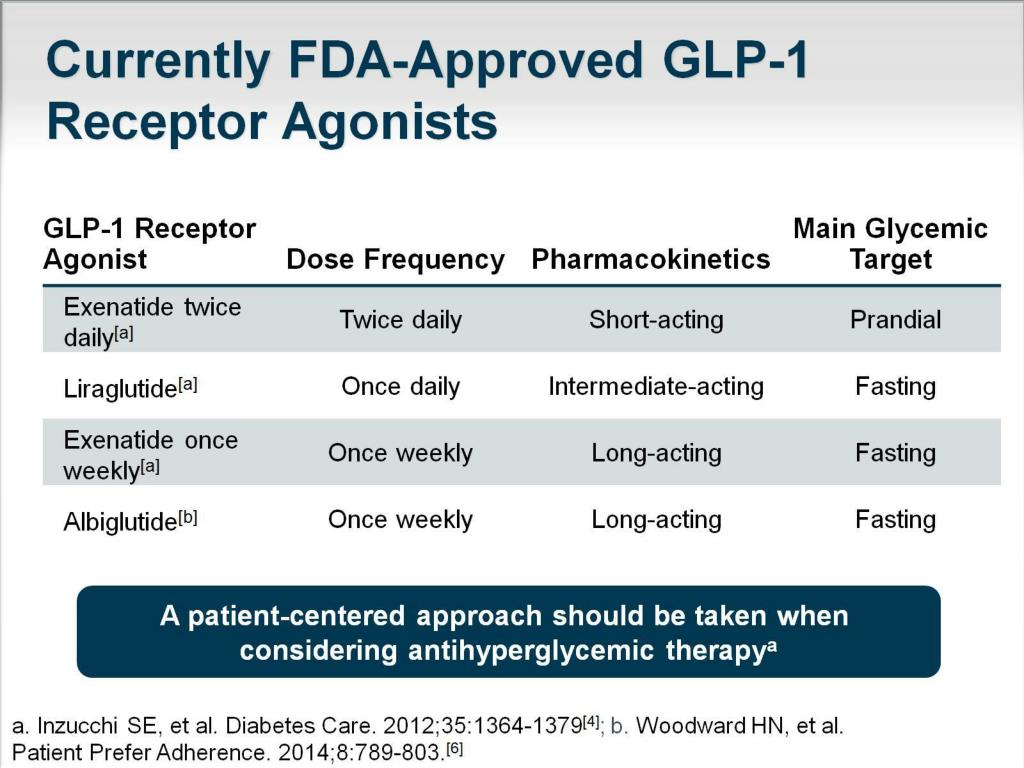
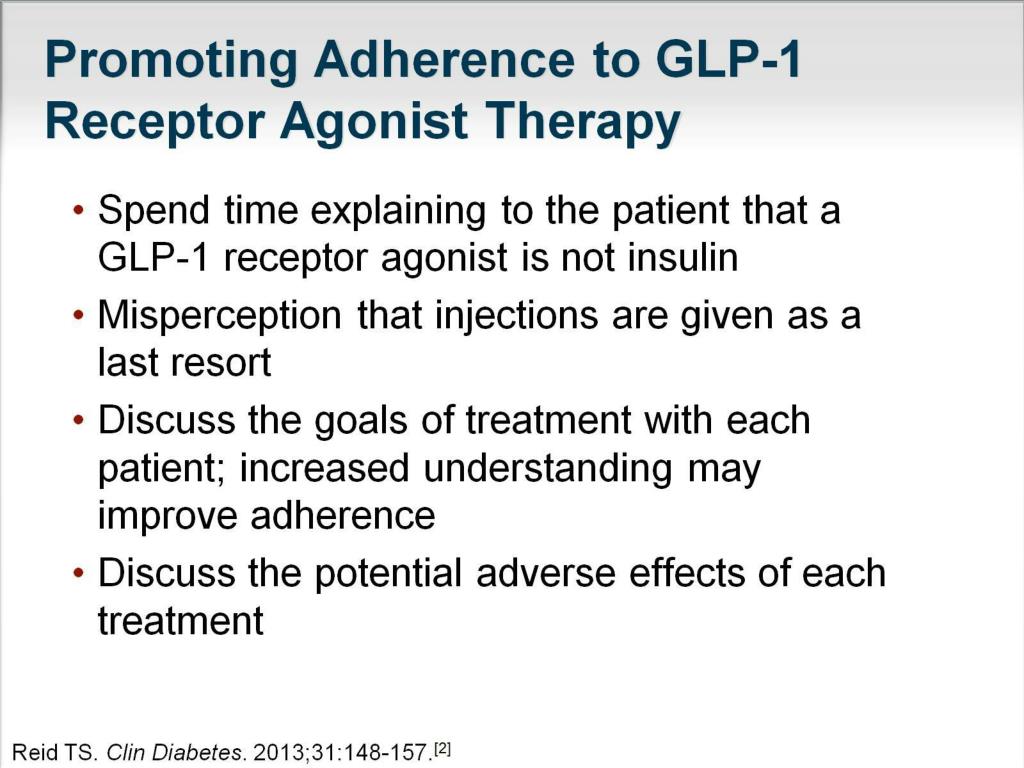
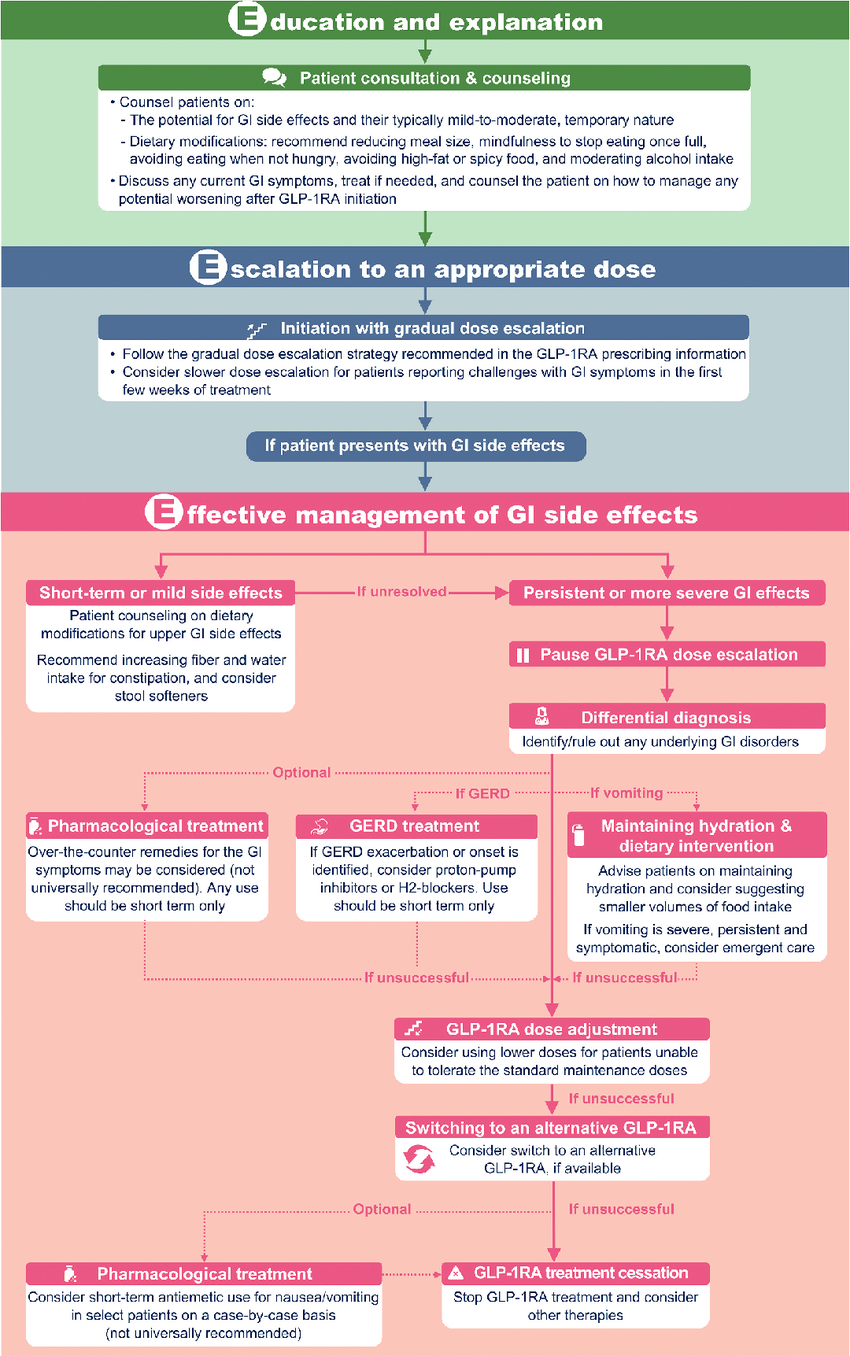
The dosage and administration of GLP-1 receptor agonists may vary depending on the specific medication and the patient's medical history. It is essential to follow the recommended dosing schedule and titrate the dose as needed to minimize side effects and optimize efficacy.
Common Side Effects of GLP-1 Receptor Agonists
Common side effects of GLP-1 receptor agonists include nausea, vomiting, diarrhea, and injection-site reactions. Some patients may also experience more serious side effects, such as pancreatitis, thyroid C-cell tumors, and increased risk of osteoporosis.
Conclusion
GLP-1 receptor agonists have revolutionized the treatment of metabolic diseases, including type 2 diabetes, obesity, and obesity-related cardiovascular diseases. By understanding the GLP-1 receptor agonist usage guidelines, healthcare providers can optimize the use of these medications to improve patient outcomes and reduce the risk of adverse effects.
Future Directions
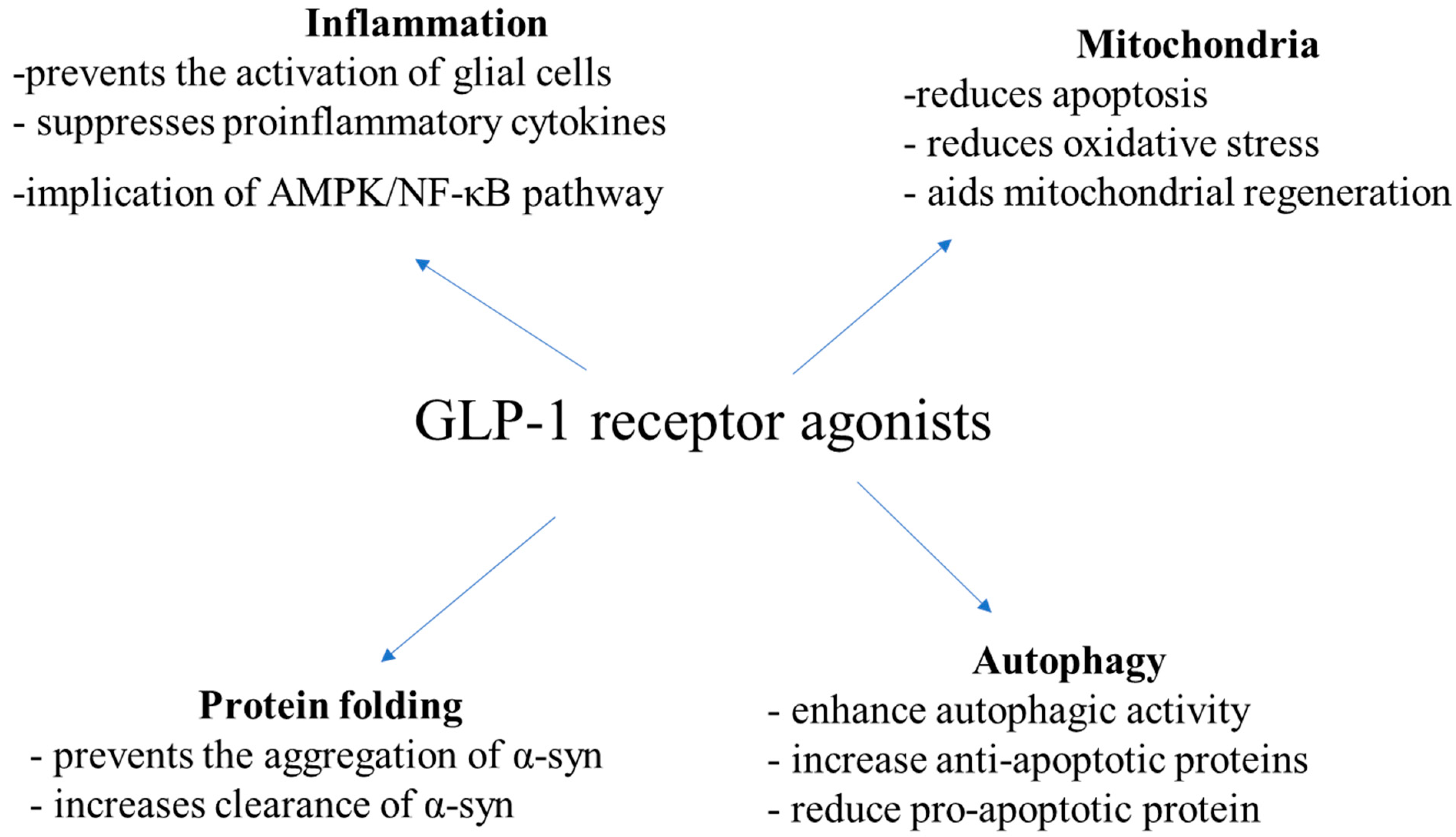
Future research should focus on the long-term effects of GLP-1 receptor agonists, their role in primary prevention of cardiovascular disease, and their potential anti-inflammatory properties. Additionally, studies are needed to better understand the effects of GLP-1 receptor agonists on mental health, cognition, and quality of life.