Oxidative Stress and GLP-1: Understanding the Relationship
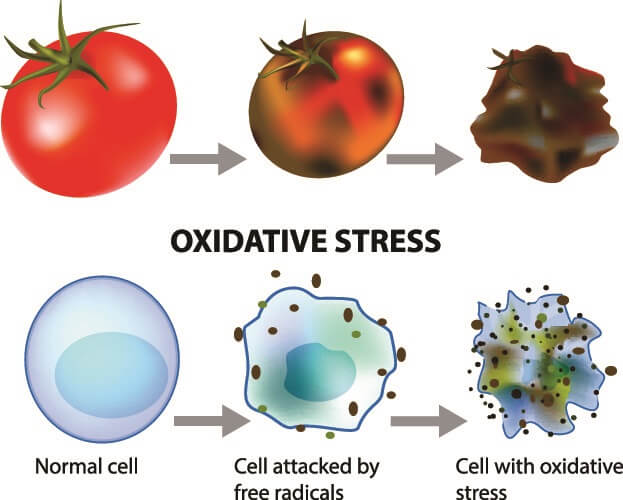
Oxidative stress is a condition characterized by an imbalance between free radicals and antioxidants in the body, leading to cellular damage and various health issues. Glucagon-like peptide-1 (GLP-1) is a hormone that plays a crucial role in glucose metabolism and has been shown to influence oxidative stress. In this article, we will delve into the relationship between oxidative stress and GLP-1, exploring its effects on the body and potential therapeutic applications.
GLP-1 and Oxidative Stress
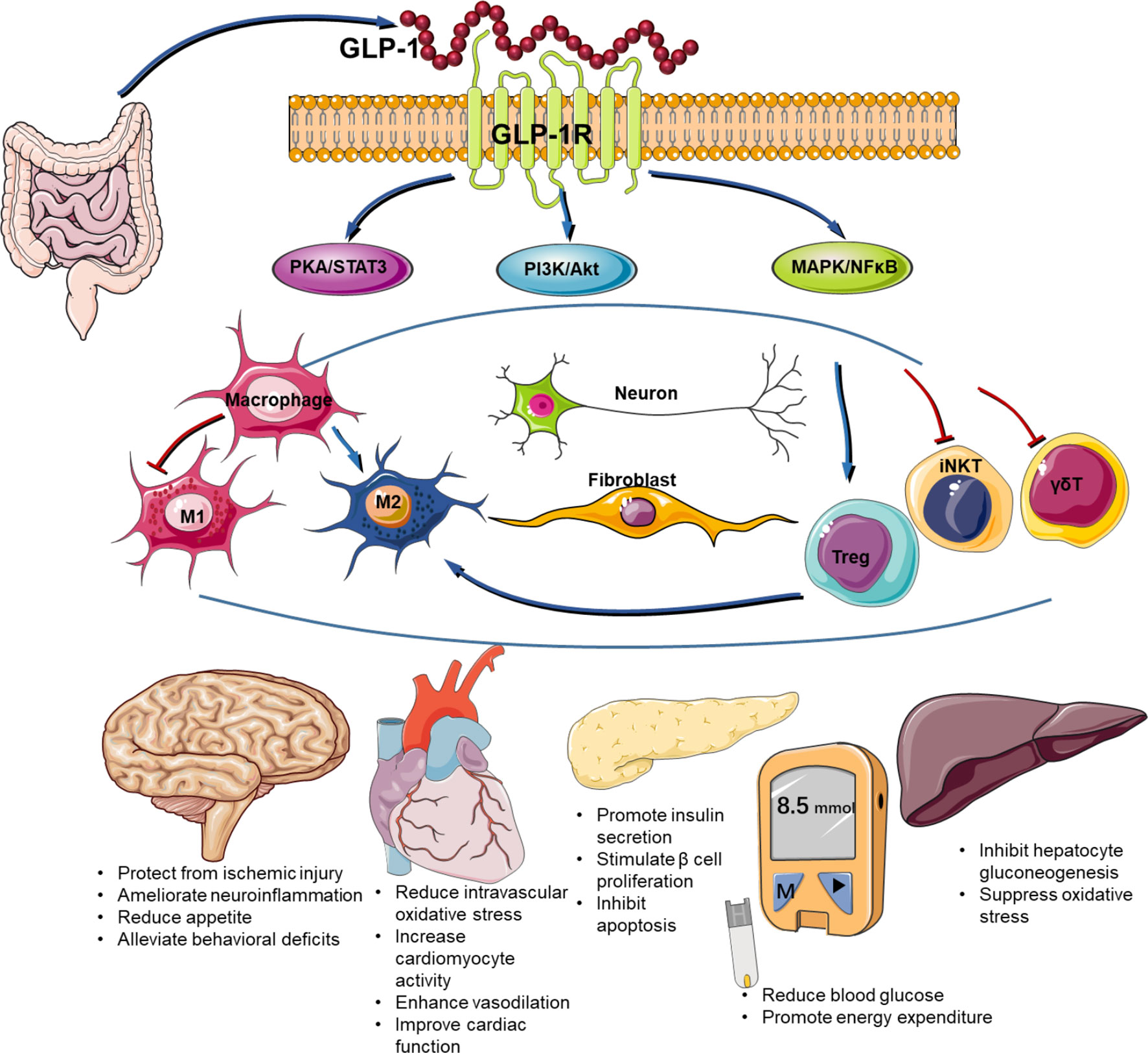
GLP-1 is an incretin hormone produced by the intestines in response to food intake. It plays a key role in glucose metabolism, promoting insulin secretion and reducing glucagon levels. GLP-1 has also been shown to have anti-inflammatory and antioxidant effects, mitigating oxidative stress and improving insulin sensitivity.
The Role of GLP-1 in Reducing Oxidative Stress
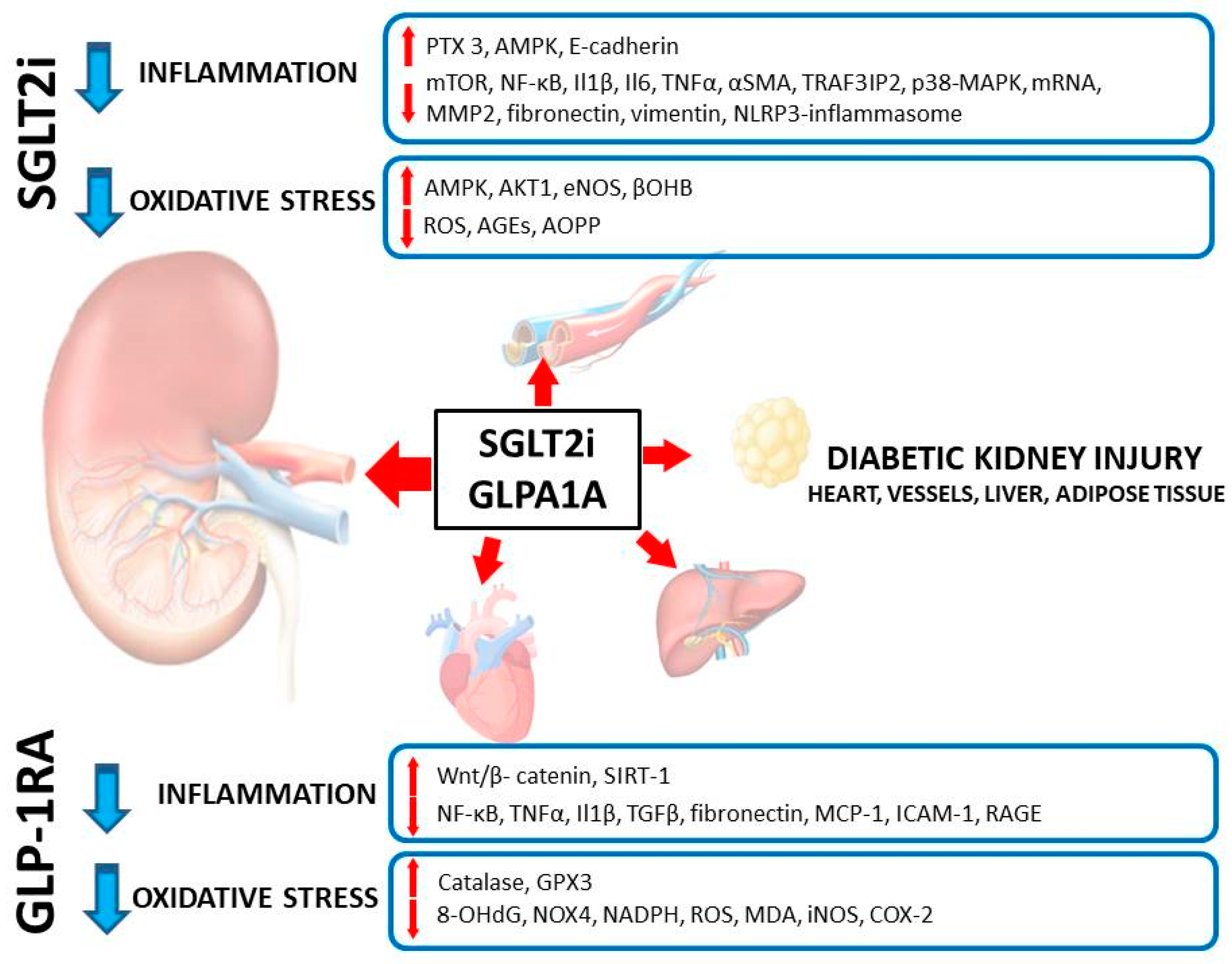
Studies have demonstrated that GLP-1 receptor agonists (GLP-1RAs) and sodium-glucose cotransporter-2 inhibitors (SGLT2Is) can reduce oxidative stress biomarkers in adults with type 2 diabetes mellitus (T2DM). A meta-analysis of randomized controlled trials found that GLP-1RAs and SGLT2Is decreased oxidative stress biomarkers, suggesting a potential therapeutic benefit for GLP-1 in reducing oxidative stress.
GLP-1 and Mitochondrial Function
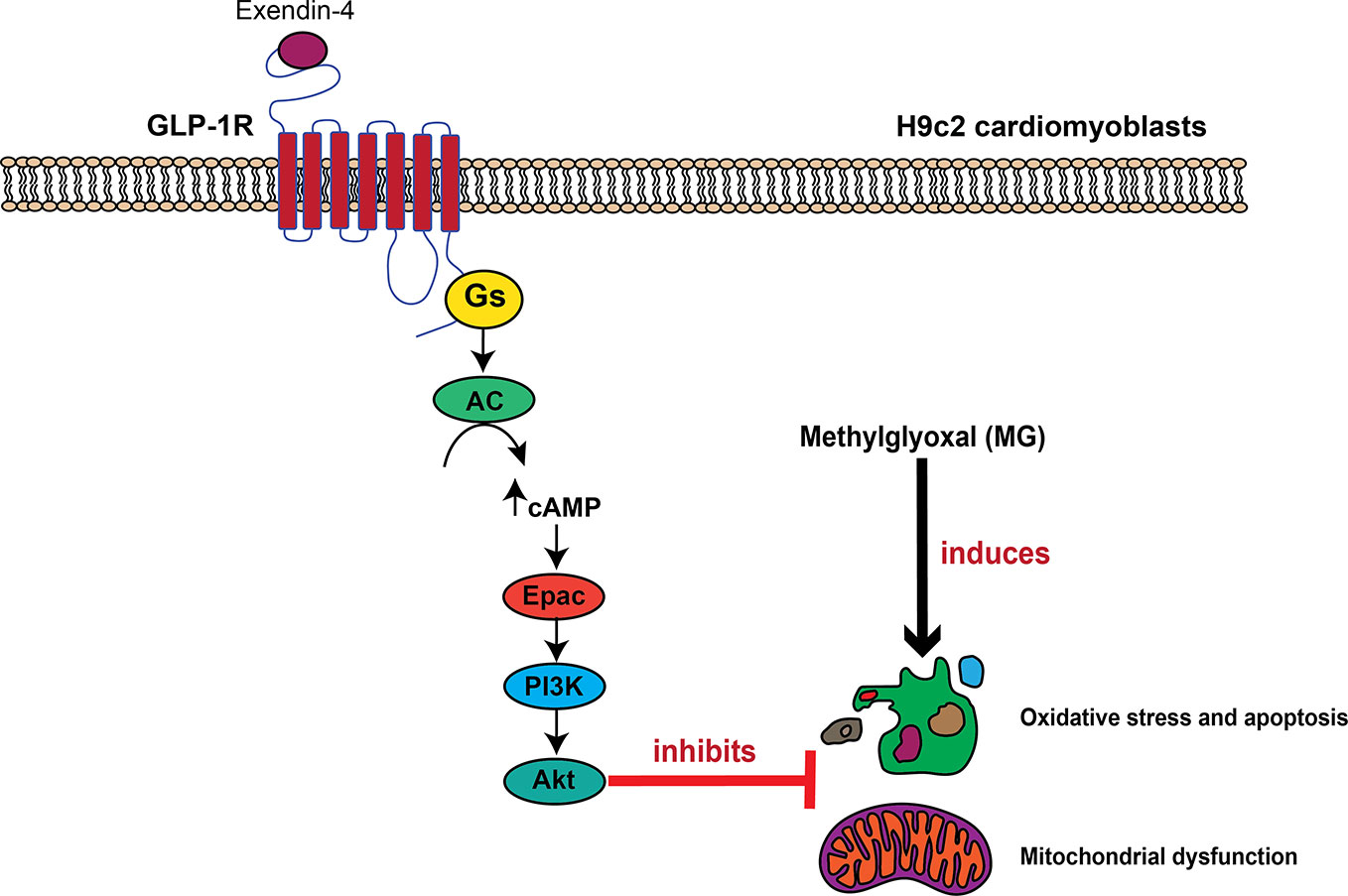
GLP-1 has been shown to improve mitochondrial function, reducing oxidative stress and attenuating chronic inflammation. Additionally, GLP-1 modulates nutrient-sensing pathways and metabolic processes, improving cellular resilience. These effects suggest that GLP-1 may play a crucial role in maintaining mitochondrial function and reducing oxidative stress.
GLP-1 and Cardiovascular Health

GLP-1 has been associated with cardiovascular benefits, including improved blood flow and reduced inflammation. GLP-1 receptor agonists have been shown to reduce cardiovascular events in diverse populations, with no statistically significant difference between high and low doses. This suggests that GLP-1 may play a critical role in reducing cardiovascular risk factors.
Therapeutic Applications of GLP-1 in Reducing Oxidative Stress
GLP-1-based therapies have emerged as potential treatments for various conditions, including type 2 diabetes, obesity, and cardiovascular disease. By reducing oxidative stress, GLP-1-based therapies may improve insulin sensitivity, glucose metabolism, and cardiovascular health. Additionally, GLP-1 has been shown to have anti-inflammatory effects, which may further contribute to its therapeutic benefits.
Conclusion
In conclusion, the relationship between oxidative stress and GLP-1 is complex and multifaceted. GLP-1 has been shown to reduce oxidative stress, improve mitochondrial function, and promote cardiovascular health. While further research is needed to fully understand the therapeutic applications of GLP-1, its potential benefits make it an exciting area of investigation for the treatment of various conditions.
References
- To evaluate the effects of GLP-1 receptor agonists (GLP-1RAs) and sodium-glucose cotransporter-2 inhibitors (SGLT2Is) on oxidative stress biomarkers in adults (>18 years) with type 2 diabetes mellitus (T2DM), a meta-analysis of randomized controlled trials (RCTs) was conducted.
- Mar 1, 2024: Cardiovascular benefits of SGLT2 inhibitors and GLP-1 receptor agonists through effects on mitochondrial function and oxidative stress
- Aim: The present study was designed to study the circulating fasting level of total GLP-1 in Type 2 diabetes mellitus (T2DM) patients compared to control subjects and to assess the GLP-1 effect on oxidative stress, atherosclerotic vascular changes (measured by Carotid IMT and ABPI) and other cardio-metabolic risk factors.
- 3 days ago: The practical question for anyone dealing with skin oxidative stress— whether from GLP-1 drug use, UV exposure, pollution, or simple chronological aging — is which antioxidant intervention actually reaches the site of damage.
- In this review, we summarize the current knowledge regarding the role of GLP-1 in the protection against oxidative damage and the activation of the Nrf2 signaling pathway.
- Jun 9, 2024: Understanding GLP-1 Inhibitors By now, most of us are familiar with GLP-1 medications like Ozempic (semaglutide), Wegovy (semaglutide), and Monjourno (tirzepatide), commonly used to treat type 2 diabetes and now weight loss.
- Jun 12, 2024: Oxidative Stress & Brain Health Hey Friends! Did you know that oxidative stress can affect your brain health too? #oxidativestress #glutathione #biohacking #activation #longevity #healthspan #inflammation #brain #neurological