Recovery Supplements for Athletes: Unlocking Optimal Performance
As athletes, we understand the importance of proper recovery in order to perform at our best. Adequate recovery allows our bodies to repair and rebuild muscle tissue, reducing the risk of injury and improving overall performance. However, with increasingly demanding training regimens and competition schedules, athletes often find themselves struggling to recover between workouts.
The Benefits of Recovery Supplements
- Improved muscle recovery and repair
- Reduced muscle soreness and inflammation
- Enhanced endurance and performance
- Increased strength and power
- Shortened recovery times
Recovery supplements can provide the necessary nutritional support for athletes to optimize their performance and reduce the risk of injury. These supplements can be categorized into several key areas: protein, carbohydrates, branched-chain amino acids (BCAAs), omega-3 fatty acids, vitamin D, electrolytes, and magnesium.
Protein: The Building Block of Recovery
Protein is essential for muscle repair and growth. Athletes can consume protein through supplements or whole foods, such as lean meats, fish, eggs, dairy products, and plant-based options like legumes, beans, and tofu.
Carbohydrates: Energy for Endurance
Carbohydrates are the primary source of energy for athletes, particularly during high-intensity activities. Consuming complex carbohydrates, such as whole grains, fruits, and vegetables, can help maintain energy levels during extended periods of exercise.
BCAAs: Reducing Muscle Damage
BCAAs, consisting of leucine, isoleucine, and valine, can help reduce muscle damage and promote recovery. These amino acids can be consumed as supplements or naturally through food sources, such as whey protein, egg whites, and beef.
Omega-3 Fatty Acids: Anti-Inflammatory Effects

Omega-3 fatty acids, particularly EPA and DHA, have anti-inflammatory effects that can reduce muscle soreness and inflammation. These essential fatty acids can be obtained through fish oil supplements or food sources like fatty fish, flaxseeds, and walnuts.
Vitamin D: The Sunshine Vitamin
Vitamin D is crucial for bone health, immune function, and muscle recovery. Athletes can obtain vitamin D through sun exposure, supplements, or food sources, including fatty fish, egg yolks, and fortified dairy products.
Electrolytes and Magnesium: Essential for Proper Hydration
Electrolytes and magnesium play a vital role in maintaining proper hydration and muscle function. Athletes can consume electrolyte-rich beverages or supplements, such as coconut water or sports drinks, to ensure adequate hydration levels.
Timing Matters: Consuming Supplementation at the Right Time
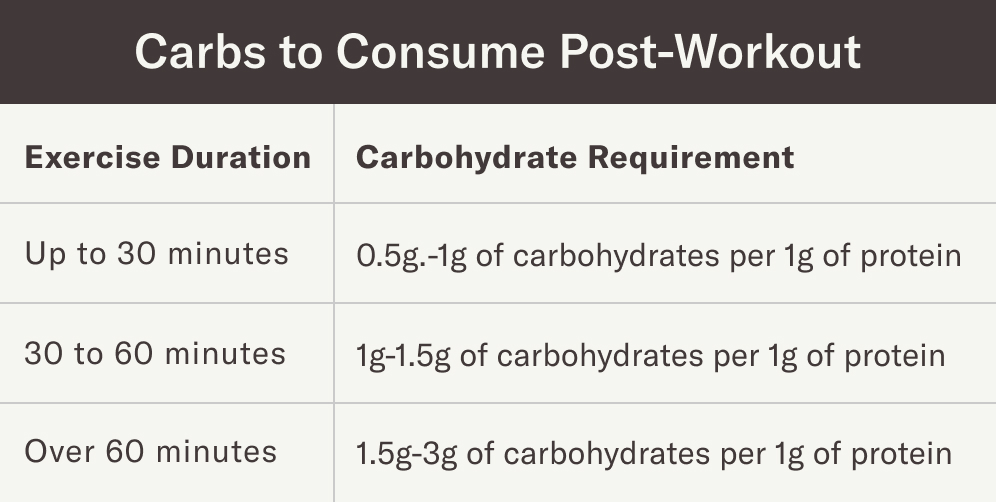
Proper timing of supplementation is essential for optimal recovery. Athletes should consume protein-rich foods shortly after exercise to promote muscle recovery. Additionally, consuming carbohydrates within 30-60 minutes post-exercise can help replenish energy stores.
Conclusion
Recovery supplements can be a valuable addition to an athlete's training regimen, providing essential nutrients to support muscle repair, reduce muscle soreness, and enhance endurance and performance. By understanding the benefits and proper use of recovery supplements, athletes can optimize their performance and reduce the risk of injury.
Conclusion
As athletes, we strive to push ourselves to new heights, and recovery supplements can provide the necessary support to achieve optimal performance. By incorporating the right supplements into our training regimen, we can improve our muscle recovery, reduce muscle soreness, and enhance our overall well-being.