Unleashing the Power of Renewable Energy Credits Trading
In recent years, the world has witnessed a significant shift towards renewable energy as governments, corporations, and individuals prioritize sustainability and reduce their carbon footprint. One crucial component of this transition is the trading of Renewable Energy Credits (RECs), which represents a unique way to promote and incentivize the production of clean energy.What are Renewable Energy Credits (RECs)?
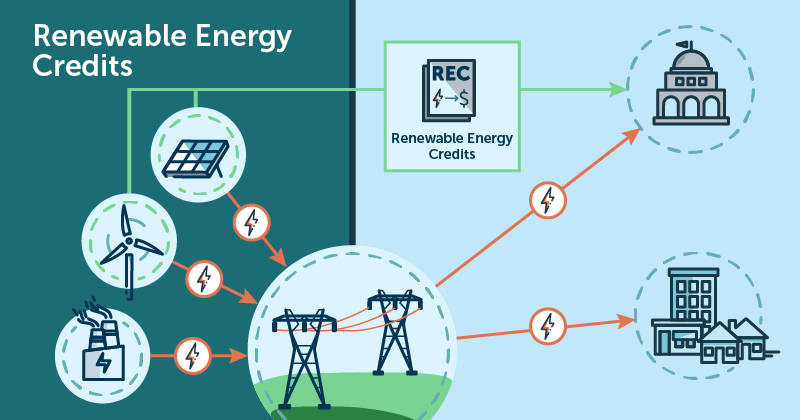
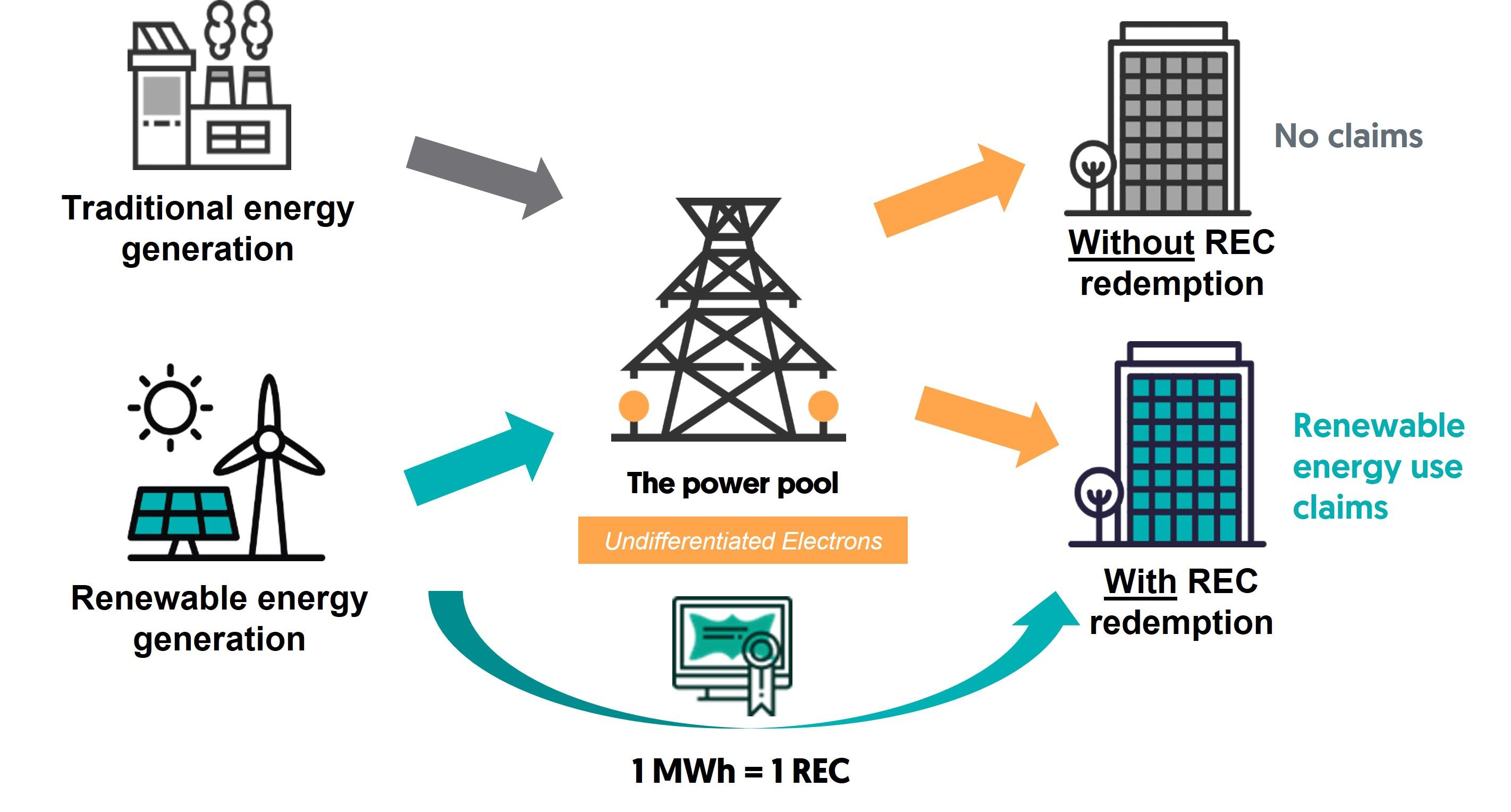
Renewable Energy Credits, often referred to as RECs, are certificates that represent the environmental, social, and non-power attributes of renewable electricity generation. These certificates are traded on the open market and can be used to meet renewable portfolio standards (RPS) and other compliance obligations. In essence, a REC is the proof that a specific amount of electricity has been generated from a renewable source, such as solar, wind, or hydropower.How Do RECs Work?
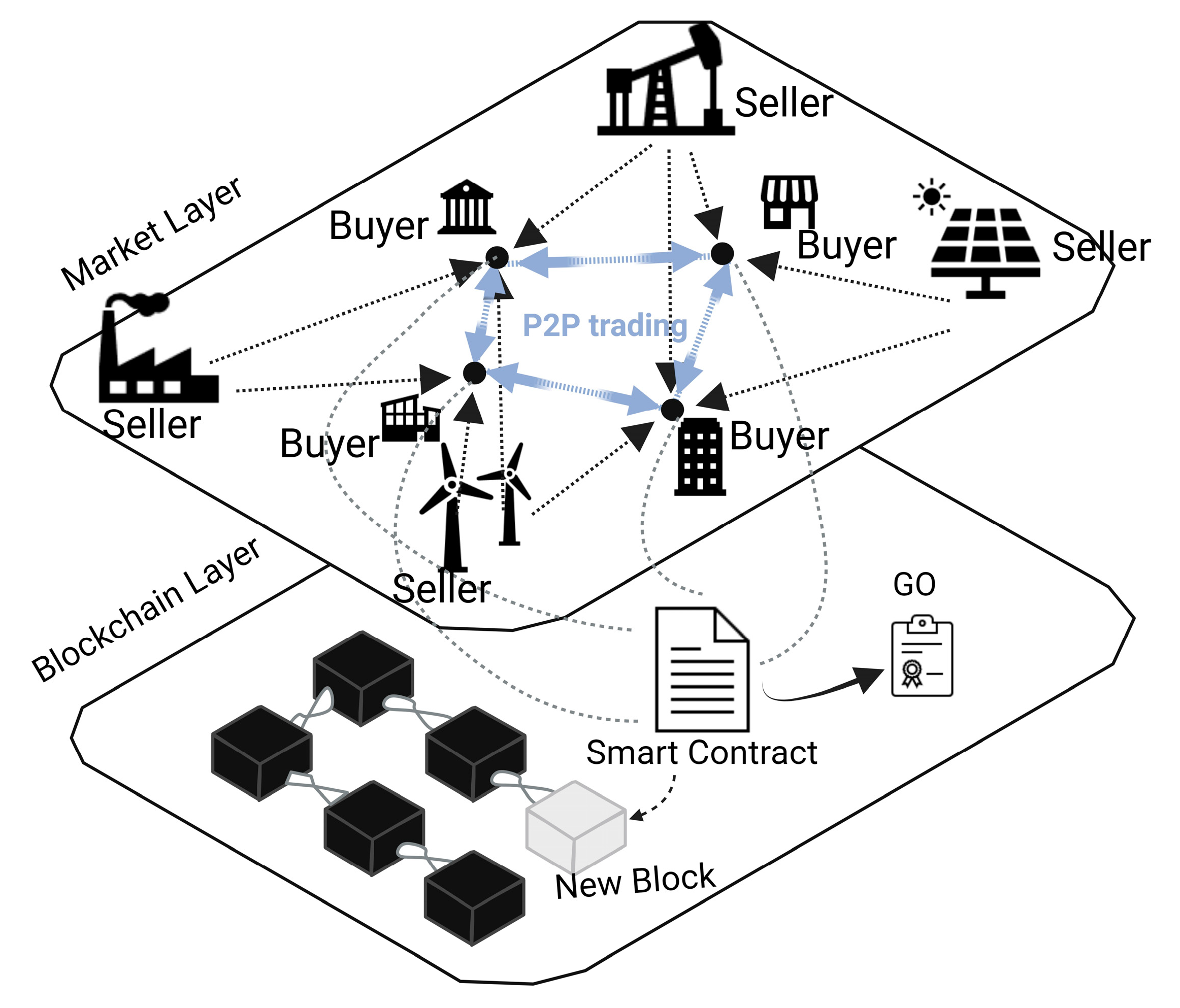
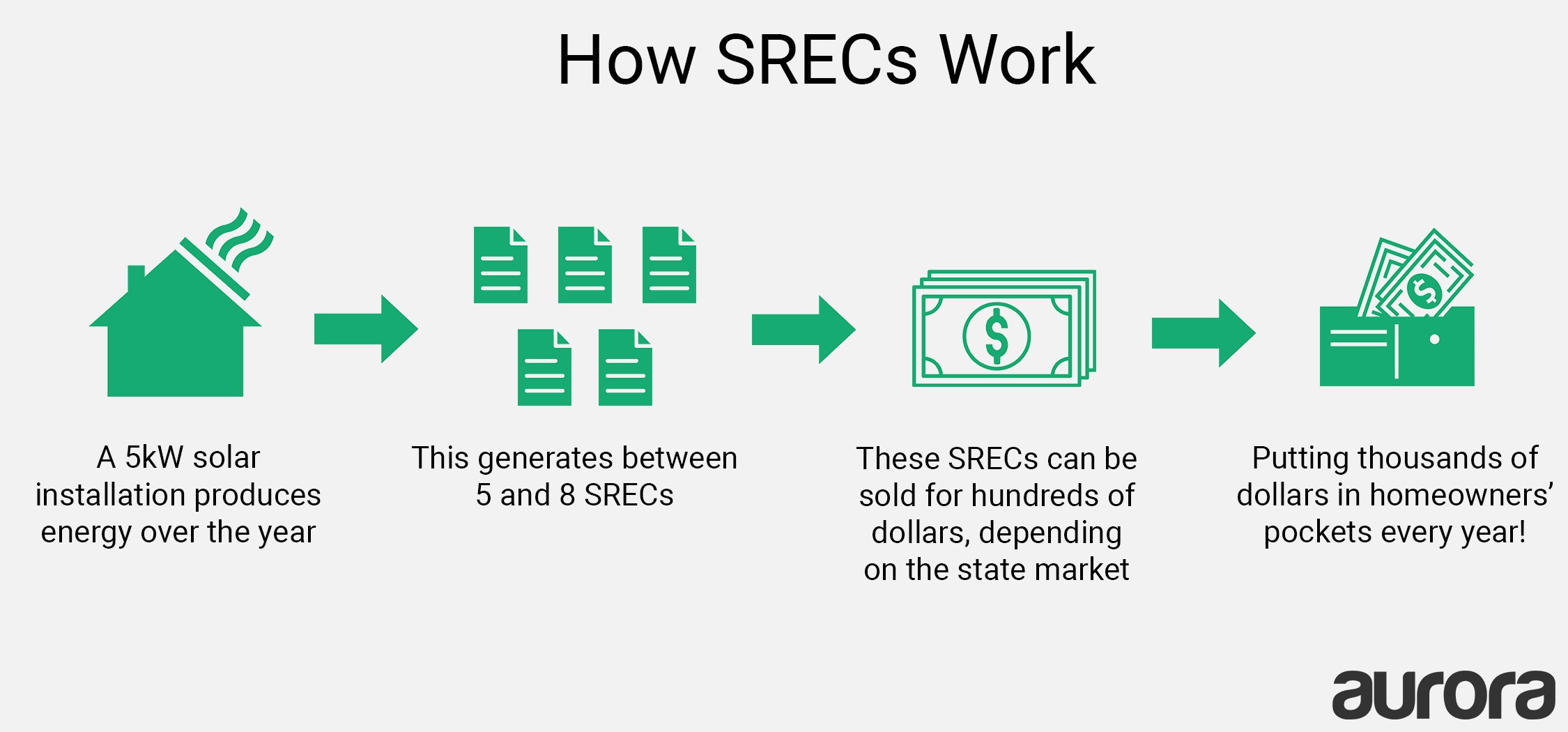
RECs are created through a process called "generation and tracking," where a certified third-party organization monitors and verifies the amount of renewable energy generated by a renewable energy facility. Once verified, the facility is allocated a specific number of RECs, which are then added to a pool. The RECs can be bought, sold, traded, and retired, allowing utilities, businesses, and individuals to purchase or sell these credits to meet their renewable energy goals.Benefits of Trading RECs
Trading RECs plays a vital role in the growth and sustainability of the renewable energy sector, offering several benefits to various stakeholders: * **Corporate Sustainability**: Companies can meet their renewable energy goals, earn sustainability certifications, and enhance their public image by purchasing RECs. * **Market Growth**: The sale of RECs provides financial support for new renewable energy projects, encouraging the expansion of clean energy production.Buying, Selling, or Trading RECs?