SGLT2 vs GLP-1 Weight Loss: A Comprehensive Comparison
For individuals navigating type 2 diabetes, prediabetes, or weight loss, glucagon-like peptide-1 receptor agonists (GLP-1RAs) and sodium-glucose cotransporter 2 inhibitors (SGLT-2is) are two of the most effective and widely discussed treatment options available.
Understanding GLP-1 Receptor Agonists and SGLT-2 Inhibitors
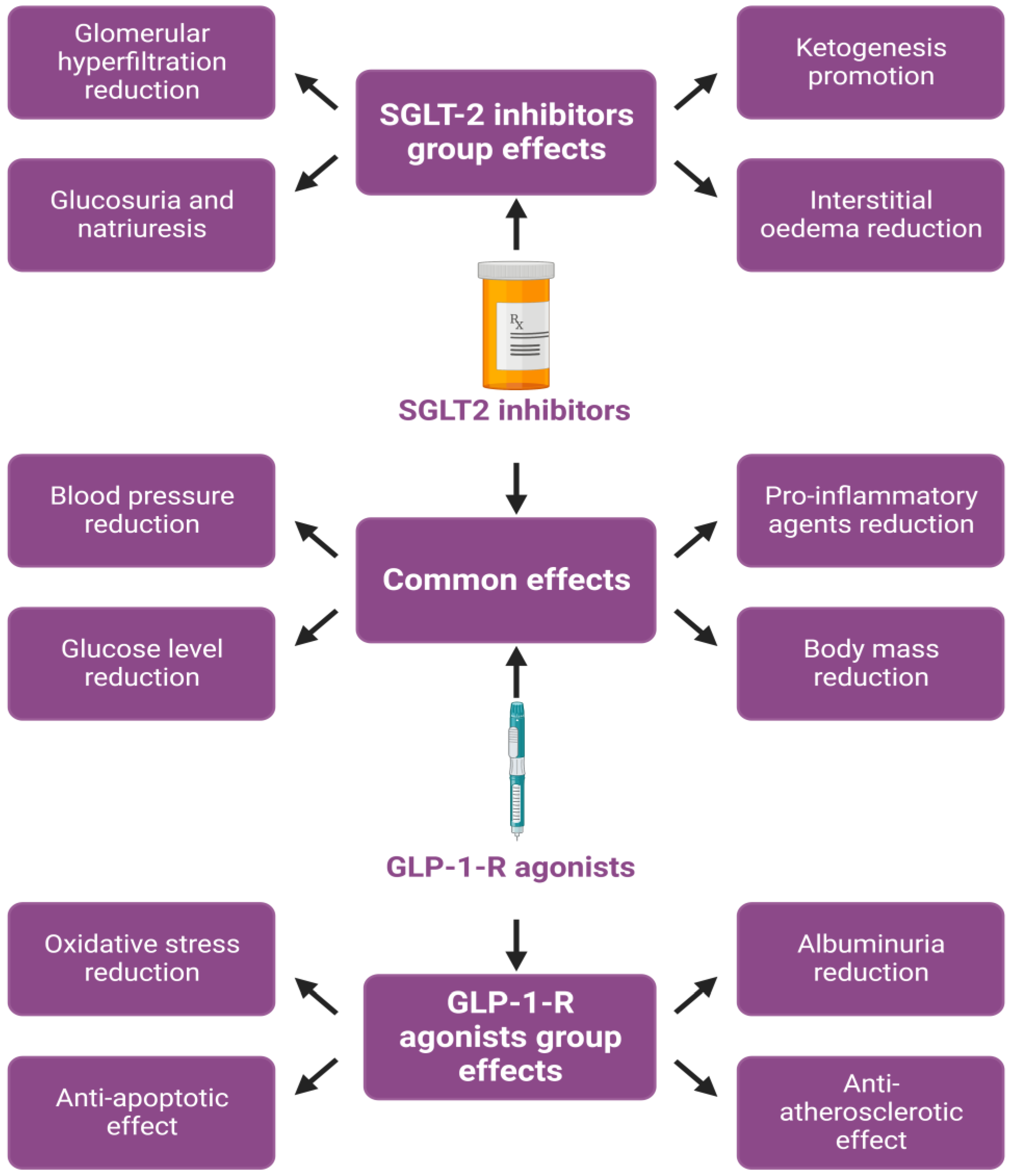
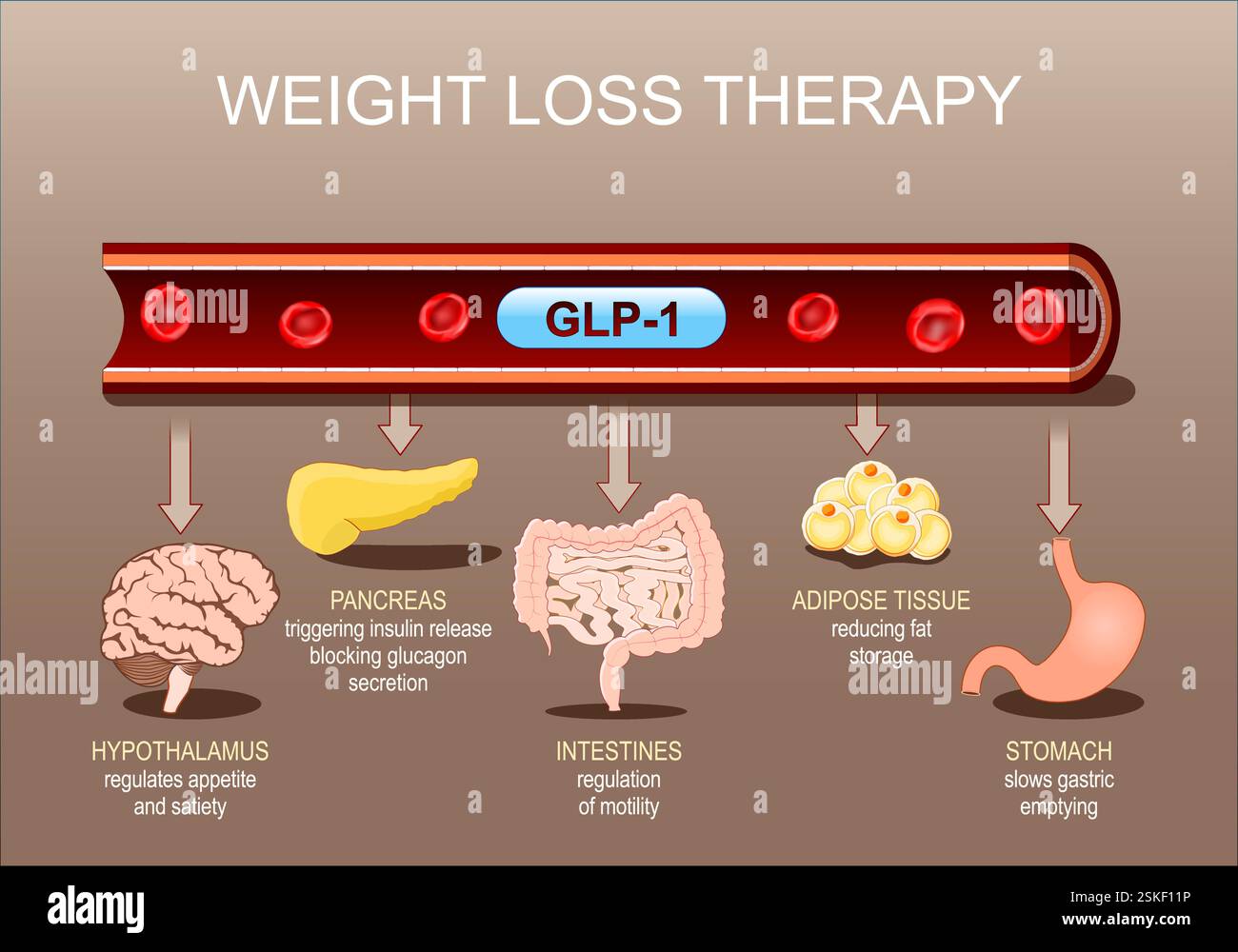
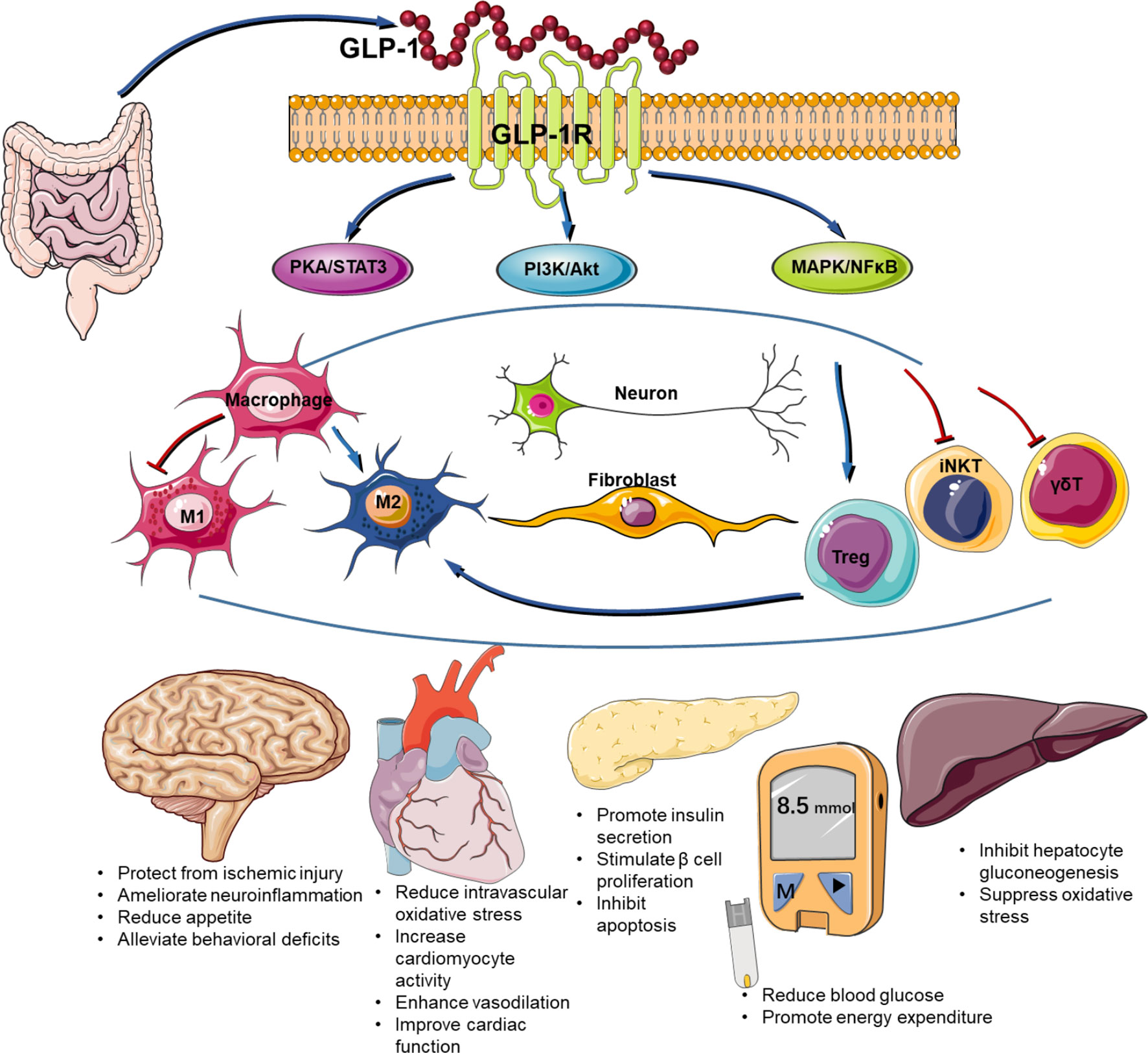
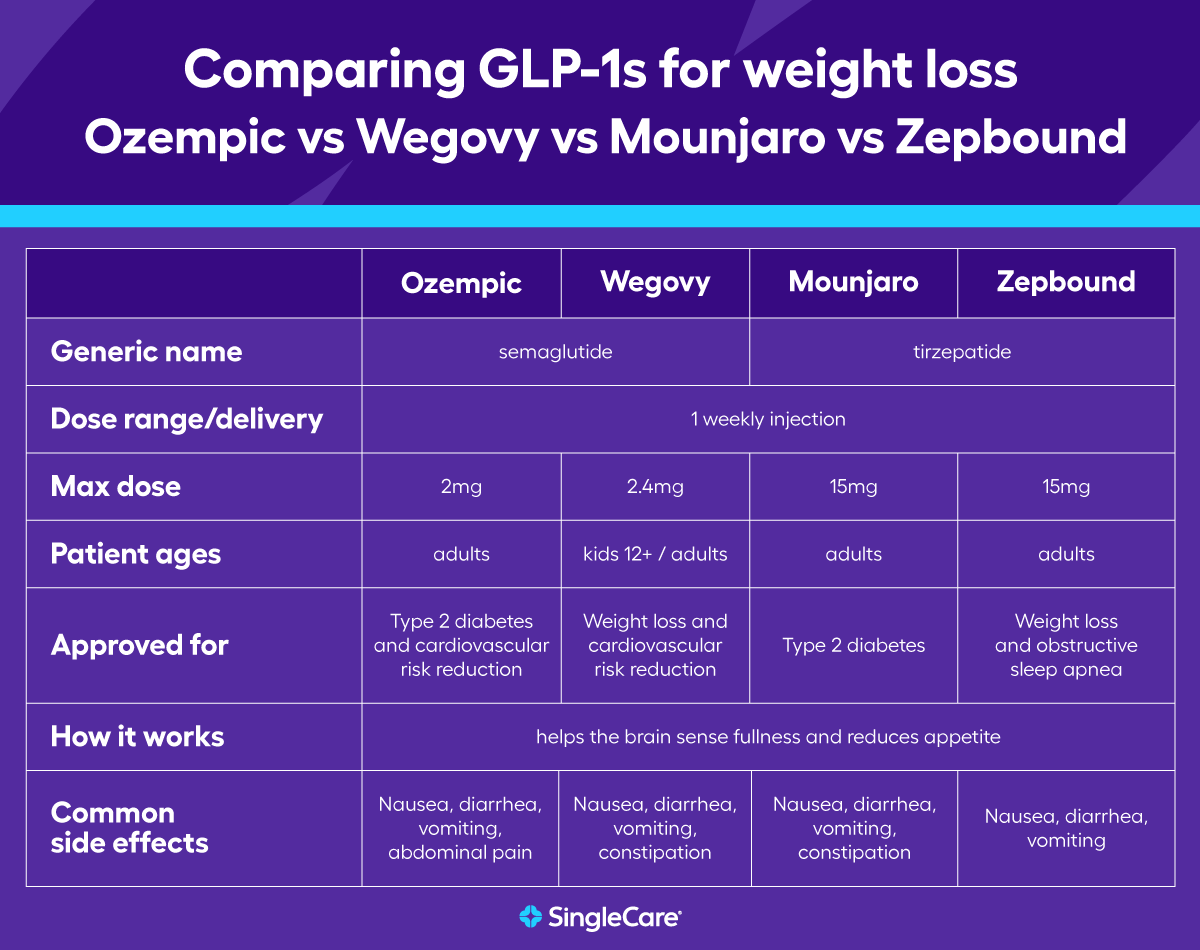
GLP-1RAs and SGLT-2is work in different ways to help manage blood sugar levels and induce weight loss. GLP-1RAs, such as semaglutide and liraglutide, mimic the action of the GLP-1 hormone, which stimulates insulin release, slows gastric emptying, and reduces glucagon production. This leads to improved glycemic control and weight loss.
In contrast, SGLT-2is, such as empagliflozin and canagliflozin, work by inhibiting the SGLT-2 protein in the kidneys, resulting in the excretion of more glucose in the urine. This helps to lower blood sugar levels and promote weight loss.
Efficacy and Effectiveness
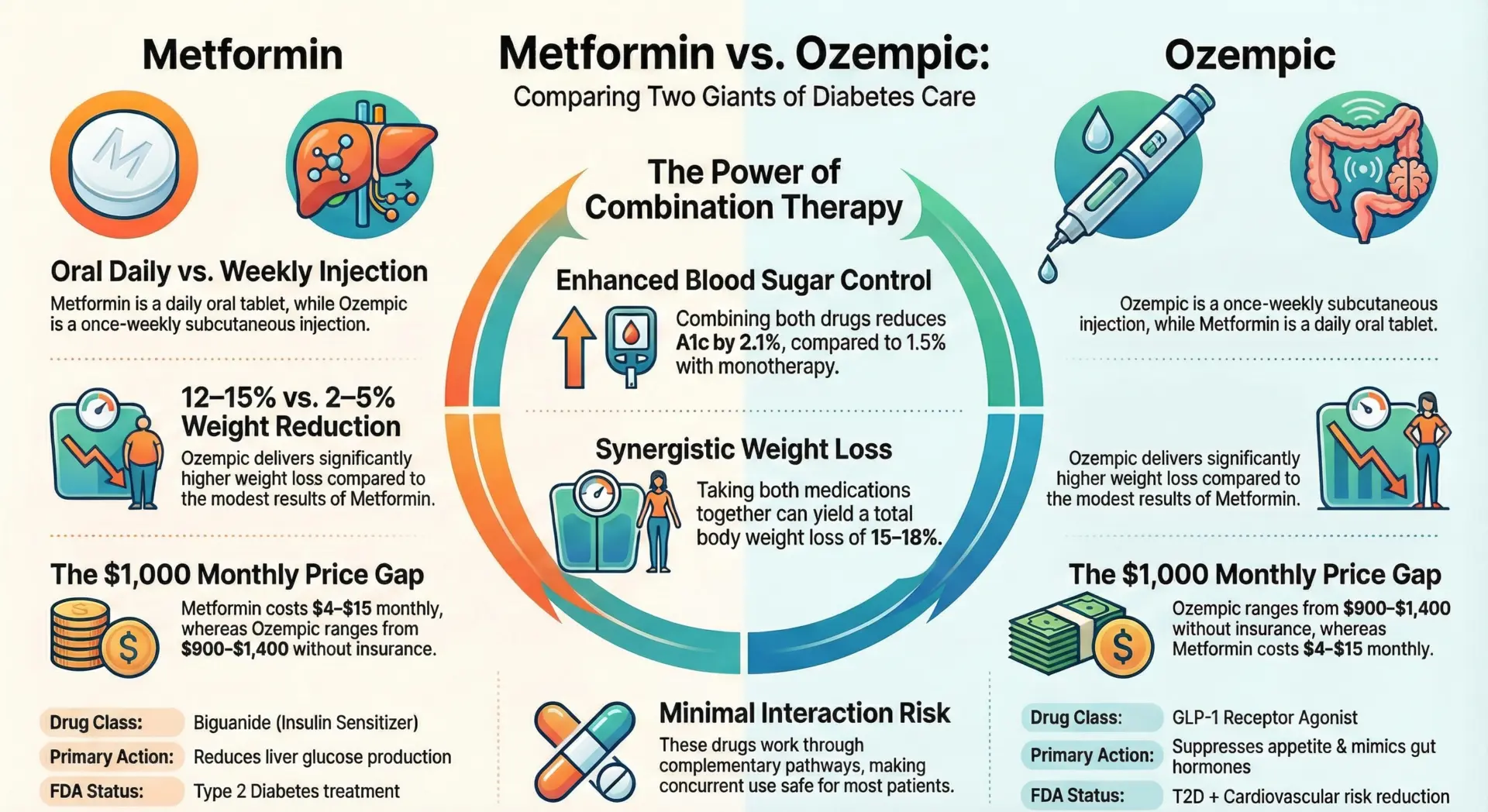
Studies have shown that GLP-1RAs are more effective than SGLT-2is in promoting weight loss. For example, a study found that patients using semaglutide experienced significant weight loss, compared to those using empagliflozin. Another study demonstrated that tirzepatide, a dual GLP-1/GIP receptor agonist, was more effective in reducing body weight compared to liraglutide.
On the other hand, SGLT-2is have been shown to be effective in lowering hemoglobin A1c levels and improving weight loss in patients with type 2 diabetes. For instance, a meta-analysis found that empagliflozin reduced hemoglobin A1c levels and body weight compared to placebo.
Side Effects and Safety Profile
GLP-1RAs and SGLT-2is have different side effect profiles. GLP-1RAs are known to cause nausea, vomiting, and diarrhea, particularly in the initial treatment phase. SGLT-2is, on the other hand, are associated with an increased risk of genital infections, such as urinary tract infections, and certain types of cancer.
Both GLP-1RAs and SGLT-2is have been shown to have benefits beyond weight loss, including improved cardiovascular outcomes and reduced risk of kidney disease and heart failure.

Combining GLP-1RAs and SGLT-2is
Recent studies have demonstrated that combining GLP-1RAs and SGLT-2is can provide additive benefits for patients with type 2 diabetes. This combination may enhance weight loss and improve glycemic control, making it a potentially more effective treatment option.
Conclusion
In conclusion, the choice between GLP-1RAs and SGLT-2is for weight loss depends on individual patient factors, including medical history, current health status, and treatment goals. GLP-1RAs may be more effective in promoting weight loss, but SGLT-2is have benefits beyond weight loss, including improved cardiovascular outcomes. Combining these medications may provide additive benefits, but more research is needed to fully understand their effects.
Recommendations
Based on the current evidence, the following recommendations can be made:
- GLP-1RAs may be considered as a first-line treatment for patients with type 2 diabetes and significant weight loss goals.
- SGLT-2is may be considered as a first-line treatment for patients with type 2 diabetes and a high risk of cardiovascular disease or kidney disease.
- Combining GLP-1RAs and SGLT-2is may be considered for patients with type 2 diabetes who require additive benefits for weight loss and glycemic control.
Future Directions
Further research is needed to fully understand the effects of combining GLP-1RAs and SGLT-2is, as well as to investigate the long-term safety and efficacy of these medications. Additionally, studies should focus on the potential benefits of these medications in patients without type 2 diabetes, particularly those with obesity or metabolic syndrome.
By continuing to investigate and compare the effects of GLP-1RAs and SGLT-2is, healthcare professionals can make more informed decisions about which treatment options are best for their patients.