Wireless G Network Setup for Branch Office: A Comprehensive Guide
Setting up a wireless network for your branch office can be a daunting task, but with the right guidance, you can ensure a reliable and secure connection for your employees.
Understanding the Importance of Wireless Network Setup
In today's fast-paced business environment, having a reliable and efficient network is crucial for productivity and success. A wireless network setup for your branch office can provide several benefits, including increased mobility, reduced cable clutter, and improved collaboration.
Assessing Your Branch Office's Network Requirements
Before setting up a wireless network, it's essential to assess your branch office's network requirements. This includes determining the number of devices that will be connected, the type of devices (e.g., laptops, smartphones, printers), and the level of security needed.
- Number of Devices: Determine the number of devices that will be connected to the network, including laptops, smartphones, and printers.
- Device Type: Identify the type of devices that will be connected to the network, and ensure you choose hardware that can support them.
- Security: Determine the level of security required for your network, including encryption, authentication, and access control.
- Network Speed: Determine the required network speed to ensure smooth communication and data transfer.
Selecting the Right Wireless Network Hardware
Choosing the right wireless network hardware is crucial for a reliable and secure connection. Some essential hardware components include:
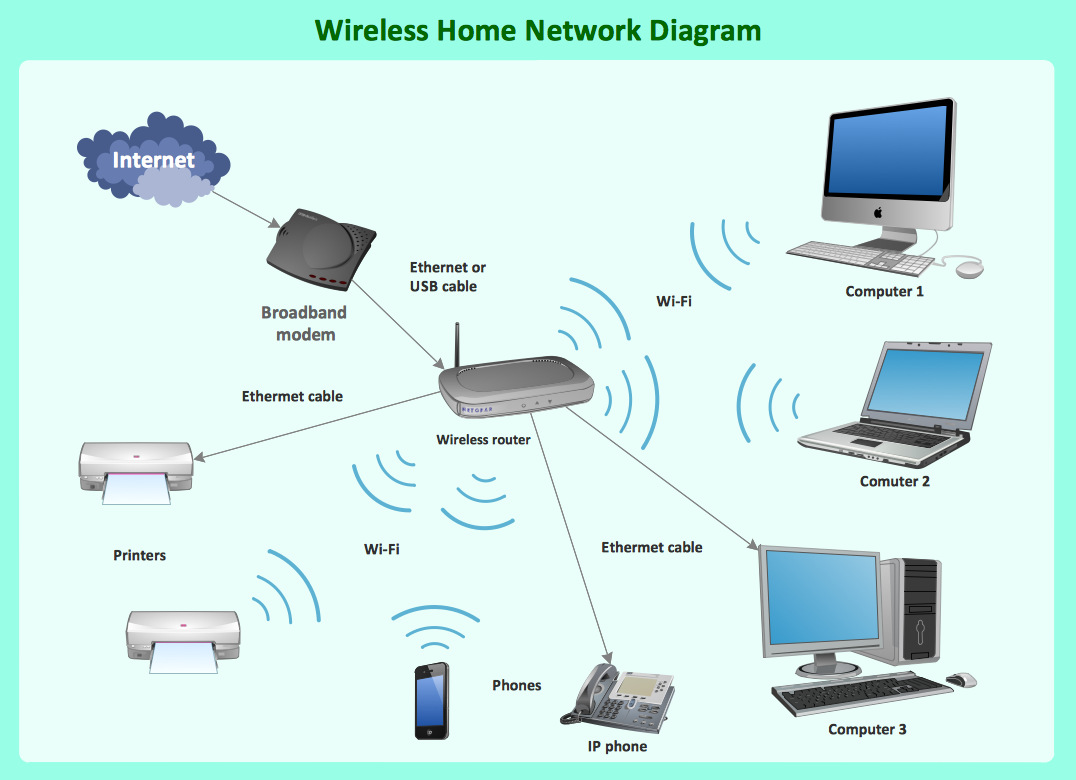
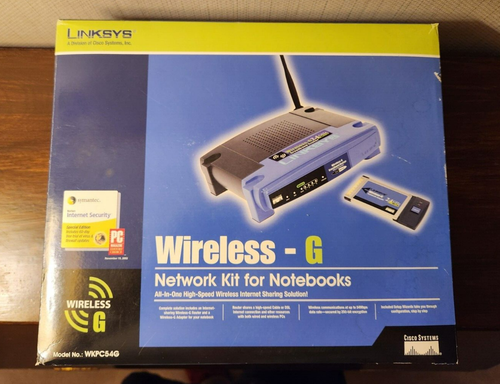
- Wireless Router: A wireless router connects your network to the internet and manages traffic between devices.
- Access Points (APs): APs provide wireless access to the network and typically include a built-in router.
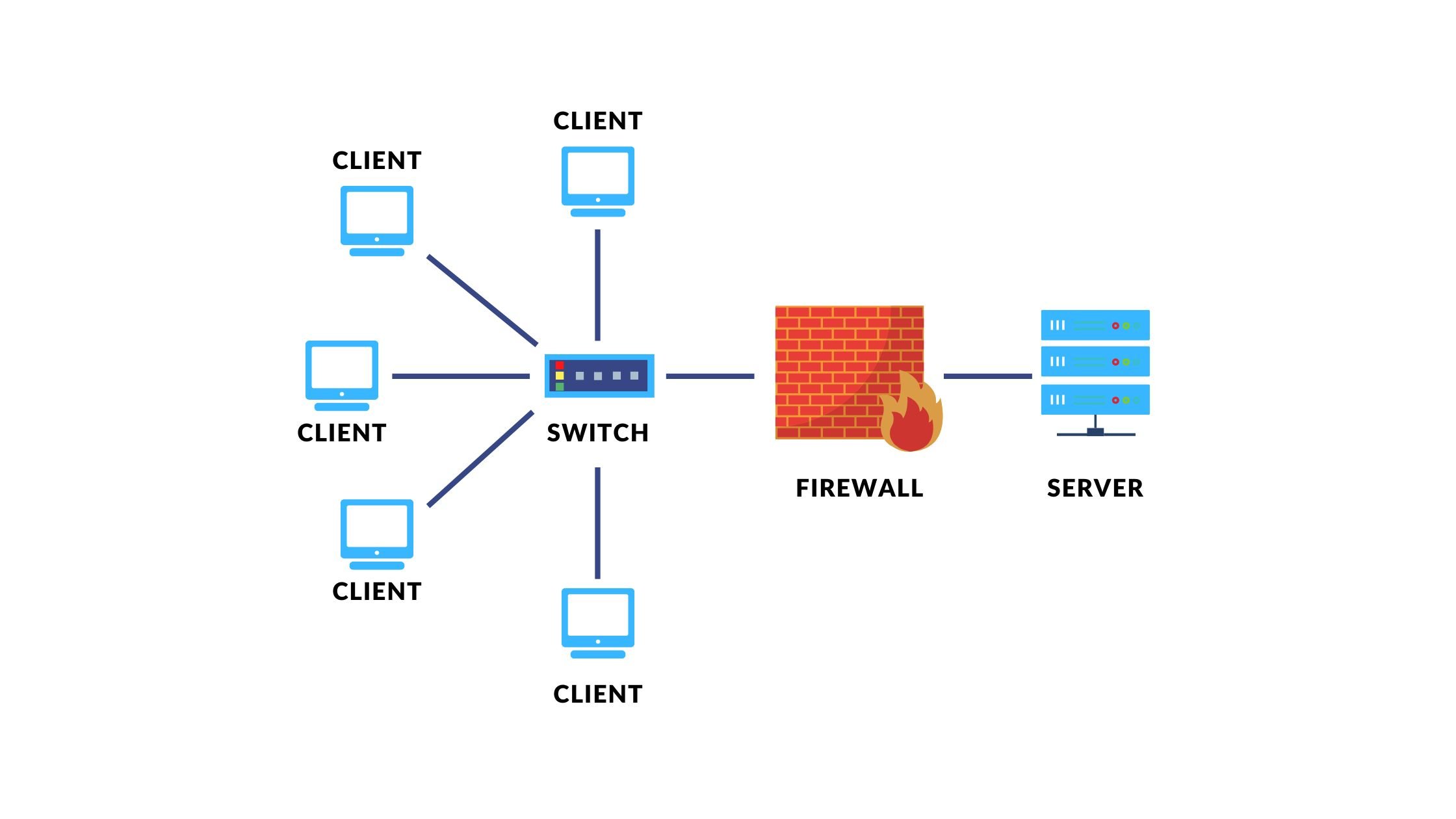
- Switches: Switches connect wired devices to the network, ensuring seamless communication between them.
Designing Your Wireless Network Architecture
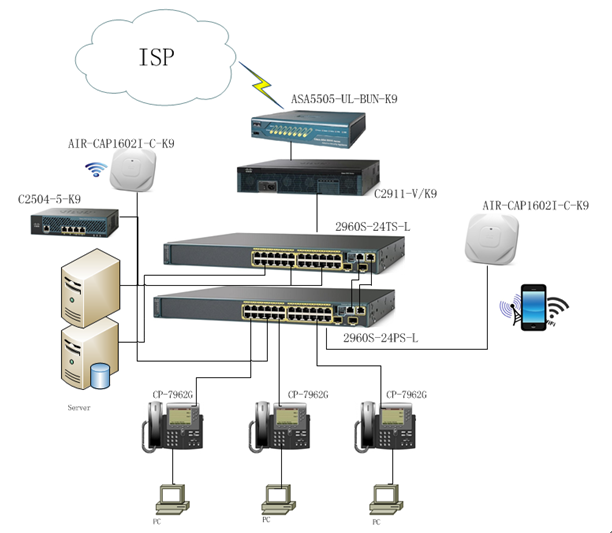
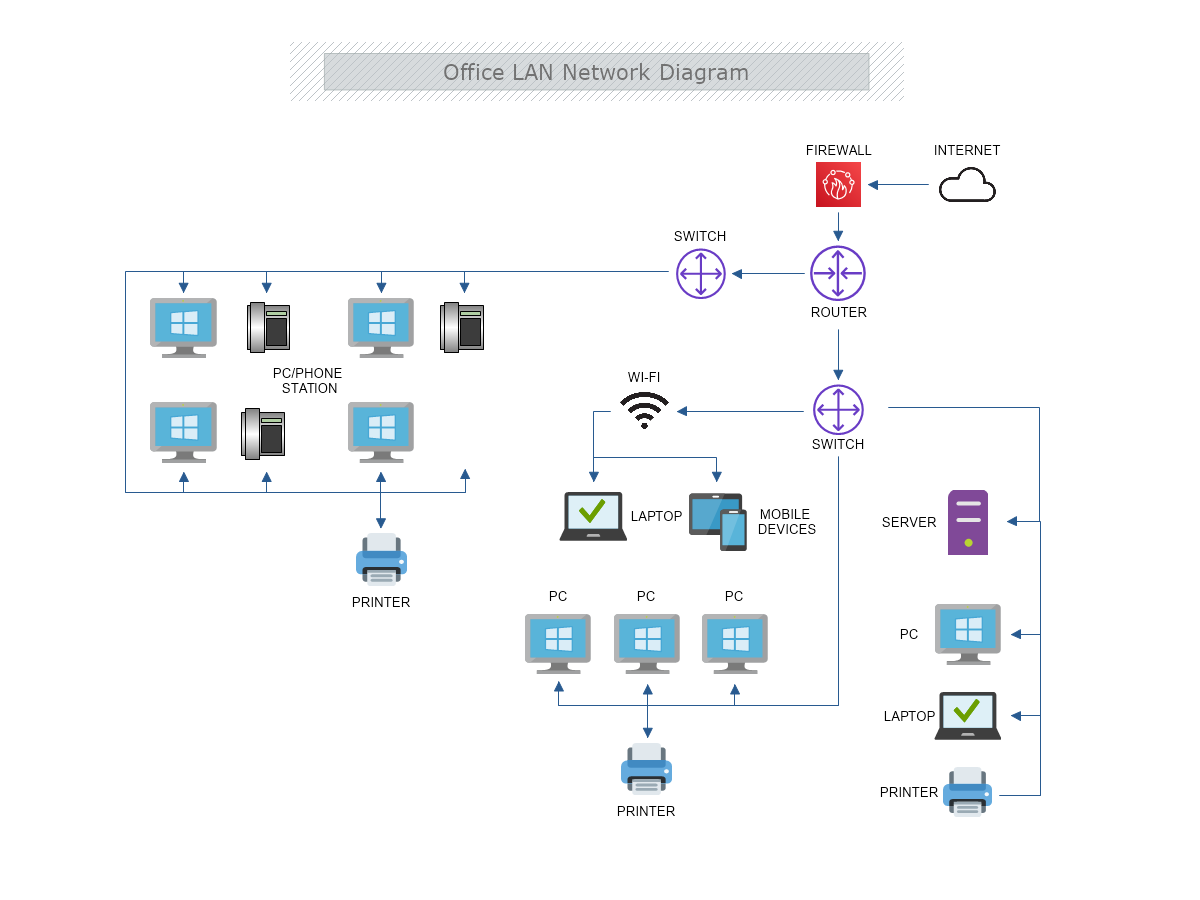
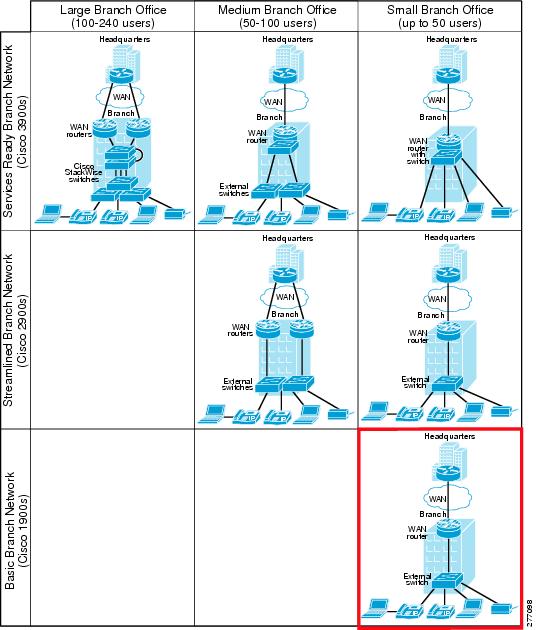
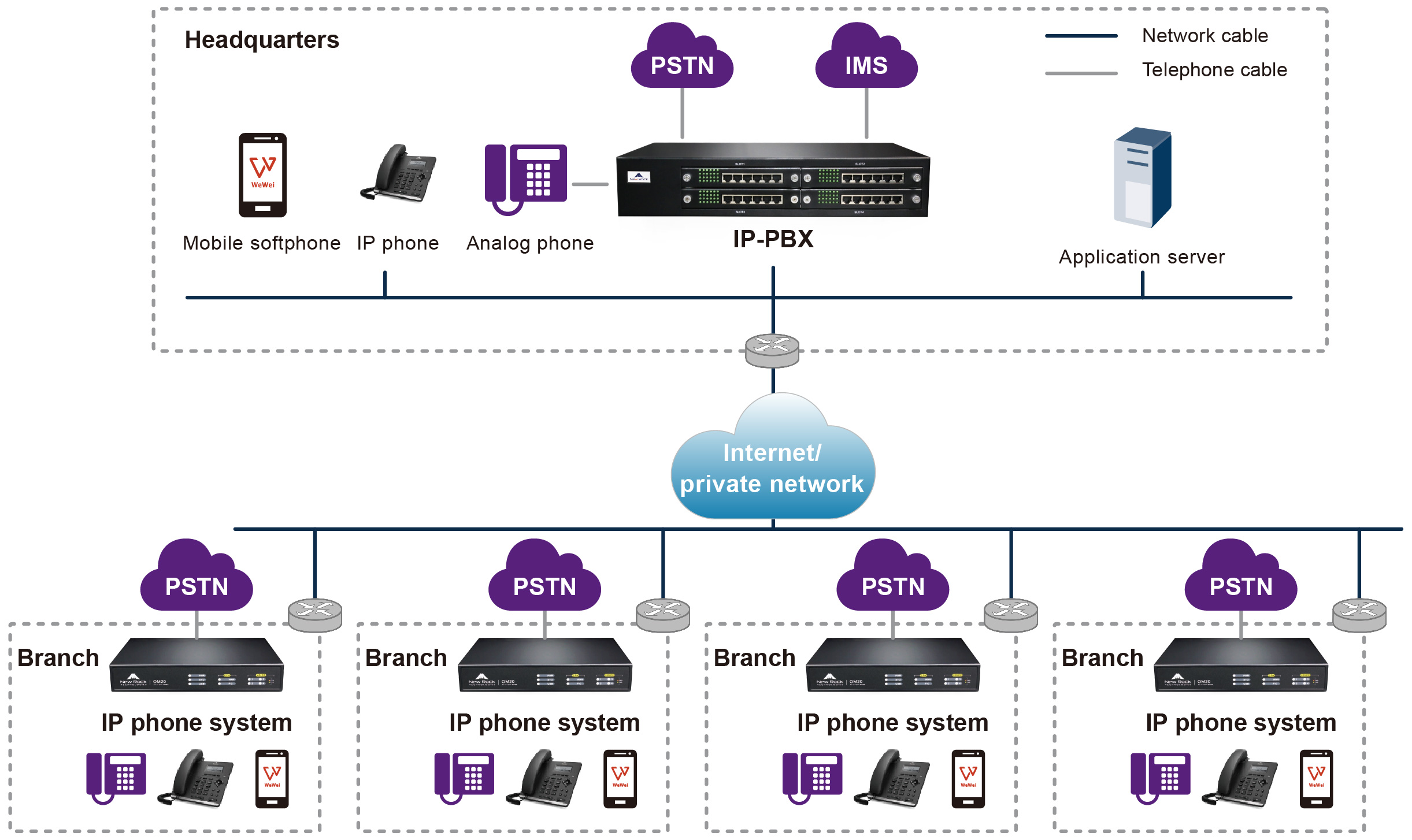
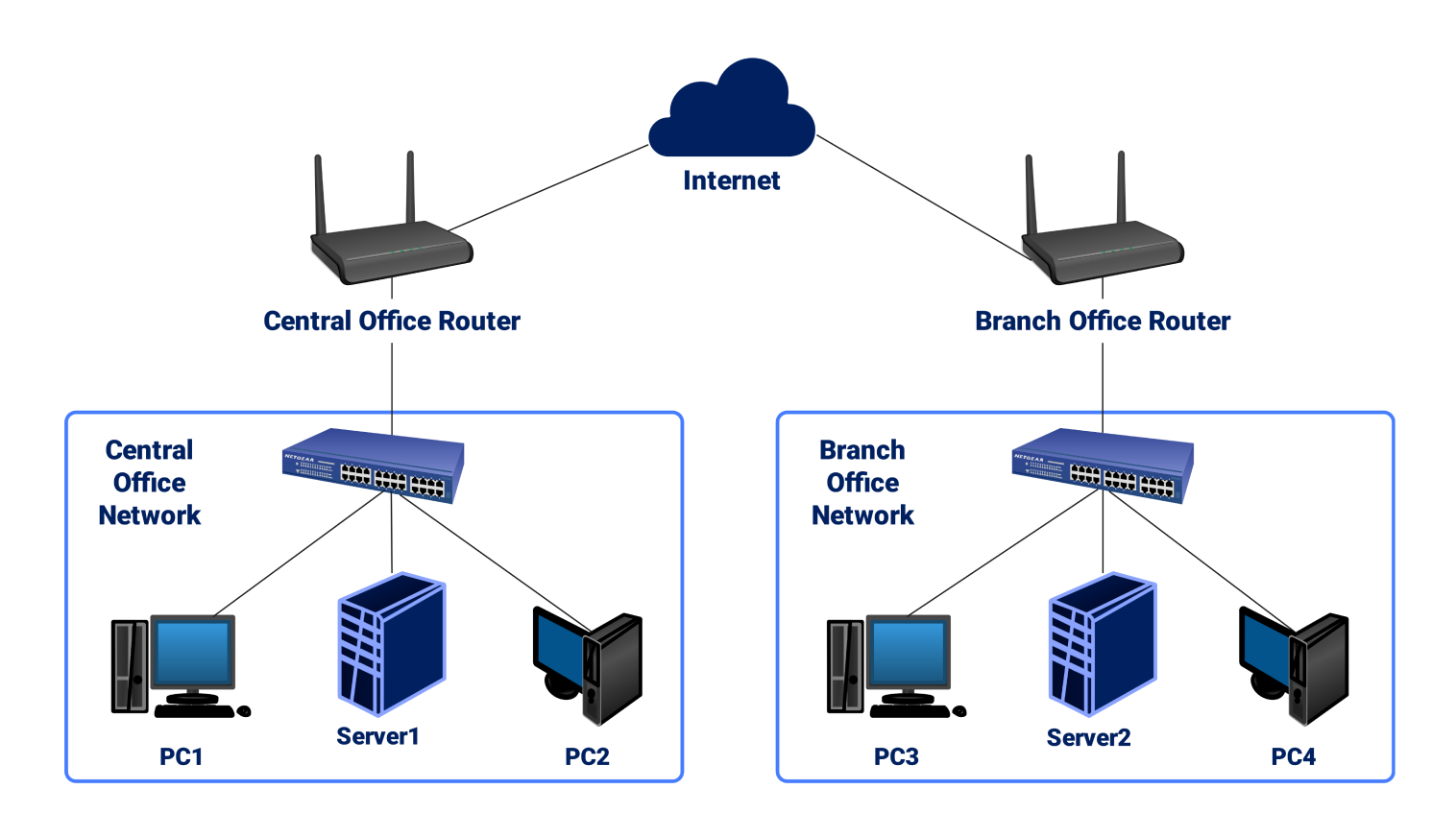
Designing your wireless network architecture involves planning the layout of your network, including the placement of APs, switches, and other equipment. Consider the following factors:
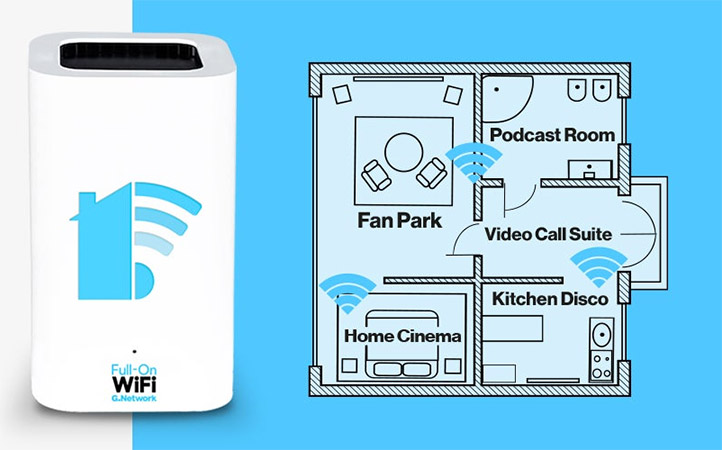
- Building Layout: Assess your building layout to determine the best location for APs and other equipment.
- Physical Barriers: Identify physical barriers, such as walls and floors, that could impact Wi-Fi signal strength and adjust your network design accordingly.
- Device Placement: Consider the placement of devices, including APs, switches, and wired devices, to ensure optimal network performance.
Implementing Security Measures
Implementing security measures is crucial to protect your network and sensitive data from unauthorized access. Some essential security measures include:
- Encryption: Use encryption to secure data transmitted over the network.
- Authentication: Implement authentication protocols to ensure only authorized users can access the network.
- Access Control: Set up access control to restrict access to sensitive areas of the network.
Testing and Optimization
Testing and optimization are critical phases of the wireless network setup process. Ensure you conduct thorough testing to identify areas for improvement and optimize your network for peak performance.
- Speed and Connectivity Testing: Test network speed and connectivity to ensure smooth communication.
- Wireless Signal Strength Testing: Test wireless signal strength to ensure coverage throughout the branch office.
- Network Security Testing: Test network security to ensure robust protection against unauthorized access.
Conclusion
Setting up a wireless network for your branch office requires careful planning, attention to detail, and thorough testing. By following this comprehensive guide, you can ensure a reliable, secure, and efficient wireless network for your employees.
Additional Resources
For more information on wireless network setup and configuration, consult with a qualified network administrator or refer to additional resources, such as:
- Wireless Network Configuration Guides: Consult with a qualified network administrator for guidance on configuring your wireless network.
- Network Security Best Practices: Refer to network security best practices for tips on securing your wireless network.
- Wireless Network Troubleshooting Guides: Consult with a qualified network administrator for guidance on troubleshooting common wireless network issues.