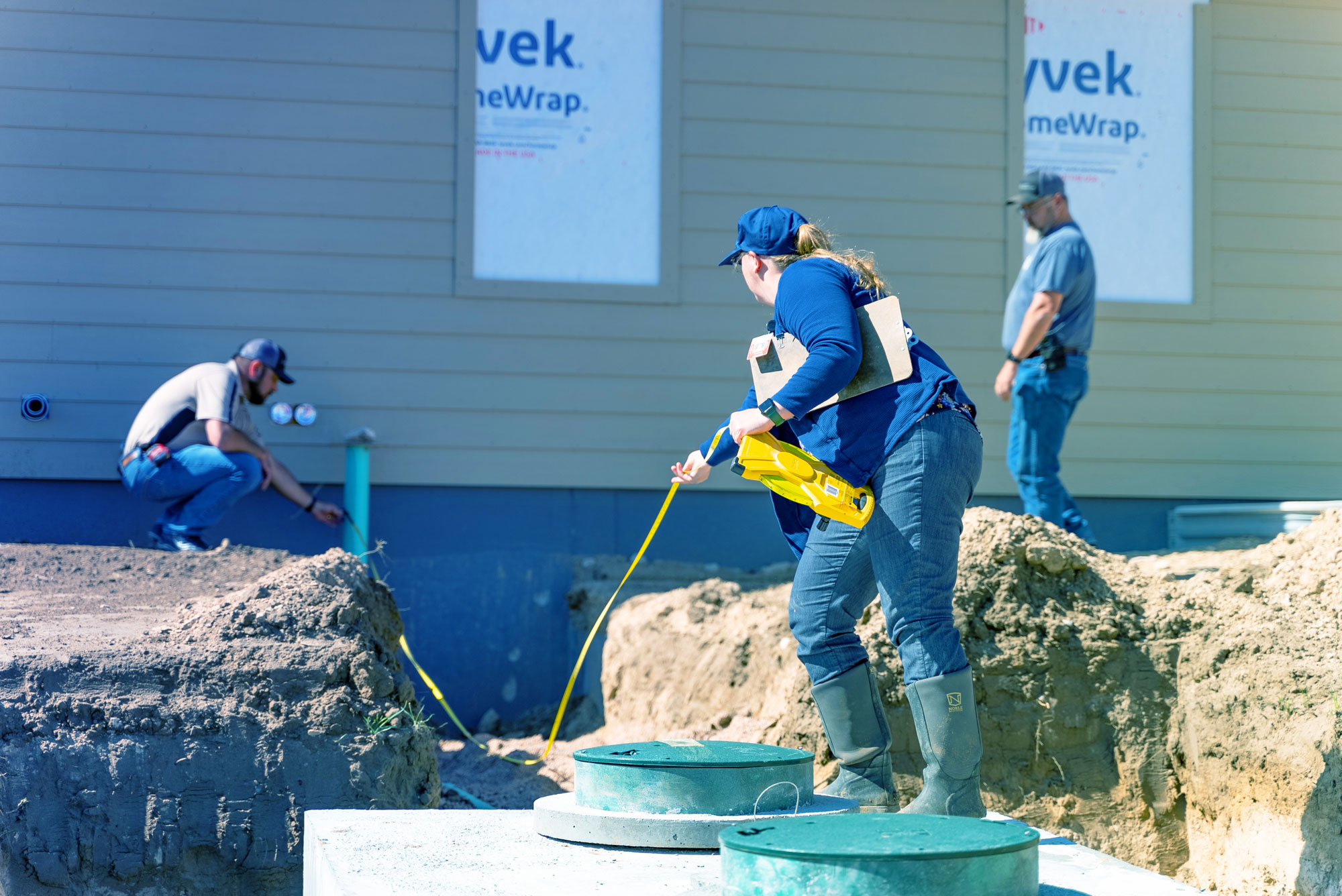
Septic Tank Inspection Procedures: A Comprehensive Guide
When it comes to ensuring the proper functioning of your home's septic system, regular inspections are crucial. A thorough septic tank inspection can help identify potential issues before they become costly problems. In this article, we will delve into the essential procedures involved in a septic tank inspection, the tools required, and what to expect during the process.
What to Expect in a Septic Inspection
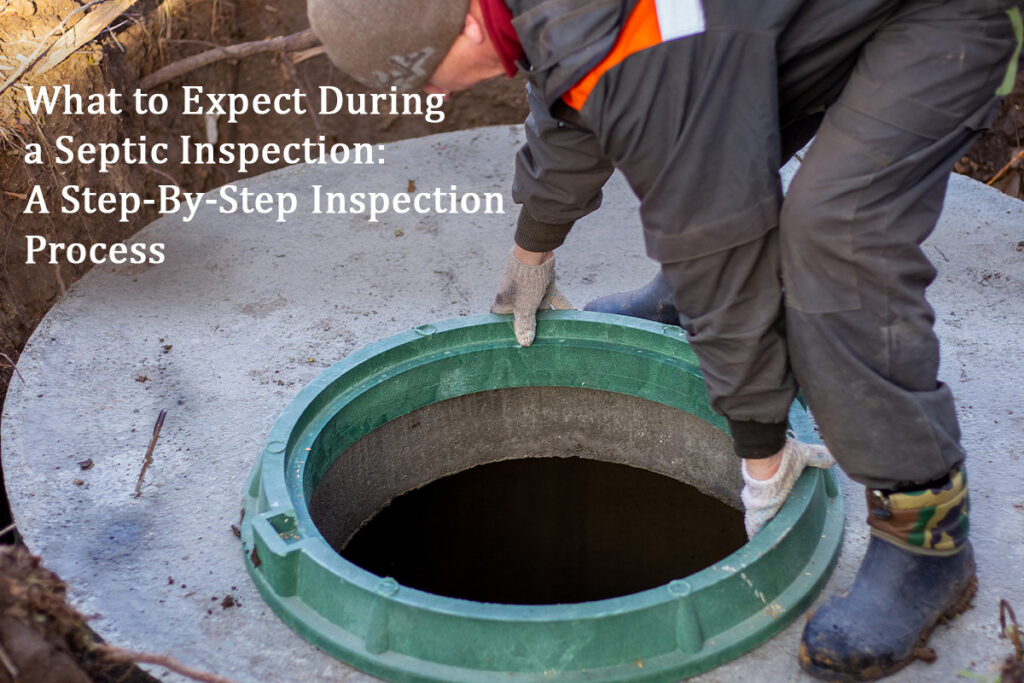
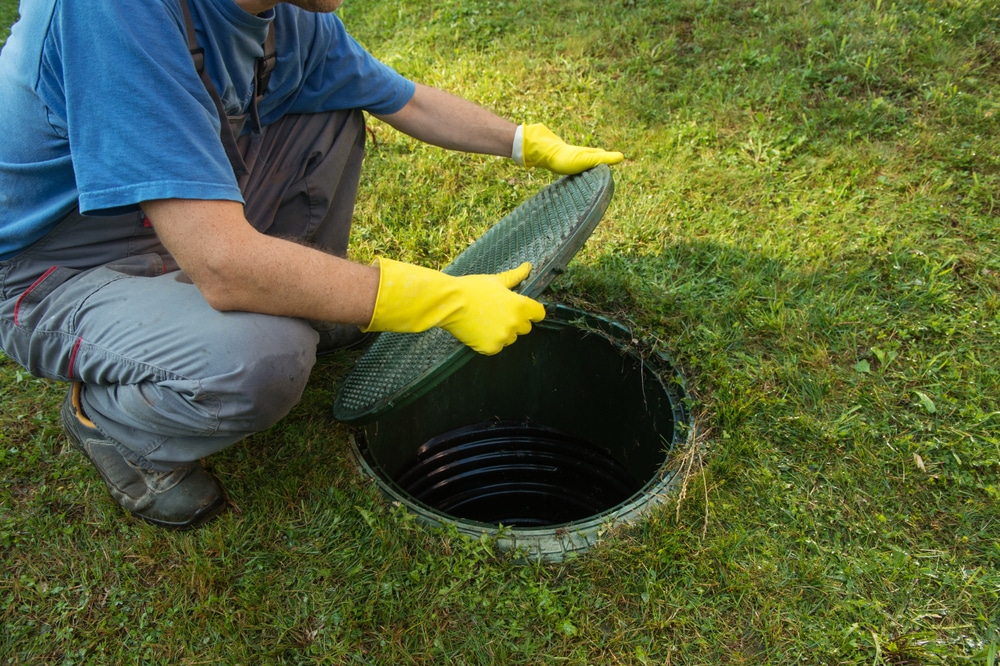
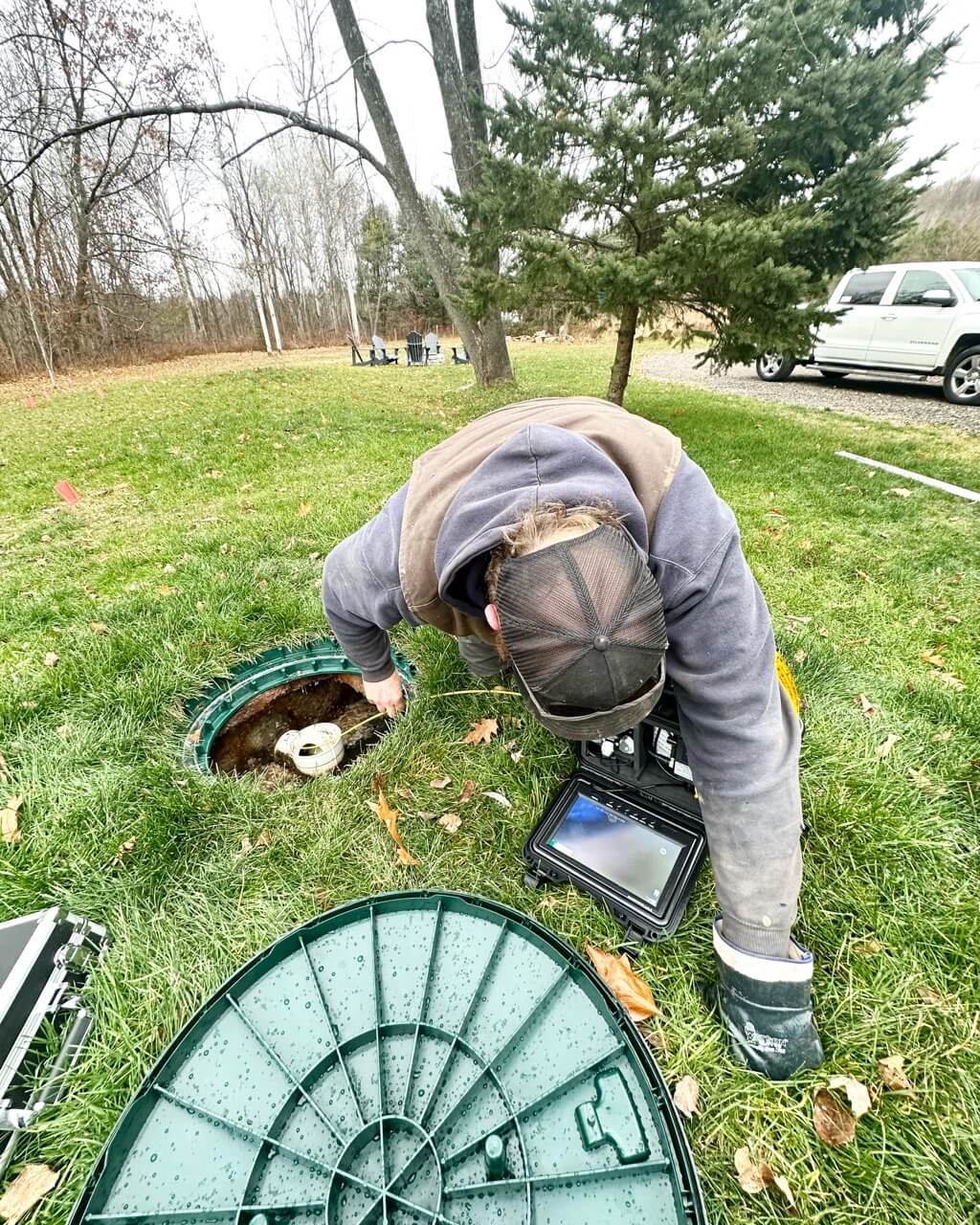
A septic inspection is a necessary procedure, especially for prospective homebuyers who are interested in a particular property and wish to determine if the septic system is working properly. Most septic inspections are done in a non-invasive manner, which means that the inspector does not need to dig up the septic tank and system parts in order to complete the assessment.
Septic System Inspection Requirements
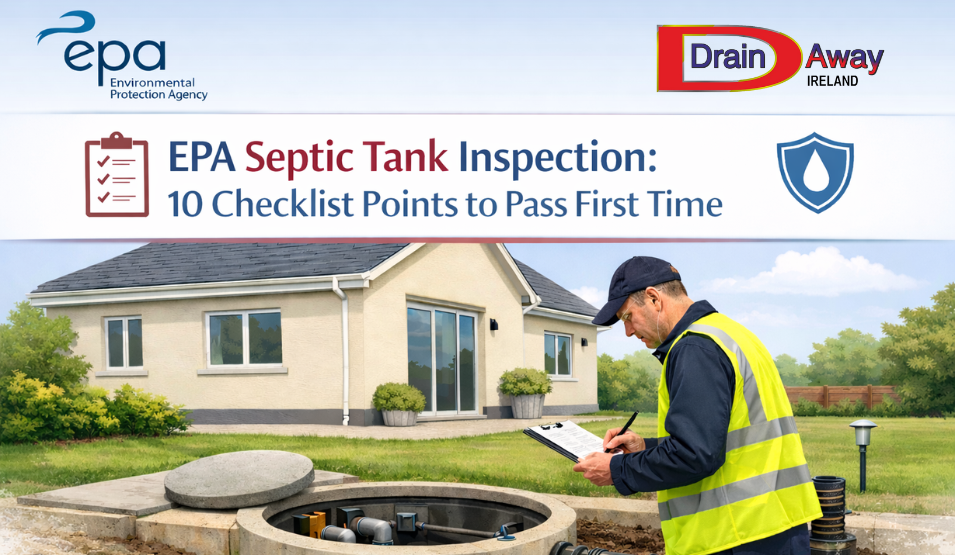
Regular septic system inspections should be performed at least once a year, or as required by local regulations. Homeowners should be familiar with the essential steps involved in a septic system inspection, as well as the key components that should be evaluated during the process.
Tools and Equipment Required for a Septic Inspection
A comprehensive septic inspection requires various tools and equipment, including:
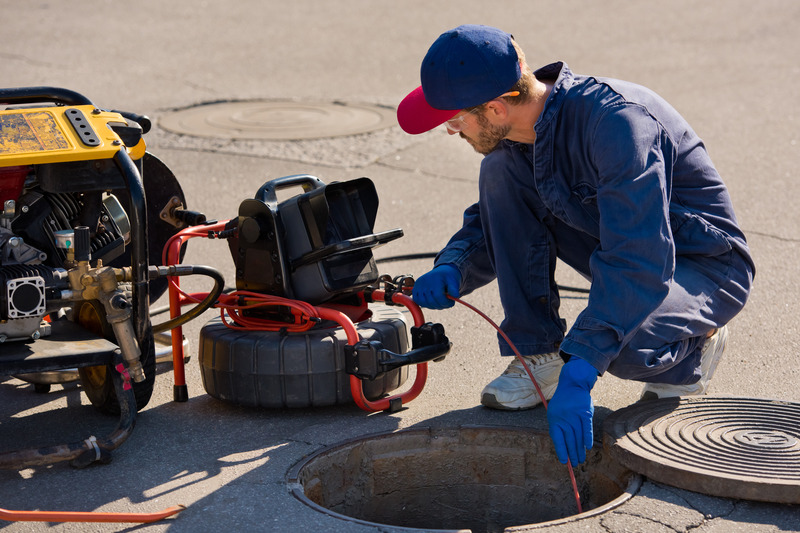
- Plumbing snakes or rods to inspect the drain lines
- Cameras to visualize the inside of the septic tank and drain lines
- Dye testing or other specialized methods to evaluate and verify the condition of the septic system
- Water test kits to verify the tank's watertightness and determine how the leach field is absorbing wastewater
- Tracing dye to add to the septic tank and track its flow through the leach field
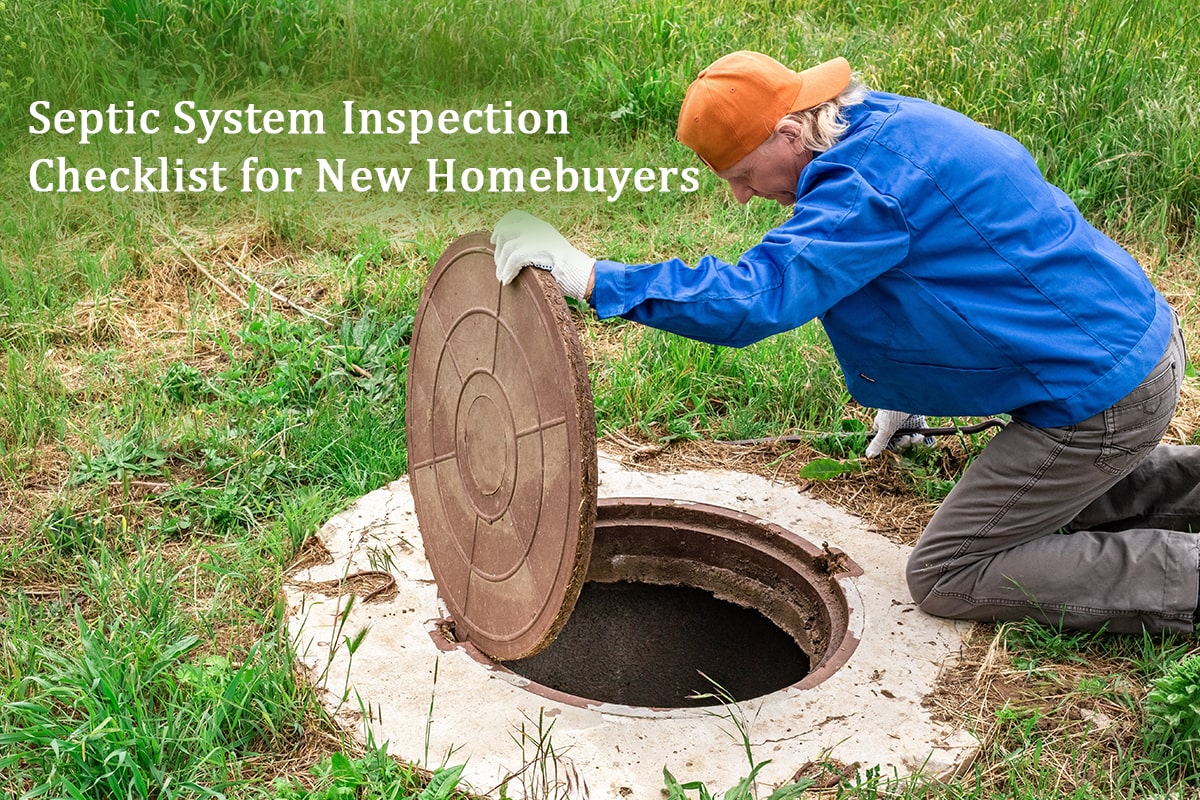
What to Look for During a Septic Inspection
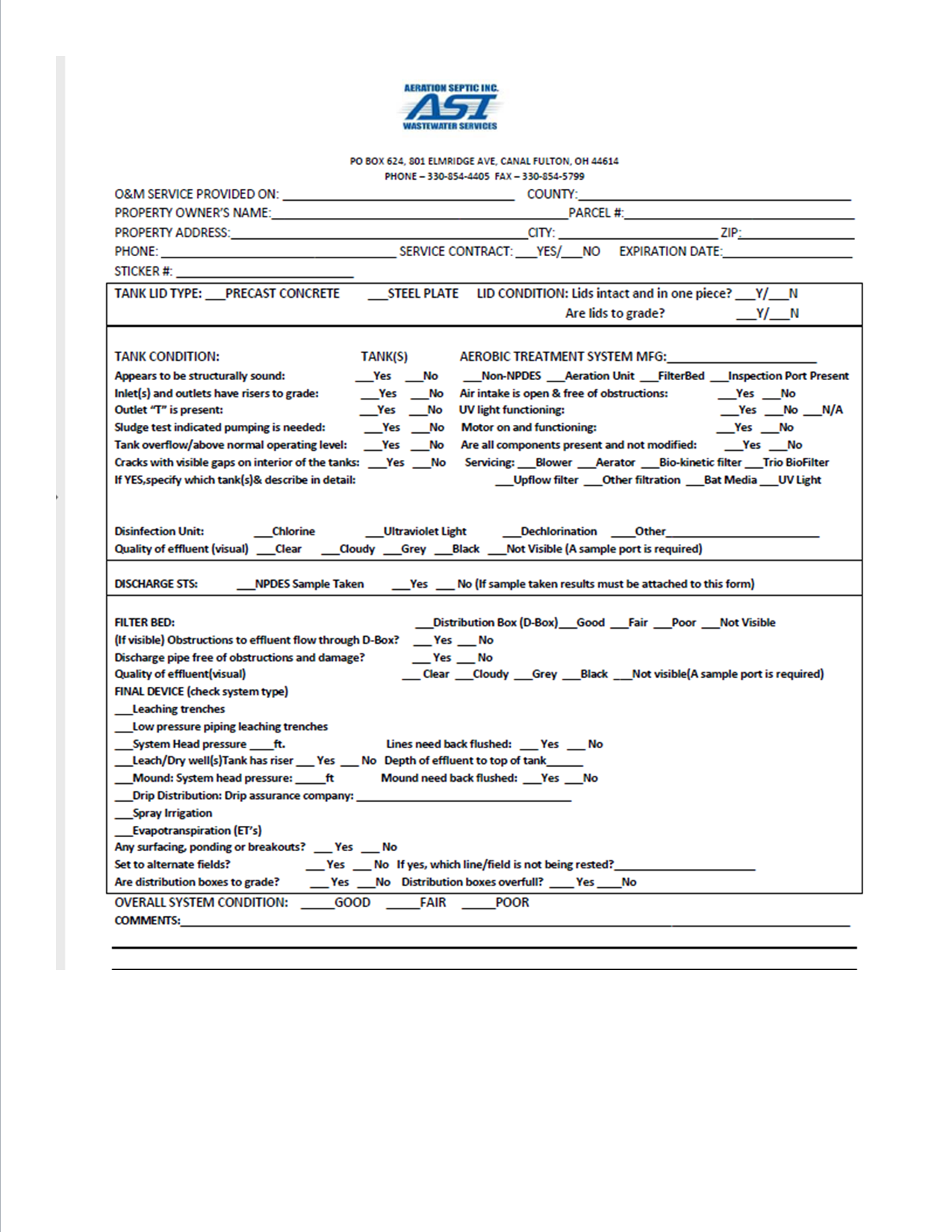
During a septic inspection, the evaluator will assess the following components:
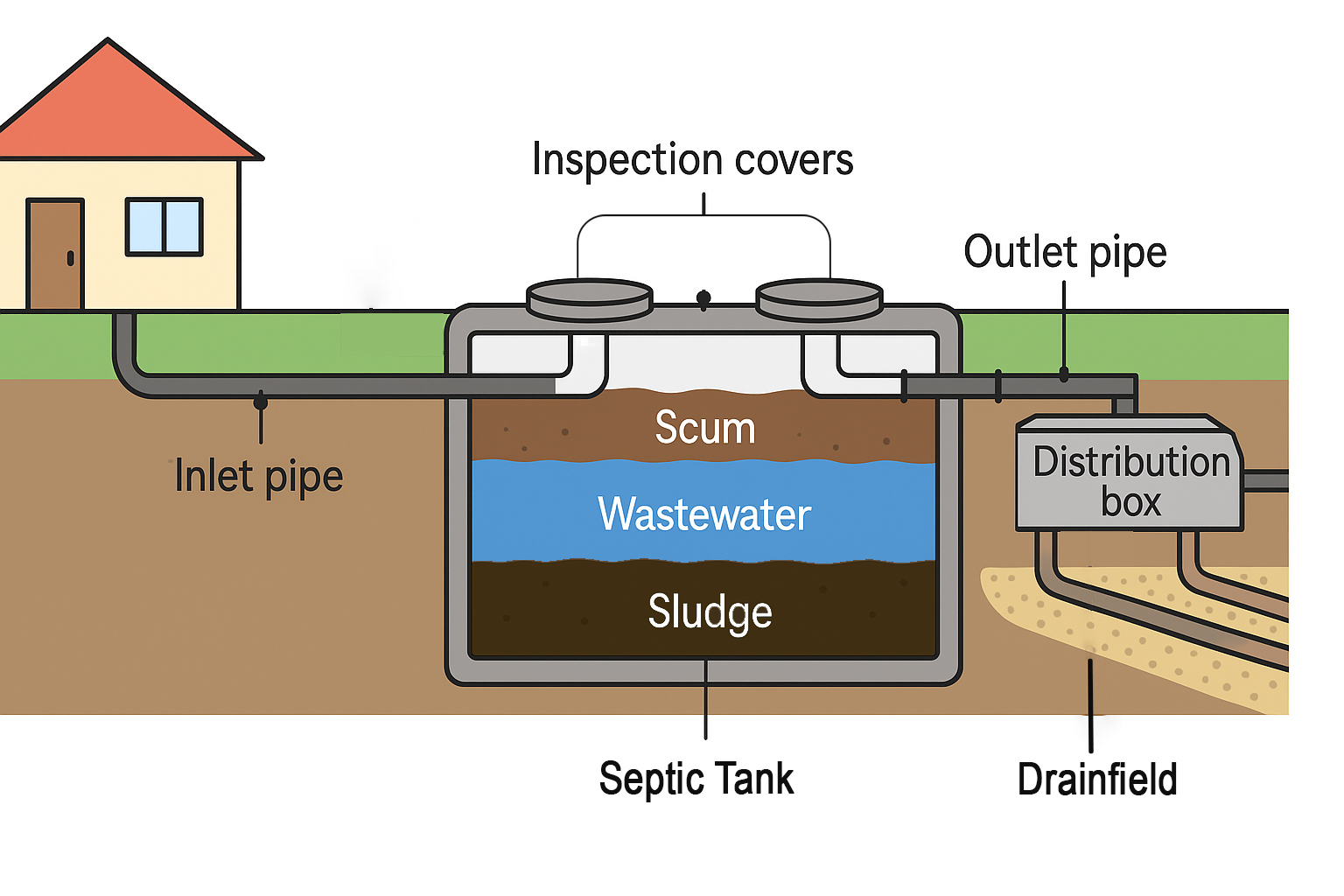
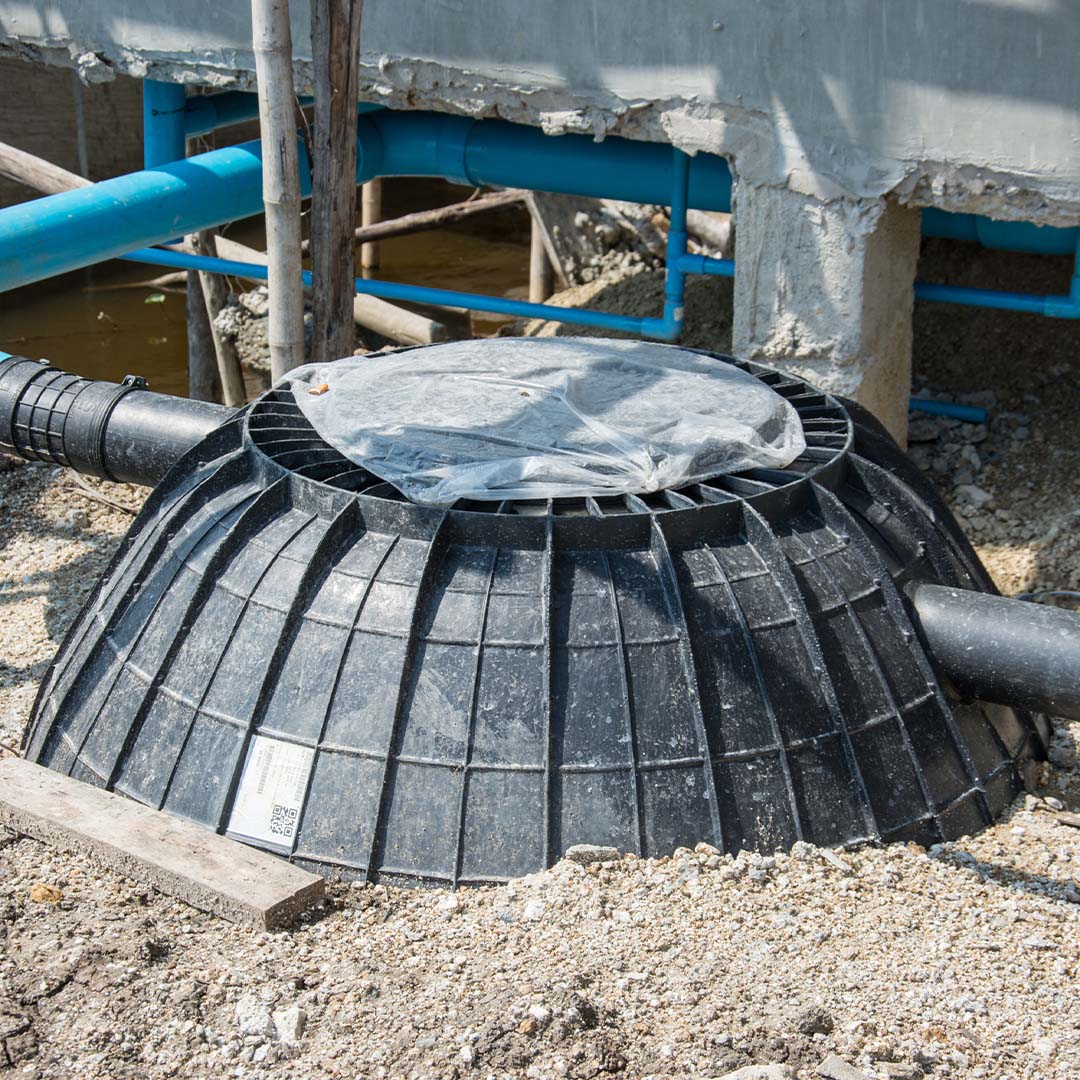
- The septic tank: the tank should be structurally sound, and the inlet and outlet baffles should be functioning properly.
- The distribution box: the distribution box should be distributing the wastewater evenly throughout the leach field.
- The leach field: the leach field should be functioning properly, with no signs of clogging or structural damage.
- The drain lines: the drain lines should be clear and free of blockages.
Benefits of Regular Septic Inspections
Regular septic inspections can help prevent costly repairs, sewage backups, and environmental pollution. They can also help homeowners ensure that their septic system is functioning properly and meet local health and safety standards.
Conclusion
Septic tank inspection procedures are essential for ensuring the proper functioning of your home's septic system. A comprehensive inspection can help identify potential issues before they become costly problems. By following the steps outlined in this article, homeowners can ensure that their septic system is functioning properly and meet local health and safety standards.
Remember, regular septic inspections are crucial for maintaining a healthy septic system. By scheduling inspections at least once a year, homeowners can prevent costly repairs, sewage backups, and environmental pollution. Don't wait until it's too late – schedule a septic inspection today and ensure the health and safety of your home and community.