Setting Up a G Network for Home Office Routers
Establishing a reliable and efficient network for your home office is crucial for staying connected, productive, and efficient in today's digital age. With the increasing demand for remote work, setting up a home office network has become a necessity for many professionals and businesses.
Understanding the Basics of Home Office Networking
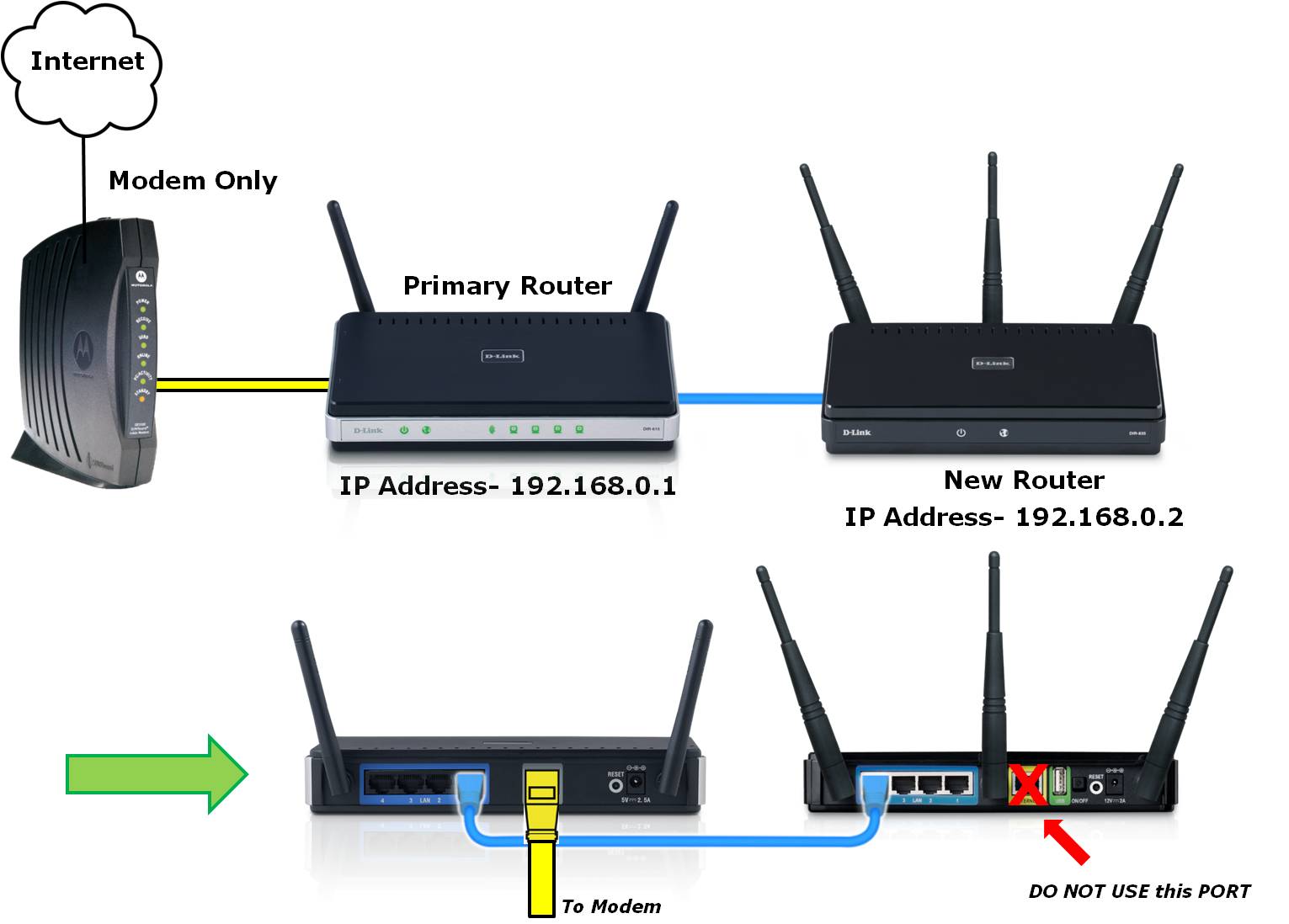
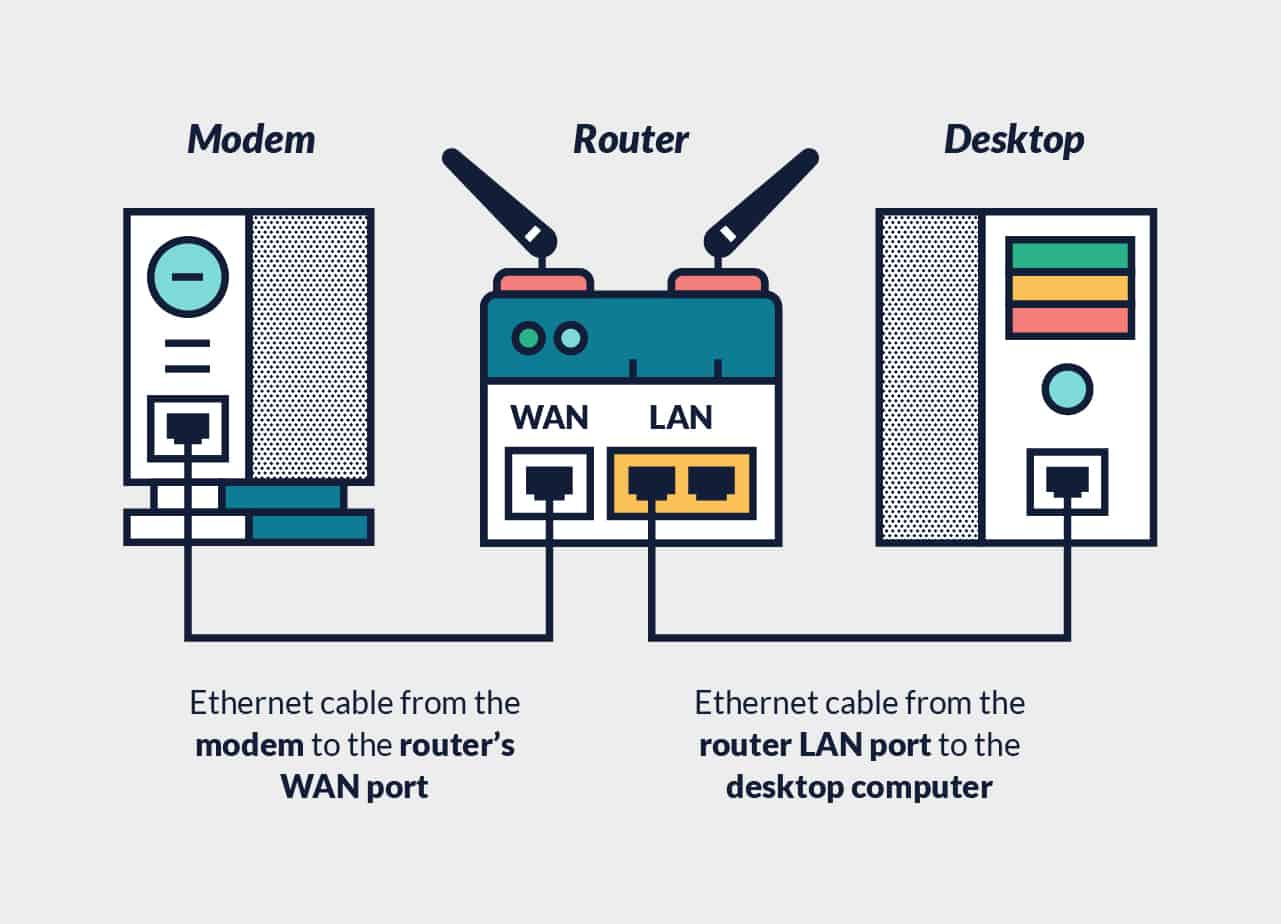
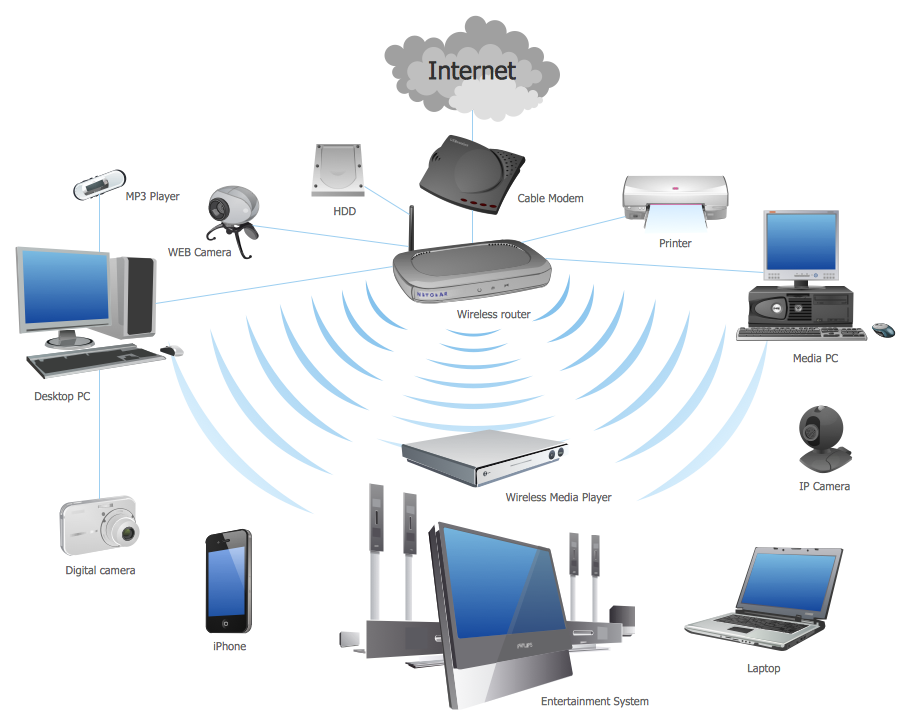
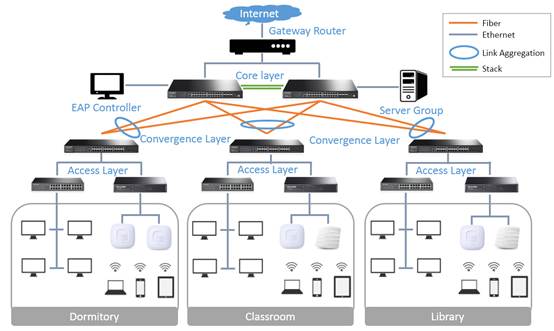
Before setting up a home office network, it's essential to understand the fundamental components involved. A typical home office network consists of a router, a modem, Ethernet cables, and devices connected to the network. The router serves as the brain of the network, managing internet traffic, assigning IP addresses, and enabling devices to connect to the network.
Choosing the Right Router
When selecting a router for your home office network, consider factors such as speed, range, and security features. Look for a router that supports the latest Wi-Fi standards, such as Wi-Fi 6, and has a reliable signal strength to cover your entire workspace.
Key Components of a Home Office Network
- Modem: Connects to your Internet Service Provider (ISP)
- Router: Manages internet traffic, assigns IP addresses, and enables devices to connect to the network
- Ethernet Cables: For connecting wired devices like printers and computers
Setting Up a Guest Network
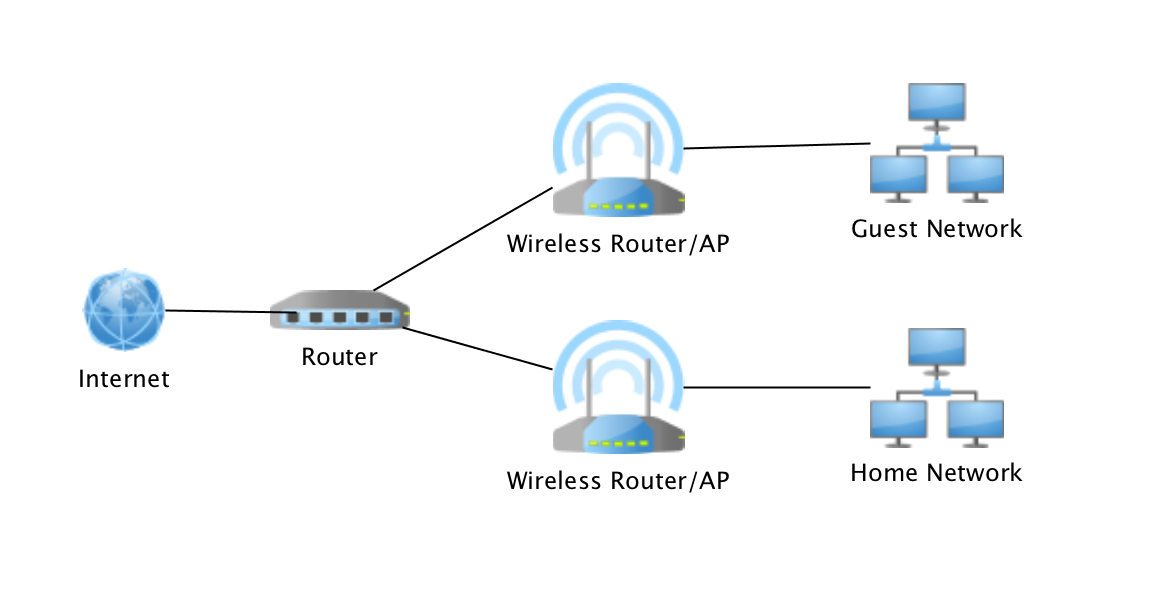
Having a secure and reliable guest network is essential for protecting your primary network from potential security threats. A guest network allows visitors to access the internet without compromising the security of your primary network.

Creating a Guest Network
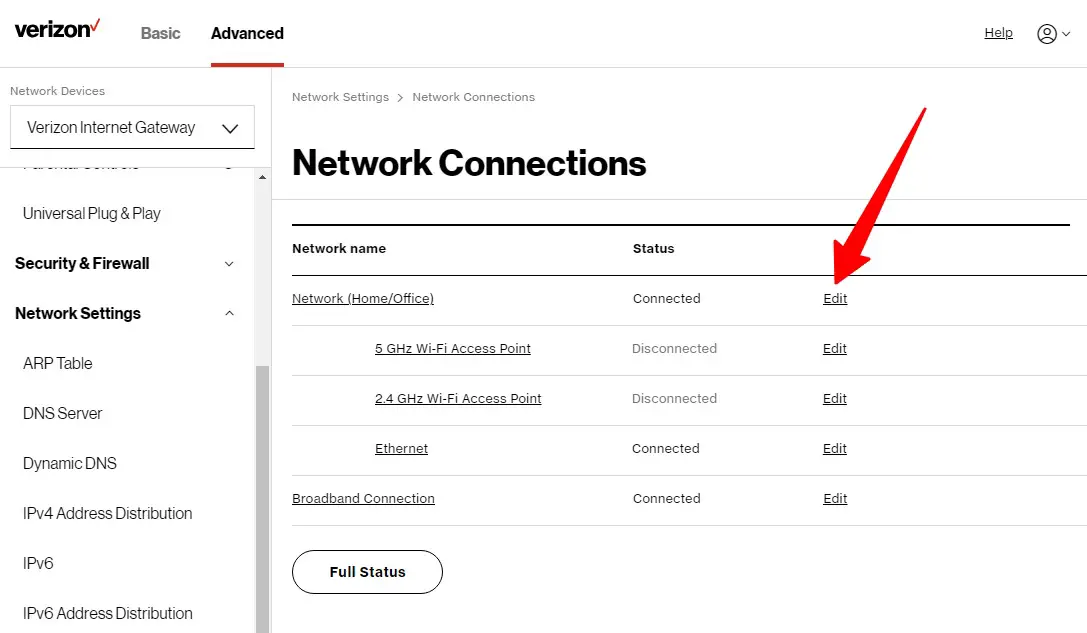
- Log into your router's admin interface
- Enable the guest network feature
- Configure the guest network settings, including the network name, password, and security settings
Configuring Advanced Router Settings
Once you've set up your router, it's essential to configure advanced settings to ensure your network is secure and efficient. This may include configuring Quality of Service (QoS) settings, enabling virtual private networks (VPNs), and optimizing your router's settings for optimal performance.
Additional Tips for Setting Up a Home Office Network
- Use a wired connection for critical devices, such as servers and printers
- Enable WPA2 (Wi-Fi Protected Access) encryption for your wireless network
- Regularly update your router's firmware to ensure you have the latest security patches and features
Conclusion
Setting up a home office network can seem daunting, but with the right guidance and understanding of the fundamental components involved, it can be a straightforward and manageable process. By following the steps outlined in this article, you can establish a reliable and efficient network that meets your home office needs and ensures seamless connectivity and productivity.
.png "Setting Up a Small Office Network: Step-by-Step - ComputerCity")
![Setting Up a Network for Home Office [2024]: Ultimate Guide | Global YO](https://autoctrls.com/wp-content/img/rdbij-home-network-diagram-with-switch-and-router.jpg "Setting Up a Network for Home Office [2024]: Ultimate Guide | Global YO")
![How to Set Up a Guest WiFi Network [Step-by-Step Guide] - Reolink](https://www.lifewire.com/thmb/55b_4EdpJWd2nwIx3w6JvKqdq5Q=/5001x3335/filters:fill(auto,1)/wireless-router-57ee8cea5f9b586c353f3e9f.jpg "How to Set Up a Guest WiFi Network [Step-by-Step Guide] - Reolink")