Solar Panel Cost Calculation: A Comprehensive Guide to Understanding the Costs
The idea of going solar has never been more appealing, with the cost of solar panels decreasing significantly over the years and government incentives making it more accessible than ever. However, it's essential to have a clear understanding of what goes into the price of a residential solar system. In this article, we'll break down the solar panel cost calculation, helping you make an informed decision about making the switch.
Factors Influencing Solar Panel Cost
The cost of solar panels varies depending on several factors, including system size, energy use, location, and panel efficiency. To get an accurate estimate, consider the following:
- System size: Larger systems are more expensive, but they also generate more power.
- Energy use: If your household consumes more energy, you'll need a bigger system to meet your needs.
- Location: Installation costs vary depending on the state or region you reside in.
- Panel efficiency: High-efficiency panels can cost more, but they also generate more energy per unit.
Understanding Solar Panel Cost Per Watt
The most accurate pricing metric for solar panels is cost per watt. This measurement helps you compare prices from different manufacturers and installers. To calculate the cost per watt, divide the total system cost by the total wattage of the system. For example, a 3 kW system with a total cost of $10,000 would have a cost per watt of $3.33 ($10,000 ÷ 3000 watts).
Other Costs to Consider
While the solar panels themselves are the main focus, other costs can add up quickly. These include:
- Installation labor: The cost of hiring a professional to install the system.
Tax Credits and Incentives
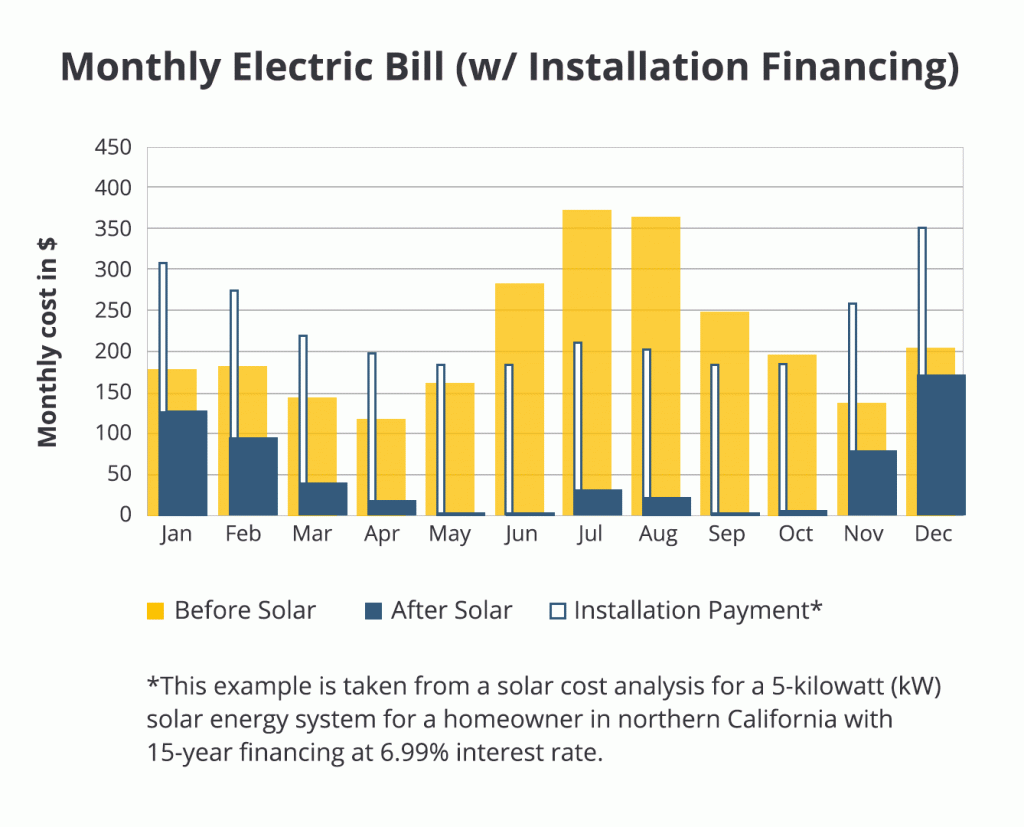
Government incentives can significantly reduce the upfront cost of a solar panel system. In the United States, the 30% federal tax credit applies to solar installations, making it an attractive option for homeowners. Additionally, many states and local governments offer their own incentives, such as rebates and tax credits.
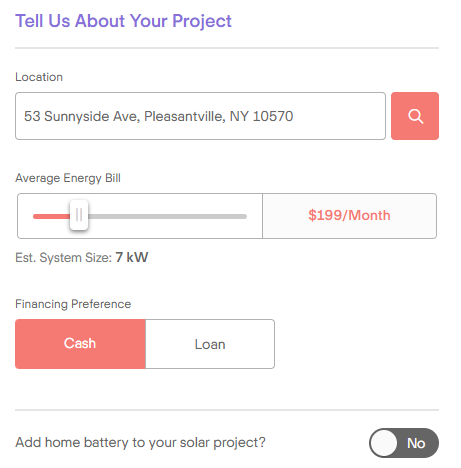
Using a Solar Panel Cost Calculator
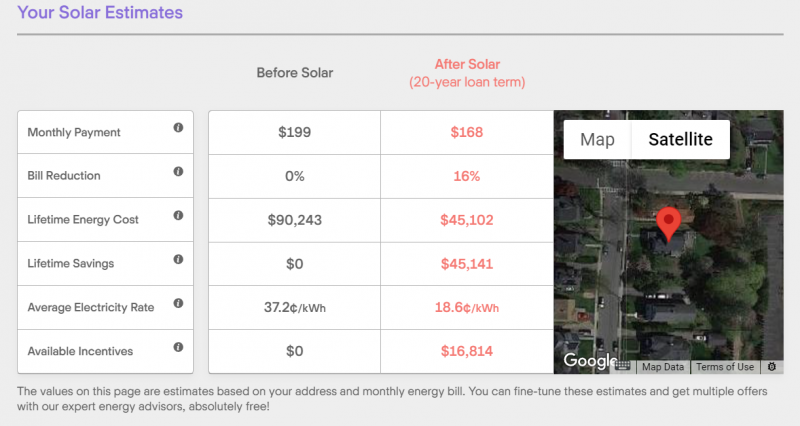
Online solar panel cost calculators are invaluable tools for understanding the costs associated with solar energy. They provide an estimate of the system size and cost, based on your location, roof measurements, and current local electric rates. By inputting your information, you'll get a clear picture of what to expect from a solar panel installation. Some popular solar calculators include:
- Project Sunroof: A free tool from Google that helps you map your roof's solar savings potential.
- Get a sense of how much solar panels cost—with a sense of what to expect—before you are serious about going solar—is important for several reasons
Example: Solar Panel Cost Calculation
Let's say you're a homeowner in California, looking to install a 3 kW solar panel system. Based on your roof size and energy usage, our calculator estimates the following costs:
System size: 3.2 kW
System cost: $8,000 (before incentives)
Cost per watt: $2.50
With the 30% federal tax credit, the total cost would be: $5,600
Conclusion
Solar panel cost calculation is a crucial step in determining whether solar energy is a viable option for your home. By understanding the factors that influence the cost, using a reputable solar calculator, and taking advantage of tax credits and incentives, you can make an informed decision about your solar investment. Compared to the rising costs of fossil fuels, solar energy is a reliable and cost-effective source of power for your home.