The GLP-1 Diet for Weight Loss in Pre-Diabetic Patients
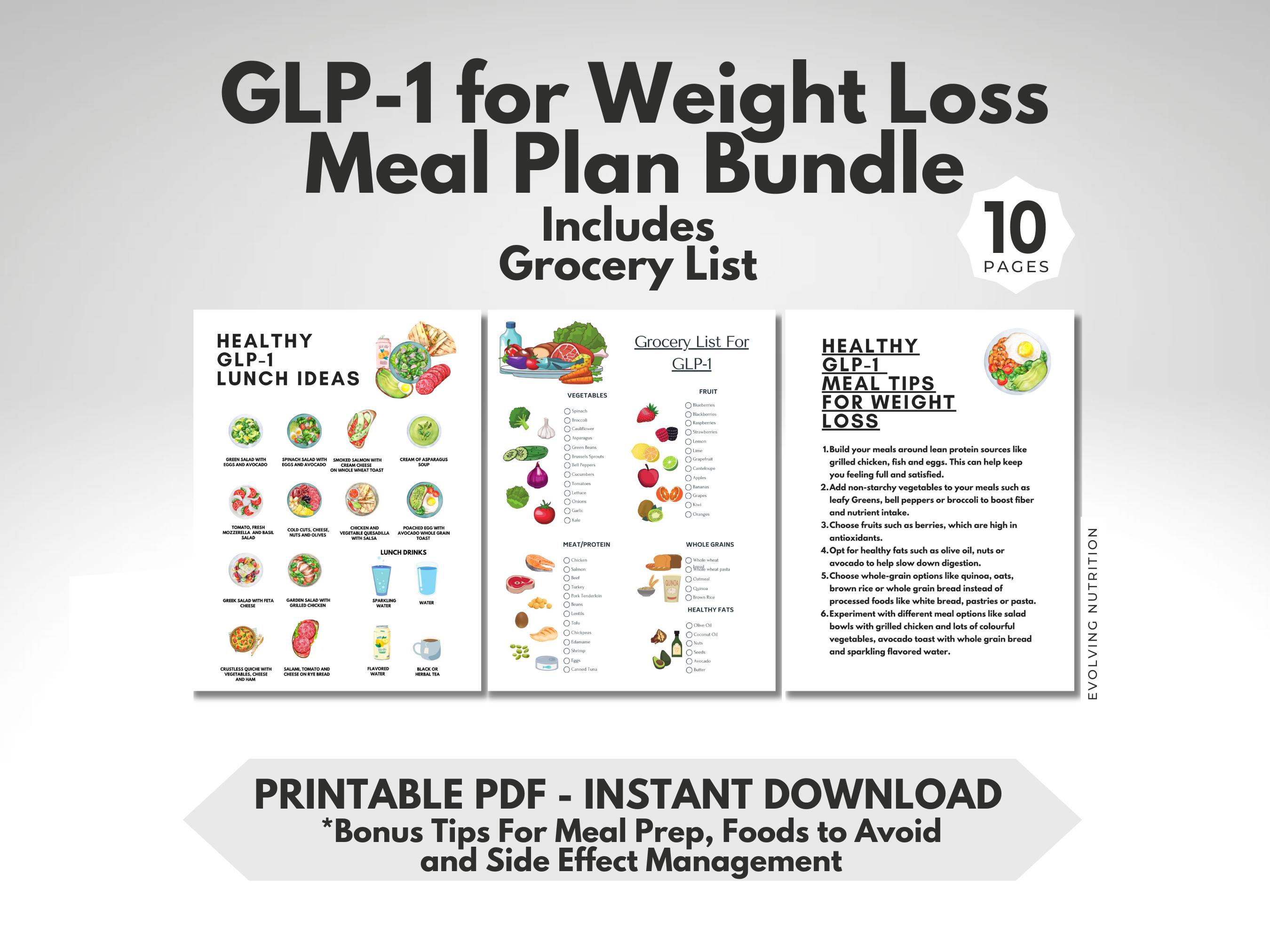
Weight loss is a significant concern for many individuals, especially those at risk of developing type 2 diabetes. For pre-diabetic patients, incorporating lifestyle changes, including diet and exercise, is essential in managing their condition and preventing the onset of diabetes. One approach that has shown promise is the GLP-1 diet, which combines nutritional and medical management of gastrointestinal side effects with dietary preferences and intakes. This article aims to provide an overview of the GLP-1 diet for weight loss in pre-diabetic patients, its benefits, and how it can be incorporated into daily life.What is the GLP-1 Diet?
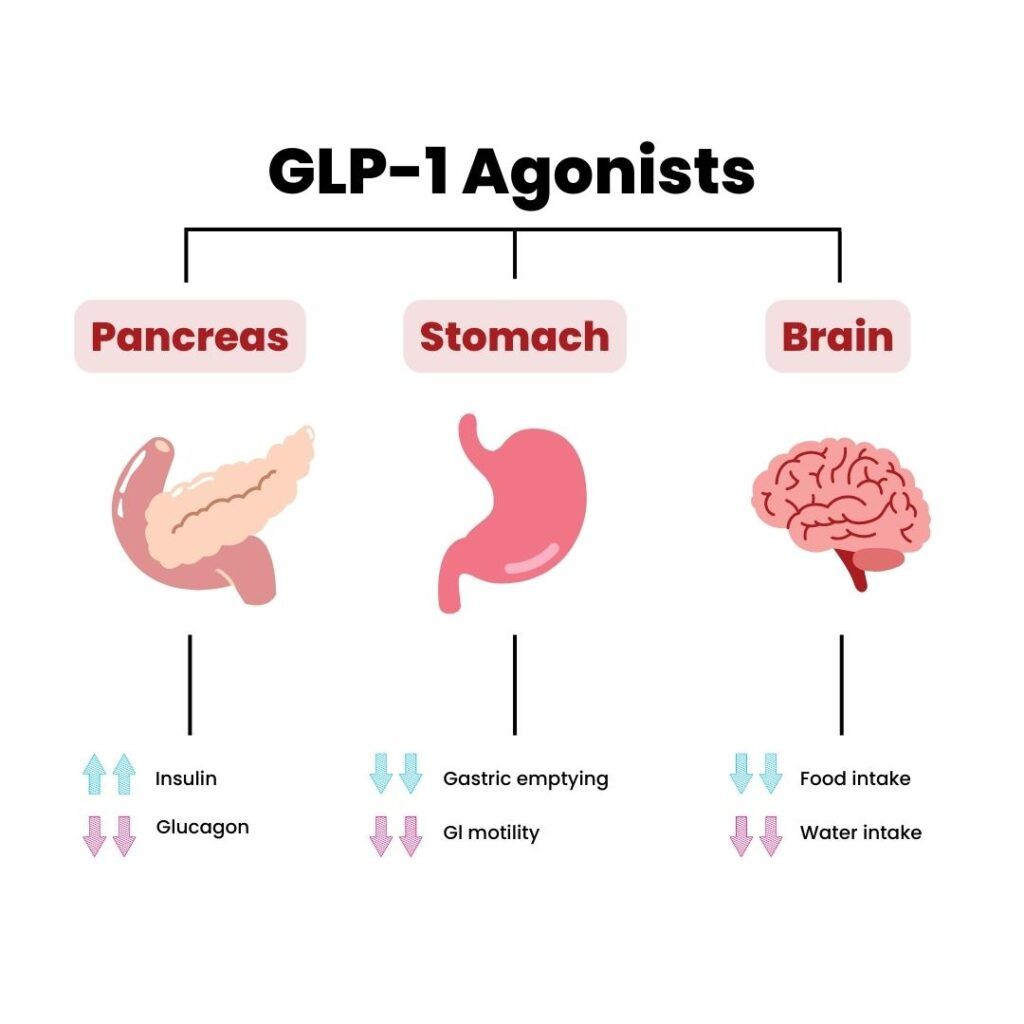
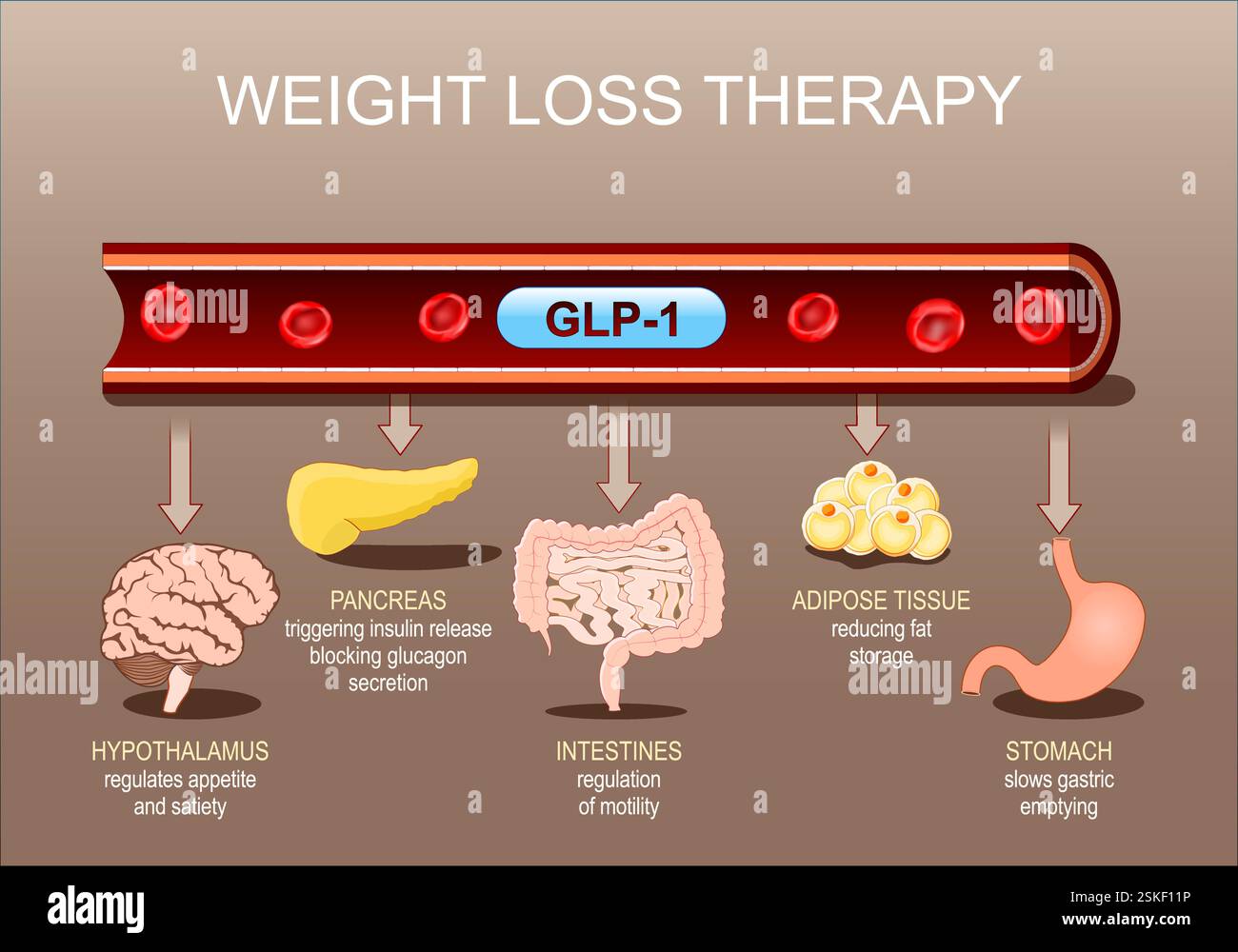
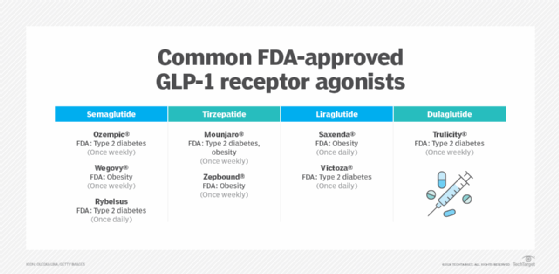
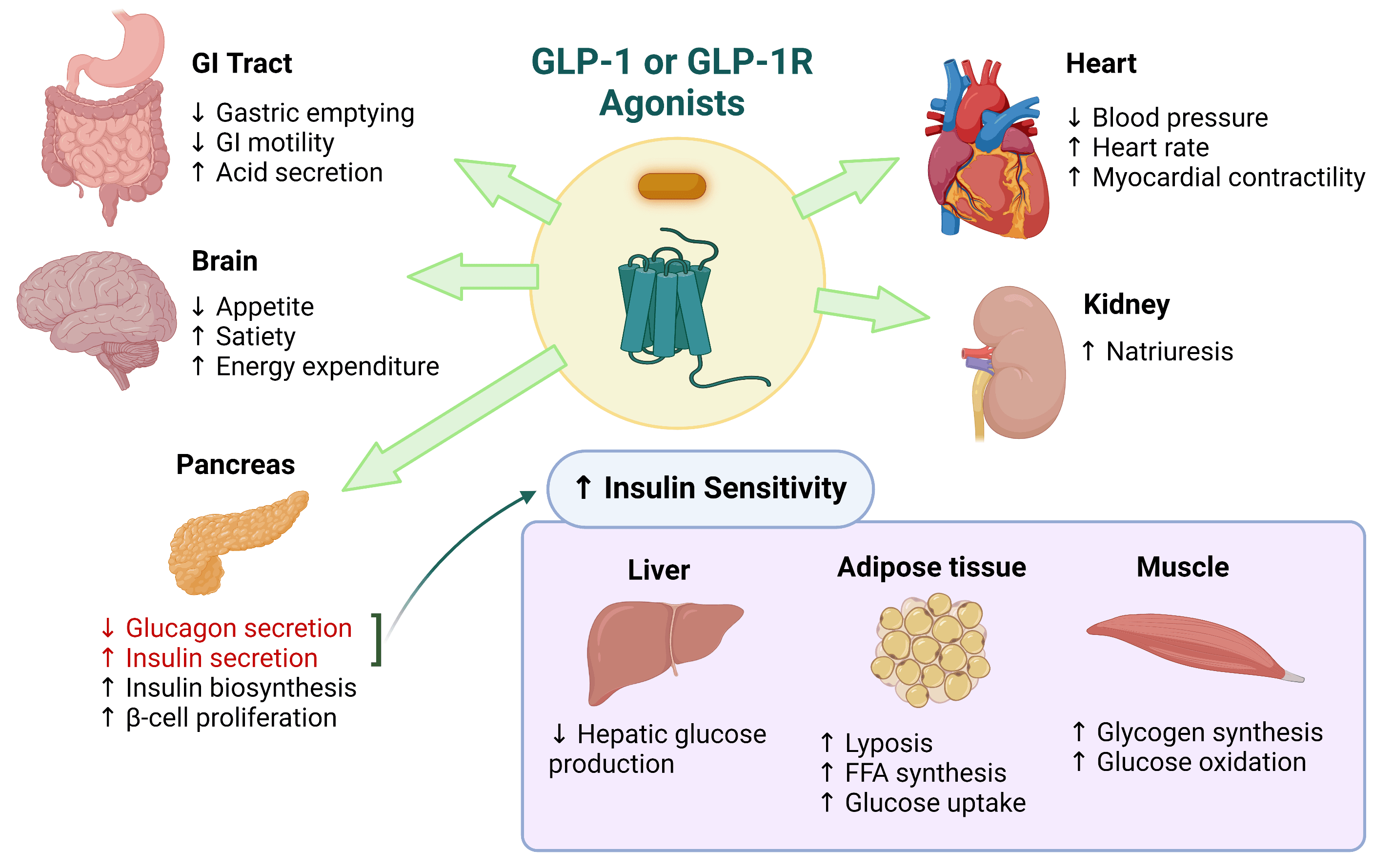
The GLP-1 diet is a comprehensive approach that mimics the effects of glucagon-like peptide-1 (GLP-1) agonists, a class of medications used to treat type 2 diabetes. These medications work by stimulating the release of insulin and slowing gastric emptying, which helps regulate blood sugar levels and trigger weight loss. The diet focuses on whole, nutrient-dense foods, including protein, healthy fats, and fiber-rich vegetables, while avoiding simple carbohydrates, added sugars, and saturated fats.Benefits of the GLP-1 Diet for Pre-Diabetic Patients
The GLP-1 diet offers numerous benefits for pre-diabetic patients, including:- Weight loss: The diet promotes sustainable weight loss, which is essential in managing blood sugar levels and reducing the risk of developing type 2 diabetes.
- Improved blood sugar control: The diet helps regulate blood sugar levels by stimulating insulin release and slowing gastric emptying.
- Reduced risk of complications: By managing blood sugar levels and promoting weight loss, the GLP-1 diet can reduce the risk of complications associated with pre-diabetes, such as heart disease and kidney disease.
- Improved health and well-being: The diet promotes healthy eating habits, including the consumption of nutrient-dense foods, whole grains, and lean protein, which can lead to improved overall health and well-being.
Key Components of the GLP-1 Diet

- Protein-rich foods: Incorporate lean protein sources, such as poultry, fish, and legumes, into meals to help regulate hunger and control blood sugar levels.
- Healthy fats: Nuts, seeds, avocados, and olive oil are rich in healthy fats that can help slow gastric emptying and reduce hunger.
- Fiber-rich vegetables: Vegetables like broccoli, spinach, and bell peppers are rich in fiber, which can help slow gastric emptying and regulate blood sugar levels.
- Whole grains: Whole grains, such as brown rice, quinoa, and whole-wheat bread, provide fiber, vitamins, and minerals, which are essential for maintaining healthy blood sugar levels.
- Complex carbohydrates: Incorporate complex carbohydrates, such as sweet potatoes and whole-grain pasta, into meals to provide sustained energy and prevent spikes in blood sugar levels.
Managing Gastrointestinal Side Effects
GLP-1 agonists can cause gastrointestinal side effects, such as nausea and constipation. To manage these side effects, it is essential to incorporate foods that are gentle on the stomach, such as:- Bananas: Rich in potassium, bananas can help alleviate nausea and constipation. li>Yogurt: Yogurt contains probiotics, which can help regulate bowel movements and reduce the risk of constipation. li>Ginger and peppermint tea: These herbal teas can help soothe the stomach and reduce nausea.