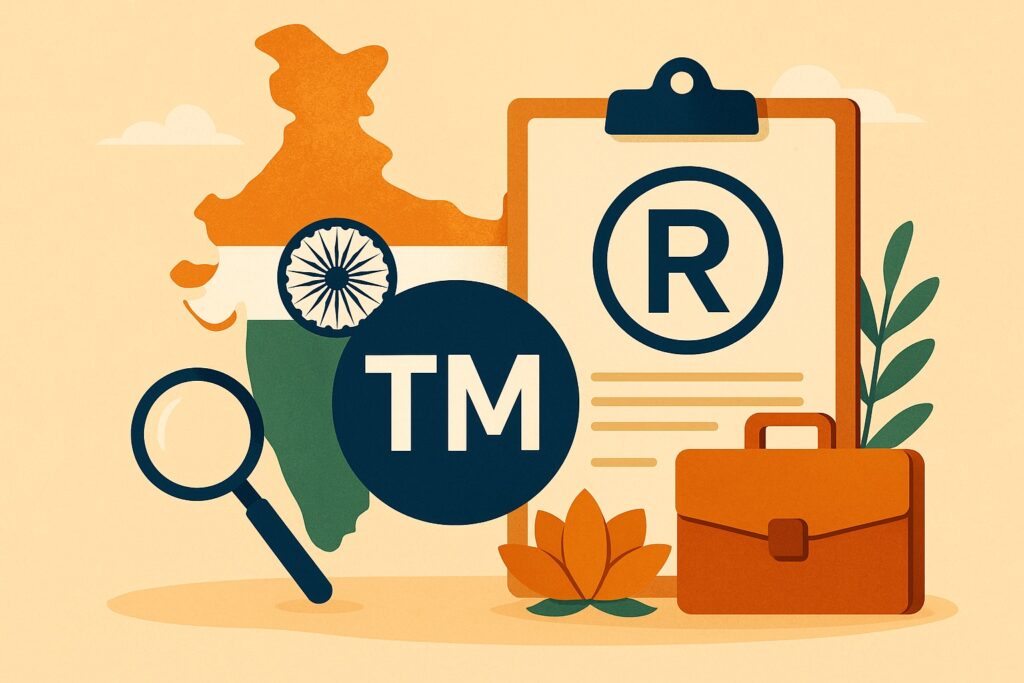
Understanding the Trademark Office in India
The Trademark Office in India plays a crucial role in the administration and enforcement of trademark laws in the country. As a subordinate office of the Government of India, it is responsible for managing the registration of trademarks and ensuring that businesses and individuals comply with applicable laws and regulations.
Importance of Trademark Registration
Trademark registration offers several benefits, including the exclusive right to use a unique symbol, phrase, or design that identifies a product or service. It also provides a way to prevent others from misusing a trademark and passing off their goods or services as those of the registered owner.
How to Register a Trademark in India
The process of registering a trademark in India involves several steps, including preparing and filing an application with the Trademark Office. The application should include information such as the name and address of the applicant, a description of the trademark, and a representation of the mark. The application should also be accompanied by the necessary fees.
Types of Trademarks
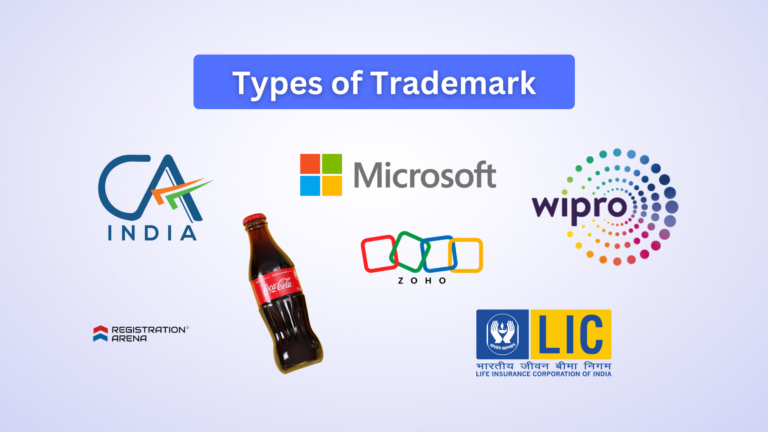
Trademarks can take many forms, including words, phrases, logos, and sounds. The Indian Trade Marks Registry has widened its scope in recent years to include a broader range of marks. Companies are now more aggressively registering sound marks, as seen in the example of the Netflix "ta-dum" sound.
The Role of the Controller General of Patents, Designs and Trademarks
The Controller General of Patents, Designs and Trademarks (CGPDTM) is responsible for administering the Indian law of patents, designs, and trademarks. The CGPDTM is a government agency that reports to the Department of Industrial Policy and Promotion (DIPP) and is responsible for maintaining the Register of Trade Marks.
Jurisdiction of the Trademark Office in India
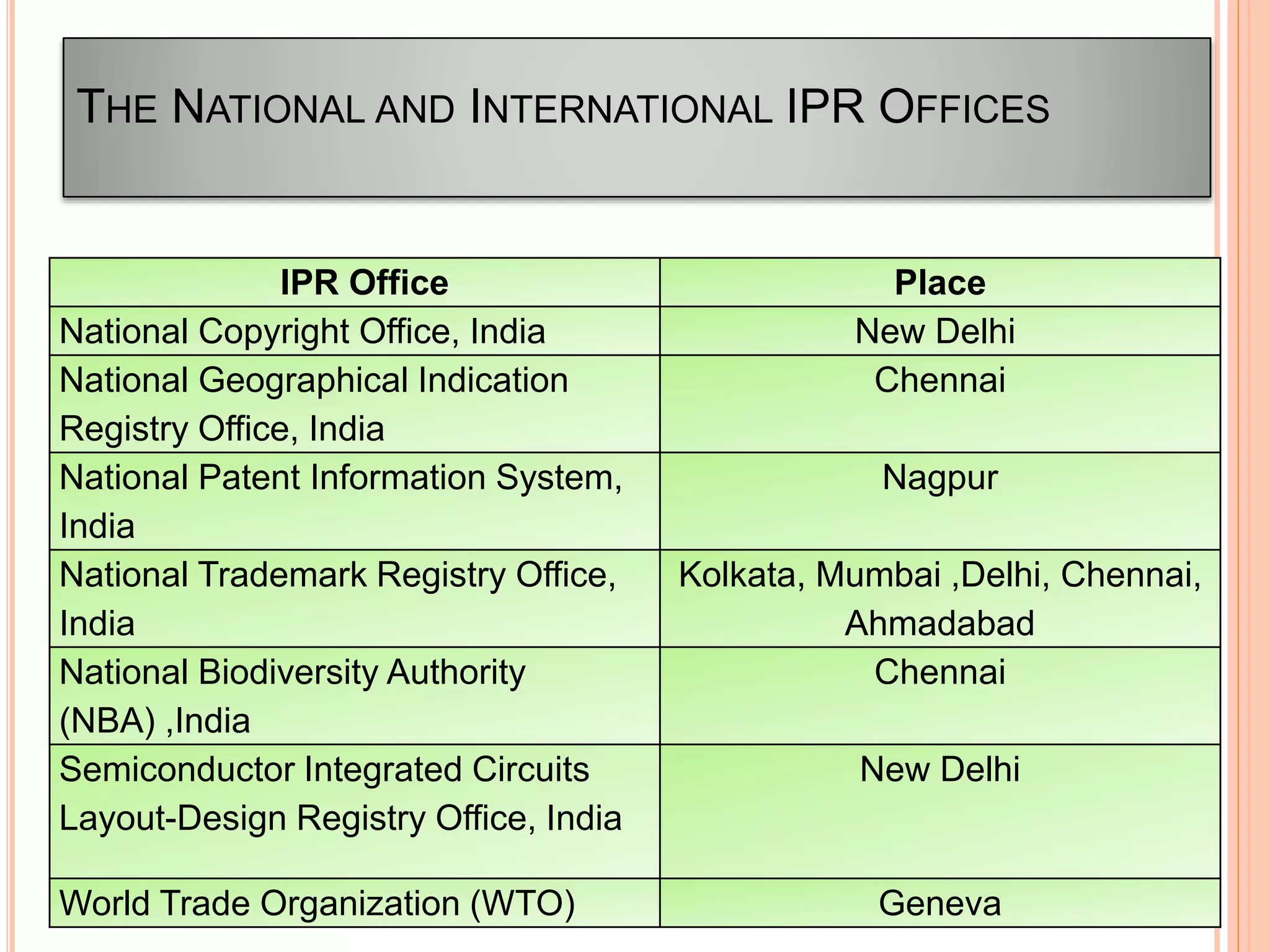
The Trademark Office in India has territorial jurisdictions over various states and union territories in the country. The Mumbai Trademark office has jurisdiction over Maharashtra, Madhya Pradesh, Chhattisgarh, and Goa, while the Ahmedabad Trademark office has jurisdiction over Gujarat and Rajasthan, and the Union territories of Daman, Diu, Dadra, and Nagar Haveli.
Advantages of Registering a Trademark
Registering a trademark provides several advantages, including nationwide protection, the right to file a federal lawsuit against anyone who copies it, and the ability to license the mark to others. It also provides a way to prevent others from misusing a trademark and passing off their goods or services as those of the registered owner.
How to Research and Choose a Trademark
Before registering a trademark, it is essential to conduct thorough research to ensure that the mark is available and not already in use by someone else. One way to research available trademarks is to use online tools, such as the Indian Trade Marks Registry's online database. It is also essential to consider the likelihood of consumer confusion and the potential for infringement when selecting a trademark.
What is a Trademark in India?
A trademark in India is a visual or sensory symbol that acts as a source identifier. It helps consumers distinguish a company's goods or services from those of its competitors. The Indian Trade Marks Registry has widened its scope in recent years to include a broader range of marks, including sound marks.
Types of Trademarks in India
Trademarks in India can take many forms, including words, phrases, logos, and sounds. The Indian Trade Marks Registry has widened its scope in recent years to include a broader range of marks, including sound marks.
How to Register a Trademark in India through e-Filing
The Trademark Office in India offers an e-filing system that allows applicants to submit their trademark applications online. To register a trademark in India through e-filing, applicants need to have a digital signature and follow the steps outlined on the Trademark Office's website.