Trademark Search in Australia Review: A Comprehensive Guide
The Australian economy is one of the most dynamic and competitive markets in the world, making it essential for businesses to protect their intellectual property (IP) rights. One of the most crucial steps in this process is conducting a trademark search in Australia. In this article, we will explore the best practices for searching for existing trademarks in Australia and provide a thorough review of the trademark search process.
Why Conduct a Trademark Search in Australia?
A trademark search in Australia is crucial to ensure that your business's brand identity is protected from potential conflicts with existing trademarks. If you apply for a trademark and it is similar to an existing one, it could result in a costly and time-consuming legal battle. Therefore, conducting a thorough search is essential to avoid this scenario.
With the new Australian Trade Mark Search (ATMS) platform launched in 2017, it is easier than ever to find existing registered and pending trademarks in Australia. ATMS replaces the older Australian Trade Marks Online Search System (ATMOSS) and provides a more comprehensive and user-friendly database of trademarks.
Understanding the Search Process
Conducting a trademark search in Australia involves several steps. First, you need to determine the type of search you want to conduct. You can choose between two options: TM Checker and Australian Trade Mark Search (ATMS). TM Checker provides more feedback on the likely success of a registered trademark application, while ATMS allows you to search for registered and pending trademarks.
Next, you need to identify the class of goods or services your trademark will be used for. This will help you narrow down your search results to only the relevant trademarks. You can use the International Classification of Goods and Services (Nice Classification) to determine the class of your trademark.
Factors to Consider When Reviewing Search Results

When reviewing search results, several factors should be considered. These include:
- Similarity:** Assess whether the searched trademark is identical or similar to your proposed brand.
- Classification:** Ensure that the trademark is registered in the correct class of goods or services.
- Use:** Verify whether the trademark has been in use, but not officially registered.
- Confusion:** Check whether the trademark could cause confusion among customers and potential customers.
Reviewing Common Law Trademarks
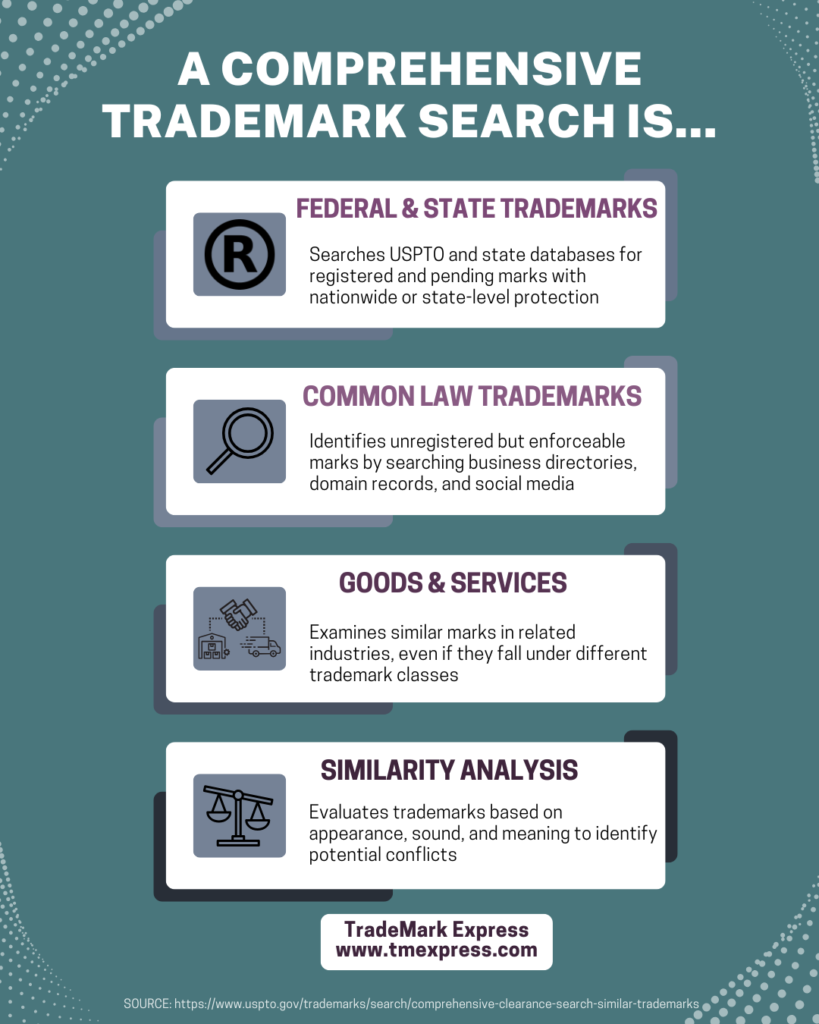
In addition to registered trademarks, it is essential to review common law trademarks. These are unregistered trademarks that may still have rights and protection under Australian law. Common law trademarks may include brand names, logos, and other intellectual property that have been used in business without official registration.
This can pose a threat to your proposed trademark, especially if it has been in use for an extended period. Therefore, it is crucial to review common law trademarks as part of your trademark search process.
Conclusion
In conclusion, a trademark search in Australia is a critical step in protecting your business's IP rights. By understanding the search process and factors to consider when reviewing search results, you can ensure that your trademark does not conflict with existing ones. Use the Australian Trade Mark Search (ATMS) platform to conduct a thorough search and protect your brand identity.
Remember, a trademark search in Australia is not a one-time task. As your business evolves, it is essential to conduct regular trademark searches to ensure that your brand remains protected.