Window Material Guide: Choosing the Right Frame for Your Home
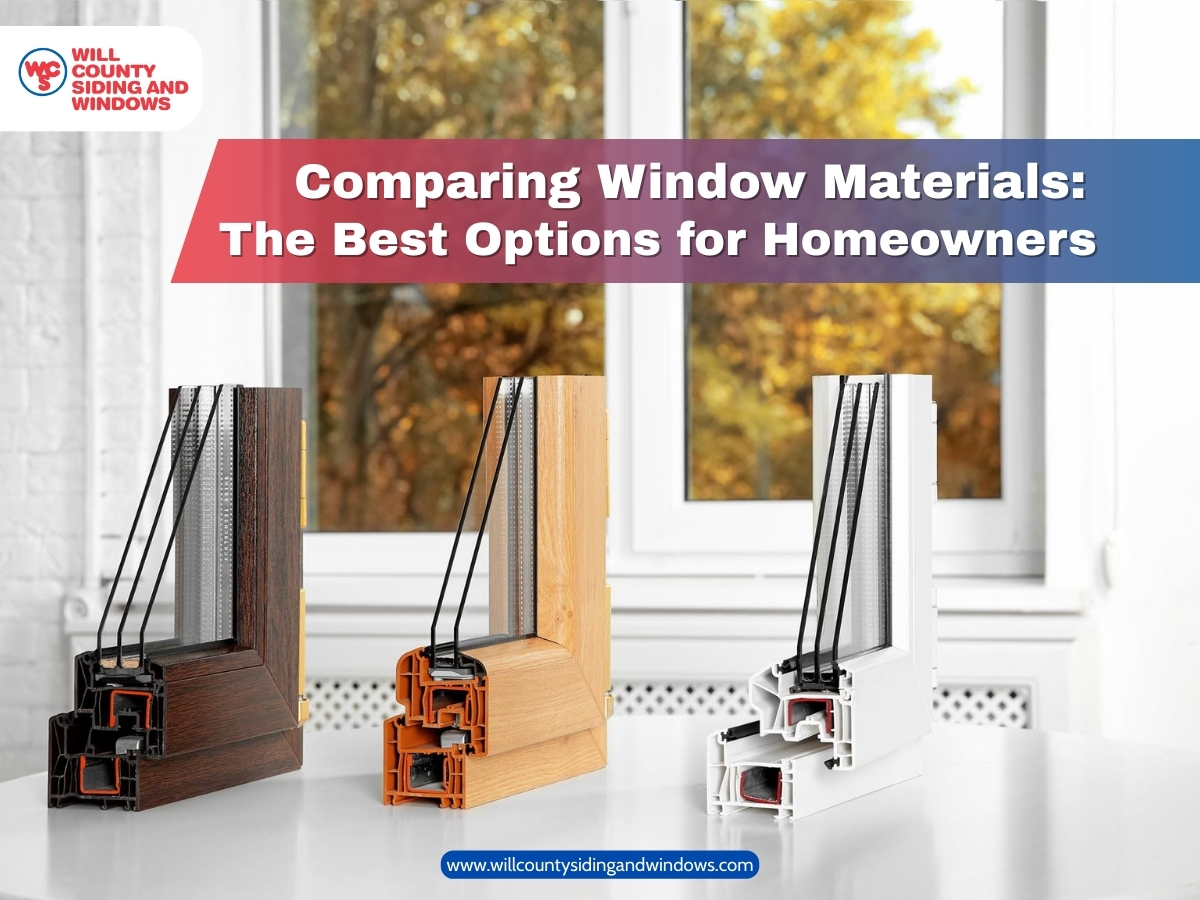
When it comes to replacing windows, one of the most critical decisions you'll make is selecting the right frame material. With a plethora of options available, from vinyl to wood, aluminum to fiberglass, and composite materials, it can be overwhelming to choose the best fit for your home.
Understanding the Importance of Window Frame Material
Windows do more than just let in light; they play a significant role in regulating temperature, reducing energy bills, and adding character to your home. While glass gets most of the attention, it's the frame that often determines how well a window performs over time. A well-chosen frame material can make a significant difference in the overall performance and durability of your windows.
Window Frame Materials: A Comprehensive Guide
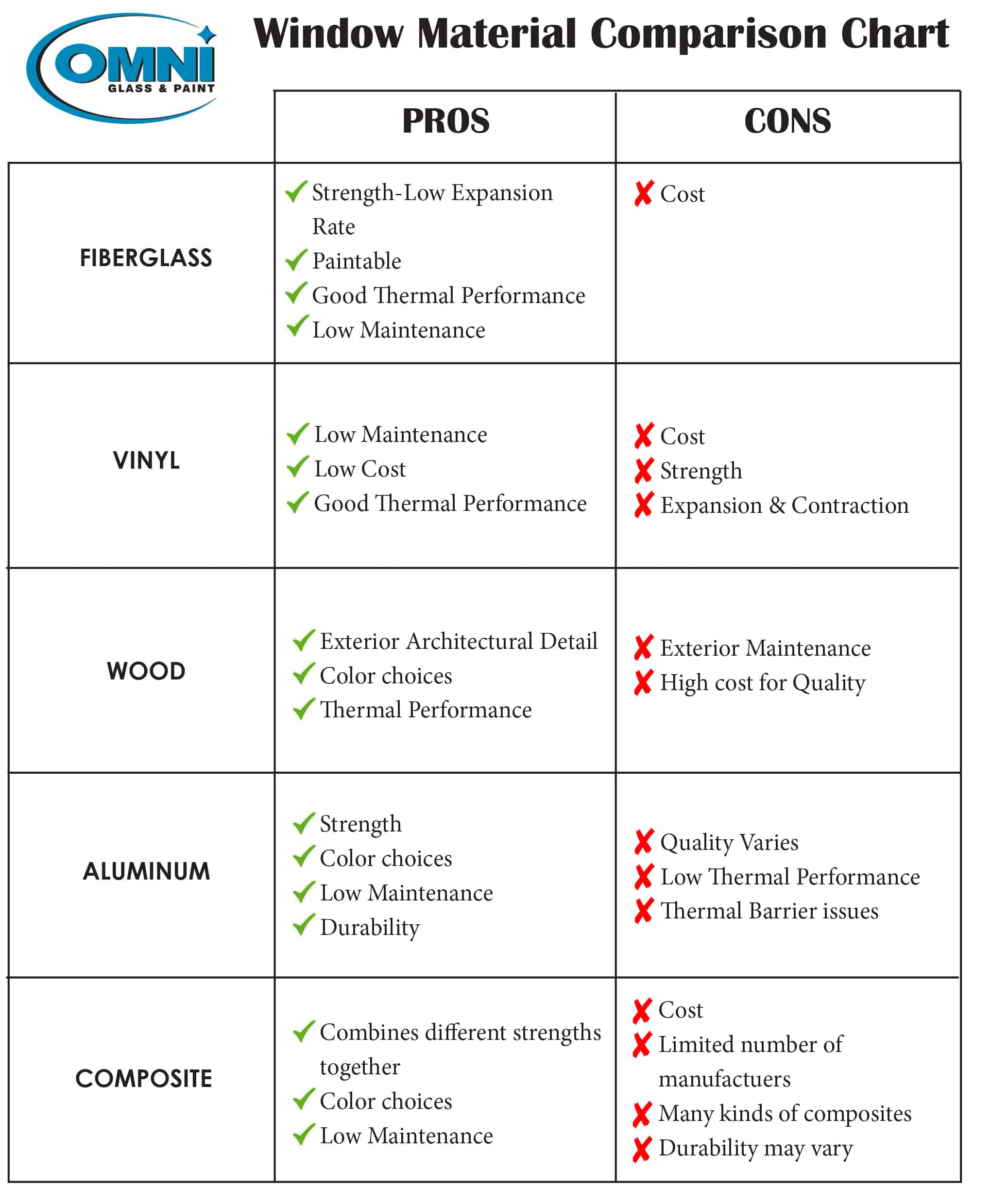
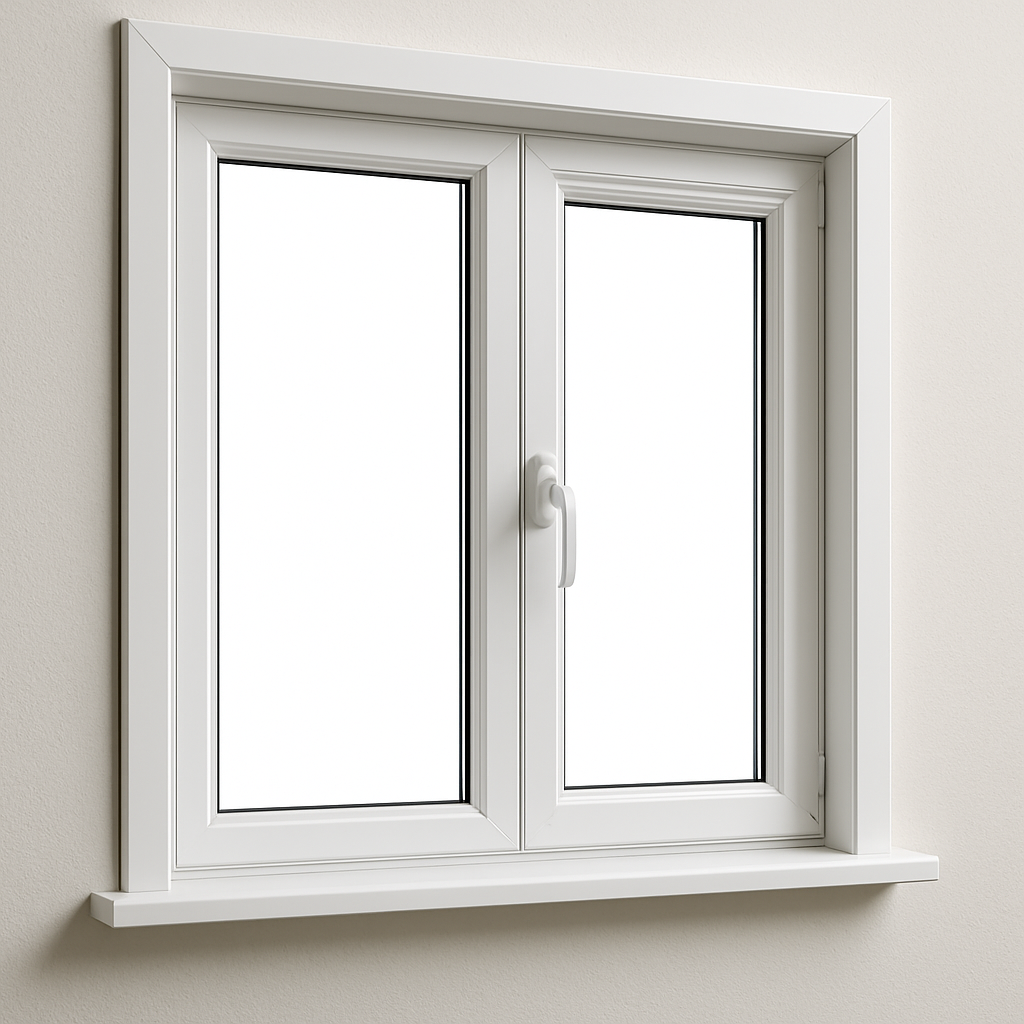
Vinyl Window Frames
- Pros: Low maintenance, energy efficient, affordable
- Cons: May warp or become brittle in extreme temperatures, limited durability
Vinyl window frames are a popular choice for homeowners due to their low maintenance requirements and energy efficiency. However, they may not be the best option for extreme climates or heavy weather conditions.
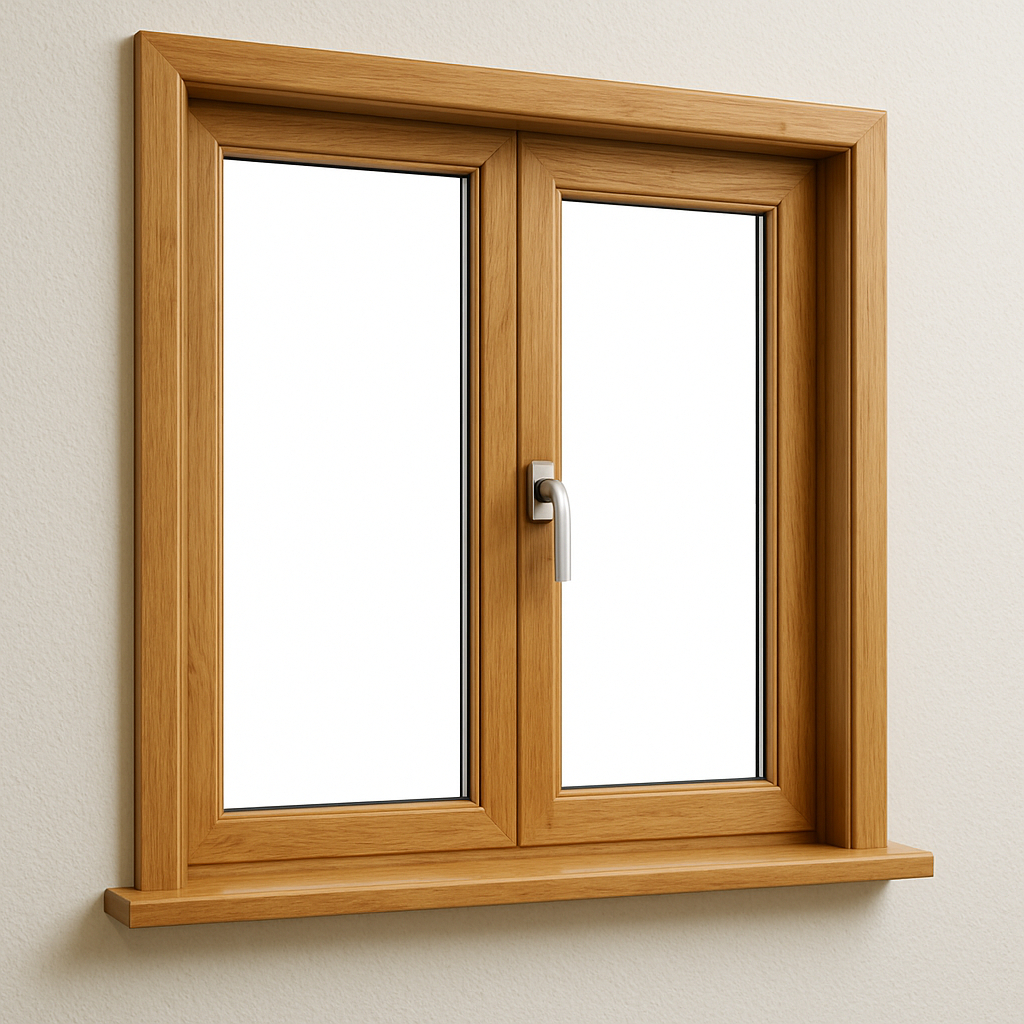
Wood Window Frames
- Pros: Aesthetically pleasing, durable, can be repaired
- Cons: Requires regular maintenance, can be prone to warping or rotting
Wood window frames offer a classic look and feel, but they require regular maintenance to ensure durability and longevity. They can be prone to warping or rotting, especially in humid environments.
Aluminum Window Frames
- Pros: Lightweight, corrosion-resistant, easy to install
- Cons: May conduct heat and cold, limited durability

Aluminum window frames are a cost-effective option, but they may not be the best choice for energy efficiency. They can conduct heat and cold, leading to increased energy bills.
Fiberglass Window Frames
- Pros: Energy efficient, durable, resistant to warping or rotting
- Cons: May be more expensive than other materials, can be prone to scratches
Fiberglass window frames offer excellent energy efficiency and durability, making them a popular choice for homeowners. However, they may be more expensive than other materials and can be prone to scratches.
Composite Window Frames
- Pros: Durable, low maintenance, resistant to warping or rotting
- Cons: May be more expensive than other materials, can be prone to scratches
Composite window frames are made from a combination of materials, offering durability and low maintenance requirements. However, they may be more expensive than other materials and can be prone to scratches.
Factors to Consider When Choosing a Window Frame Material
When selecting a window frame material, consider the following factors:
- Climate: Extreme temperatures, heavy weather conditions, or high humidity may require a more durable material.
- Energy efficiency: If you're looking to reduce energy bills, consider materials like fiberglass or composite.
- Maintenance: If you prefer low maintenance requirements, consider vinyl or aluminum.
- Aesthetics: If you're looking for a classic look, consider wood or composite.
Conclusion
Selecting the right window frame material is a critical decision that can impact the overall performance and durability of your windows. By considering the factors outlined in this guide, you can make an informed decision that meets your needs and budget.