Find Peace and Tranquility with Anxiety Relief Journal Questions
Feeling overwhelmed by anxiety? Writing down your thoughts and emotions can be a game-changer. Journaling has been shown to decrease stress and anxiety levels by providing a safe space for self-expression and reflection.
Understanding the Benefits of Journaling for Anxiety Relief
Journaling for anxiety is a simple yet powerful tool that allows you to process and manage anxious thoughts and emotions. By writing down your worries, you can break free from the cycle of rumination and start to reframe negative thoughts. Regular journaling practice can help you:
- Identify triggers and patterns of anxiety
- Develop a more positive and hopeful outlook
- Improve emotional regulation and resilience
- Enhance self-awareness and self-acceptance
How to Start a Journaling Practice for Anxiety Relief
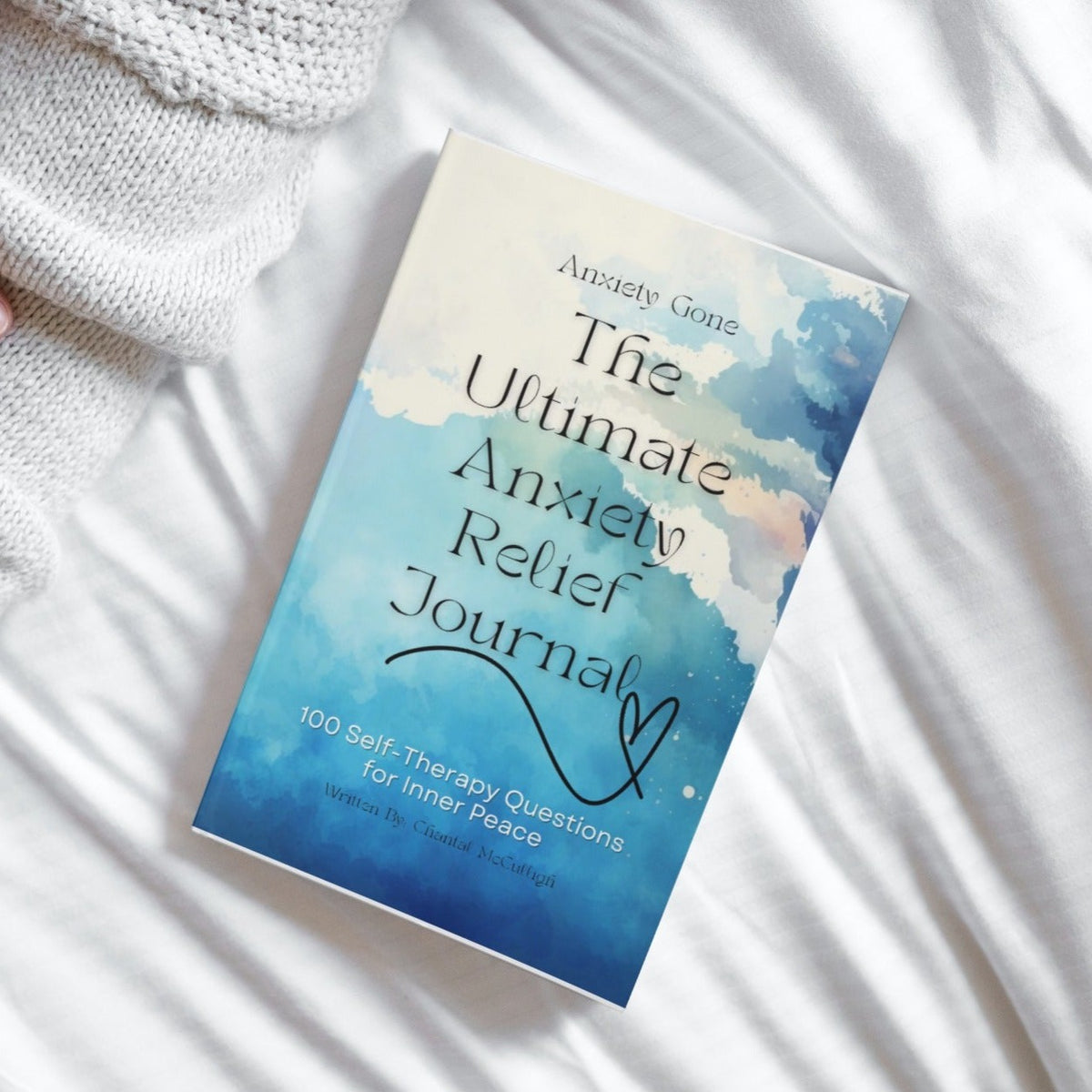
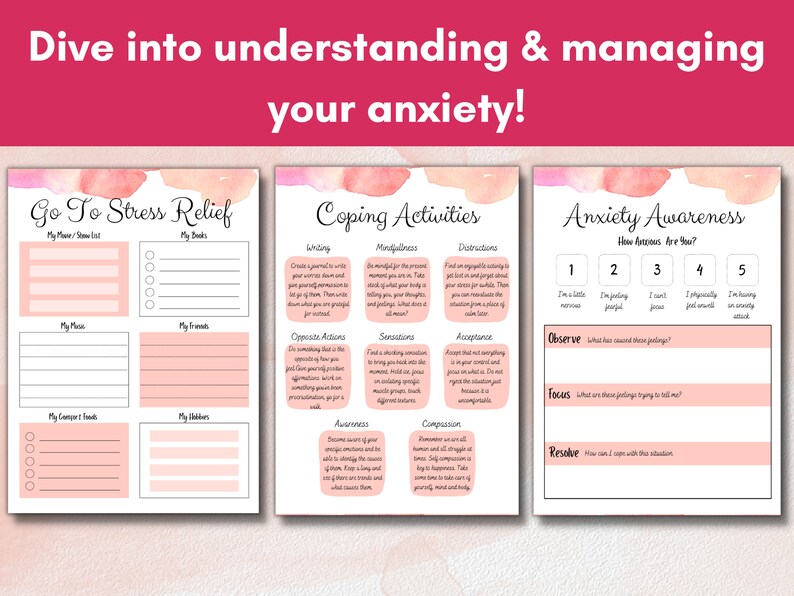
To get started with journaling for anxiety, begin by setting aside a quiet and comfortable space where you can write without distractions. Choose a journal that feels good to you – whether it's digital or physical, lined or blank – and start with short, daily entries. Consider using guided prompts or questions to help stimulate your writing and reflection.
15 Powerful Journal Prompts for Anxiety Relief

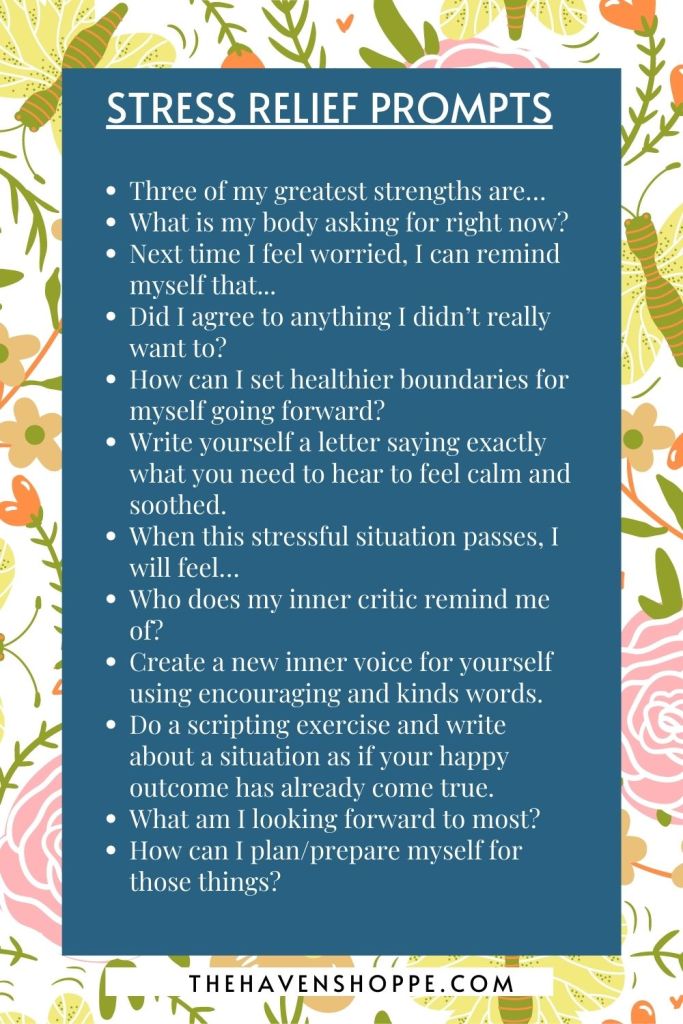
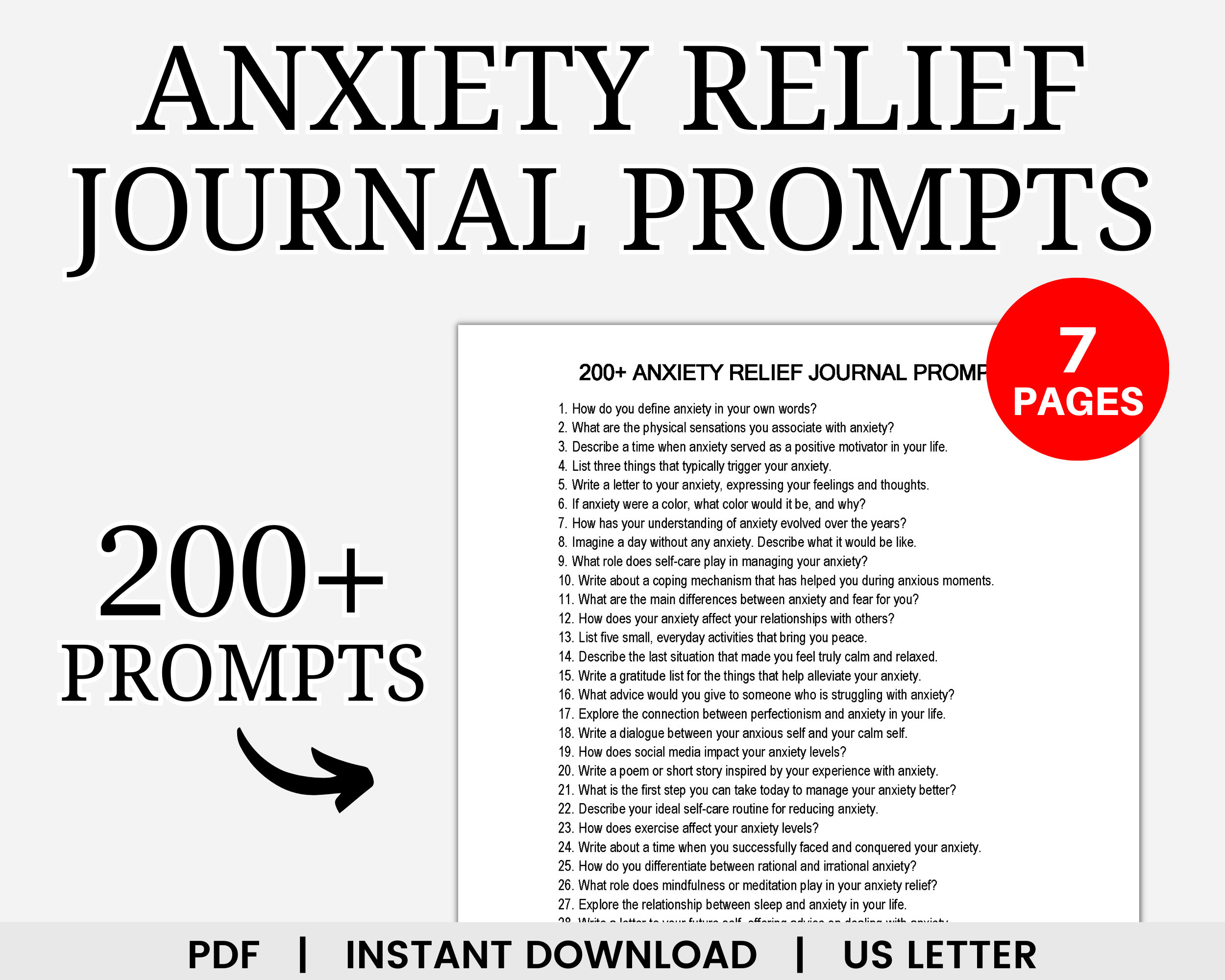
Here are 15 journaling prompts designed to help you tackle anxiety and find peace:
- What are the physical sensations I feel when I experience anxiety?
- What are the thoughts that trigger my anxiety?
- How do I typically respond to anxiety-provoking situations?
- What self-care practices can I incorporate into my daily routine?
- What are my goals for managing anxiety in the next week/month/year?
- How can I reframe negative thoughts and replace them with more positive ones?
- What are my strengths and coping skills that help me manage anxiety?
- How can I improve my sleep habits to reduce anxiety?
- What are my thoughts and feelings about a recent anxiety-provoking event?
- How can I practice mindfulness and stay present in the moment?
- What self-compassion practices can I use to soothe myself during anxious moments?
- How can I communicate my needs to others to reduce stress and anxiety?
- What are the things I'm grateful for today?
- How can I challenge and reframe negative self-talk?
- What self-care practices can I use to relax and reduce stress?
Journaling vs. Free-Form Writing: What's the Difference?
While free-form writing can be helpful for some, structured journaling with specific prompts can be more effective for anxiety relief. Using prompts helps you stay focused on your goals and provides a clear framework for exploring your thoughts and emotions. By using prompts, you can:
- Gain clarity on areas where you need to focus
- Develop a sense of direction and purpose
- Improve your self-awareness and emotional regulation
- Reduce rumination and increase positive reflection
Not everyone prefers the same type of journal. Some may enjoy writing on paper, while others prefer digital journaling. Some may need the structure of a guided journal, while others prefer freewriting. Experiment with different types of journals and tools to find what works best for you.
Conclusion: Embracing Journaling for Anxiety Relief
Journaling for anxiety relief is a powerful tool that can help you manage stress, reduce anxiety, and cultivate a more positive outlook. By setting aside time to write and reflect, you can:
- Gain clarity on areas where you need to focus
- Develop a sense of direction and purpose
- Improve your self-awareness and emotional regulation
- Reduce rumination and increase positive reflection
Start Your Journey to Anxiety Relief Today
Don't let anxiety control your life. Start journaling today and take the first step towards a more peaceful and balanced you.