Breaking Down Barriers: Anxiety Relief Strategies for Public Speaking
Public speaking is a common fear that affects many individuals, whether it's presenting at work, speaking in front of a class, or sharing ideas with a group. However, with the right strategies, it's possible to manage and even overcome this anxiety to deliver confident and effective speeches.
Understanding the Fear of Public Speaking
Also known as glossophobia, the fear of public speaking can stem from a variety of sources. It's often a combination of the fear of being judged, feeling vulnerable when speaking about a particular topic, or simply being anxious about hearing one's own voice.
Why Anxiety Affects Public Speaking
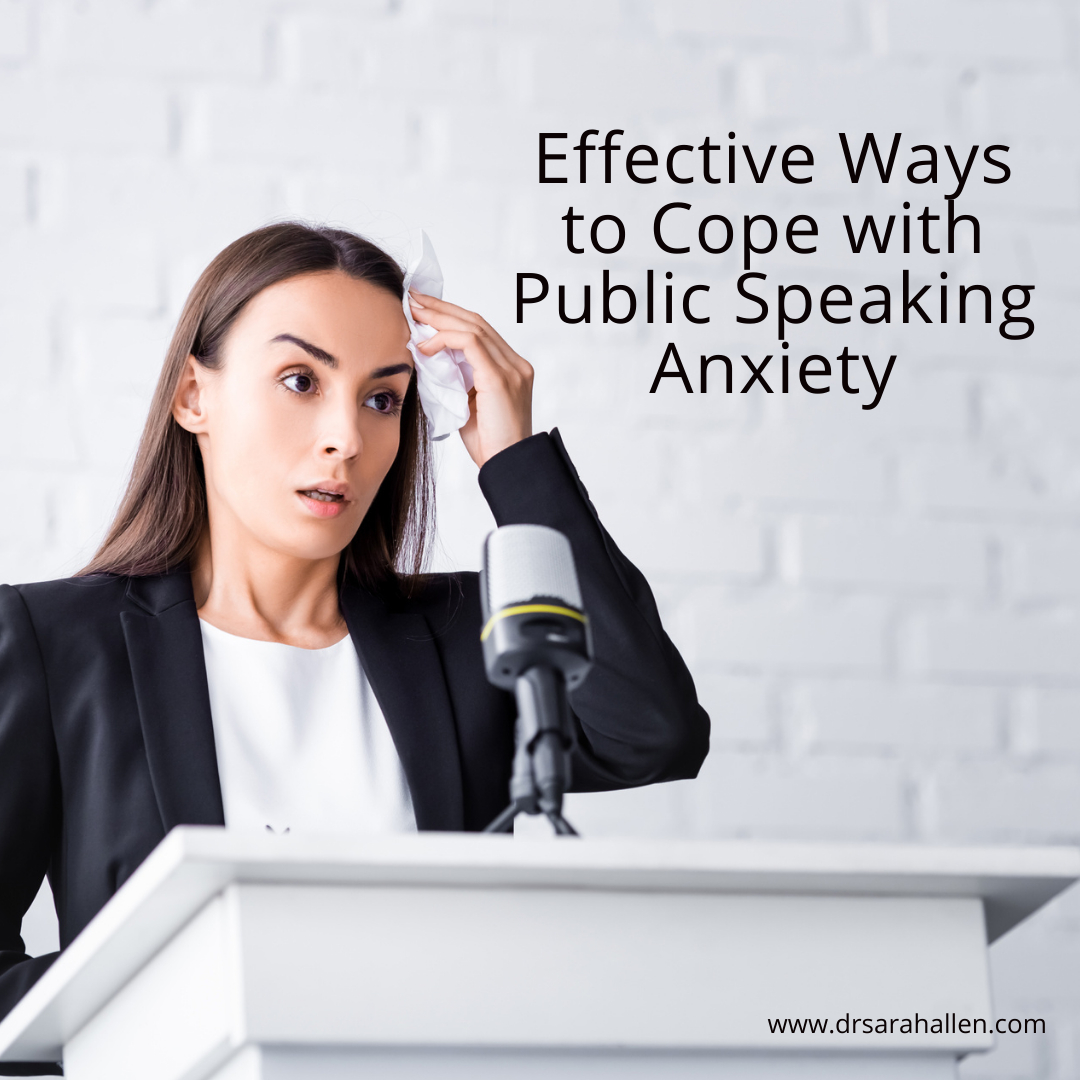
While it's natural to feel anxious when speaking in front of an audience, anxiety can be a significant barrier to effective communication. Anxiety can block creativity, hinder confidence, and make it challenging to convey complex information persuasively.
7 Effective Strategies for Reducing Public Speaking Anxiety
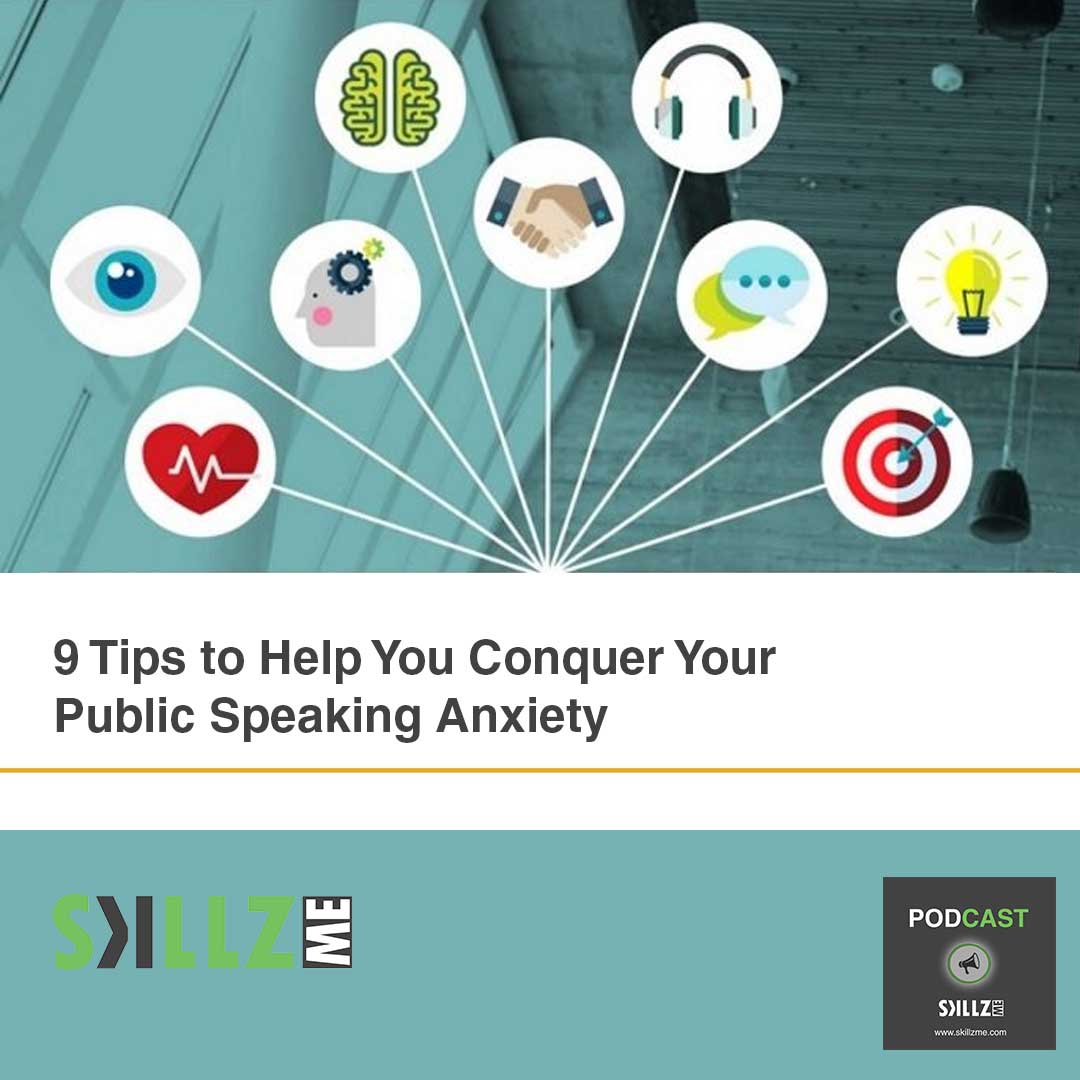
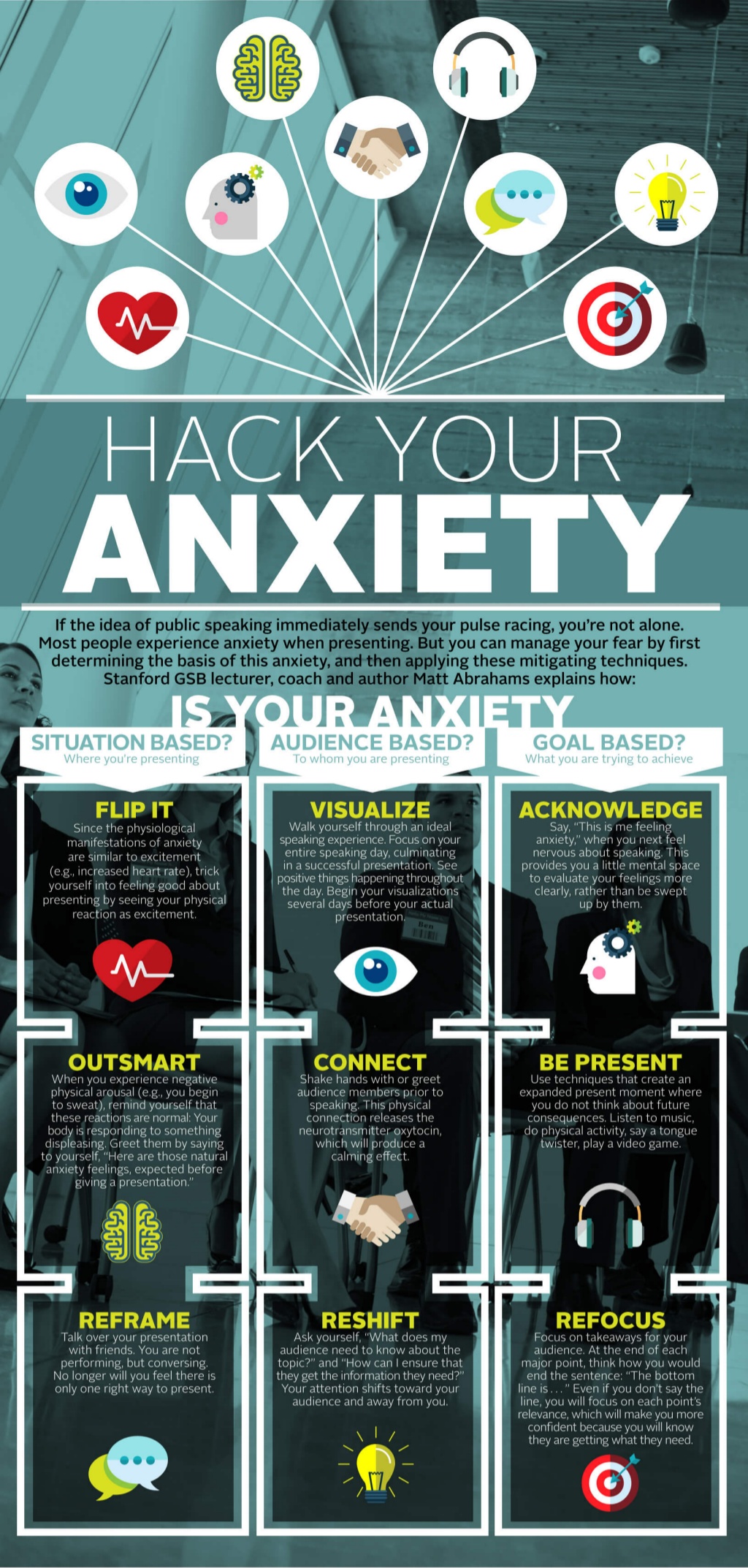
Fortunately, there are several strategies that can help you overcome public speaking anxiety and deliver confident presentations. Here are 7 techniques to get you started:
- Preparation is Key: Thoroughly prepare your speech or presentation, knowing your material backwards and forwards. This will help you feel more confident and in control.
- Practice Deep Breathing Exercises: Take slow, deep breaths to calm your nerves and regulate your heart rate. Breathe in through your nose and out through your mouth, focusing on the sensation of the breath.
- Visualize Success: Imagine yourself delivering a successful speech or presentation, handling any potential challenges with ease and confidence.
- Focus on Your Message: Instead of worrying about how you're coming across, focus on the message you're trying to convey to your audience.
- Build Rapport with Your Audience: Engage with your audience by making eye contact, using inclusive language, and encouraging participation.
- Reframe Your Thinking: Challenge negative thoughts and reframe them in a more positive and constructive way. Instead of thinking "I'm going to fail," try reframing it as "I'm excited to share my ideas with this audience."
- Seek Support: surrounds yourself with people who are supportive and encouraging, whether it's a mentor, a colleague, or a trusted friend.
Overcoming Performance Anxiety
For those who experience severe performance anxiety, consulting a mental health professional can be beneficial. Cognitive-behavioral therapy (CBT) has been shown to be effective in tackling social and performance anxiety.
Conclusion
Public speaking anxiety is a common phenomenon that affects many individuals. However, with the right strategies and techniques, it's possible to manage and even overcome this anxiety to deliver confident and effective speeches. By understanding the sources of public speaking anxiety, preparing thoroughly, practicing relaxation techniques, and reframing negative thoughts, you can become a more confident and engaging speaker.
Additional Resources
For more information and support, consider exploring the following resources:
- Mayo Clinic's Fear of Public Speaking article
- Harvard Business Review's 5 ways to get over your fear of public speaking
- Anxiety and Depression Association of America's Tips and Strategies for Managing Anxiety and Stress
- Immerse Education's Summer School programs for public speaking anxiety relief
Final Thoughts
Remember, public speaking anxiety is not a sign of weakness, but rather an opportunity to grow and develop your communication skills. By embracing these strategies and techniques, you can become a more confident and effective speaker, and overcome public speaking anxiety once and for all.