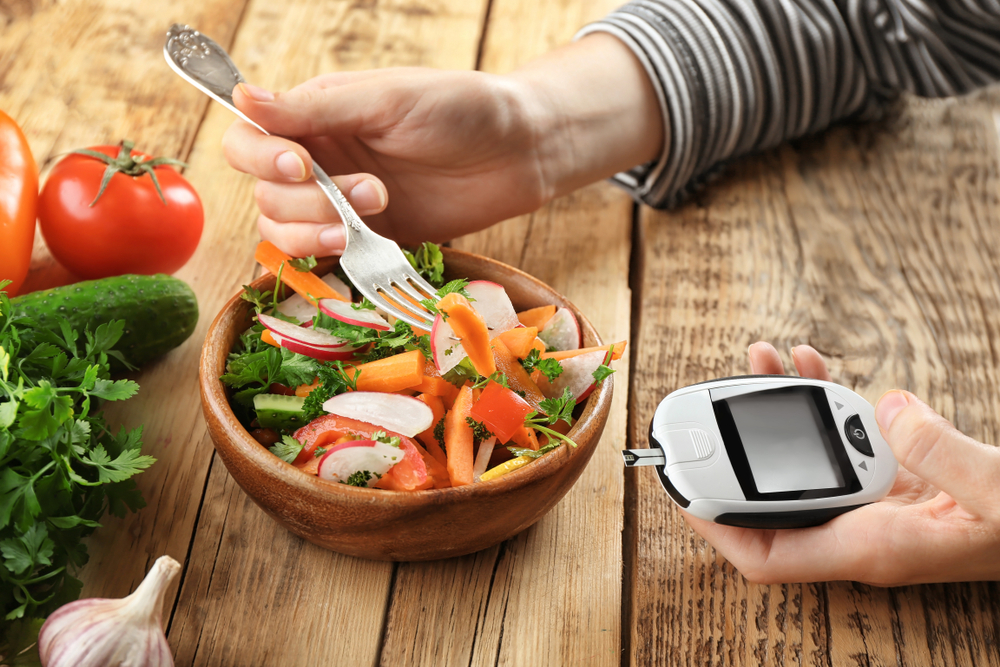
Controlling Blood Glucose with Diet: A Comprehensive Guide
Managing blood glucose levels is crucial for individuals with diabetes or those at risk of developing the condition. While medication and insulin therapy are essential, dietary changes can significantly impact blood sugar control. In this article, we will delve into the world of controlling blood glucose with diet, exploring the best foods, meal planning strategies, and lifestyle modifications to help you manage your blood sugar levels effectively.
The Importance of Diet in Blood Glucose Control
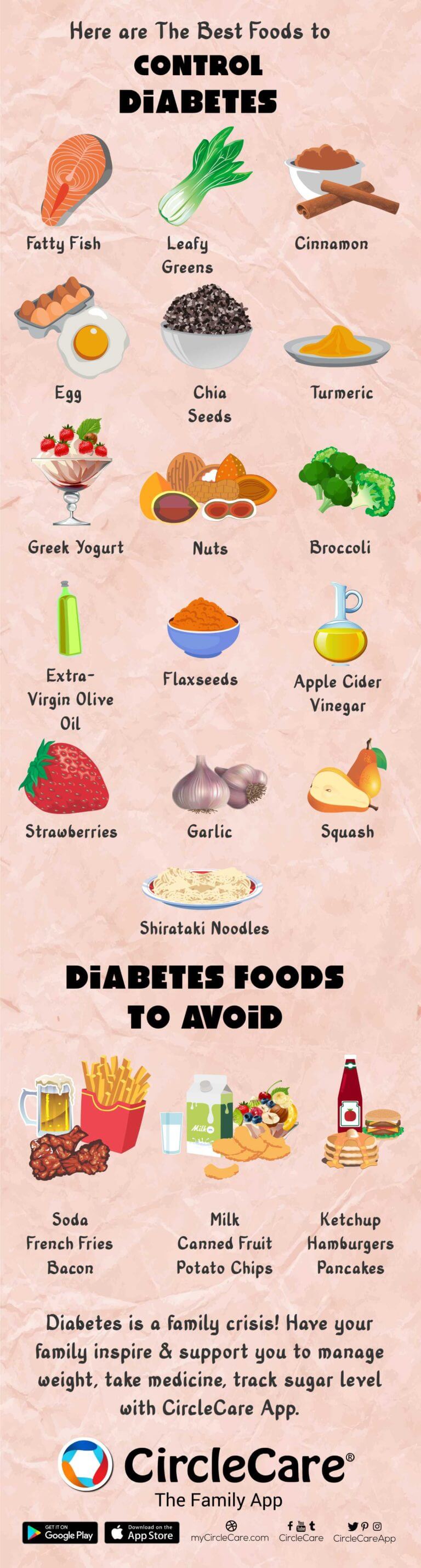
Diet plays a critical role in regulating blood glucose levels. A diet rich in fiber, protein, and healthy fats, while low in refined carbohydrates, added sugars, and saturated fats, can help control blood sugar spikes. Chronic high blood sugar levels can lead to serious health complications, including nerve damage, kidney disease, and heart problems.
Best Foods for Controlling Blood Glucose
- Leafy greens: Spinach, kale, and collard greens are rich in fiber, vitamins, and minerals, making them an excellent choice for blood glucose control.
- Non-starchy vegetables: Broccoli, bell peppers, and carrots are low in carbohydrates and rich in fiber, vitamins, and minerals.
- Protein sources: Lean meats, fish, and plant-based options like legumes, lentils, and tofu can help regulate blood sugar levels.
- Whole grains: Quinoa, brown rice, and whole-wheat bread are rich in fiber and can help slow down carbohydrate digestion.
- Healthy fats: Avocados, nuts, and seeds are rich in healthy fats that can help regulate blood sugar levels.
Meal Planning Strategies for Blood Glucose Control

A well-planned diet is essential for controlling blood glucose levels. Here are some tips to help you get started:
- Counting carbohydrates: Understand the carb content of your food and plan your meals accordingly.
- Portion control: Eat smaller, frequent meals to maintain stable blood sugar levels.
- The plate method: Divide your plate into quarters, dedicating one quarter to protein, one quarter to non-starchy vegetables, and the remaining half to whole grains and healthy fats.
- Regular eating: Eat at regular times to maintain stable blood sugar levels.
Lifestyle Modifications for Blood Glucose Control
While a healthy diet is essential, lifestyle modifications can also help control blood glucose levels. Here are some tips to get you started:
- Regular physical activity: Aim for at least 30 minutes of moderate-intensity exercise per day.
- Stress management: High stress levels can raise blood sugar levels; practice stress-reducing techniques like meditation, yoga, or deep breathing exercises.
- Get enough sleep: Aim for 7-8 hours of sleep per night to help regulate blood sugar levels.
- Monitor your blood sugar levels: Regularly check your blood sugar levels to make informed dietary and lifestyle choices.
Conclusion
Controlling blood glucose with diet is a manageable task with the right information and strategies. By incorporating the best foods, meal planning strategies, and lifestyle modifications, you can effectively manage your blood sugar levels and reduce the risk of complications. Remember, it's a journey, not a destination; every small step counts, and with dedication and hard work, you can achieve optimal blood glucose control.







:max_bytes(150000):strip_icc()/VWH_Illustration_Foods-to-Help-Regulate-Blood-Sugar_Illustrator_Danie-Drankwalter_Final-04b07032011c4f3f84d57ce3c37a0a22.jpg "14 Natural Strategies to Lower Blood Sugar Levels - Healthline")