Revolutionizing Smartphones: The Rise of Energy Harvesting Phones
Using technology to minimize environmental impact is no longer just a goal, but a necessity. The smartphone industry is undergoing a significant transformation as sustainability becomes a global priority. One of the most exciting innovations emerging today is the development of energy harvesting smartphones, devices that can generate their own power from the environment.
What Are Energy Harvesting Smartphones?
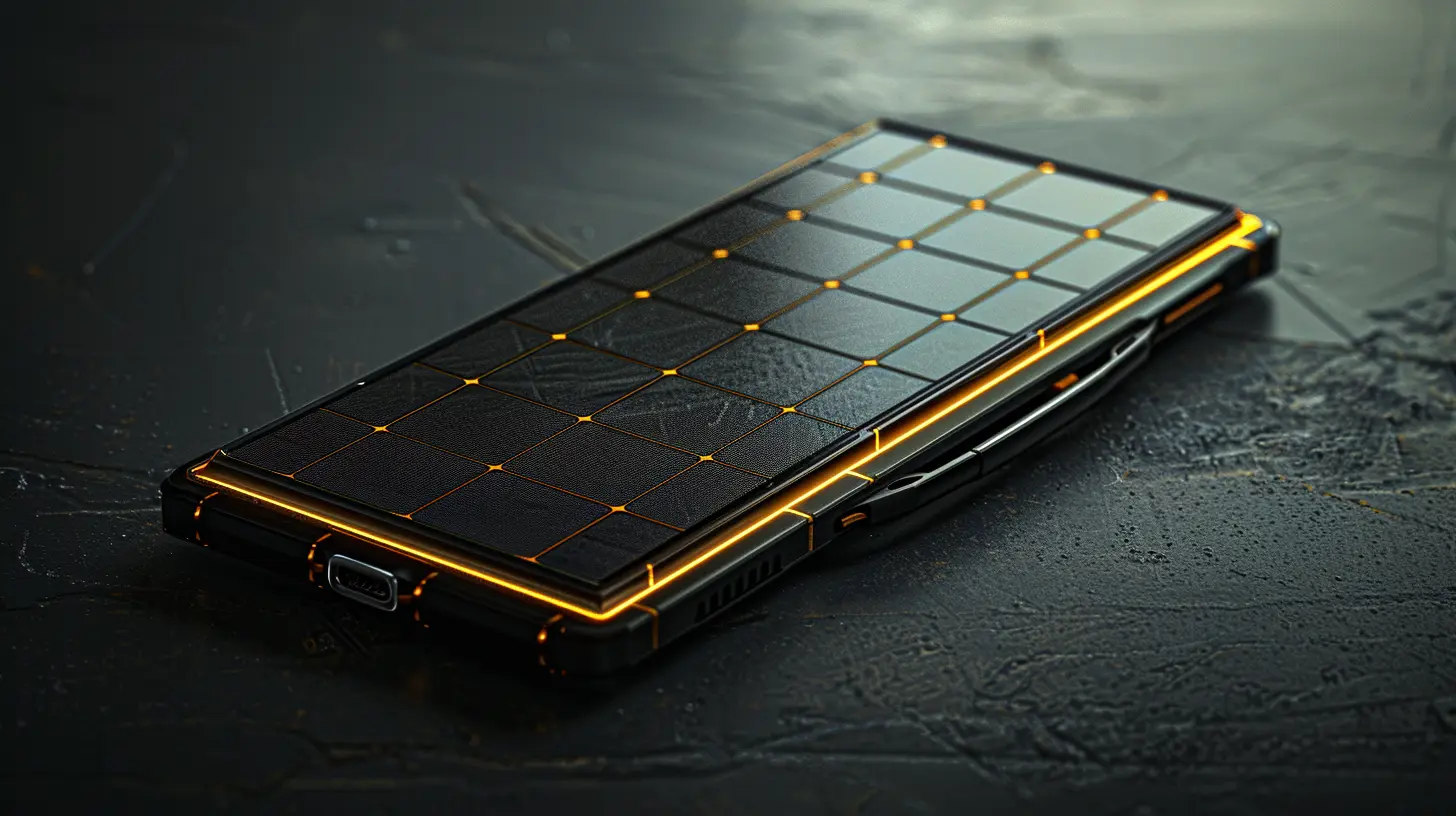
Energy harvesting smartphones are devices that can derive power from external sources, reducing or even eliminating the need for traditional battery charging. This innovative technology harnesses renewable energy sources, such as solar, thermal, or vibrations, and converts them into usable electricity to power the device.
Advantages of Energy Harvesting Smartphones
- Reduced environmental impact: By generating power from the environment, energy harvesting smartphones minimize the reliance on traditional battery charging, leading to lower carbon emissions and reduced electronic waste.
- Increased convenience: Energy harvesting smartphones can be powered by ambient energy sources, eliminating the need for frequent recharging and making them perfect for use on-the-go.
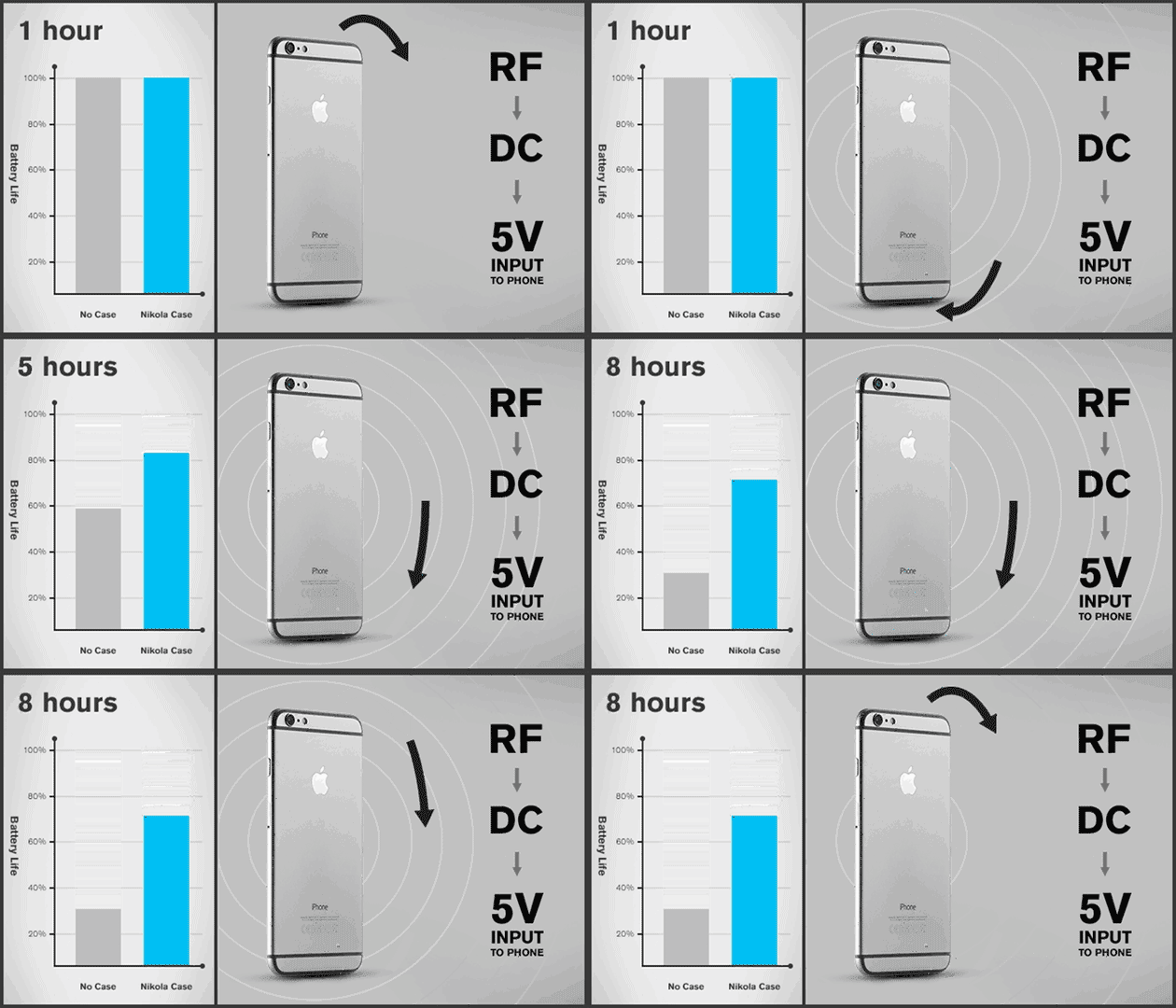
- Longer battery life: Energy harvesting technology can extend the battery life of smartphones, reducing the need for frequent charging and minimizing downtime.
- Enhanced user experience: Energy harvesting smartphones provide a seamless user experience, as users no longer need to worry about battery life or charging their device.
Current Developments in Energy Harvesting Smartphones
Research and development in energy harvesting technology have led to significant advancements in the field. Recent breakthroughs include the development of ultra-thin, flexible, and stretchable energy harvesting and storage systems. These innovations have profound implications for the future of wearable electronics and have the potential to revolutionize the smartphone industry.
Future of Energy Harvesting Smartphones
As technology continues to evolve, energy harvesting smartphones are expected to become even more efficient and powerful. The integration of new energy harvesting technologies, such as triboelectric nanogenerators, will enable smartphones to harness a wider range of environmental energy sources, further reducing the need for traditional battery charging.
Conclusion
Energy harvesting smartphones are an innovative solution for the modern smartphone user. By harnessing renewable energy sources, these devices reduce environmental impact, increase convenience, and provide a seamless user experience. As technology continues to evolve, energy harvesting smartphones will become even more sophisticated, leading to a more sustainable and connected future.
Applications of Energy Harvesting Smartphones
- Wearable devices: Energy harvesting smartphones can be used to power wearable devices, such as smartwatches, fitness trackers, and hearables.
- Internet of Things (IoT) devices: Energy harvesting smartphones can be used to power IoT devices, such as smart home sensors, security cameras, and audio devices.
- Industrial monitoring: Energy harvesting smartphones can be used to power industrial monitoring devices, such as temperature sensors, vibration sensors, and pressure sensors.
- Medical devices: Energy harvesting smartphones can be used to power medical devices, such as portable defibrillators, insulin pumps, and ventilators.
Benefits of Energy Harvesting Smartphones
Energy harvesting smartphones offer several benefits, including:
- Reduced environmental impact
- Increased convenience
- Longer battery life
- Enhanced user experience
- Improved safety and security
Conclusion
Energy harvesting smartphones are an innovative solution for the modern smartphone user. By harnessing renewable energy sources, these devices reduce environmental impact, increase convenience, and provide a seamless user experience. As technology continues to evolve, energy harvesting smartphones will become even more sophisticated, leading to a more sustainable and connected future.