Export License Compliance: A Critical Aspect of International Trade
In the world of international trade, regulatory compliance is a critical aspect of conducting successful business. One of the most significant regulatory requirements is export license compliance. Failure to obtain the necessary licenses can result in severe penalties, fines, and even imprisonment. In this article, we will discuss the importance of export license compliance, the different types of licenses required, and the steps to take to ensure compliance with export regulations.Why is Export License Compliance Important?
Export license compliance is crucial for several reasons:- Ensures that businesses operate within the boundaries of the law.
- Prevents the export of restricted or prohibited goods.
- Helps to prevent sanctions and trade restrictions.
- Protects national security and the interests of the exporting country.
- Facilitates international trade and commerce.
Types of Export Licenses
There are several types of export licenses required depending on the nature of the export, the country of destination, and the type of goods being exported. Some of the most common types of export licenses include:- ITAR (International Traffic in Arms Regulations) licenses for the export of defense-related items.
- EAR (Export Administration Regulations) licenses for the export of dual-use items.
- OFAC (Office of Foreign Assets Control) licenses for the export of items subject to sanctions.
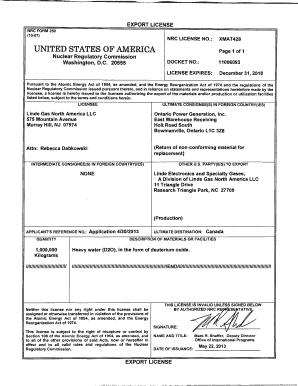
- State Department licenses for the export of nuclear-related items.
Steps to Ensure Export License Compliance
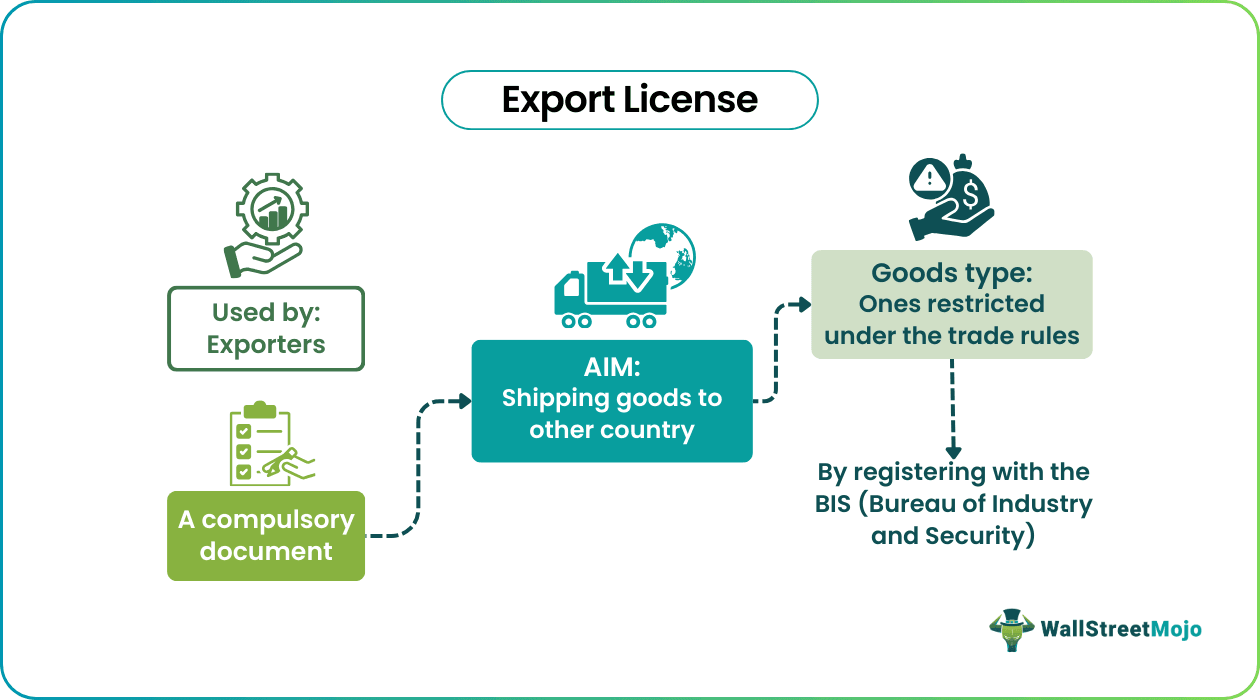
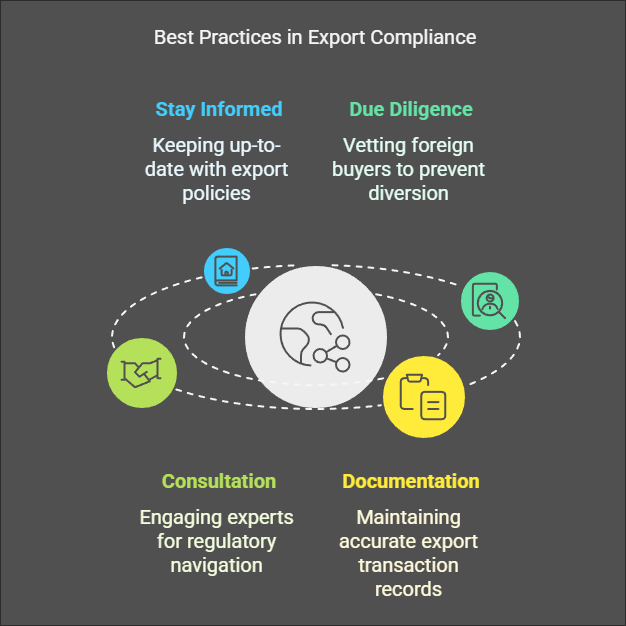
- Determine the type of export license required for your goods or services.
- Register with the relevant authorities, such as the U.S. Department of Commerce or the State Department.
- Obtain the necessary export licenses before exporting.
- Keep accurate records of all export transactions, including licenses, permits, and documentation.
- Regularly review and update your export compliance program to ensure that it is up-to-date with changing regulations.
Consequences of Non-Compliance
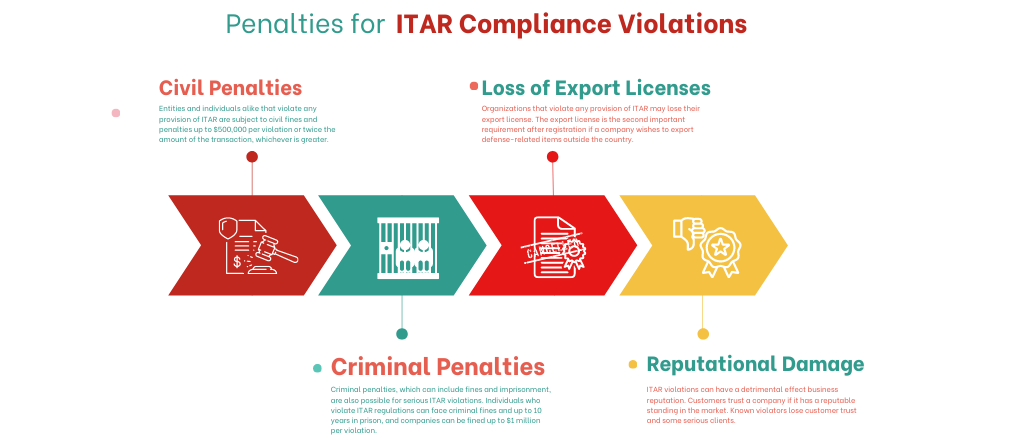
Failure to comply with export regulations can result in severe consequences, including:- Penalties and fines.
- Imprisonment.
- Revocation of export licenses.
- Export restrictions or sanctions.
- Damages to business reputation.