Export License Regulations: A Comprehensive Guide
An export license is a government document that authorizes or grants permission to conduct a specific export transaction (including the export of technology). Understanding the requirements for export licenses is crucial for businesses engaging in global commerce, as non-compliance can result in severe penalties and restrictions on future export activities.
The Three Key Agencies
The United States government maintains a comprehensive system of export controls, regulating the shipment of certain goods, software, and technology to foreign destinations. The three key agencies responsible for implementing export regulations are:
- The U.S. Department of Commerce's Bureau of Industry and Security (BIS)
- The U.S. State Department's Directorate of Defense Trade Controls (DDTC)
- The U.S. Customs and Border Protection (CBP)
Determining Jurisdiction: ITAR or EAR?
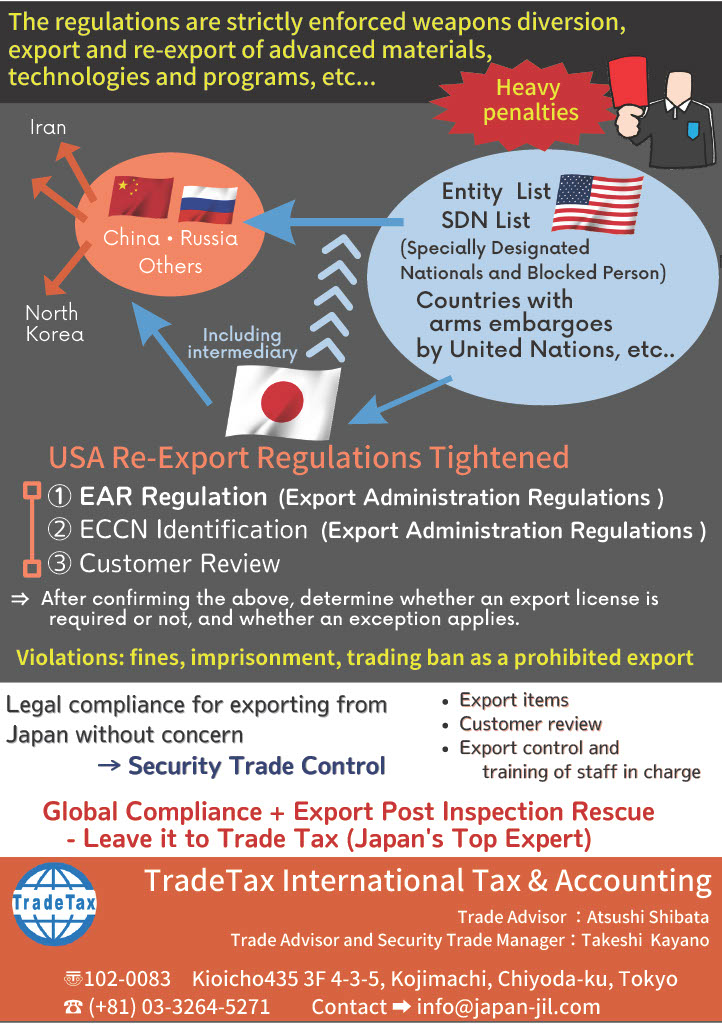
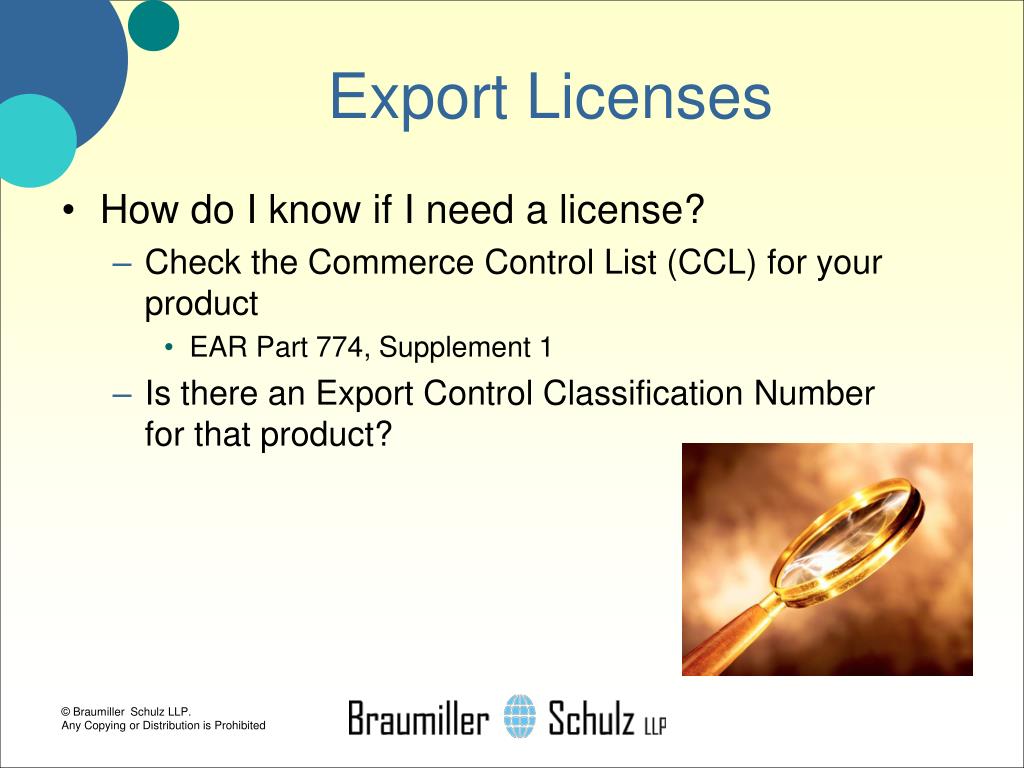
The first step in determining whether an export license is required is to determine which jurisdiction the transaction falls under: the International Traffic in Arms Regulations (ITAR) or the Export Administration Regulations (EAR). The ITAR primarily regulates the export of defense articles and services, while the EAR regulates the export of dual-use items.
The ITAR Compliance Path
For ITAR-compliant transactions, the license application must be submitted to the DDTC. The ITAR compliance path involves the following steps:
- Classification of the item being exported
- Preparation of the license application, including a thorough technical description of the item and its intended end-use
- Submission of the license application to the DDTC
- Review and processing of the license application by the DDTC
The EAR Analysis: A Four-Factor Test
For EAR-compliant transactions, the license application must be submitted to the BIS. The EAR analysis involves a four-factor test, which takes into account the following factors:
- The use of the item being exported
- The technology of the item being exported
- The country of destination
- The end-use of the item being exported
License Exceptions: A Potential Alternative
For certain transactions, a license may not be required. This is known as a license exception. There are several types of license exceptions, including the Technology & Software Export (TSU) license exception and the Unsensitive (Commodity Jurisdiction) TSU license exception.
Applying for a License
Applying for a license is a critical step in ensuring compliance with federal regulations and safeguarding national security. The license application process involves the following steps:
- Preparation of the license application package, including a comprehensive technical description of the item and its intended end-use
- Submission of the license application to the BIS or DDTC
- Review and processing of the license application by the BIS or DDTC
- Issuance of the license and any necessary documentation
Export License Regulations in Action
Germany has streamlined the export process for air and naval defense equipment to the Gulf states and Ukraine, in response to urgent requirements prompted by Iran's attacks on Gulf states. This move comes as the US government continues to evolve its export license regulations, with new regulations and enhanced enforcement mechanisms shaping international trade.