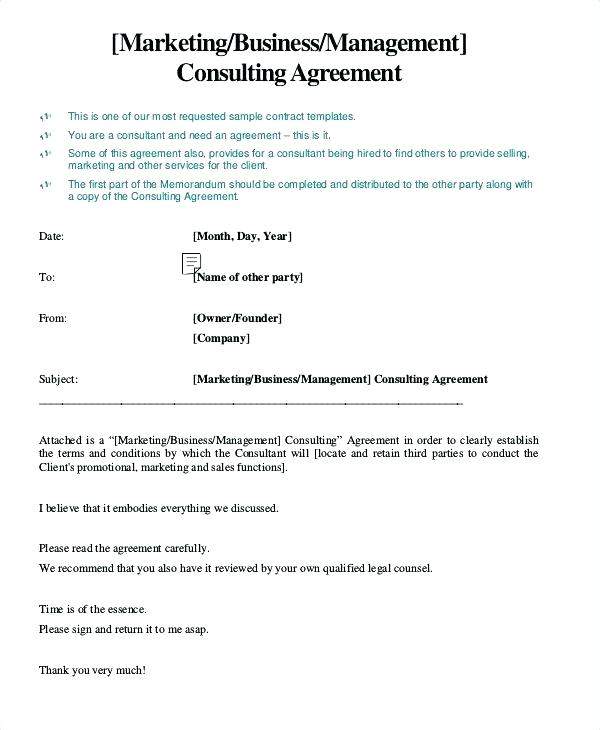
Understanding the Importance of a Freelance Consulting Agreement
A freelance consulting agreement is a crucial document that outlines the terms and conditions of a consulting project between a client and a consultant. This agreement is essential in protecting the interests of both parties, ensuring a smooth and successful project delivery. In this article, we will delve into the world of freelance consulting agreements, exploring their significance, benefits, and best practices for creating one.
The Role of a Freelance Consulting Agreement
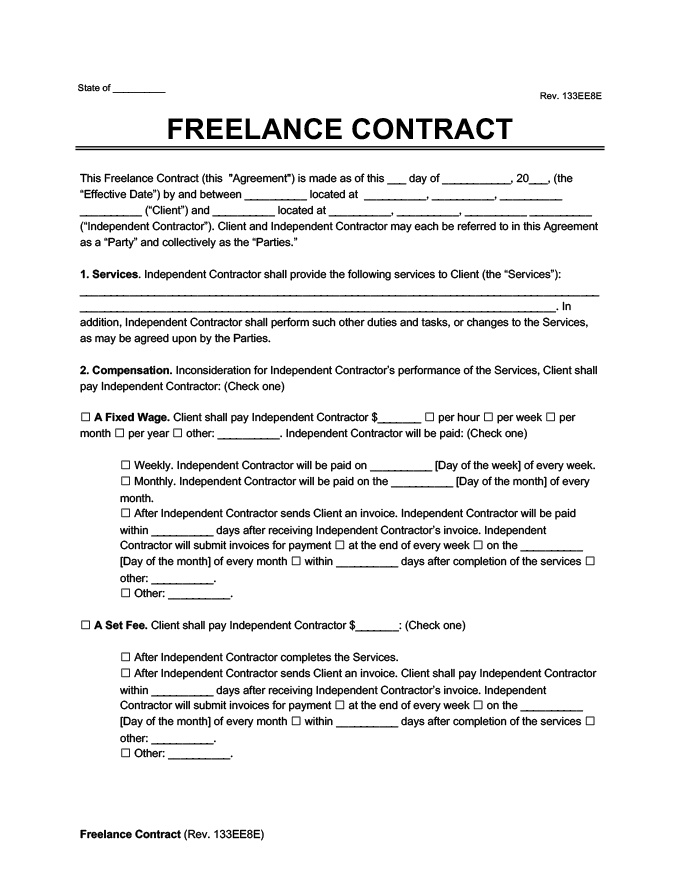
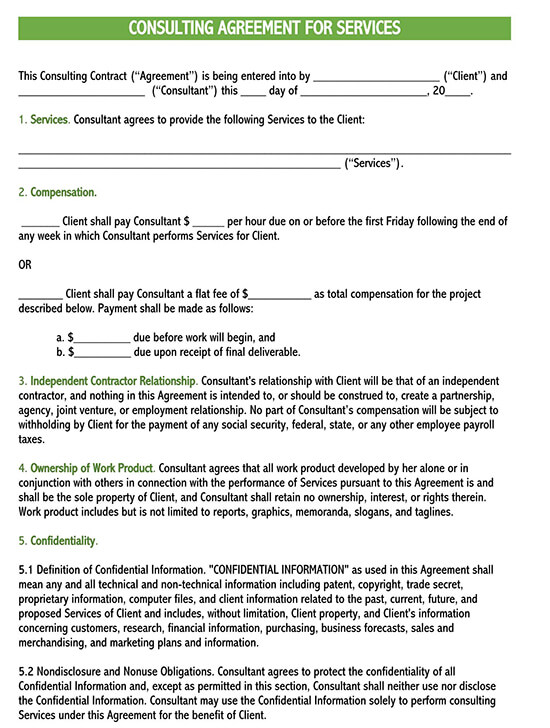
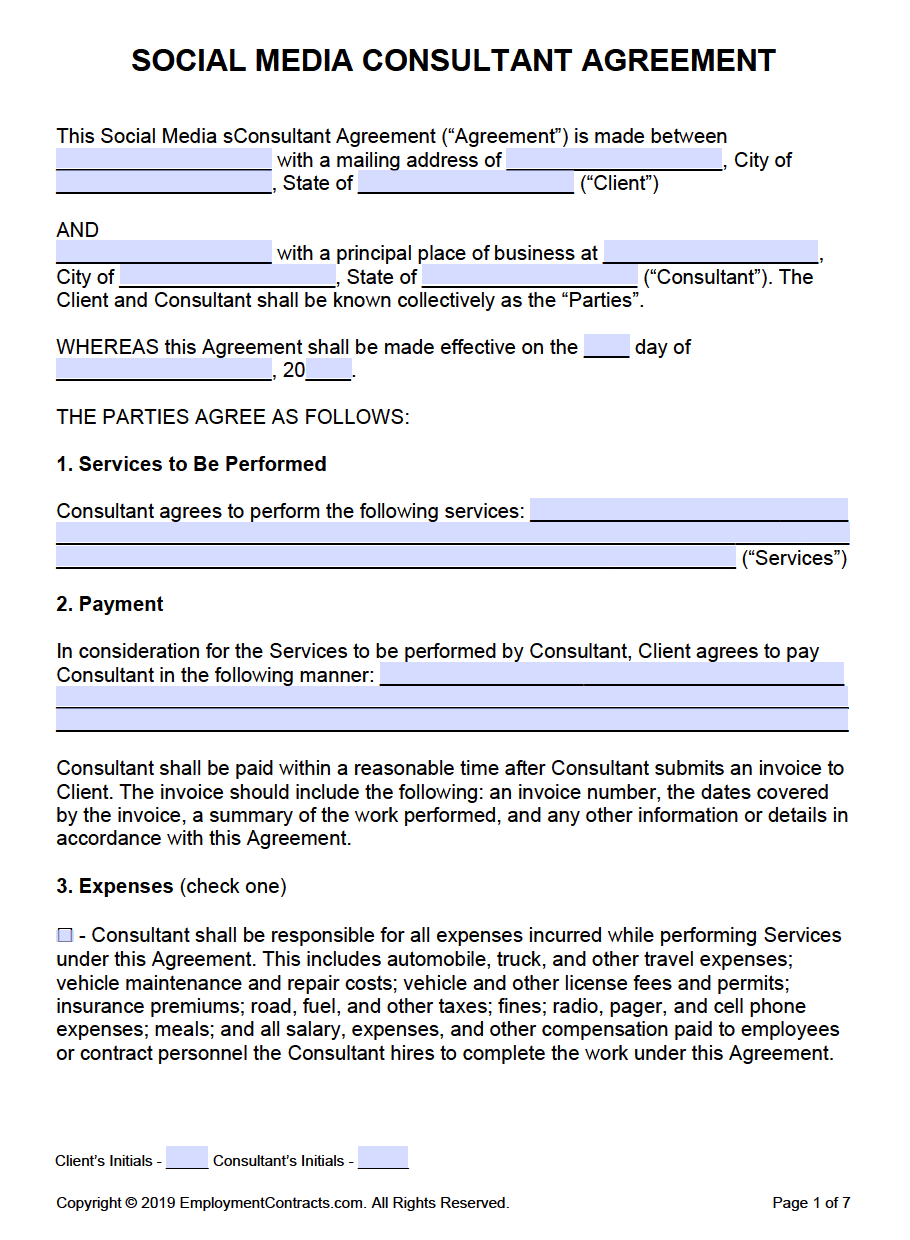
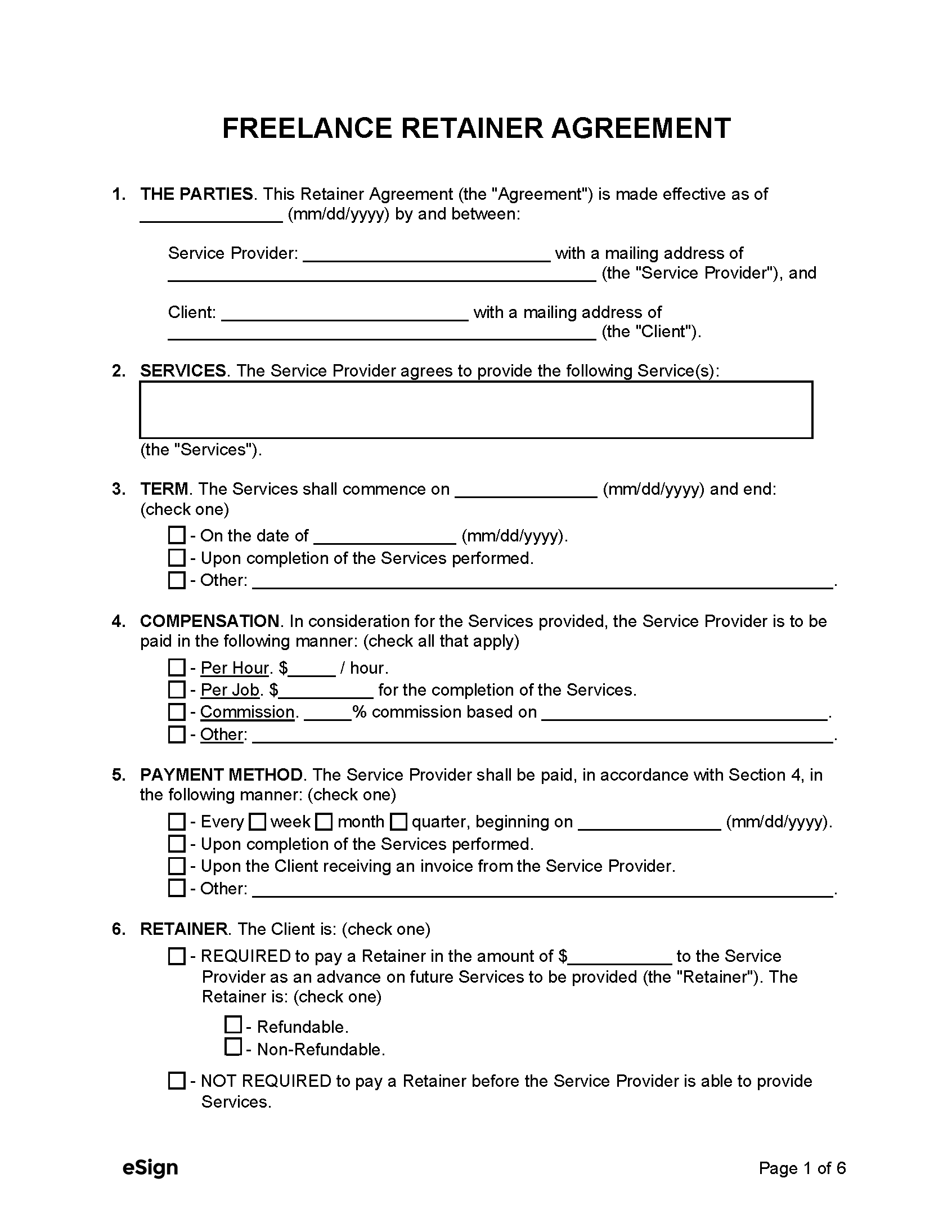
A freelance consulting agreement is a written contract that outlines the scope of work, deliverables, payment terms, and expectations between the client and the consultant. This agreement is essential in establishing a clear understanding of the project's objectives, timelines, and financial arrangements. By having a clear agreement in place, both parties can avoid potential disputes and misunderstandings that may arise during the project.
Benefits of a Freelance Consulting Agreement
Protects both parties' interests: A freelance consulting agreement protects the consultant's intellectual property and ensures timely payment, while also safeguarding the client's rights and interests.
Clearly defines project scope and objectives: A well-drafted agreement outlines the project's scope, deliverables, and timelines, ensuring that both parties are on the same page.
Establishes payment terms and schedules: A freelance consulting agreement outlines the payment terms, schedules, and amounts, preventing disputes over payment.
Provides a framework for dispute resolution: A well-drafted agreement outlines the process for resolving disputes, ensuring that both parties can resolve conflicts amicably.
Key Components of a Freelance Consulting Agreement
A freelance consulting agreement typically includes the following key components:
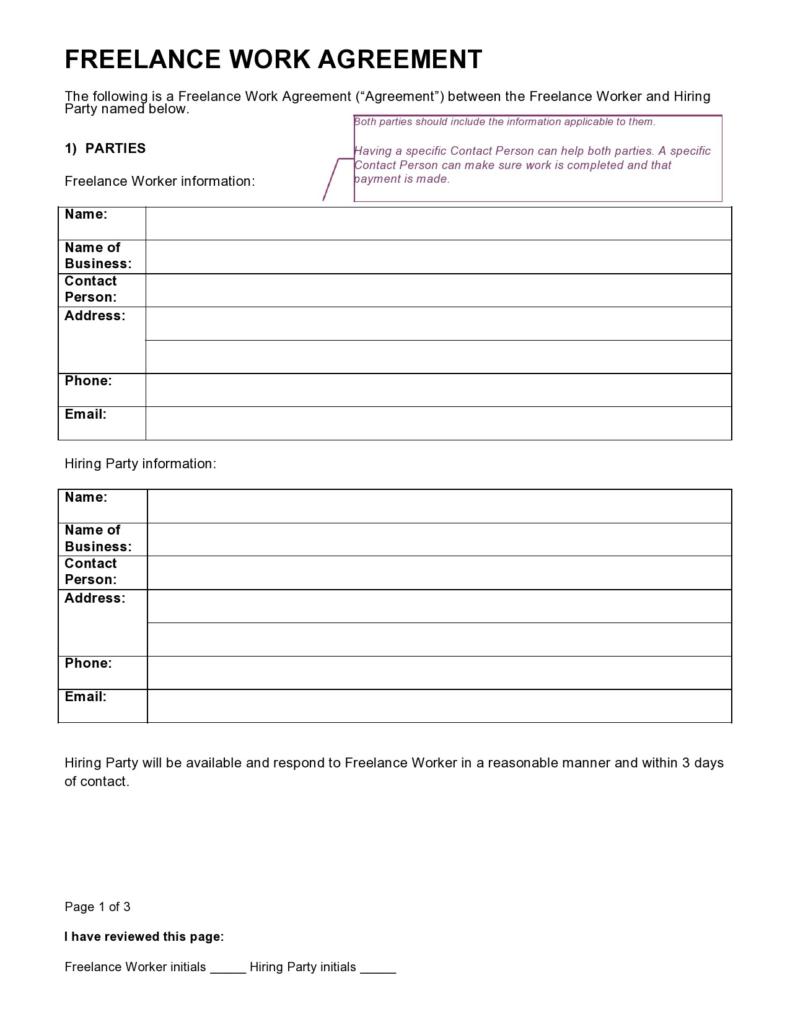
Scope of work: A clear description of the project's objectives, deliverables, and timelines.
Payment terms: The payment amount, schedule, and method, including any retainer fees or hourly rates.
Deliverables: A detailed list of the consultant's deliverables, including reports, presentations, and other materials.
Timeline: A project schedule, including milestones and deadlines.
Intellectual property: A clear definition of ownership and use of intellectual property, including copyrights and trademarks.
Confidentiality: A provision that ensures the consultant maintains confidentiality and non-disclosure of sensitive information.
Dispute resolution: A process for resolving disputes, including mediation, arbitration, or litigation.
Best Practices for Creating a Freelance Consulting Agreement
To create a comprehensive freelance consulting agreement, follow these best practices:
Seek legal advice: Consult with a lawyer to ensure your agreement is legally binding and compliant with relevant laws and regulations.
Keep it simple: Avoid using complex language and jargon, making it easier for both parties to understand.
Be specific: Clearly define the scope of work, deliverables, and timelines to prevent misunderstandings.
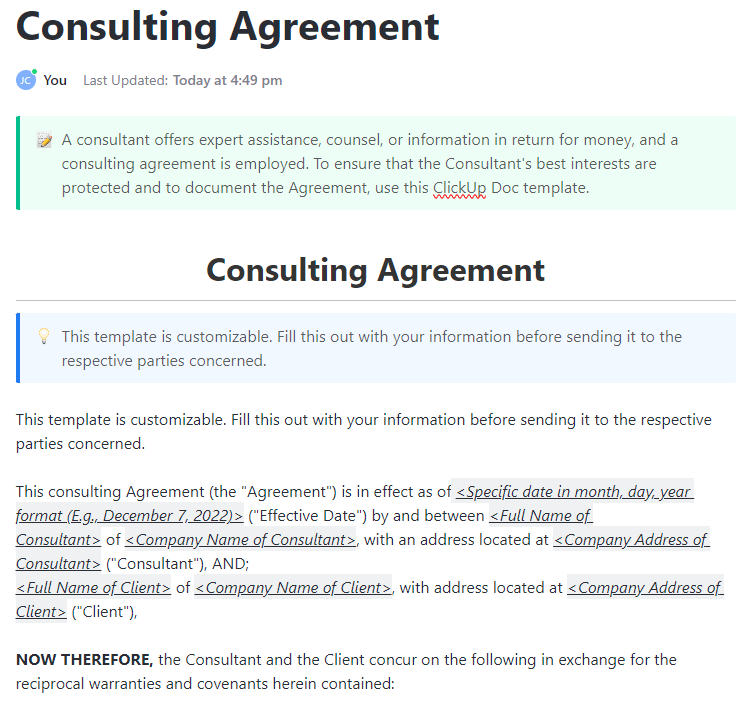
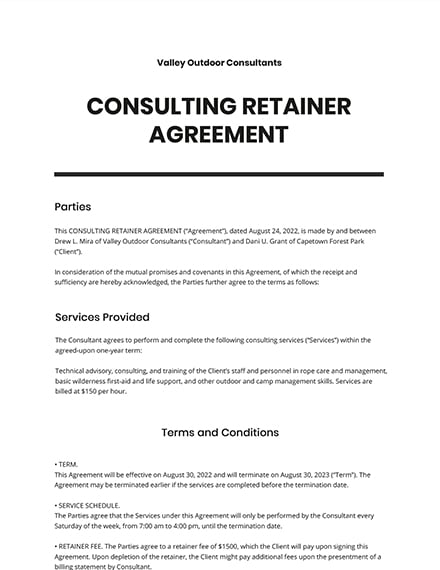
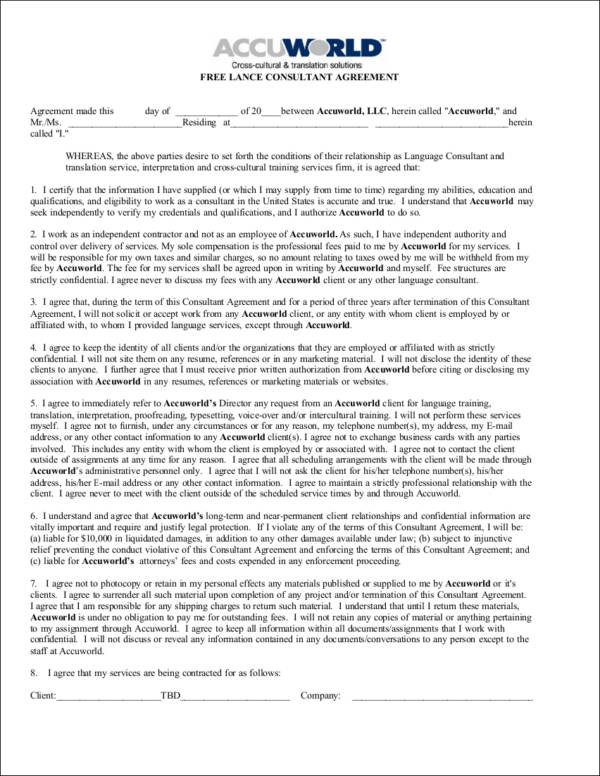
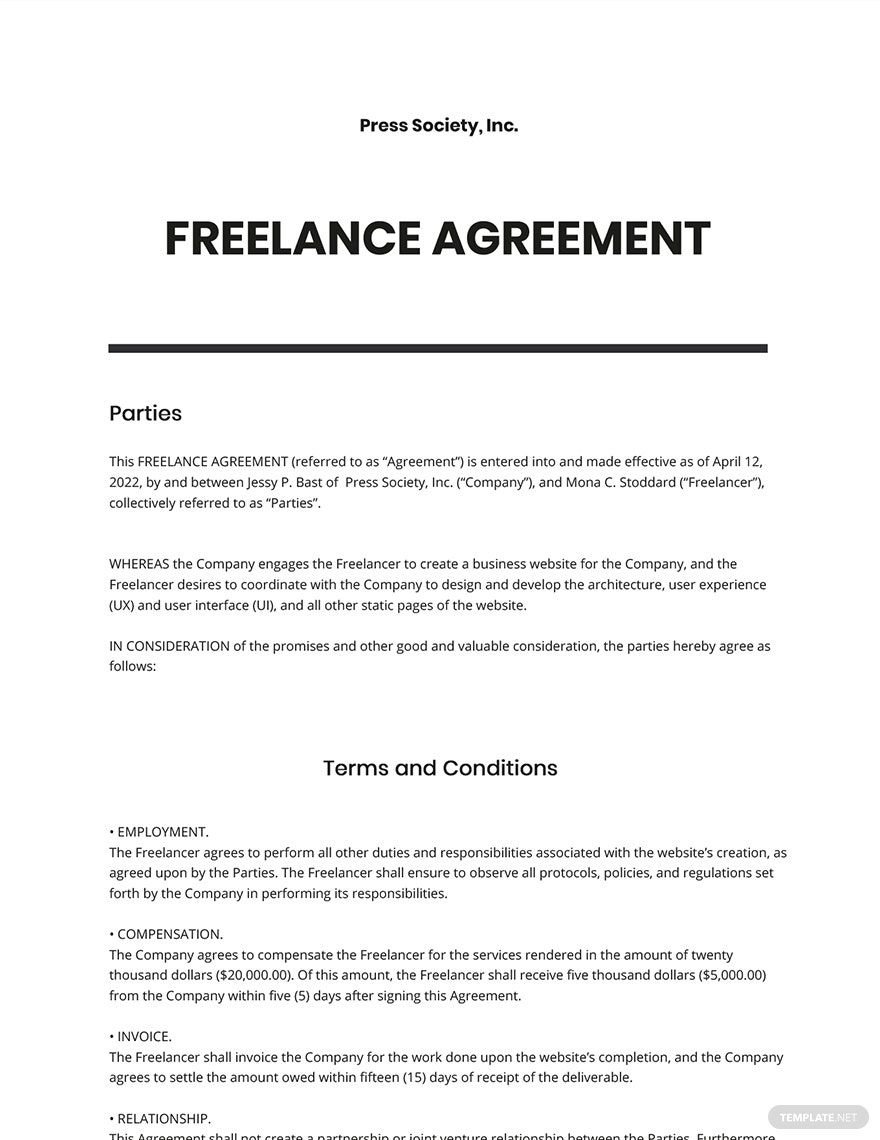
Use templates: Utilize freelance consulting agreement templates to save time and ensure a comprehensive agreement.
Review and revise: Regularly review and revise your agreement to ensure it remains up-to-date and compliant with changing laws and regulations.
Conclusion
A freelance consulting agreement is a vital document that protects both parties' interests and ensures a successful project delivery. By understanding the importance of a freelance consulting agreement, knowing its key components, and following best practices, you can create a comprehensive agreement that meets your needs. Whether you are a consultant or a client, a well-drafted agreement is essential in establishing a strong foundation for a successful consulting project.