A Comprehensive Trademark Search Checklist for a Secure Brand Registration
If you're considering protecting your business's intellectual property by registering a trademark, conducting a thorough trademark search is a crucial step in the process. A trademark search ensures that your brand name or logo is available for registration and doesn't conflict with existing trademarks. In this article, we'll provide a comprehensive trademark search checklist to guide you through the process.Why is Conducting a Trademark Search Important?
A trademark search is essential to determine the availability of a proposed trademark and to prevent potential trademark disputes. According to USPTO (United States Patent and Trademark Office), a diligent search can save businesses and individuals from costly legal disputes.Pre-Registration Preparation
Before initiating the trademark registration process, prepare a comprehensive trademark search checklist to guide your procedure. The checklist should include the following steps:Step 1: Search the Trademark Database
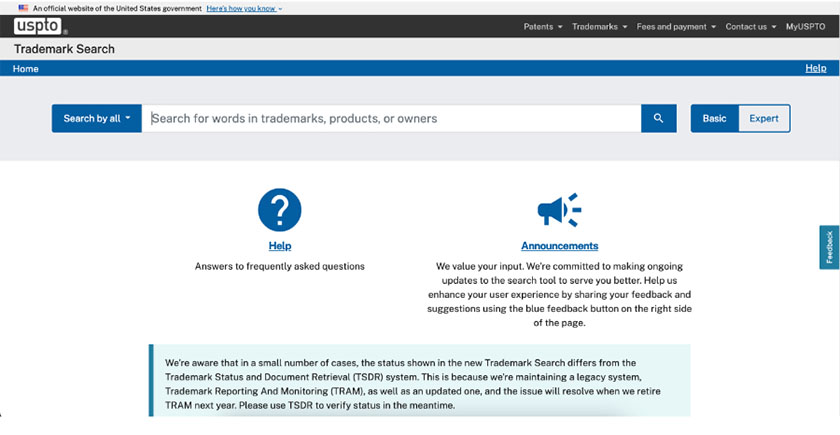
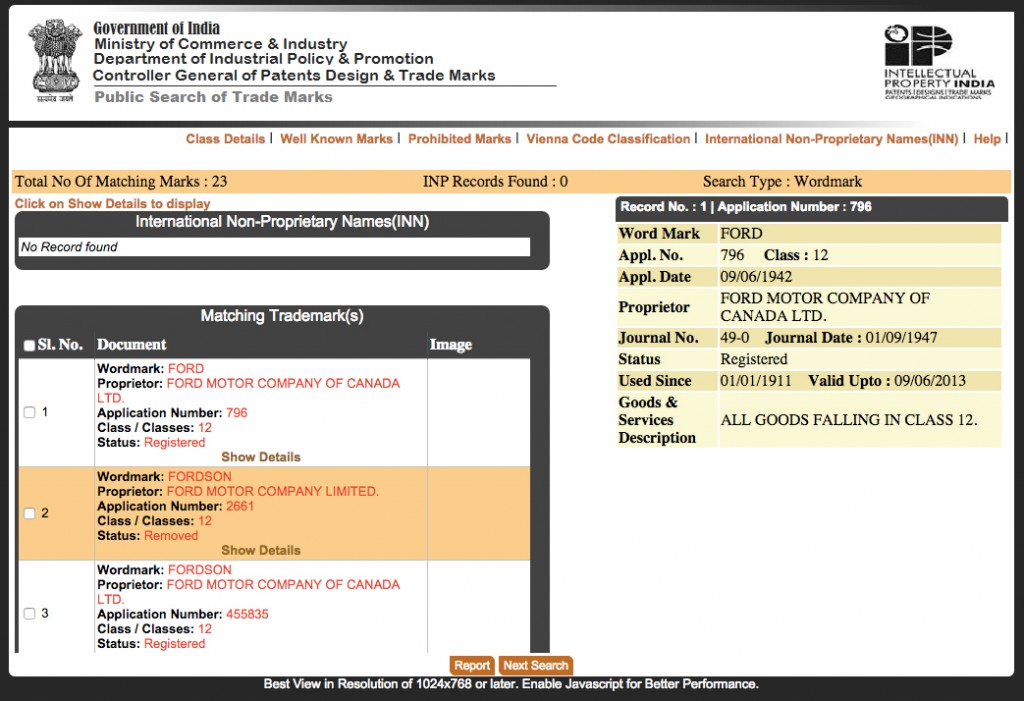
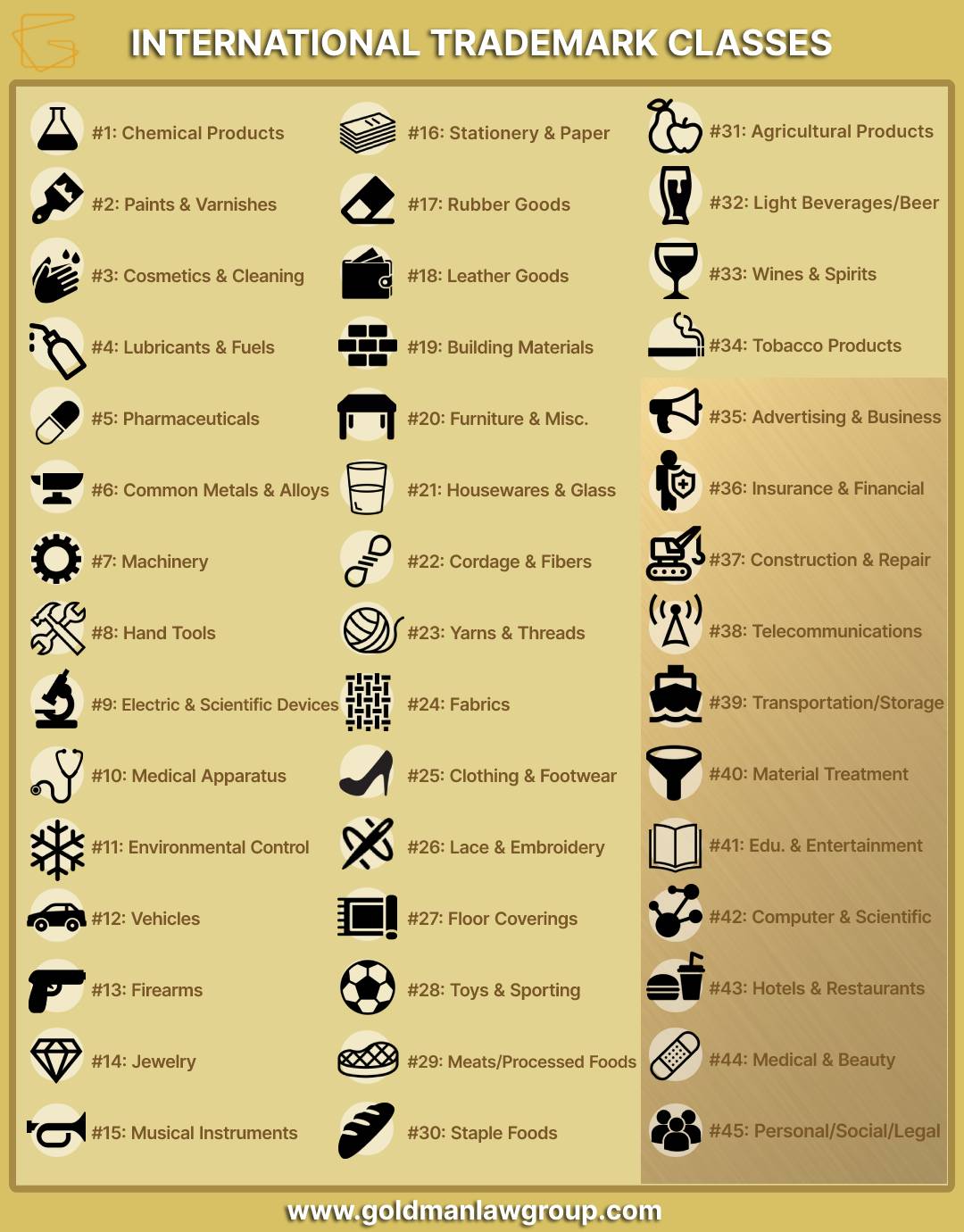
Use official databases such as the USPTO's Trademark Electronic Search System (TESS) or WIPO's Global Brand Database to search for existing trademarks. These databases allow you to check for similar or identical marks, including keywords, names, numbers, goods and services, and image similarity.Step 2: Perform Internet Searches
Conduct internet searches using search engines like Google and other online directories to find potential trademarks or variations of your proposed mark. Ensure to also check social media, blogs, and trademark marketplaces for similar marks.Step 3: Review Industry Publications and Reports
Check relevant industry publications, reports, and news articles to see if your proposed mark is already in use or has been used in the past.Step 4: Consider Government Agencies and State Agency Trademarks

Step 5: Evaluate the Risk of Confusion
Assess the potential for public confusion with existing trademarks. Consider factors such as the similarity in appearance, sound, and meaning of the marks, as well as the likelihood of customer confusion.Step 6: Consider Abandoned or Expired Trademarks
Look for abandoned or expired trademarks that may be available for re-registration.Step 7: Analyze Non-Traditional Threats
Review domain name registrations, social media profiles, and other online accounts to ensure your proposed mark is available for use.Step 8: Document the Search Results
Create a comprehensive report on your search findings, including a list of potential trademark conflicts, reasons for potential conflicts, and recommendations for your proposed mark.Additional Resources
To guide you through the trademark search process, we recommend the following resources:- USPTO's Trademark Electronic Search System (TESS)
- WIPO's Global Brand Database
- USPTO's Trademark Center
- Trademark Searching 101: Step-by-step tutorials