GLP-1 Receptor Agonists for Blood Sugar Self-Management
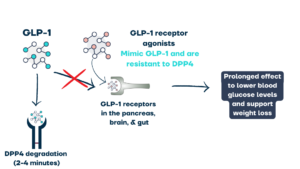
GLP-1 receptor agonists are a class of medications that have gained significant attention in recent years for their effectiveness in managing blood sugar levels, weight loss, and other metabolic disorders. These medications work by mimicking the action of the natural hormone glucagon-like peptide-1 (GLP-1) in the body.
What are GLP-1 Receptor Agonists?
GLP-1 agonists are used to treat type 2 diabetes, a condition characterized by the body's inability to produce enough insulin or properly use the insulin it produces. By mimicking the action of GLP-1, these medications help regulate blood sugar levels, increase insulin secretion, and reduce appetite.
How Do GLP-1 Receptor Agonists Work?
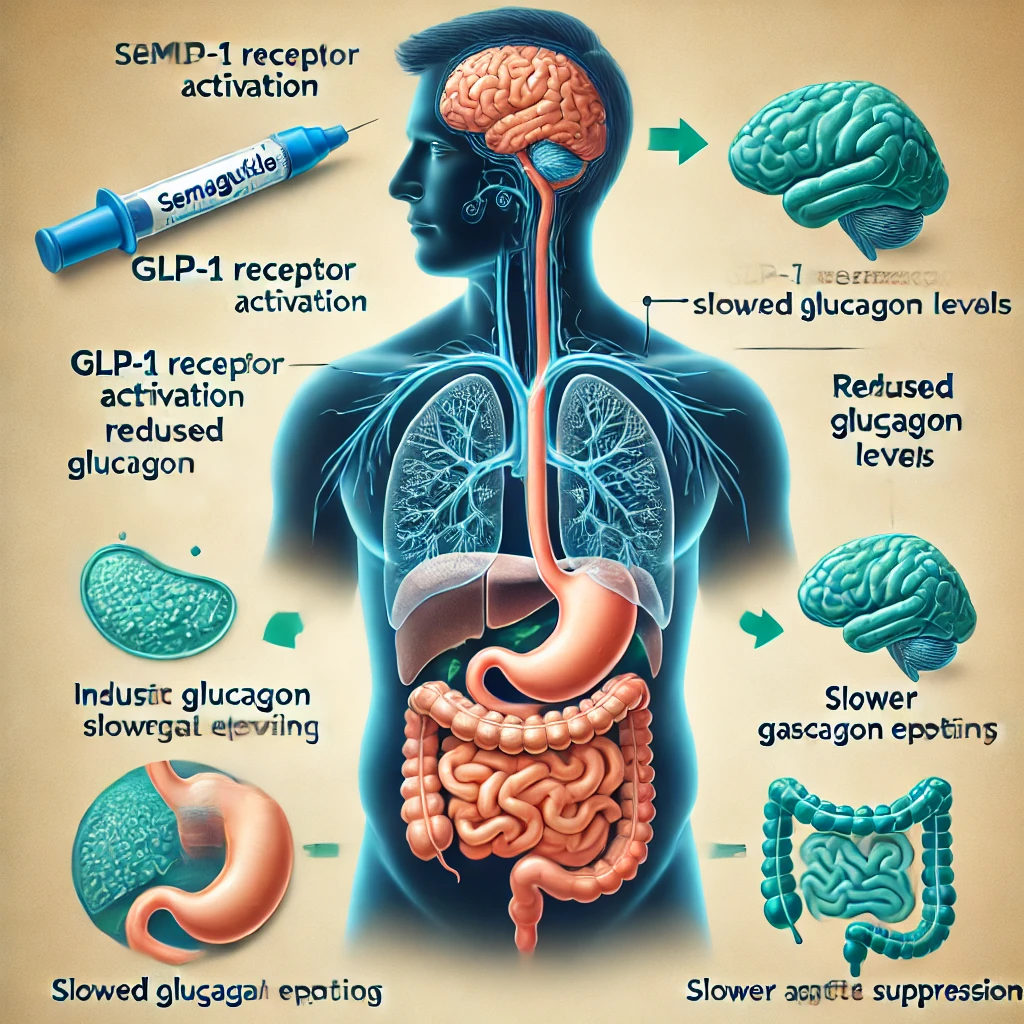
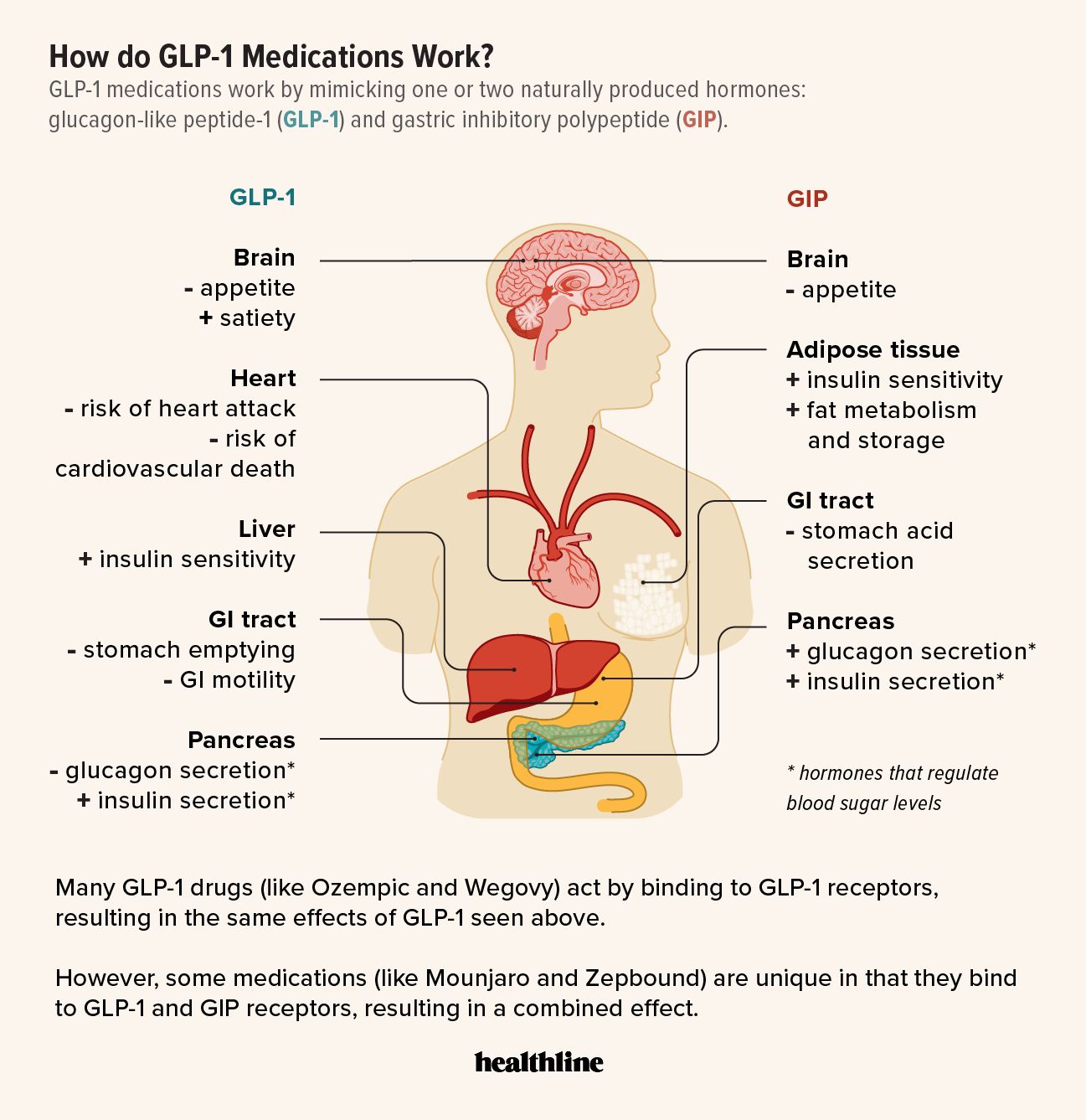
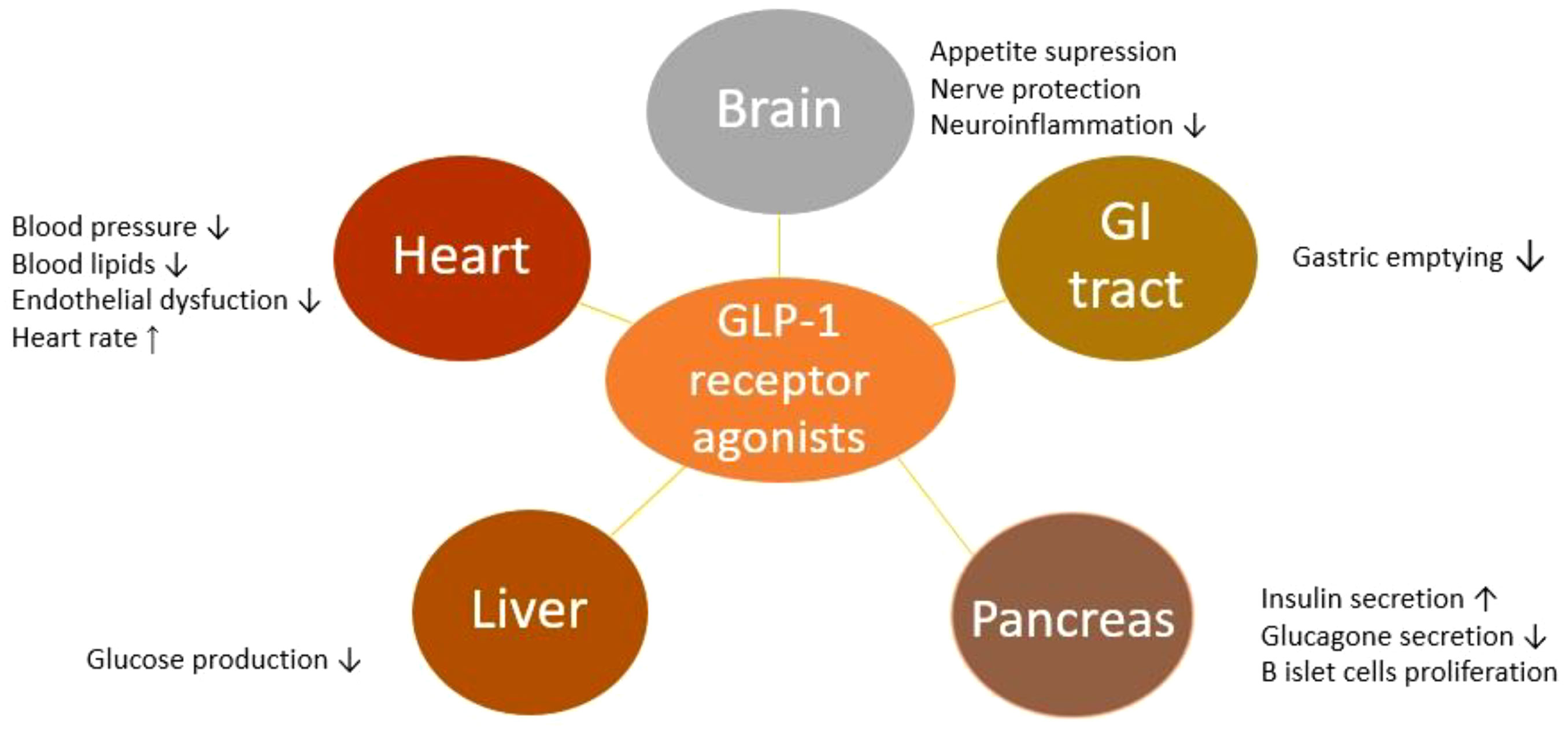
GLP-1 receptor agonists work by binding to the same receptors as the natural GLP-1 hormone in the body. The hormone GLP-1 is released in response to food intake and plays a crucial role in regulating blood sugar levels, appetite, and digestion. By stimulating the GLP-1 receptors, GLP-1 agonists help to:
- Increase insulin secretion: GLP-1 agonists stimulate the release of insulin from the pancreas, which helps to reduce blood sugar levels.
- Decrease glucose production: GLP-1 agonists also decrease the amount of glucose produced by the liver, further reducing blood sugar levels.
- Slow down gastric emptying: GLP-1 agonists slow down the movement of food from the stomach to the small intestine, which helps to reduce blood sugar spikes after meals.
Benefits of GLP-1 Receptor Agonists
GLP-1 receptor agonists have been shown to have numerous benefits, including:
- Improved glycemic control: GLP-1 agonists have been shown to reduce hemoglobin A1c (HbA1c) levels, a measure of blood sugar control.
- Weight loss: GLP-1 agonists have been found to promote weight loss, particularly in individuals with obesity.
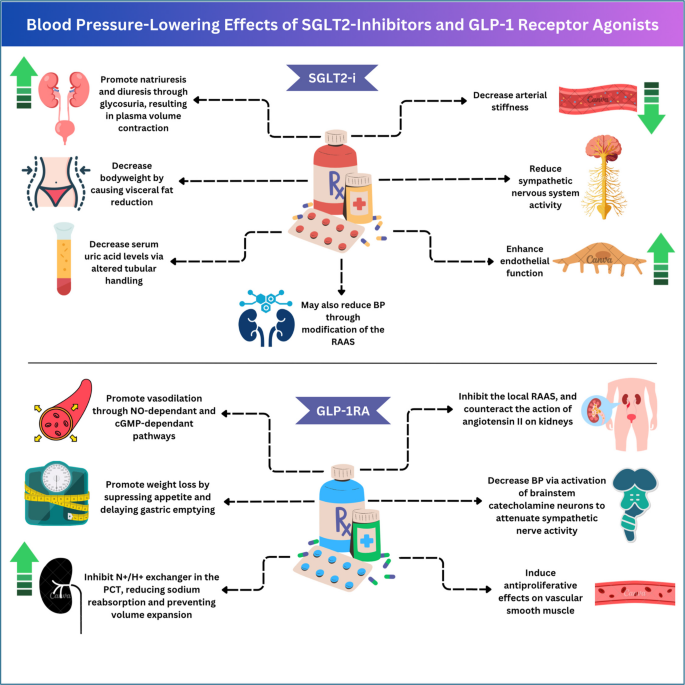
- Cardiovascular benefits: GLP-1 agonists have been shown to reduce the risk of major cardiovascular events, such as heart attacks and strokes.
- Improved kidney function: GLP-1 agonists have been found to slow the progression of kidney disease and reduce the risk of kidney failure.
GLP-1 Receptor Agonists and Self-Management
GLP-1 receptor agonists require self-management to achieve optimal results. Patients need to work closely with their healthcare provider to:

- Monitor blood sugar levels: Regular blood glucose monitoring is necessary to adjust medication dosages and make lifestyle changes.
- Maintain a healthy diet: A balanced diet and regular physical activity are crucial for achieving optimal blood sugar control and weight loss.
- Stay hydrated: Drinking plenty of water is essential to help regulate blood sugar levels and avoid dehydration.
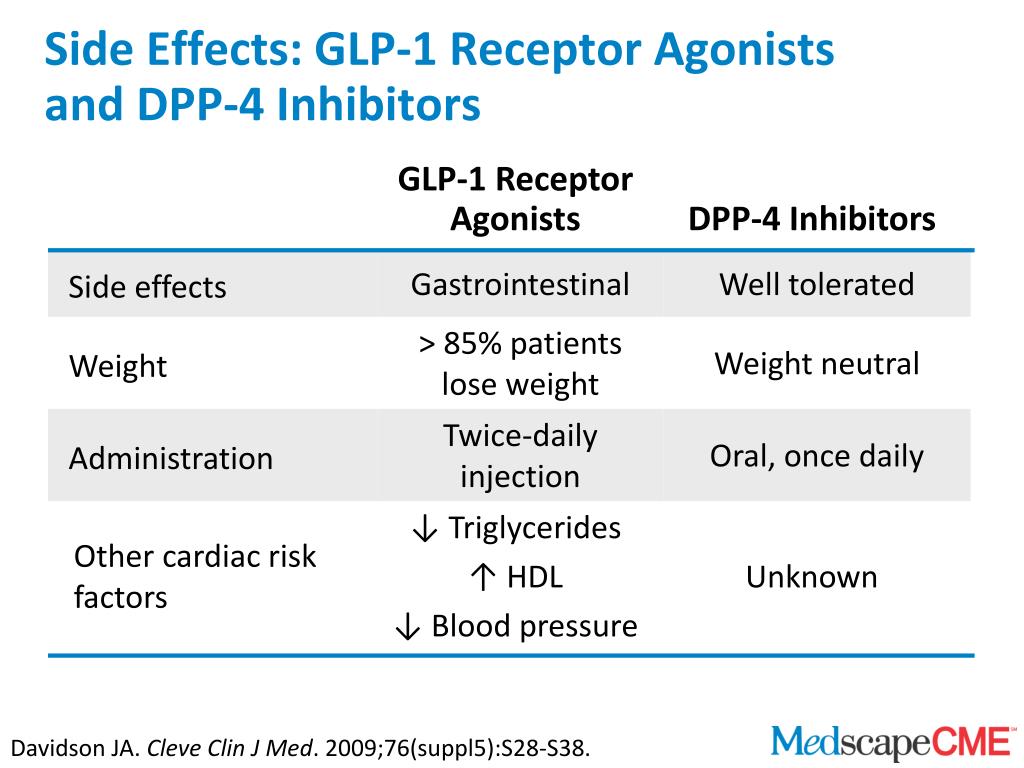
Common Side Effects of GLP-1 Receptor Agonists
Common side effects of GLP-1 receptor agonists include:
- Nausea and vomiting
- Diarrhea
- Injection site reactions
- Headache
- Tiredness
Conclusion
GLP-1 receptor agonists are a promising class of medications for managing blood sugar levels, weight loss, and other metabolic disorders. By mimicking the action of the natural hormone GLP-1, these medications have been shown to improve glycemic control, promote weight loss, and reduce the risk of cardiovascular events. To achieve optimal results, patients need to work closely with their healthcare provider to monitor blood sugar levels, maintain a healthy lifestyle, and manage potential side effects.
References
1. Mar 19, 2025. Aim: This study aimed to investigate the impact of glucagon-like peptide-1 receptor agonists (GLP-1RAs) on individuals with type 2 diabetes (T2DM) by comparing self-management behaviors, anxiety, and sleep quality in T2DM patients.
Be Prepared: Working with GLP-1 Receptor Agonists
As you begin your journey with GLP-1 receptor agonists, it's essential to be prepared for the changes that come with this medication. By understanding the benefits and potential side effects, you can work closely with your healthcare provider to achieve optimal results and improve your overall quality of life.