Using GLP-1 to Develop Mindful Eating Habits: A Holistic Approach to Weight Management
When it comes to managing weight, there are numerous factors to consider, including medication, diet, and lifestyle habits. Two popular tools gaining attention in recent years are GLP-1 medications and mindful eating practices. While they may seem worlds apart, they can actually complement each other seamlessly. In this article, we'll delve into how using GLP-1 to develop mindful eating habits can lead to a more sustainable and holistic approach to weight management.
Understanding Mindful Eating
Mindful eating encourages us to engage fully with our meals, promoting a healthier relationship with food and enhancing body awareness. By paying attention to hunger and satiety cues, savoring each bite, and making conscious food choices, individuals can develop a more intuitive relationship with food. Research has shown that mindful eating can lead to reduced calorie intake and improved dietary choices, which is why combining it with GLP-1 medications can be a powerful strategy for weight loss.
How GLP-1 Medications Work
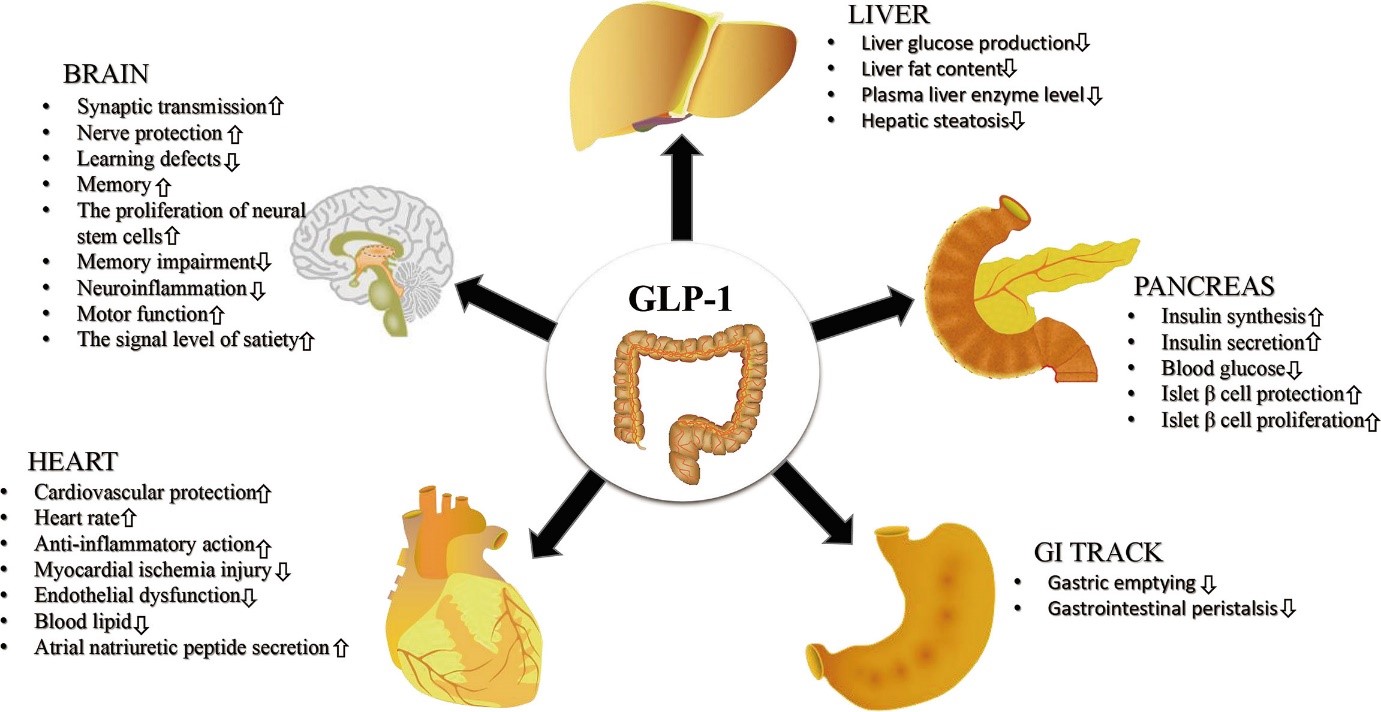
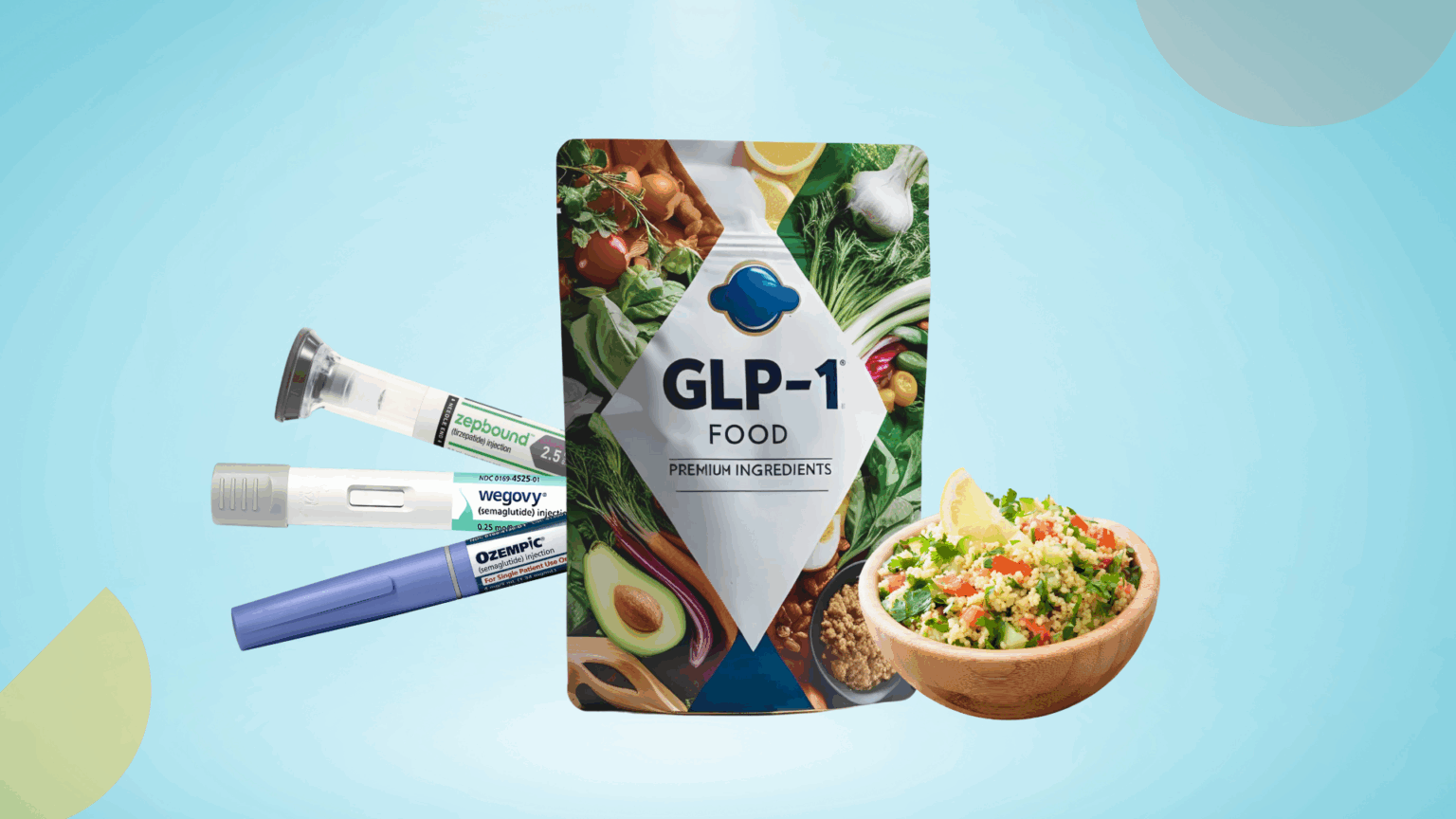
GLP-1 medications, such as semaglutide and liraglutide, work by mimicking the action of the body's natural GLP-1 hormone, which regulates appetite and satiety. These medications have been shown to reduce hunger and increase feelings of fullness, making it easier to manage weight. However, while GLP-1 medications are a valuable tool in weight management, they do not teach individuals how to eat well. This is where mindful eating comes into play.
The Benefits of Combining GLP-1 and Mindful Eating
When individuals use GLP-1 medications, they are given an opportunity to develop sustainable eating habits that can persist even after treatment ends. Mindful eating practices become permanent tools for maintaining health achievements, promoting long-term weight management, and improving overall well-being. By combining these two approaches, individuals can break the cycle of habitual eating and cultivate a healthy relationship with food.
5 Mindful Eating Tricks for GLP-1 Users

- Pay attention to hunger and satiety cues: Before reaching for food, take a moment to assess your hunger levels. This will help you identify when you're truly hungry and when you're eating out of habit or boredom.
- Listen to your body: Pay attention to physical sensations of fullness and satisfaction. Stop eating when you feel satisfied, rather than stuffed.
Navigating Challenges in GLP-1 and Eating Out
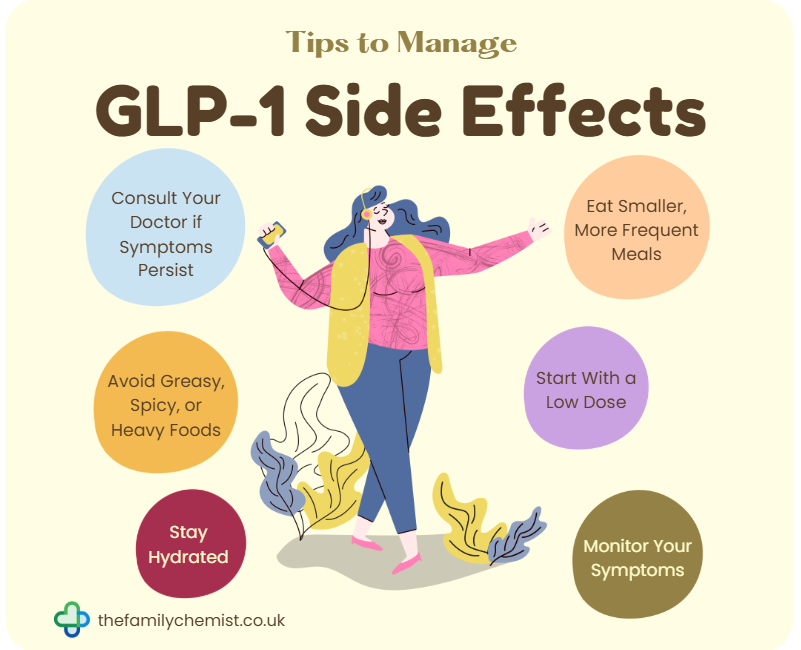
While using GLP-1 medications, individuals may face unique challenges when eating out, such as delayed gastric emptying, which can make digestion take longer. However, this slower digestion process can be beneficial for mindful eating, allowing individuals to savor each bite and connect with their body's natural hunger and fullness cues.
Expert Tips for Success
"As a physician, I always tell my patients: the GLP-1 medication period is an opportunity to rewire your relationship with food and your body. Use that quieter appetite to practice mindful eating, build a consistent movement habit, and identify emotional eating triggers," says Dr. Moleon.
By combining GLP-1 medications with mindful eating practices, individuals can develop sustainable habits that lead to long-term weight management and improved overall health. It's essential to approach weight management in a holistic way, incorporating medication, good nutrition, active lifestyle, and mindfulness to achieve lasting results.
Conclusion
Using GLP-1 to develop mindful eating habits is a powerful combination for achieving a healthier relationship with food and promoting sustainable weight management. By paying attention to hunger and satiety cues, savoring each bite, and making conscious food choices, individuals can cultivate a more intuitive relationship with food. Combining these mindful eating practices with GLP-1 medications creates a comprehensive approach to weight management that addresses physical and psychological factors. By embracing this holistic approach, individuals can achieve lasting weight loss and improved overall health.