Understanding Export License Requirements for Global Trade
In today's interconnected global economy, international trade plays a crucial role in business growth and economic development. However, exporting goods from the United States isn't always as straightforward as one might think. One of the essential requirements for businesses engaging in global commerce is obtaining an export license, if required. In this article, we will delve into the world of export licenses, exploring what they are, when they are required, and how to obtain them.
What is an Export License?
An export license is a government document that authorizes or grants permission to conduct a specific export transaction, including the export of technology. The primary purpose of an export license is to maintain national security and ensure compliance with export regulations.
When is an Export License Required?
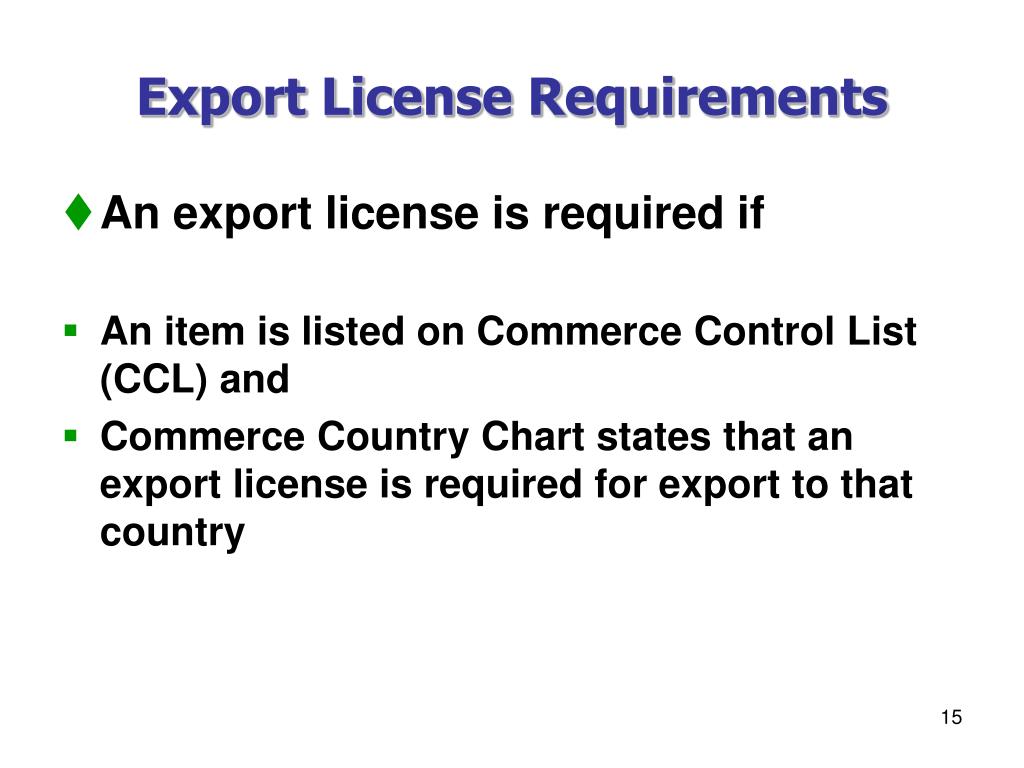
The requirement for an export license depends on the type of goods being exported and the country of destination. Some export transactions, such as those involving controlled technology or military equipment, may require a license. In other cases, a license may not be required, but the exporter must still comply with export regulations.
The Importance of Export Licensing Compliance
Failure to comply with export licensing requirements can result in severe penalties, including fines and even imprisonment. Businesses must therefore ensure that they have obtained the necessary licenses before conducting export transactions. The ultimate responsibility for determining if a license is needed, classifying the product, screening all parties involved, and maintaining records rests squarely with the exporter.
Steps to Obtain an Export License
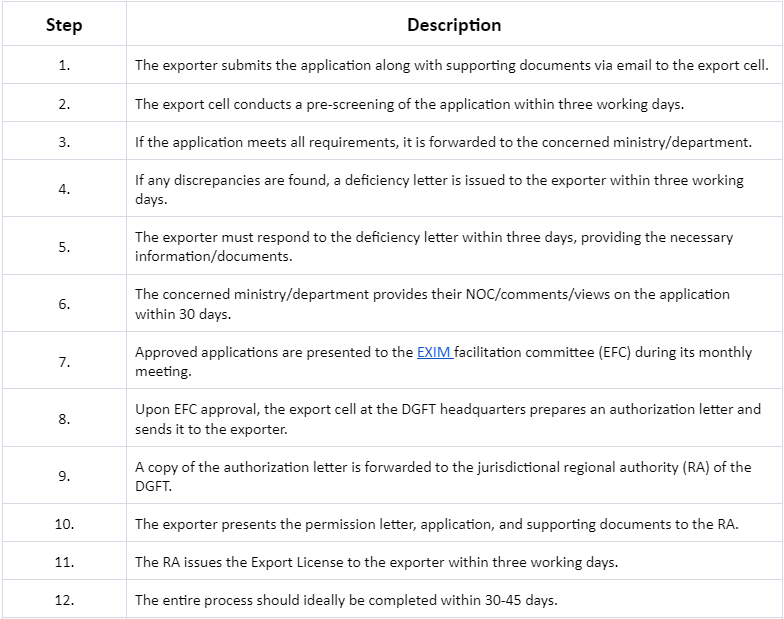
Obtaining an export license can be a complex and time-consuming process. The following steps can help guide businesses through the process:
- Determine if an export license is required for the specific export transaction
- Classify the product being exported using the Export Control Classification Number (ECCN) li>Prioritize parties involved in the export transaction using a list of acknowledged companies and individuals
- Complete and submit the export information through the Automated Export System (AES)
- Wait for approval and receive the export license
Export Licensing Requirements in the US
The US Department of Commerce is responsible for regulating the export and re-export of commodities, software, and technology. Some exports require a BIS license, and businesses must comply with export regulations. The Bureau of Industry and Security (BIS) provides guidance on export licensing requirements and regulates the export of controlled items.
Consequences of Non-Compliance
Non-compliance with export licensing requirements can have severe consequences, including fines, penalties, and even imprisonment. It is essential for businesses to ensure that they have obtained the necessary licenses before conducting export transactions.
Conclusion
Export licenses are an essential requirement for businesses engaging in global commerce. Understanding the requirements for obtaining an export license, complying with export regulations, and avoiding non-compliance consequences is critical for businesses to succeed in international trade. By following the steps outlined in this article, businesses can navigate the complex world of export licensing and ensure smooth and compliant international trade transactions.
Frequently Asked Questions
Q: What is an export license?
A: An export license is a government document that authorizes or grants permission to conduct a specific export transaction, including the export of technology.
Q: When is an export license required?
A: An export license may be required for certain export transactions, such as those involving controlled technology or military equipment.
Q: How do I determine if an export license is required?
A: The exporter must classify the product being exported using the ECCN and prioritis parties involved before applying for an export license.
Q: What are the consequences of non-compliance with export licensing requirements?
A: Non-compliance with export licensing requirements can result in fines, penalties, and even imprisonment.