Export License Required for International Trade: Understanding the Registration Process
Exporting goods or services to international markets can be a complex and challenging process. One of the essential aspects of international trade is obtaining the necessary export licenses. In this article, we will explore what export licenses are, when they are required, and how to obtain them.
What is an Export License?
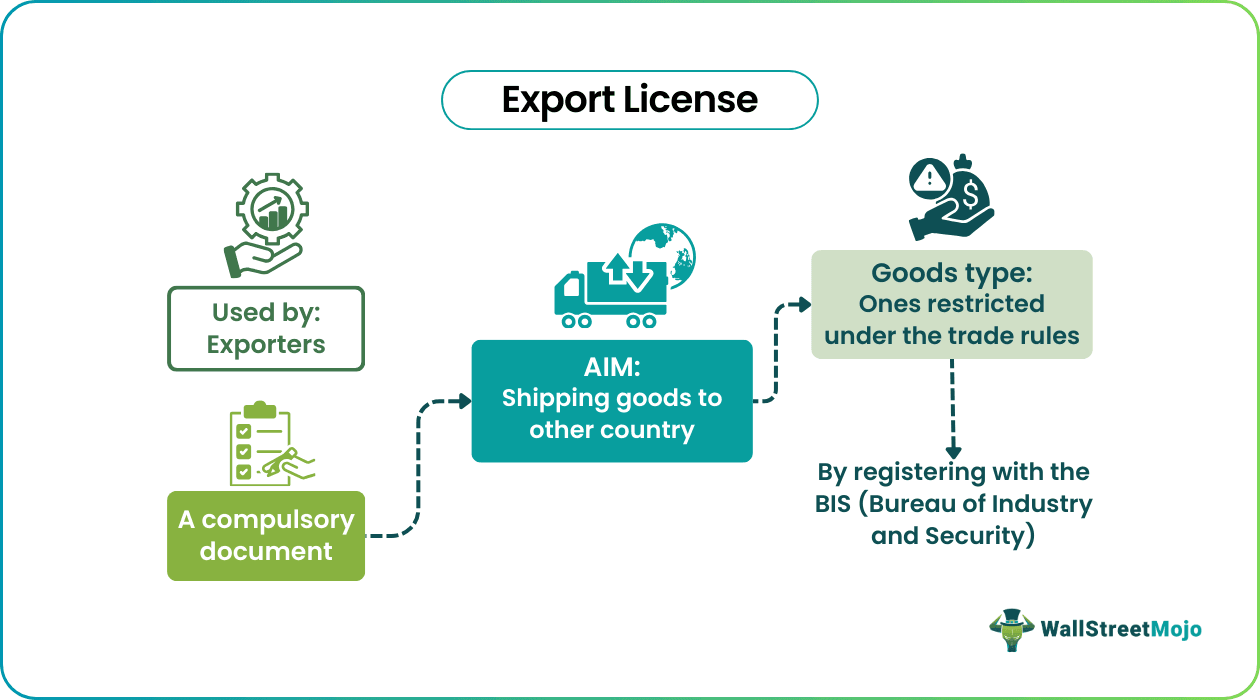
An export license is a government-issued document that authorizes a company or individual to ship specific goods to another country. This license is part of regulatory control designed to protect national interests, ensure product safety, and comply with international agreements.
Why Do Export Licenses Matter?
- Export licenses are a regulatory mechanism to ensure that goods and technologies deemed sensitive or strategic are transferred across borders in a controlled manner.
- They prevent the proliferation of items that could pose a threat to national security.
- Export licenses are necessary to comply with international agreements and regulations.
- They ensure product safety and protect intellectual property rights.
Who Needs an Export License?
Exporters who ship goods or services that are classified as controlled items or have potential dual-use applications may need an export license. Controlled items include:
- Military equipment
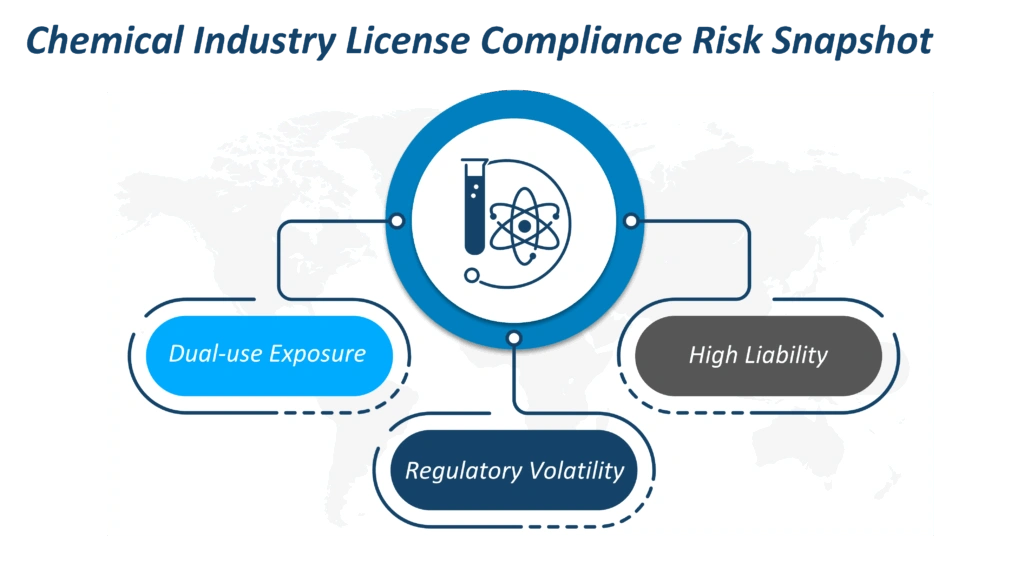
- Certain chemicals
- Advanced technologies
- Software and technology that can be used for military purposes
It is essential to note that not all exports require a license. The export of general consumer goods and commodities is generally not subject to licensing requirements.
What are the Steps to Obtain an Export License?
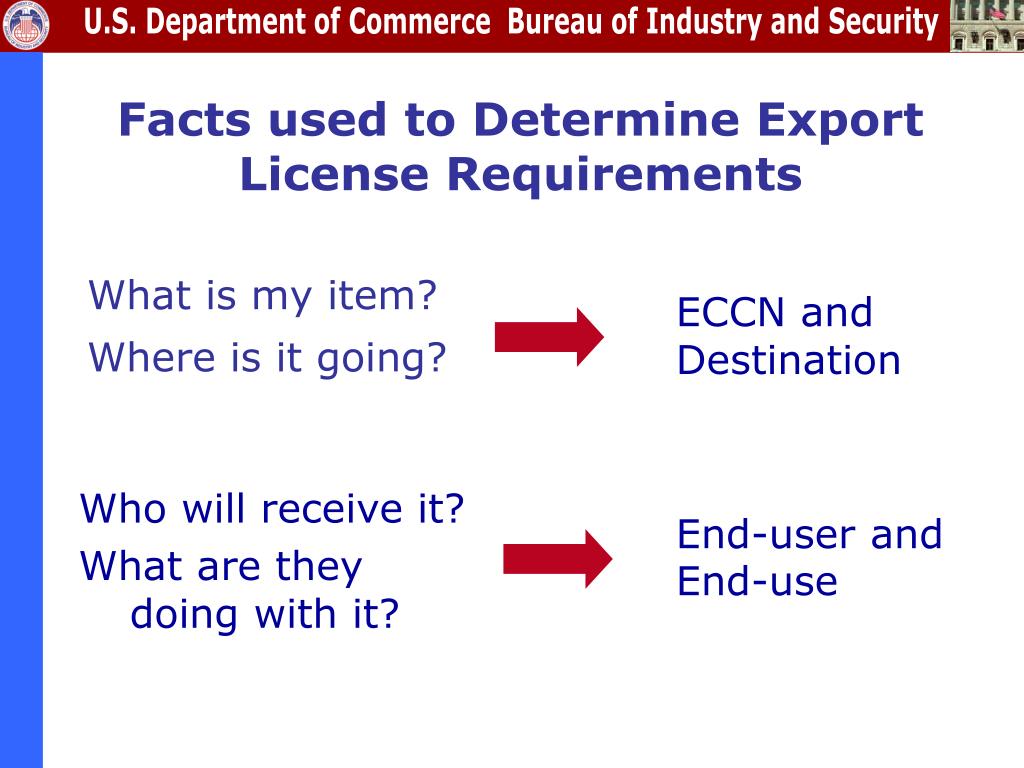
- Determine the type of export license required;
- Classify the exported item(s) correctly;
- Screen all parties involved in the export transaction, including the exporter, importer, and intermediate consignees.
- File the necessary export information with the Automated Export System (AES);
- Obtain approval from the relevant government agency.
Which Agencies Issue Export Licenses?
There are several government agencies responsible for issuing export licenses, including:
- The Bureau of Industry and Security (BIS)
- The Department of Commerce
- The Directorate of Defense Trade Controls (DDTC)
- The U.S. Customs and Border Protection (CBP)
- The Census Bureau
Consequences of Non-Compliance
Ignoring the need for an export license can result in severe civil and criminal penalties. Exporters who fail to comply with export regulations may face fines and penalties, including:
- Monetary fines
- Imprisonment
- Loss of export privileges
Conclusion
Export licenses are a critical component of international trade, ensuring that goods and technologies are transferred across borders in a controlled manner. Understanding the export license requirements and obtaining the necessary license is essential to avoid non-compliance and resulting penalties. By following the step-by-step guide to applying for an export license and ensuring compliance with regulatory requirements, exporters can navigate the complexities of international trade with confidence.
Additional Resources
- Export.gov: A comprehensive resource for information on export regulations and licensing
- ITC (International Trade Commission): Provides guidance on export licensing and international trade regulations
- Commerce Department's Bureau of Industry and Security (BIS): Responsible for administering export regulations
+Foreign+Person+Export+license+required.jpg "Obtaining an Export License - International Trade Administration")