Unlocking the Potential of 5G: The Power of Wireless Network Slicing
As we continue to witness the rapid growth and adoption of 5G technology, network slicing has emerged as a pivotal feature that is redefining the way we connect, communicate, and interact with our wireless networks. By enabling multiple virtual networks to share the same physical infrastructure, network slicing promises to unleash a new era of flexibility, efficiency, and innovation in the world of wireless communication.
The Concept of Network Slicing
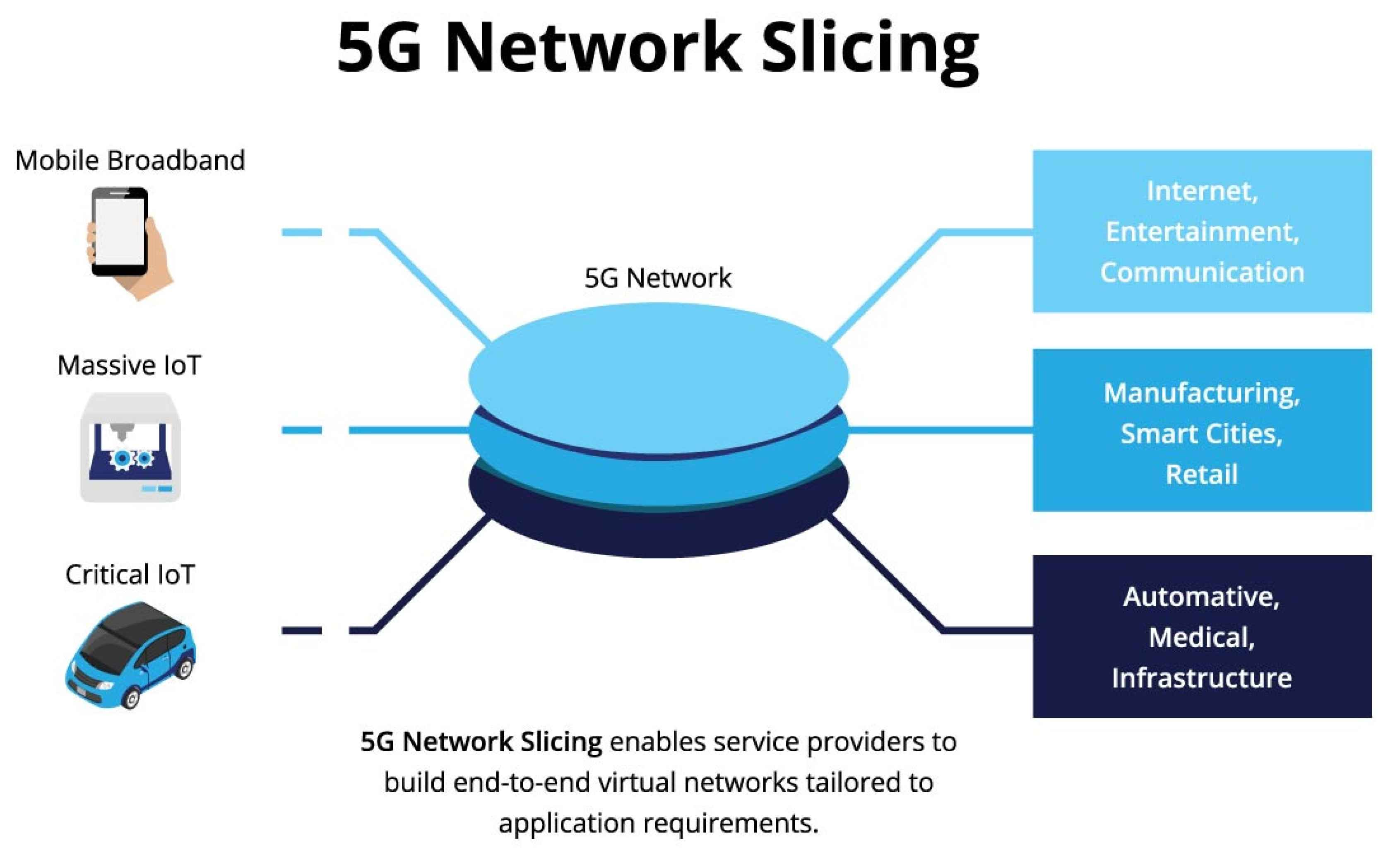
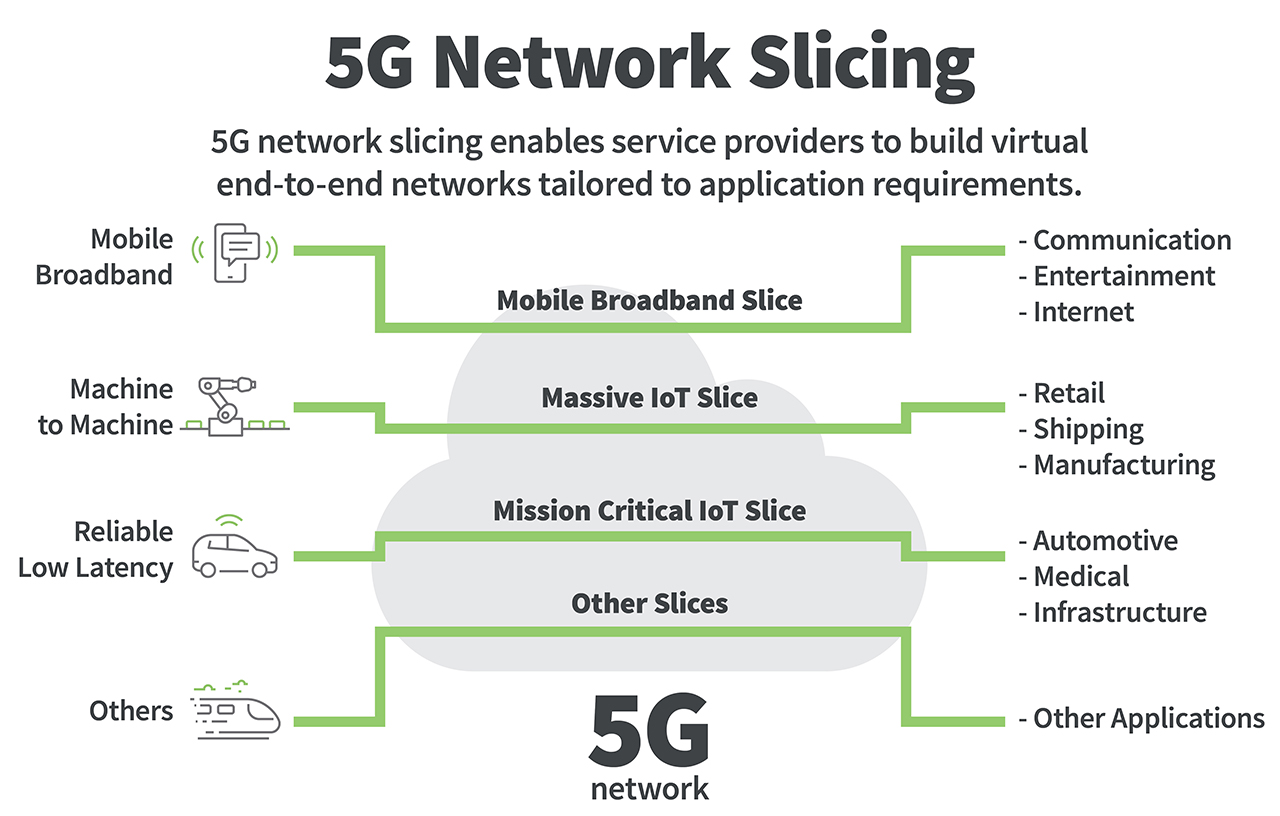
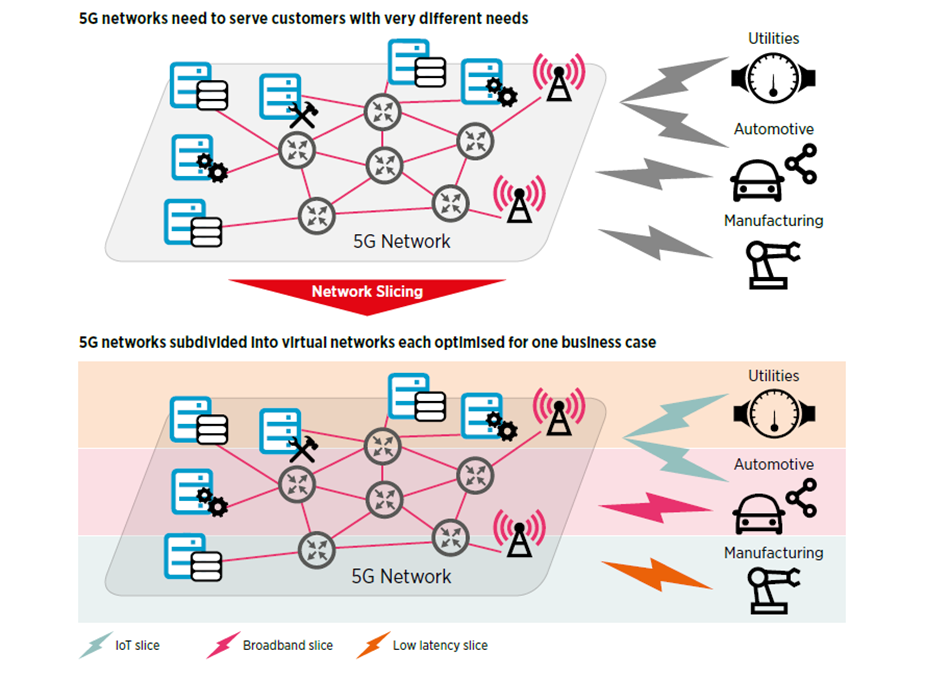
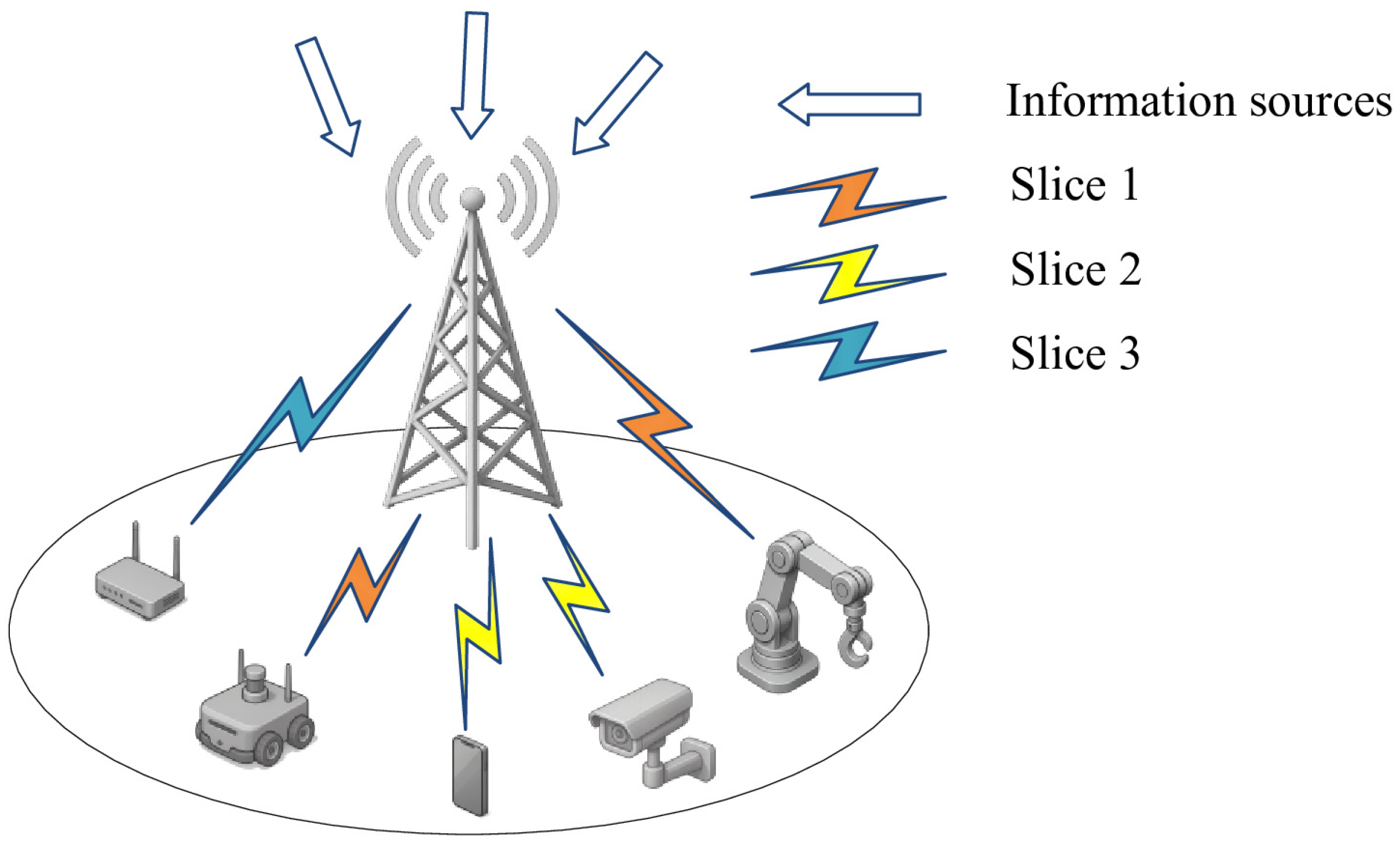
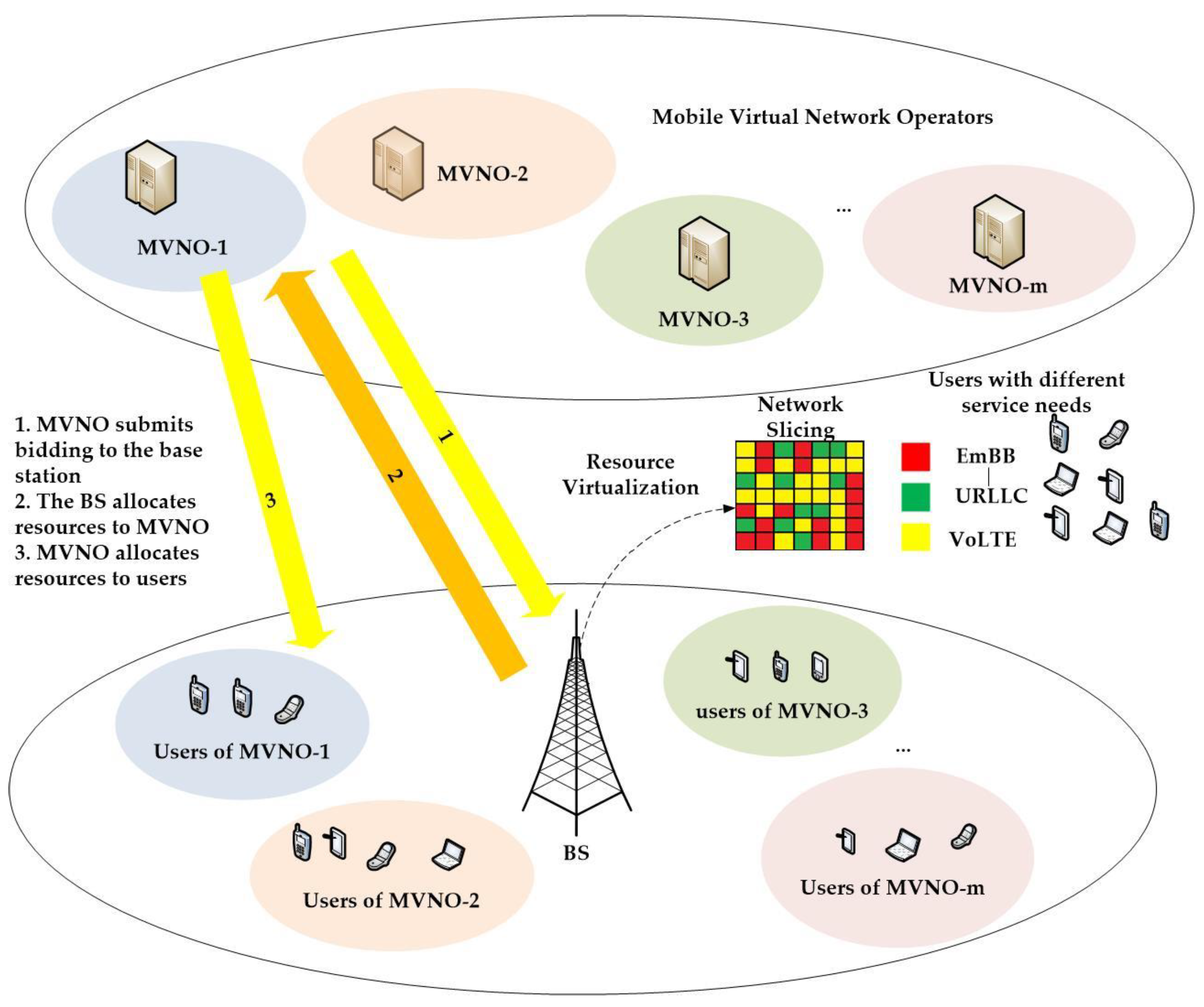
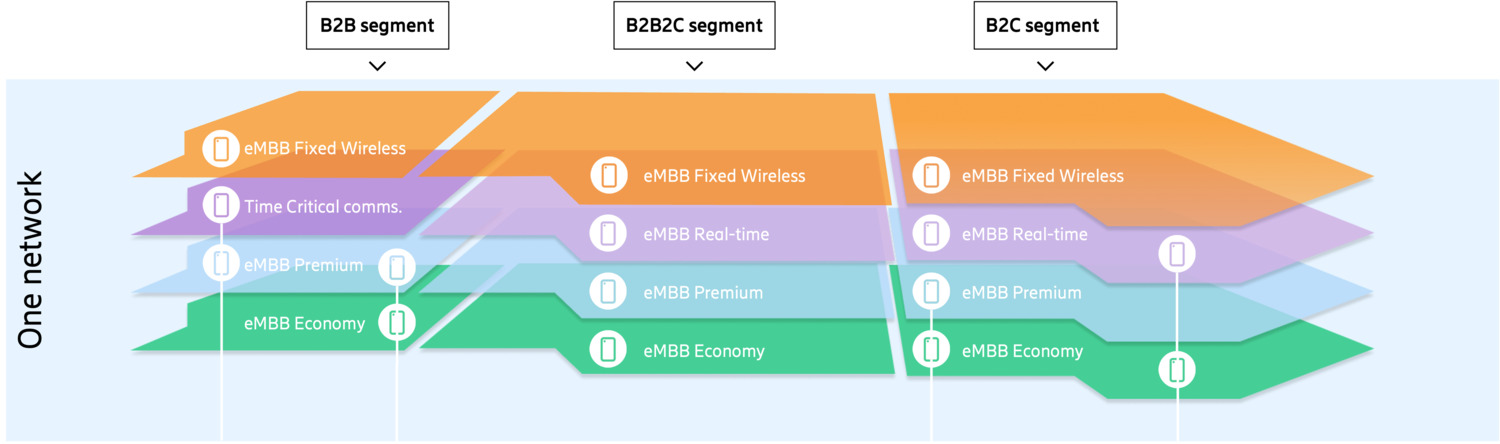
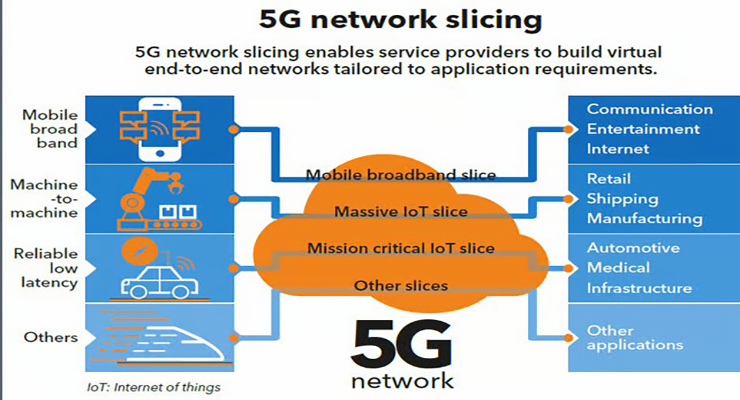
Network slicing is a fundamental aspect of 5G technology that allows service providers to create multiple virtual networks on top of a shared physical infrastructure. This means that each network slice is an isolated, end-to-end network tailored to fulfill the specific requirements of a particular application or service. The concept of network slicing is revolutionary, as it breaks free from the constraints of traditional network infrastructure and allows for a whole new level of customization and control.
Benefits of Network Slicing
- Improved flexibility: Network slicing enables service providers to create customized networks for different applications, services, and use cases, allowing for greater flexibility and agility in network management.
- Enhanced Quality of Service (QoS): Network slicing ensures that each network slice operates independently, ensuring that each application or service receives the specific quality of service it requires, without impacting other slices.
- Increased efficiency: By sharing the same physical infrastructure, network slicing reduces the need for redundant resources, resulting in increased efficiency and reduced costs.
- New business opportunities: Network slicing enables service providers to offer new and innovative services, such as private networks for enterprises, 5G fixed wireless access services, and cloud gaming services.
Use Cases for Network Slicing
Network slicing has numerous use cases across various industries, including:
- Private 5G networks for enterprises: Network slicing enables enterprises to create secure, customized networks for their specific needs, improving productivity and efficiency.
- 5G fixed wireless access services: Network slicing allows service providers to offer high-speed, low-latency fixed wireless access services to homes and home offices.
- Cloud gaming: Network slicing ensures low-latency and high-quality gaming experiences by creating dedicated network slices for gaming applications.
- Utilities and infrastructure: Network slicing enables utility companies to create dedicated networks for their operations, improving efficiency and reducing costs.
- Industrial automation: Network slicing provides a reliable and secure connection for industrial robots, improving productivity and efficiency in industrial environments.
Challenges and Limitations
While network slicing offers numerous benefits, it also presents several challenges and limitations, including:
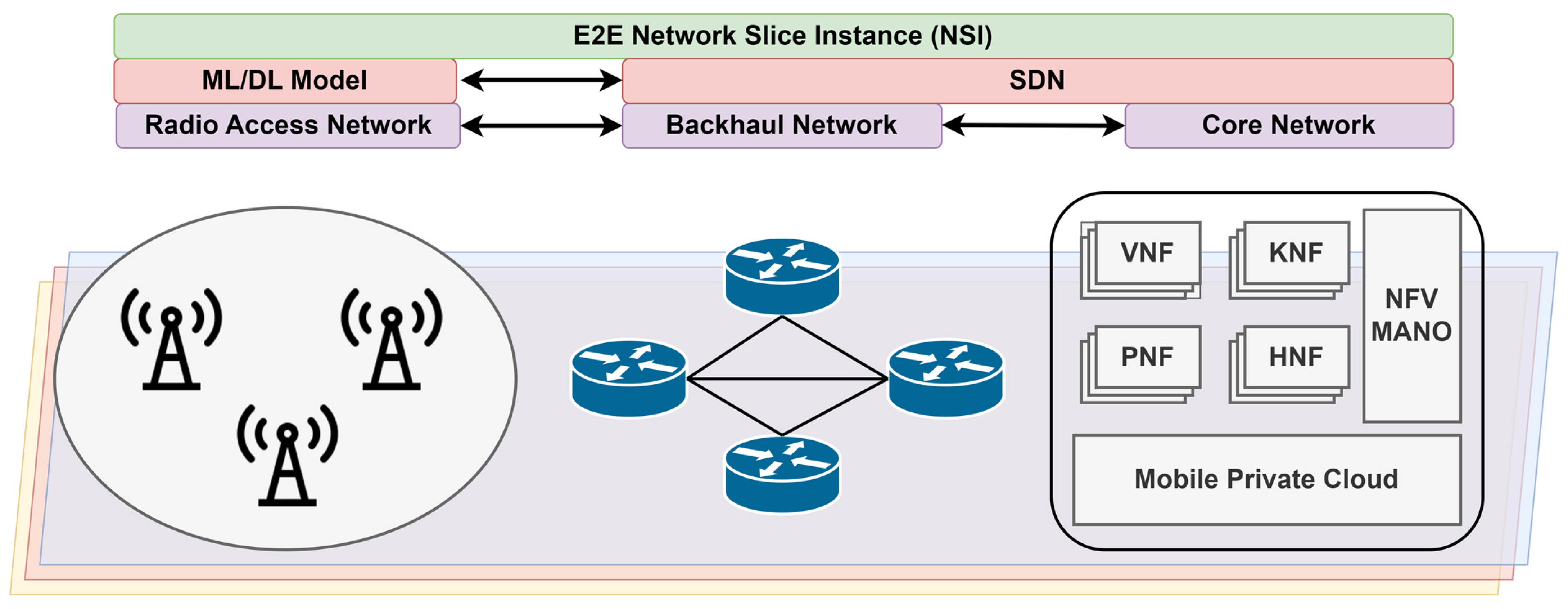
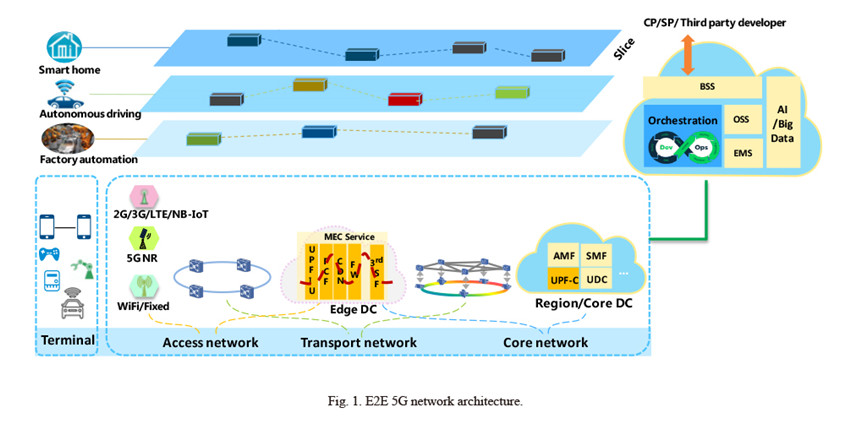
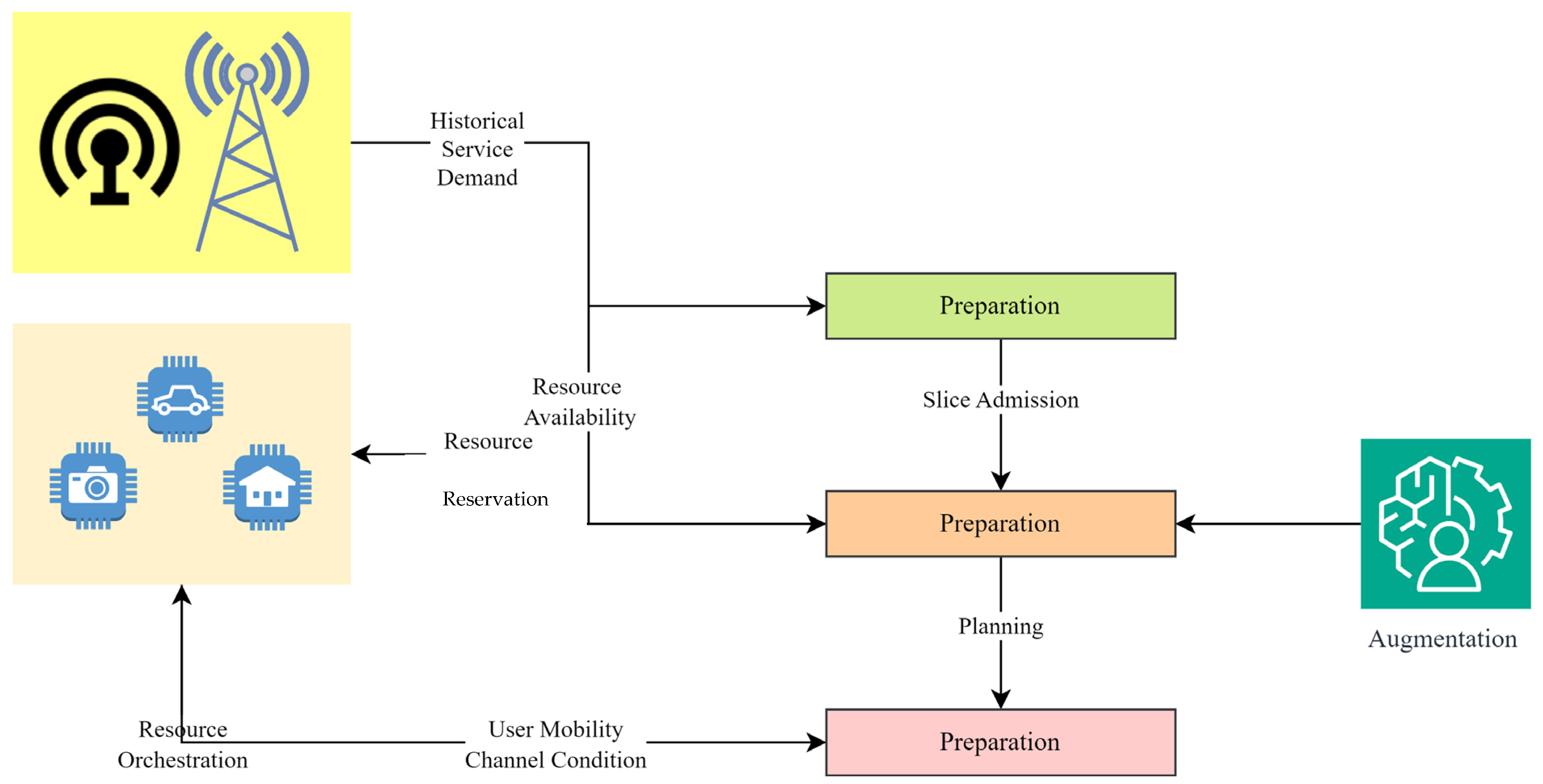
- Complexity: Network slicing requires sophisticated management and orchestration systems to manage multiple network slices.
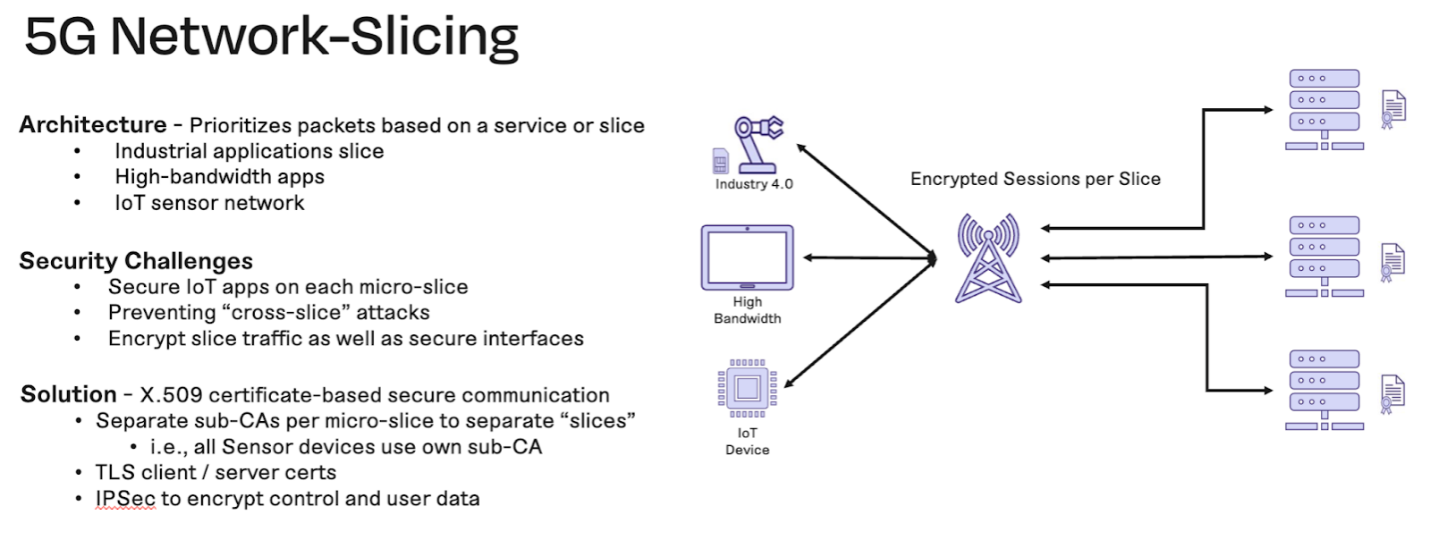
- Security: Dedicated network slices require robust security measures to prevent unauthorized access and ensure data protection.
- Scalability: Network slicing demands scalable infrastructure to support multiple virtual networks and ensure consistent performance.
- Interoperability: Network slicing poses interoperability challenges, particularly when combining different network technologies and vendors.
Conclusion
Network slicing is a fundamental feature of 5G technology that offers a wide range of benefits, from improved flexibility and enhanced QoS to increased efficiency and new business opportunities. As the technology continues to mature, we can expect to see more innovative applications and use cases emerge, as service providers and enterprises unlock the full potential of network slicing.
Key Benefits of Wireless Network Slicing
- Improved flexibility
- Enhanced Quality of Service (QoS)
- Increased efficiency
- New business opportunities
5G Network Slicing Defined
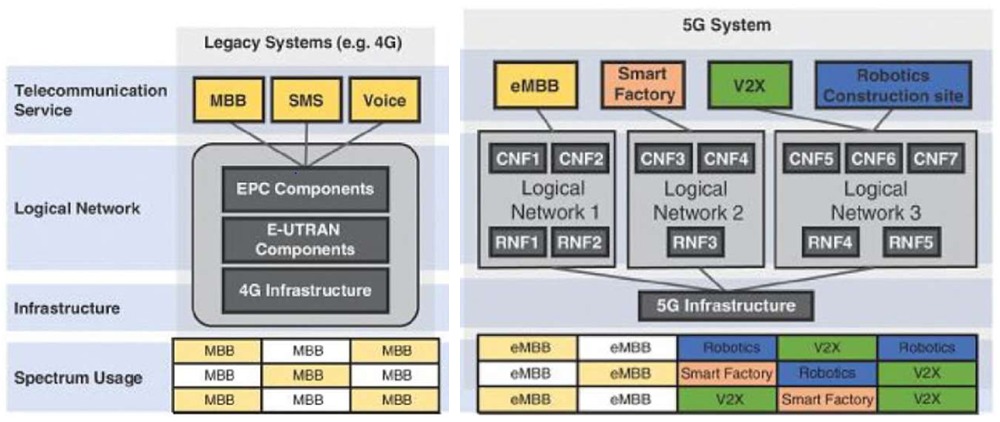
5G network slicing is an architecture that enables the multiplexing of virtualized and independent logical networks on the same physical network infrastructure. Each network slice is an isolated end-to-end network tailored to fulfill diverse requirements requested by a particular application.
The Future of Wireless Network Slicing
As we move forward, we can expect network slicing to play an increasingly critical role in shaping the future of wireless communication. As the technology continues to evolve, we can expect to see new innovations and applications emerge, and the lines between reality and science fiction continue to blur. With wireless network slicing, the possibilities are endless, and the future is bright.