Understanding the Mechanisms of Glucagon-like Peptide-1 (GLP-1) and its Influence on Energy Expenditure
Introduction
Glucagon-like peptide-1 (GLP-1) is a hormone that plays a crucial role in regulating appetite and energy homeostasis. Obesity results from an imbalance between energy intake and energy expenditure (EE), and GLP-1 receptor (GLP-1R) agonists have been shown to reduce weight through appetite suppression. However, the influence of GLP-1 on energy expenditure has been poorly understood and remains a subject of debate. This article reviews the current understanding of how GLP-1 influences energy expenditure and its potential therapeutic applications.GLP-1 and Energy Expenditure: A Complex Relationship
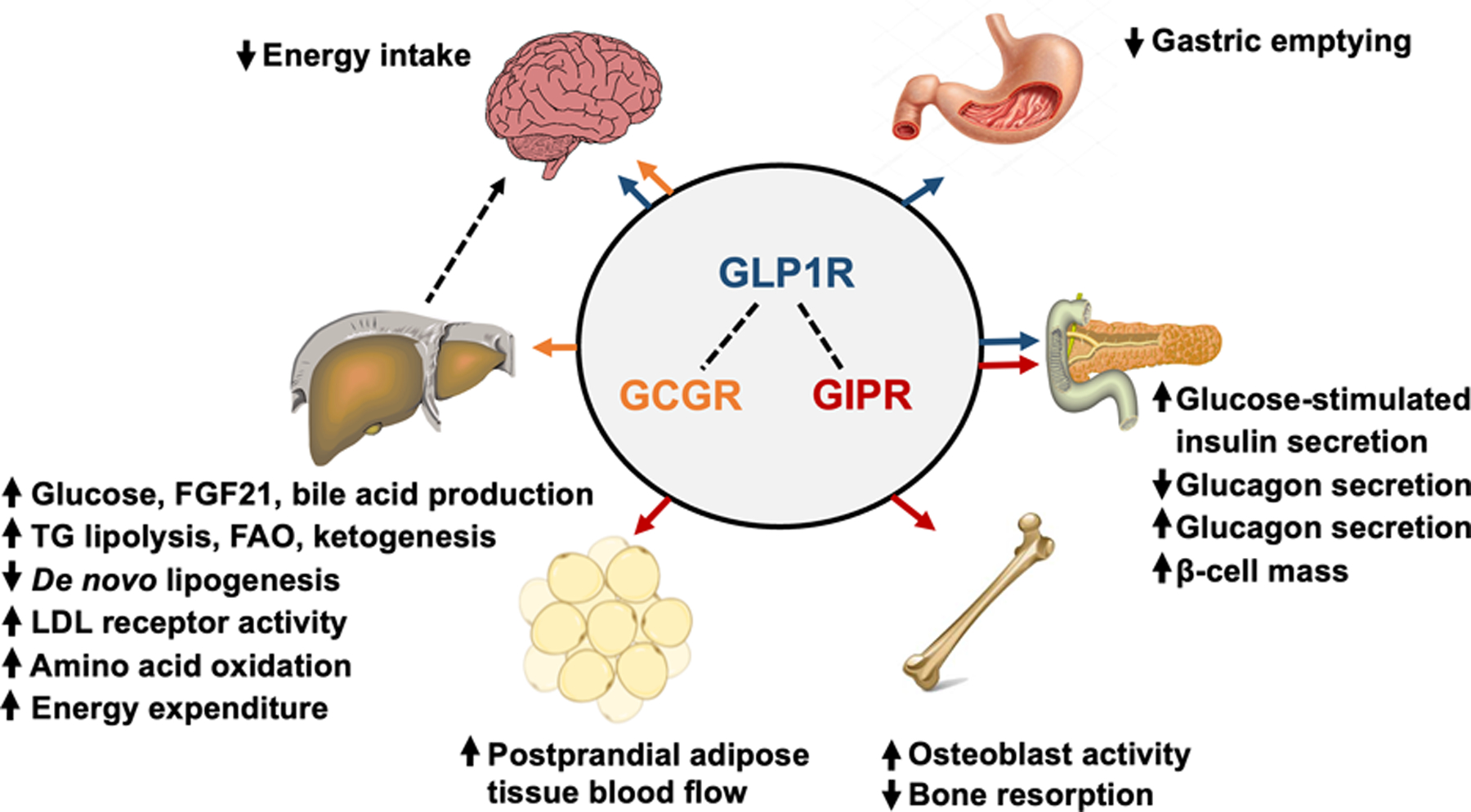
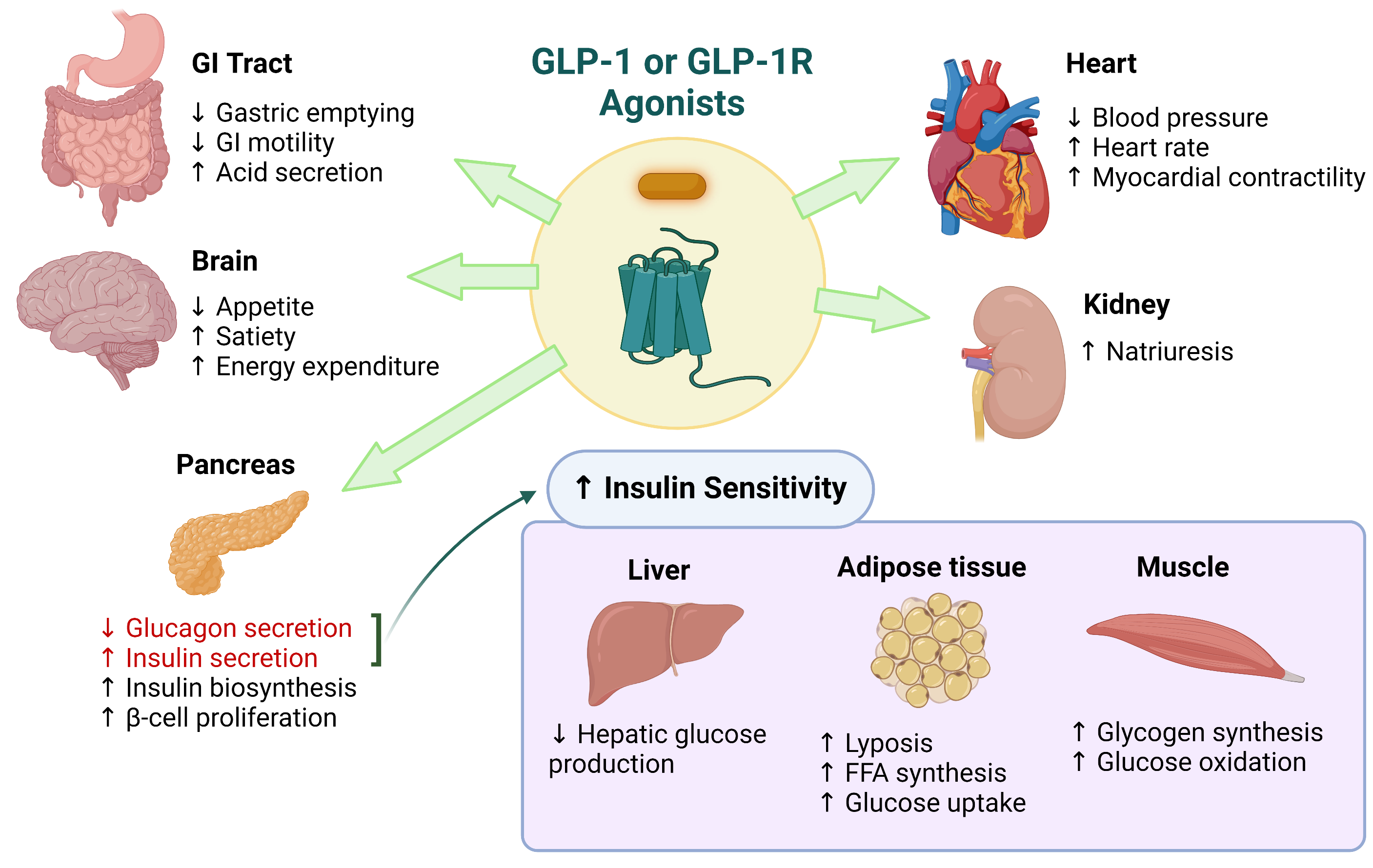
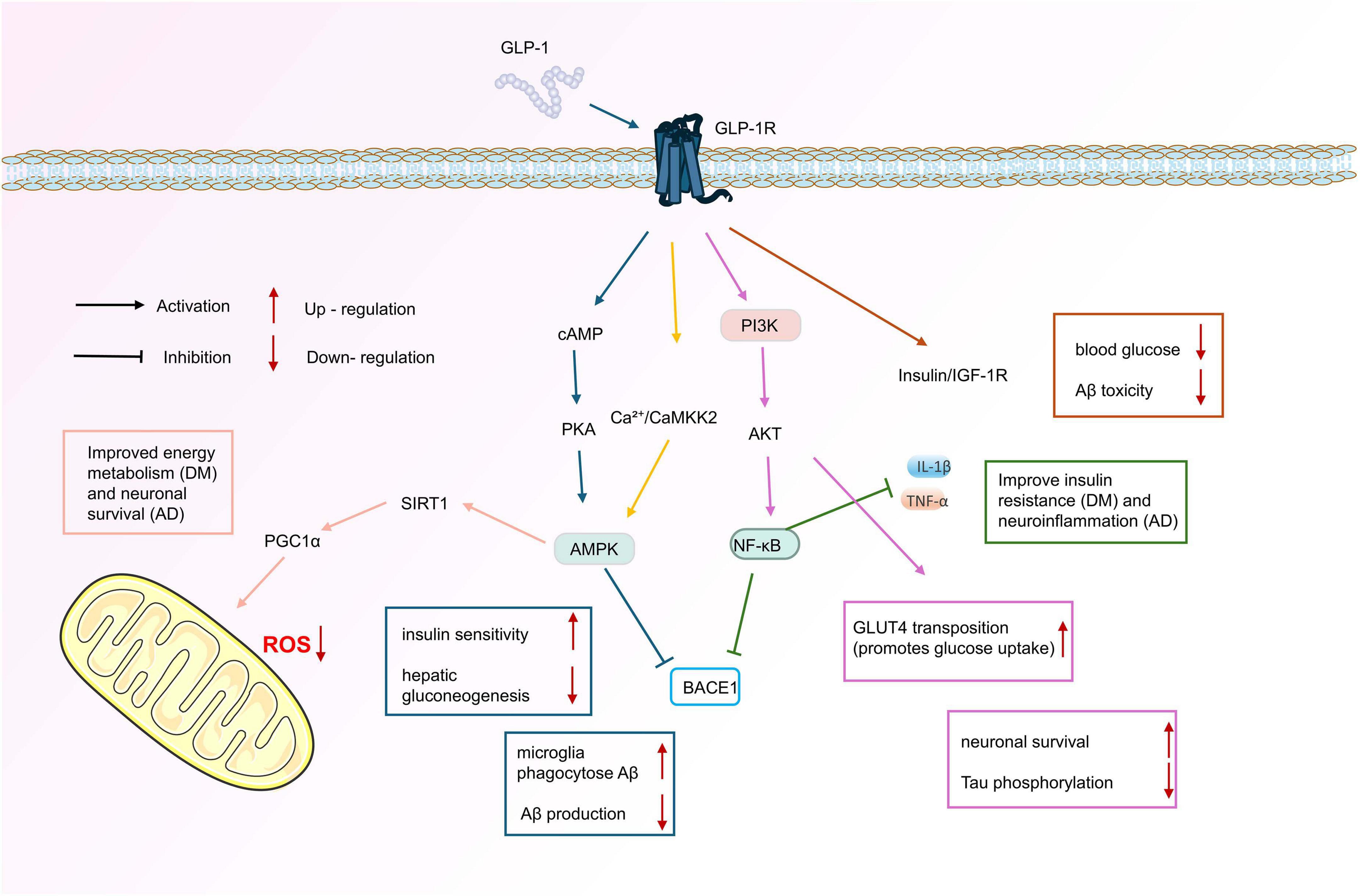
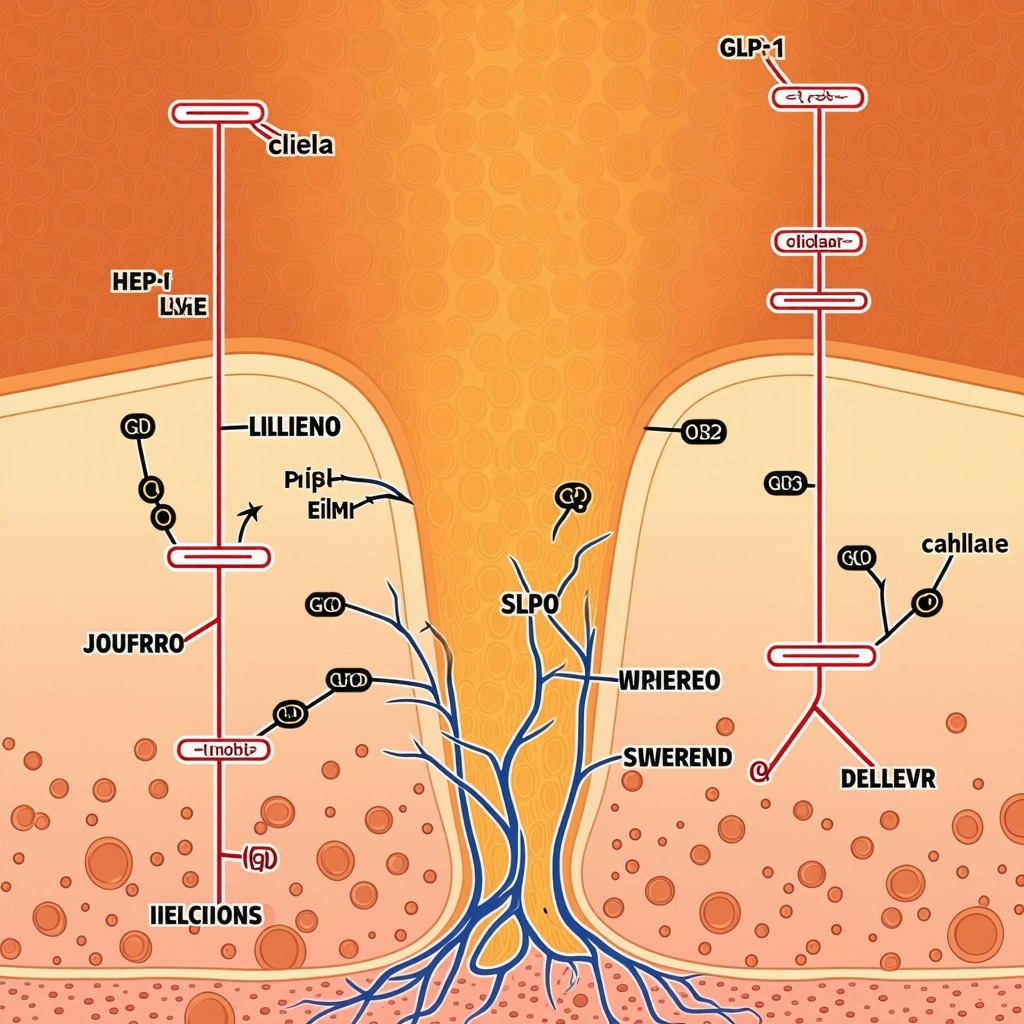
GLP-1 is a gut hormone that is released in response to food intake and has a short half-life in the bloodstream. It acts on the central nervous system and peripheral tissues to regulate glucose metabolism and energy balance. Central GLP-1R activation modulates brain regions controlling appetite, leading to changes in neurotransmitter and peptide release. Peripheral GLP-1R activation in the pancreas, liver, skeletal muscle, and adipose tissue enhances insulin secretion, reduces glucagon release, delays gastric emptying, and regulates gut hormones.Central vs. Peripheral Actions of GLP-1
Central GLP-1R activation has been shown to increase energy expenditure by stimulating brown adipose tissue thermogenesis. However, peripheral GLP-1R activation in the liver has been found to reduce energy expenditure by promoting glycogen synthesis. The pendulum of GLP-1's influence on energy expenditure may thus swing both ways, depending on the tissue and pathway involved.GLP-1 and Energy Expenditure in Human Studies