Mastering Keyword Research Best Practices for Long Tails: A Comprehensive Guide
Keyword research is at the heart of every successful SEO campaign. It enables you to create content that resonates with your target audience and drives more high-quality traffic to your website. Long-tail keywords are highly specific search phrases that can help you achieve this goal. In this article, we'll delve into the world of long-tail keywords and explore the best practices for researching and optimizing them for better search rankings.
What are Long-Tail Keywords?
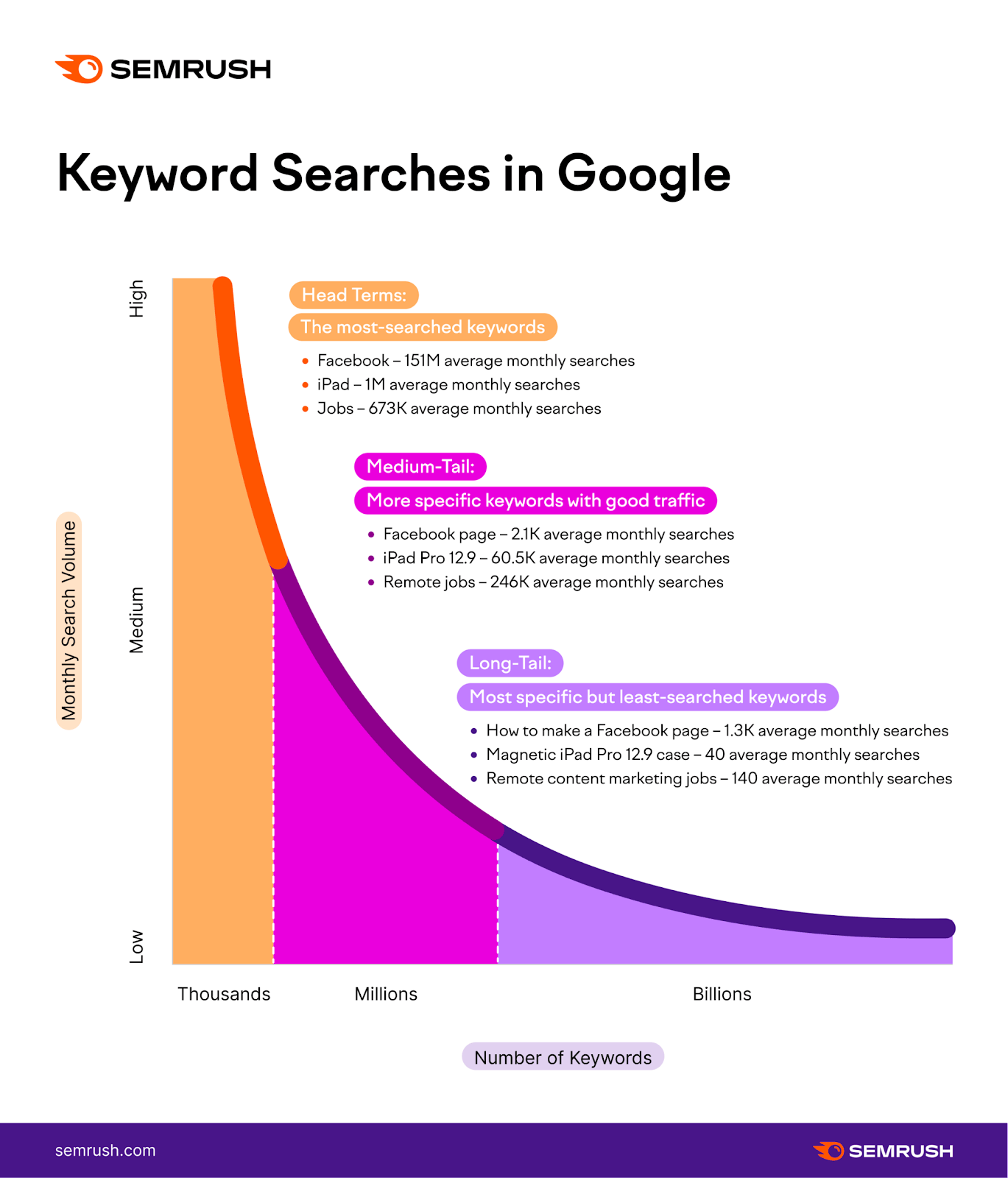
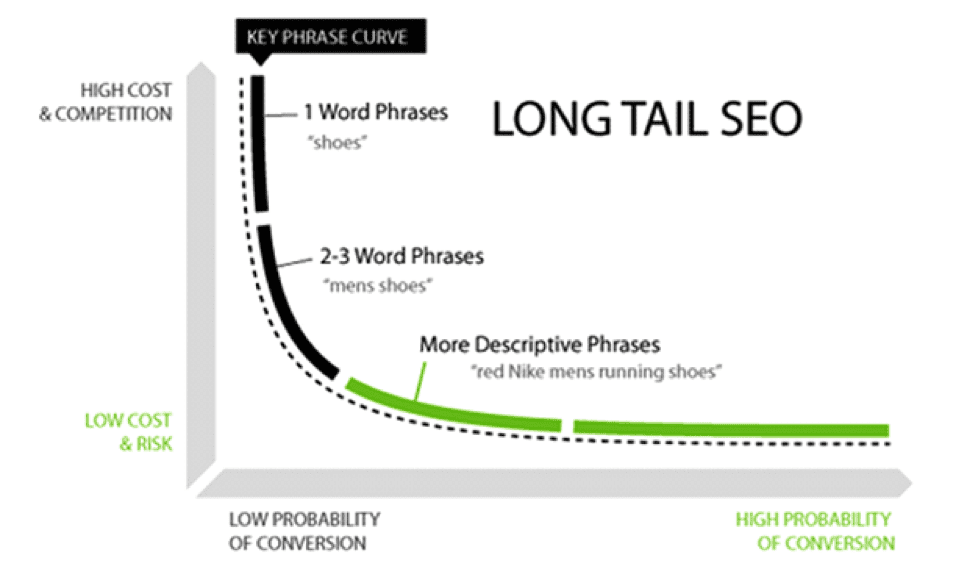
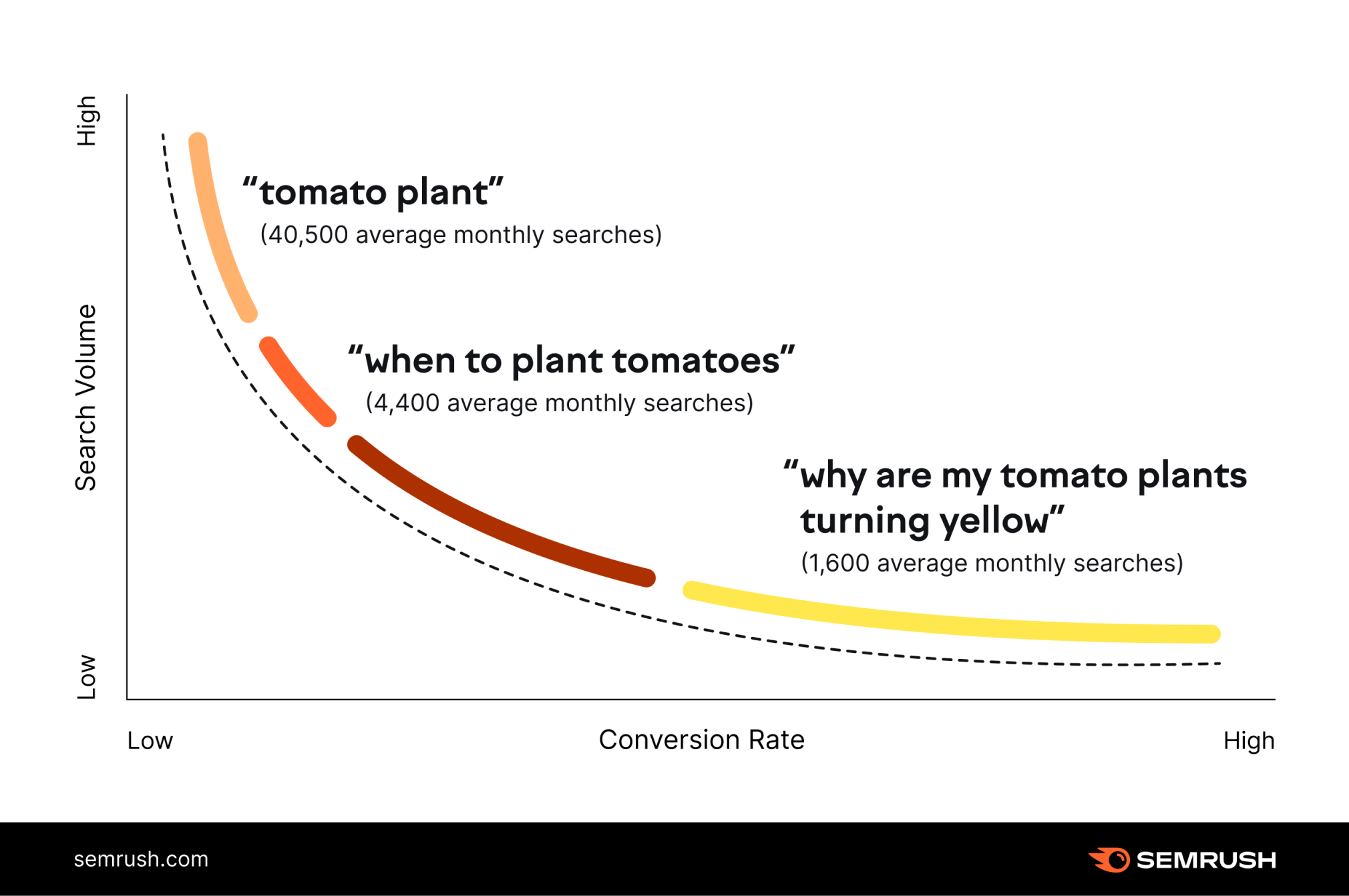
Long-tail keywords are longer, more detailed phrases that users type into search engines to find specific information. Unlike broad, generic keywords, long-tails tend to have lower search volumes but are also less competitive. As a result, they often yield better conversion rates and higher returns on investment (ROI).
Why Use Long-Tail Keywords?
Long-tail keywords have several advantages over broad keywords:
- Lower competition: With fewer businesses targeting them, long-tails are less competitive, making it easier to rank higher.
- Higher conversion rates: Long-tails are typically more specific, attracting users who are closer to making a purchase or taking a desired action.
- Better ROI: Since long-tails have lower search volumes, the cost per click (CPC) is generally lower, resulting in a better ROI.
How to Conduct Keyword Research for Long Tails
Effective keyword research involves using a combination of tools and techniques to identify the best long-tail keywords for your content. Here are some best practices to get you started:
1. Identify Seed Keywords
Start by brainstorming seed keywords related to your business or niche. Use online tools like Google Keyword Planner, Ahrefs, or SEMrush to expand on these seed keywords and generate more ideas.
2. Analyze Competitors
Examine your competitors' websites, noting the keywords they're targeting and the long-tail variations they're using. This will give you insights into the competition and opportunities for differentiation.
3. Use Online Tools
Several online tools can help you find long-tail keywords and optimize your content. Some popular options include:
- Ubersuggest: A free SEO tool that enables keyword research, competitor analysis, and site audits.
- Long-Tail Keyword Generator: A tool that uses algorithms and SEO best practices to provide accurate, reliable results.
- Keyword Tool: A free alternative to Google Ads Keyword Planner that generates long-tail keywords in seconds.
4. Refine Your Search
.webp)
Once you've generated a list of long-tail keywords, refine your search by considering the following factors:
- Keyword density: Aim for a keyword density of 1-2% to avoid keyword stuffing.
- Competitor analysis: Assess the competition for each long-tail keyword and adjust your strategy accordingly.
- Monthly search volume: Target long-tail keywords with moderate search volumes (100-1,000 searches per month) for optimal ROI.
Best Practices for Optimizing Long-Tail Keywords
Once you've identified the best long-tail keywords for your content, follow these best practices for optimization:
1. Incorporate Keywords Strategically
Use long-tail keywords naturally throughout your content, but avoid keyword stuffing. Aim for a keyword density of 1-2%.
2. Optimize On-Page Elements
Optimize your on-page elements, such as:
- Meta titles and descriptions
- Header tags (H1, H2, H3, etc.)
- Image alt tags and descriptions
3. Create High-Quality Content
Produce high-quality, engaging content that provides value to your target audience. Use long-tail keywords to inform your content creation and ensure it's relevant to your audience.
4. Monitor and Refine
Continuously monitor your keyword performance and refine your strategy as needed. Adjust your long-tail keyword selection, content optimization, and on-page elements to ensure you're targeting the best opportunities.
Conclusion
Long-tail keyword research is a critical step in any successful SEO campaign. By following the best practices outlined in this article, you can identify and optimize long-tail keywords to drive more high-quality traffic and improve your ROI. Remember to conduct thorough research, analyze competitors, and refine your search to ensure you're targeting the best opportunities. With time and effort, you'll master the art of long-tail keyword research and take your SEO campaign to the next level.