Natural Remedies for Anxiety Disorders: Find Calm and Relief without Medication
Anxiety disorders are a common mental health condition that affects over 40 million adults in the United States. While prescription medications are often used to treat anxiety, many people are turning to natural remedies for anxiety relief. In this article, we will explore the best natural remedies for anxiety disorders, potential interactions, and when to seek medical attention.
Understanding Anxiety Disorders
Anxiety disorders are a group of mental health conditions characterized by feelings of tension, worried thoughts, and physical changes. These disorders can manifest in different ways, including generalized anxiety disorder, panic disorder, social anxiety disorder, and phobias. Anxiety can be debilitating, affecting daily life and overall health.
Natural Remedies for Anxiety Disorders
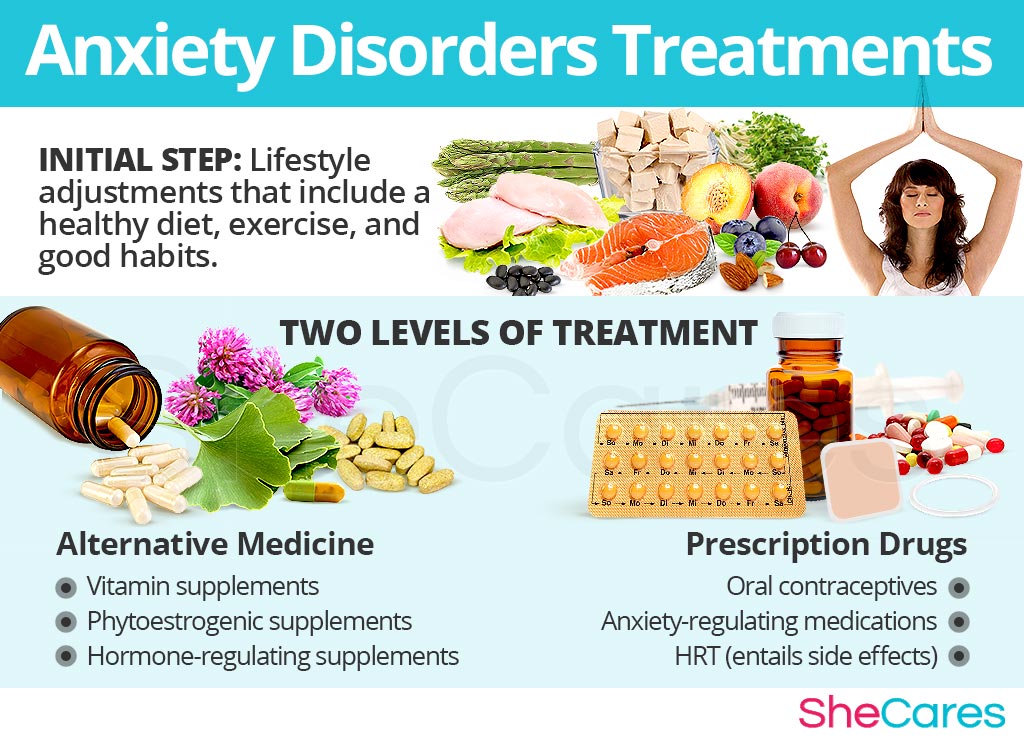
Fortunately, there are many natural remedies that can help alleviate anxiety symptoms. Some of the most effective natural remedies for anxiety disorders include:
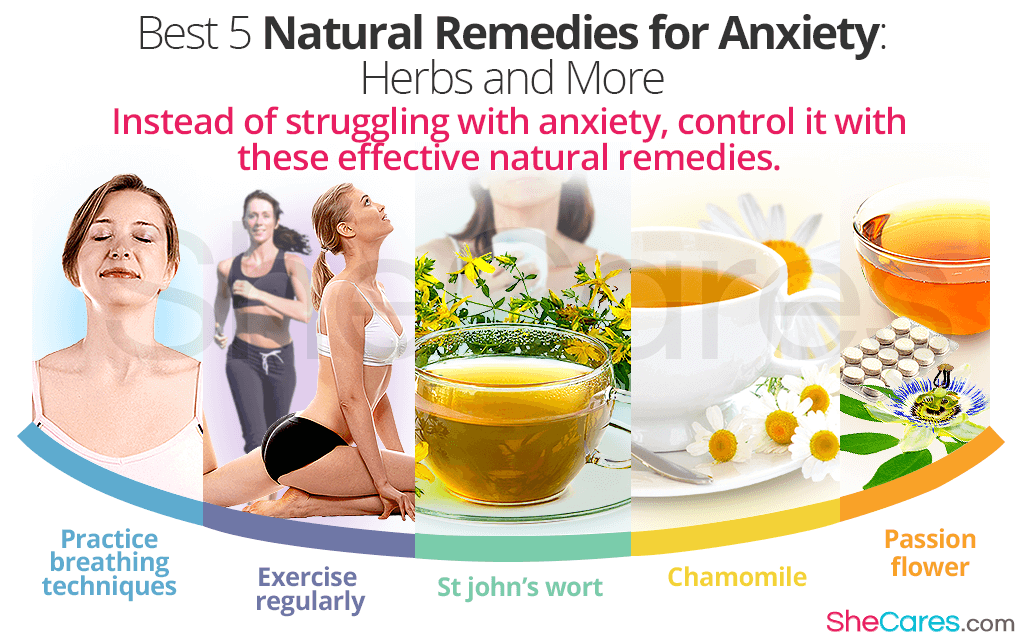
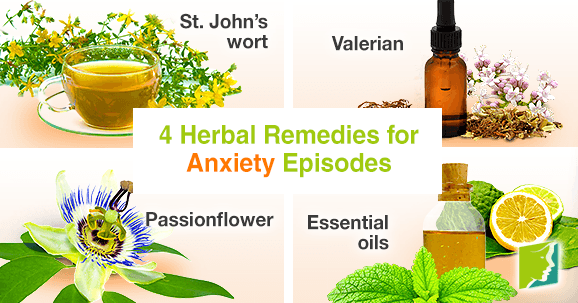
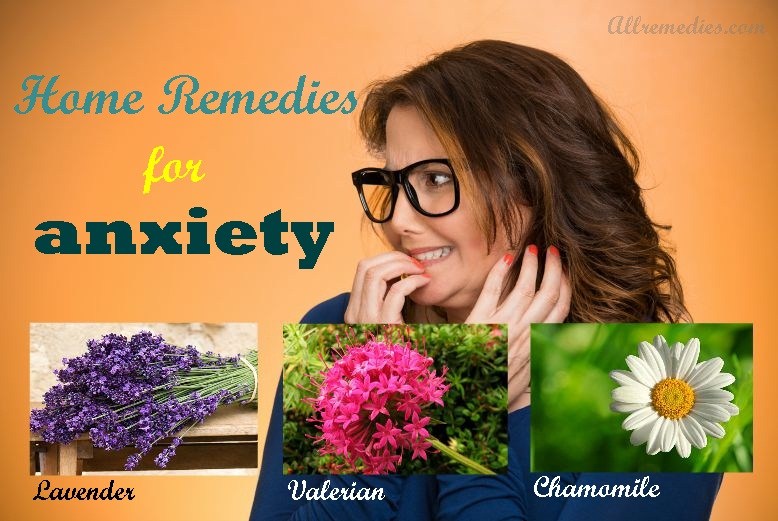
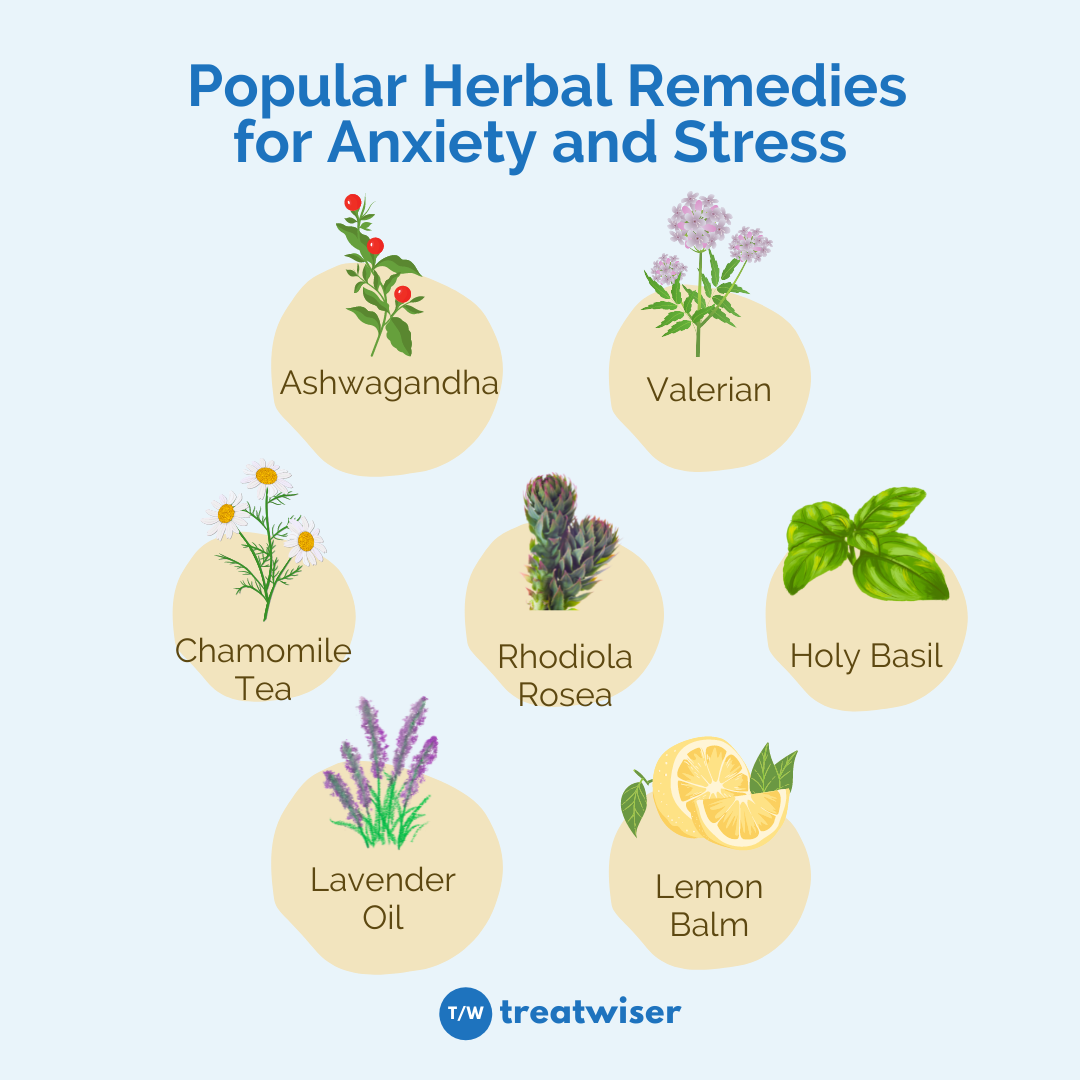
- Herbal Teas: Herbal teas like chamomile, lavender, and passionflower have been used for centuries to calm the mind and body. These teas can help reduce anxiety symptoms and promote relaxation.
- Movement and Exercise: Regular exercise can help reduce anxiety symptoms by releasing endorphins, also known as "feel-good" hormones. Activities like yoga, walking, and jogging can help alleviate anxiety and improve overall well-being.
- Mindfulness-Based Techniques: Mindfulness-based techniques, such as meditation and deep breathing, can help reduce anxiety by teaching individuals to focus on the present moment and let go of worries about the past or future.
- Lifestyle Changes: Simple lifestyle changes, such as avoiding caffeine, sugary drinks, and electronics before bedtime, can help reduce anxiety symptoms.
- Acupuncture: This ancient practice involves inserting small needles into specific points on the body to stimulate healing and relaxation. Some studies have shown that acupuncture can be effective in reducing anxiety symptoms.
- CBD Oil: CBD oil, derived from the cannabis plant, has been shown to have anxiolytic effects and may help reduce anxiety symptoms. However, more research is needed to fully understand its effects.
- Aromatherapy: Certain scents, such as lavender and bergamot, can have a calming effect on the mind and body, reducing anxiety symptoms.
- Chamomile: Chamomile has been used for centuries to calm the mind and body. It can be consumed as a tea or applied topically to reduce anxiety symptoms.
When to See a Doctor
While natural remedies can be effective in alleviating anxiety symptoms, it's essential to consult a healthcare professional before starting any new treatment. Certain natural remedies can interact with medications or have side effects, especially if taken in excess. Additionally, if anxiety symptoms persist or worsen, seek medical attention to rule out underlying conditions that may be contributing to anxiety.
Conclusion
Natural remedies for anxiety disorders offer a safe and effective way to alleviate anxiety symptoms without medication. By incorporating herbal teas, movement, mindfulness-based techniques, and lifestyle changes into your daily routine, you can find calm and relief. Remember to consult a healthcare professional before starting any new treatment and to rule out underlying conditions that may be contributing to anxiety. With patience and persistence, you can manage anxiety and live a healthier, happier life.
References:
- Discover 10 natural remedies to reduce anxiety. Everyday Health, Mar 13, 2024
- Learn about NIMH research on anxiety disorders. Find resources on the signs and symptoms of anxiety disorders and potential treatments and therapies.
- Improve blood flow to the penis naturally. Jelqing: a validated lifestyle intervention for the management of lower urinary tract symptoms. Journal of Sexual Medicine, 2017
- Fortunately, alongside this treatment, there are many natural anxiety reducers to be tried at home. This includes herbal teas like chamomile and lavender, exercise, meditation, and mindfulness-based practices.
- Learn how magnesium can improve sleep quality. The effects of magnesium on sleep, anxiety and non-motor symptoms in patients with Parkinson's disease. Journal of Parkinson's Disease, 2017