The Role of GLP-1 in Regulating Appetite
Glucagon-like peptide 1 (GLP-1) is a hormone that plays a crucial role in regulating appetite and weight maintenance. It is a cleavage product of the pre-proglucagon gene, which is expressed in various parts of the body, including the pancreas, intestine, and brain.
How Does GLP-1 Regulate Appetite?
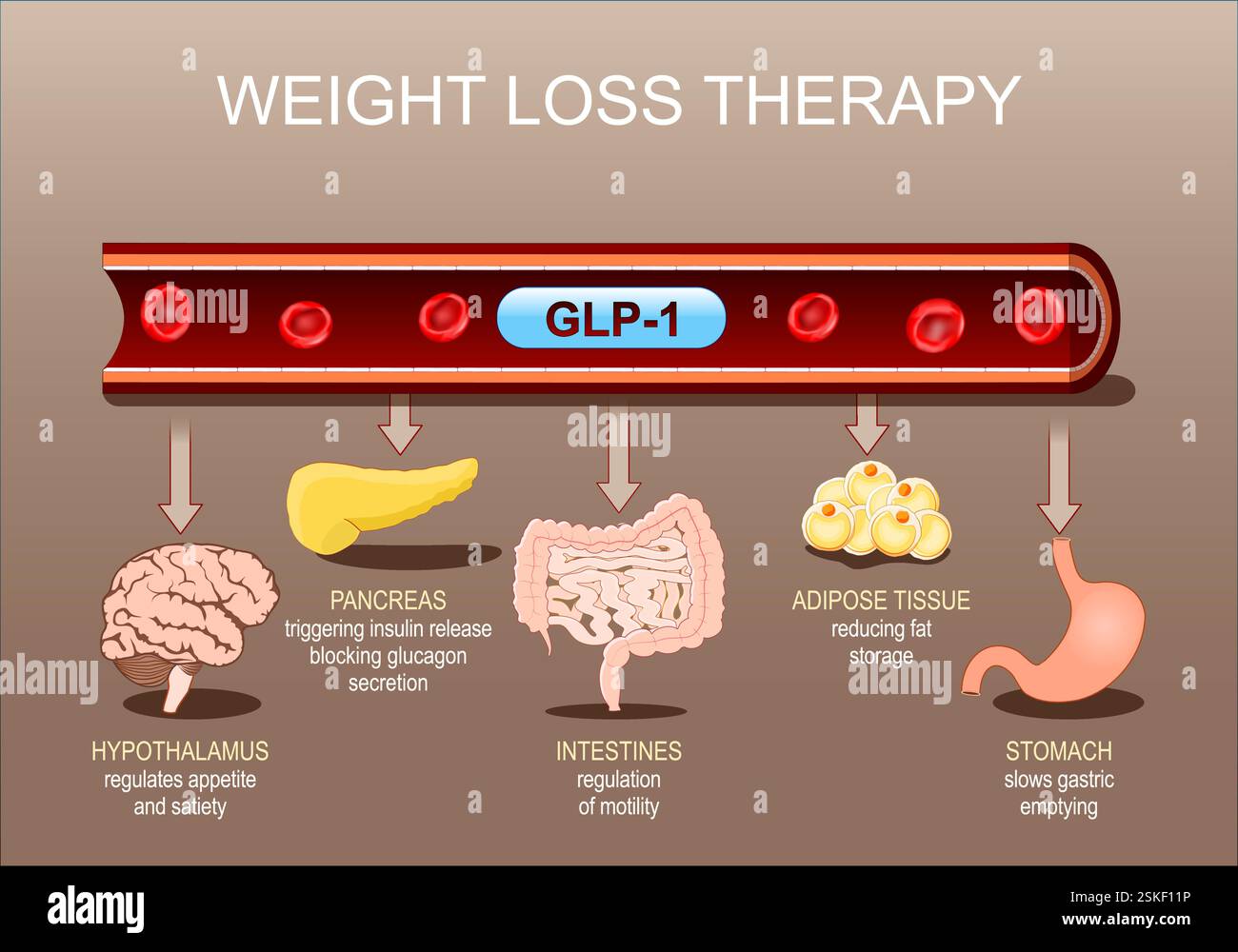
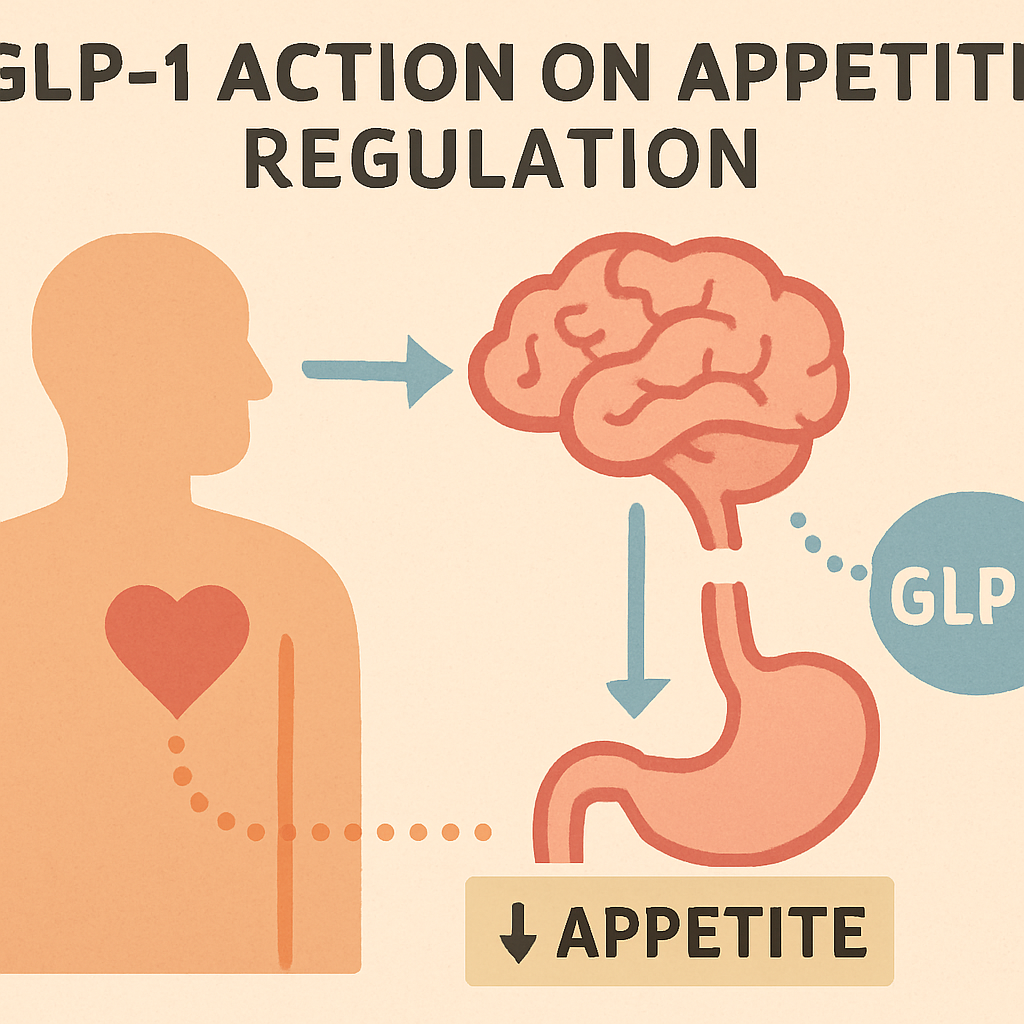
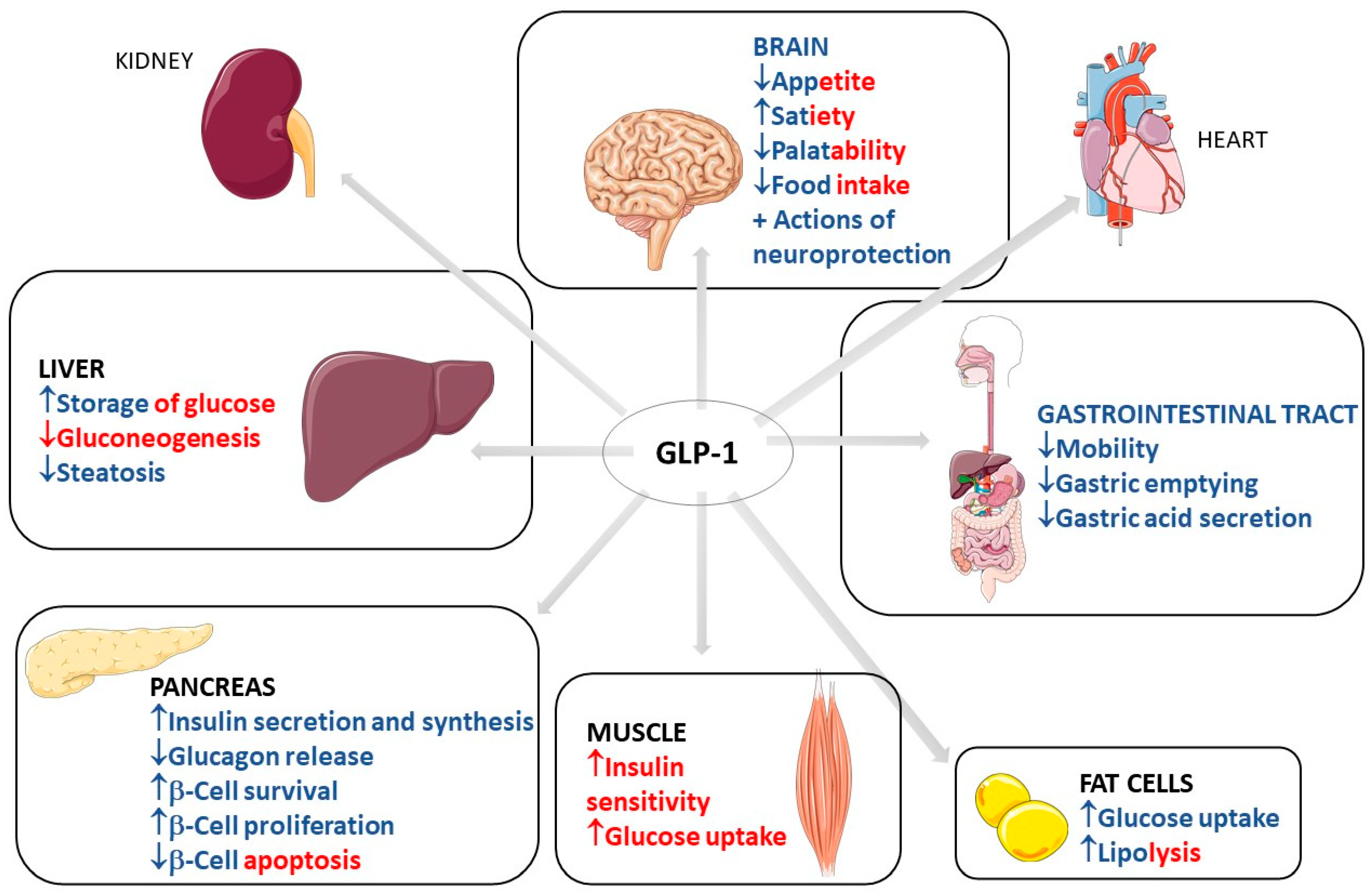
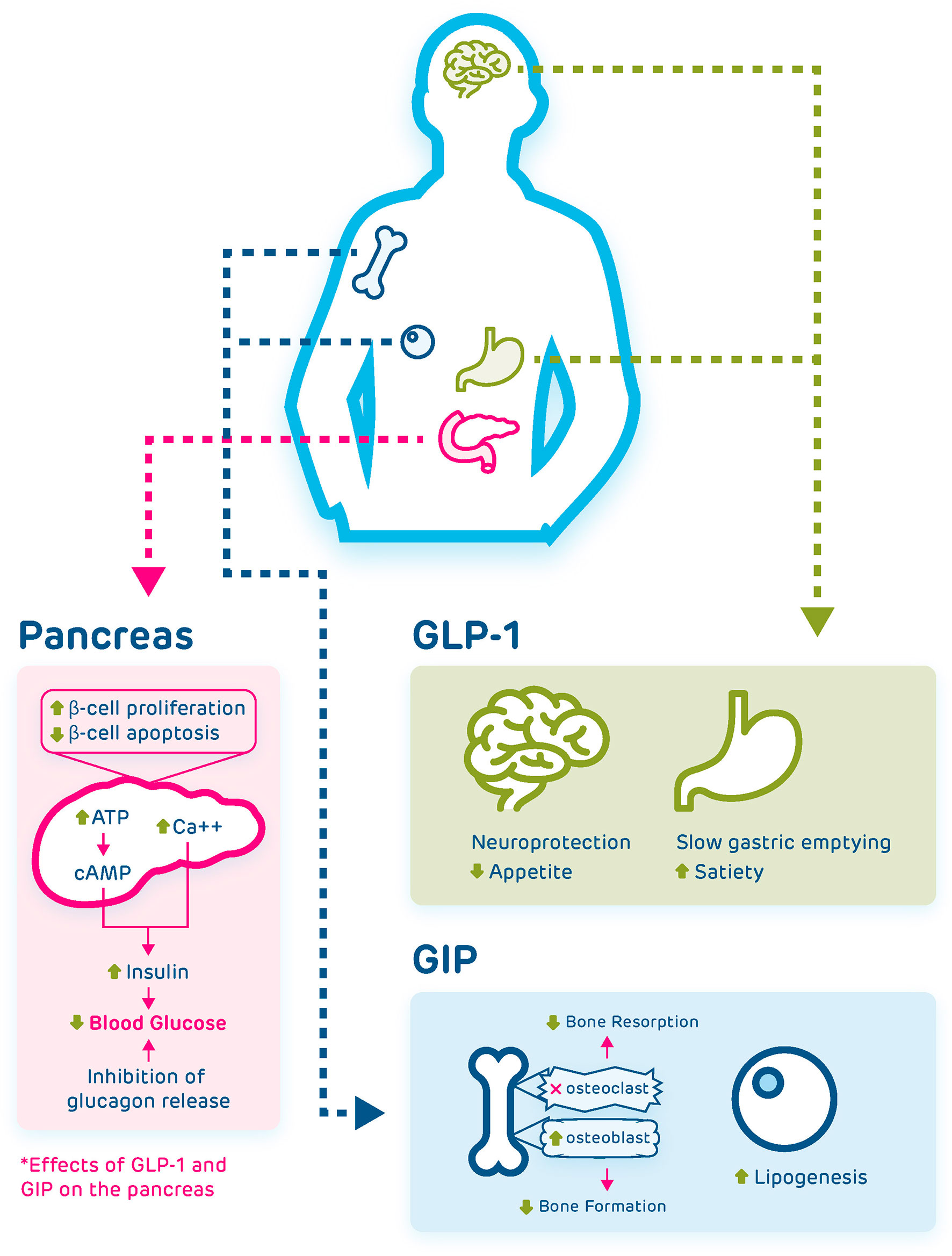
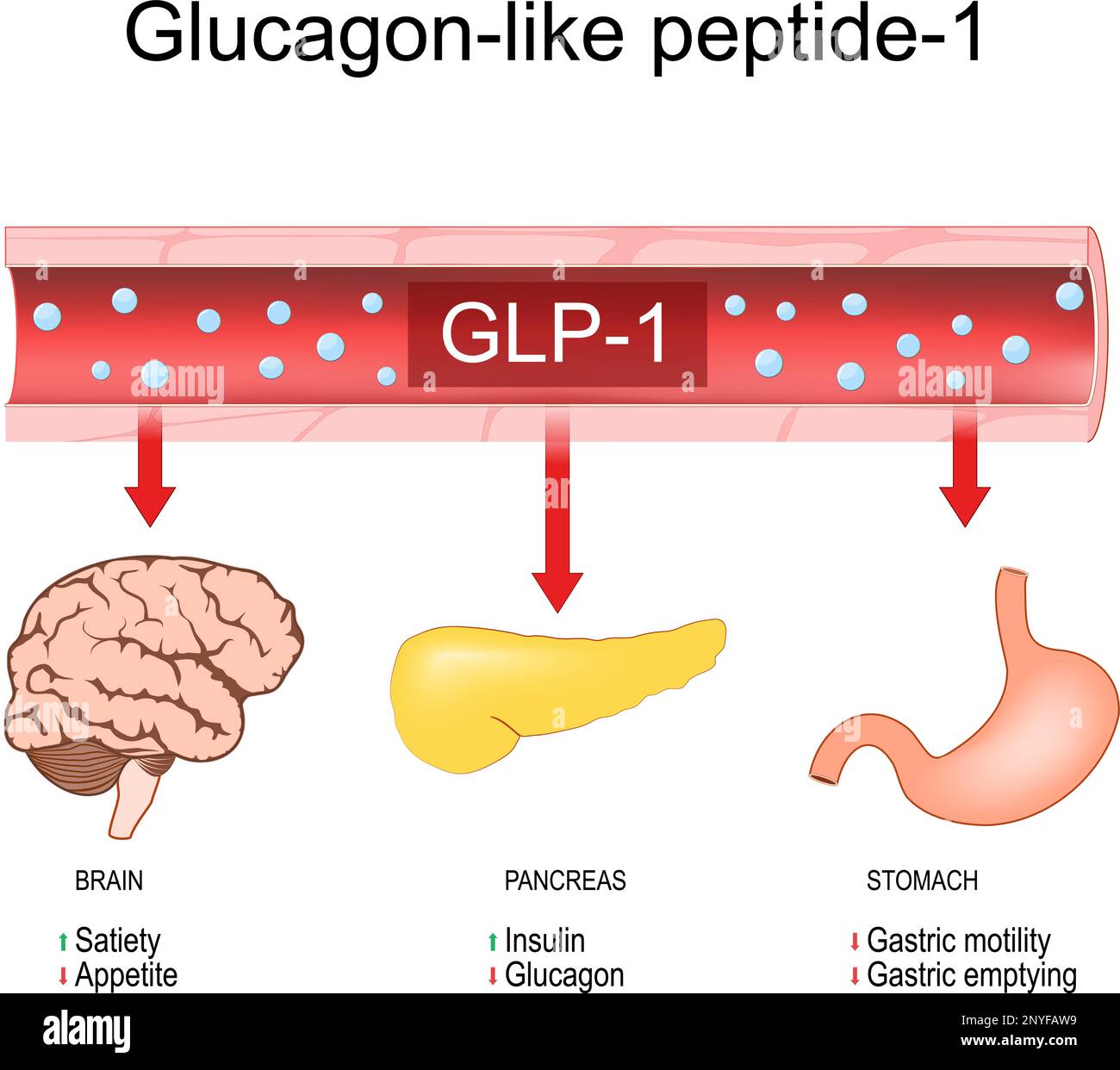
GLP-1 signals the brain that the body has eaten enough food, which helps control hunger and fullness. It does this by binding to receptors in the brain, specifically in the hypothalamus, brainstem, and nucleus accumbens, which are key regions involved in appetite regulation. Activation of these receptors suppresses powerful appetite-stimulating neurotransmitters, such as neuropeptide Y (NPY) and agouti-related peptide (AgRP), while reinforcing satiety-signaling pathways.
Mechanisms of GLP-1-Mediated Appetiite Regulation
- Appetite signaling**: GLP-1 communicates with the brain to help regulate feelings of fullness after eating. It supports the natural feedback loop between the gut and brain that influences when you feel satisfied.
- Blood sugar regulation**: GLP-1 stimulates insulin secretion in response to food and helps maintain healthy blood sugar levels already within the normal range.
- Digestive pacing**: GLP-1 slows gastric emptying, which helps regulate the rate at which the body absorbs glucose and other nutrients.
The Role of GLP-1 in Weight Management
GLP-1 receptor agonists, such as semaglutide, have become central in managing obesity and type 2 diabetes. By mimicking the action of natural GLP-1, these medications help reduce hunger, promote fullness, and support more consistent eating habits. They also play a clinically established role in medically supervised weight management programs.
Challenges and Future Directions
Despite the established efficacy of GLP-1 receptor agonists in weight management, several factors can contribute to weight loss stalls. To overcome these challenges, researchers must investigate the role of PVN GLP-1R projection neurons in GLP-1-mediated brain-gut communication and autonomic regulation. Additionally, understanding the mechanisms underlying GLP-1-induced weight loss is crucial for developing effective treatments for obesity.
Conclusion
The role of GLP-1 in regulating appetite is a complex and multifaceted process. Further research is needed to fully elucidate the function of GLP-1 in energy metabolism and appetite control. By understanding the mechanisms underlying GLP-1-mediated appetite regulation, we can develop more effective treatments for obesity and related metabolic disorders.
References:
- Jun 1, 2025: Abstract Glucagon-like peptide-1 (GLP-1) receptor agonists (RAs) have become central in managing obesity and type 2 diabetes.
- Jan 15, 2025: A targeted synthesis of recent developments in the field of GLP-1 neurobiology.
- Feb 18, 2025: We provide a targeted synthesis of recent developments in the field of glucagon-like peptide-1 (GLP-1) neurobiology.
- Jun 9, 2025: Investigating the role of PVN GLP-1R projection neurons in GLP-1-mediated brain-gut communication and autonomic regulation.
- 6 days ago: Counseling strategies for better understanding.
- Oct 15, 2024: GLP-1 is a hormone that plays a crucial role in regulating both appetite and blood sugar levels.
- Mar 13, 2026: The Role of Gut Hormones.
- 2 days ago: Table of Contents Understanding GLP-1 Medications.
- 3 days ago: GLP-1 receptors are expressed in key appetite-regulating regions.
- 5 days ago: In addition to their weight loss benefits, GLP-1 RAs also act on neural circuits involved in appetite, impulse control, and reward.
- Apr 14, 2025: Ozempic and other GLP-1 receptor agonists have gained attention for their role in treating type 2 diabetes and promoting weight loss.
- 3 days ago: These ingredients are used to support appetite signaling, metabolic communication, mood balance, and overall energy regulation.
- 6 days ago: Understanding How GLP-1 Works.
- Jan 25, 2026: What Is GLP-1 and How Does It Relate to Binge Eating Disorder?
- Feb 25, 2026: The GLP-1 Receptor.
- Today: GLP-1 medications like Ozempic and Wegovy can initially lead to weight loss.
- 4 days ago: These GLP-1 receptor agonists mimic a naturally occurring hormone involved in regulating appetite and blood sugar.
- 4 days ago: By slowing gastric emptying, increasing satiety, reducing appetite signals, and supporting blood sugar stability.
- 4 days ago: These GLP-1 receptor agonists mimic a naturally occurring hormone involved in regulating appetite and blood sugar.
- 1 day ago: A New Layer: GLP-1 and Appetite Control.
- 6 days ago: Frequently Asked Questions.
- Today: Key Ingredients.
- 4 days ago: These GLP-1 receptor agonists mimic a naturally occurring hormone involved in regulating appetite and blood sugar.
- 2 days ago: Semaglutide belongs to a class of medicines that act on GLP-1 receptors.
- 4 days ago: These GLP-1 receptor agonists mimic a naturally occurring hormone involved in regulating appetite and blood sugar.
- 6 days ago: Because of these effects, GLP-1 plays an important role in blood sugar control and appetite regulation.