Understanding GLP-1 Supplements: Uncovering the Possible Side Effects
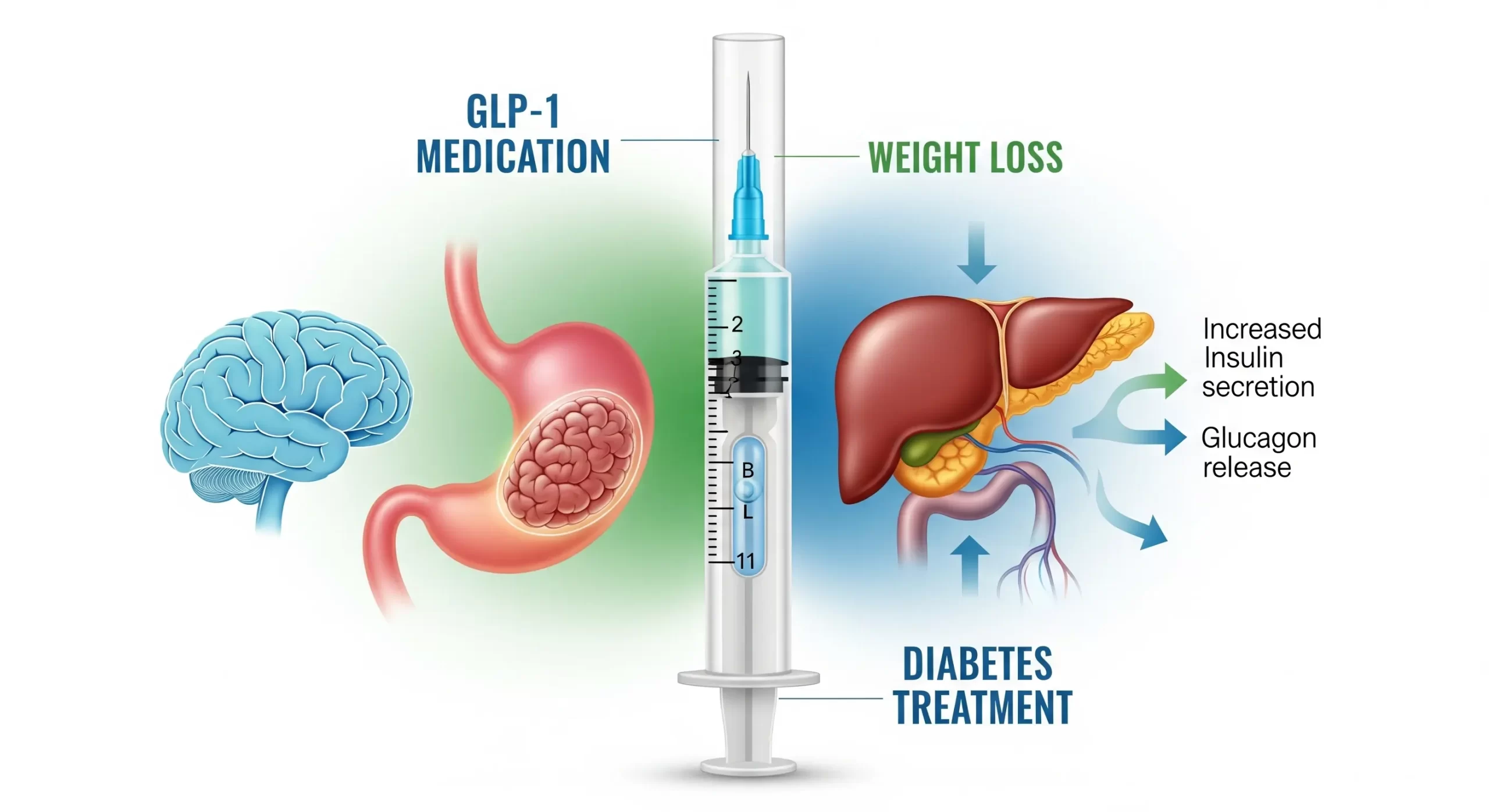
GLP-1 (Glucagon-like peptide-1) supplements have taken the health and wellness industry by storm, promising to promote weight loss, improved blood sugar control, and enhanced metabolic function. However, like any medication or supplement, GLP-1 medications and supplements come with a range of possible side effects, both common and rare. In this article, we will delve into the potential side effects of GLP-1 supplements, discussing the science behind them and offering tips on how to manage these effects.What are GLP-1 medications and supplements?
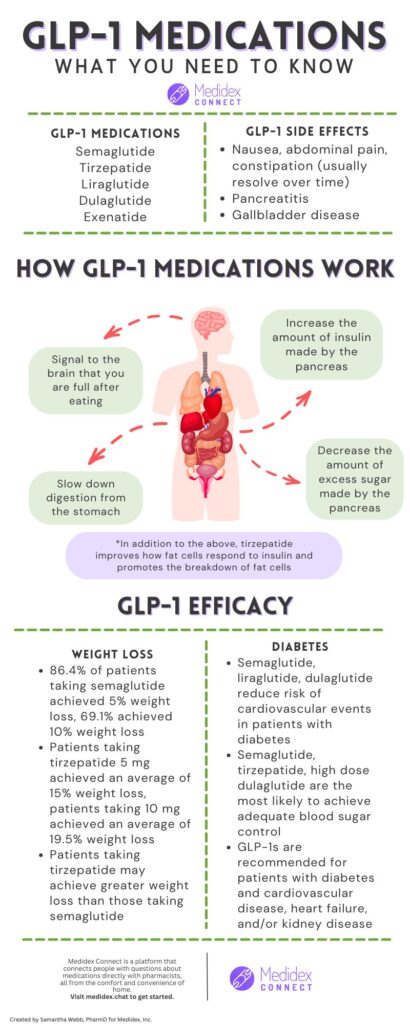
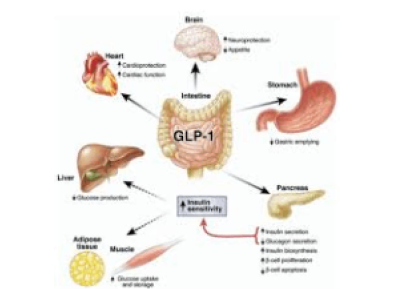
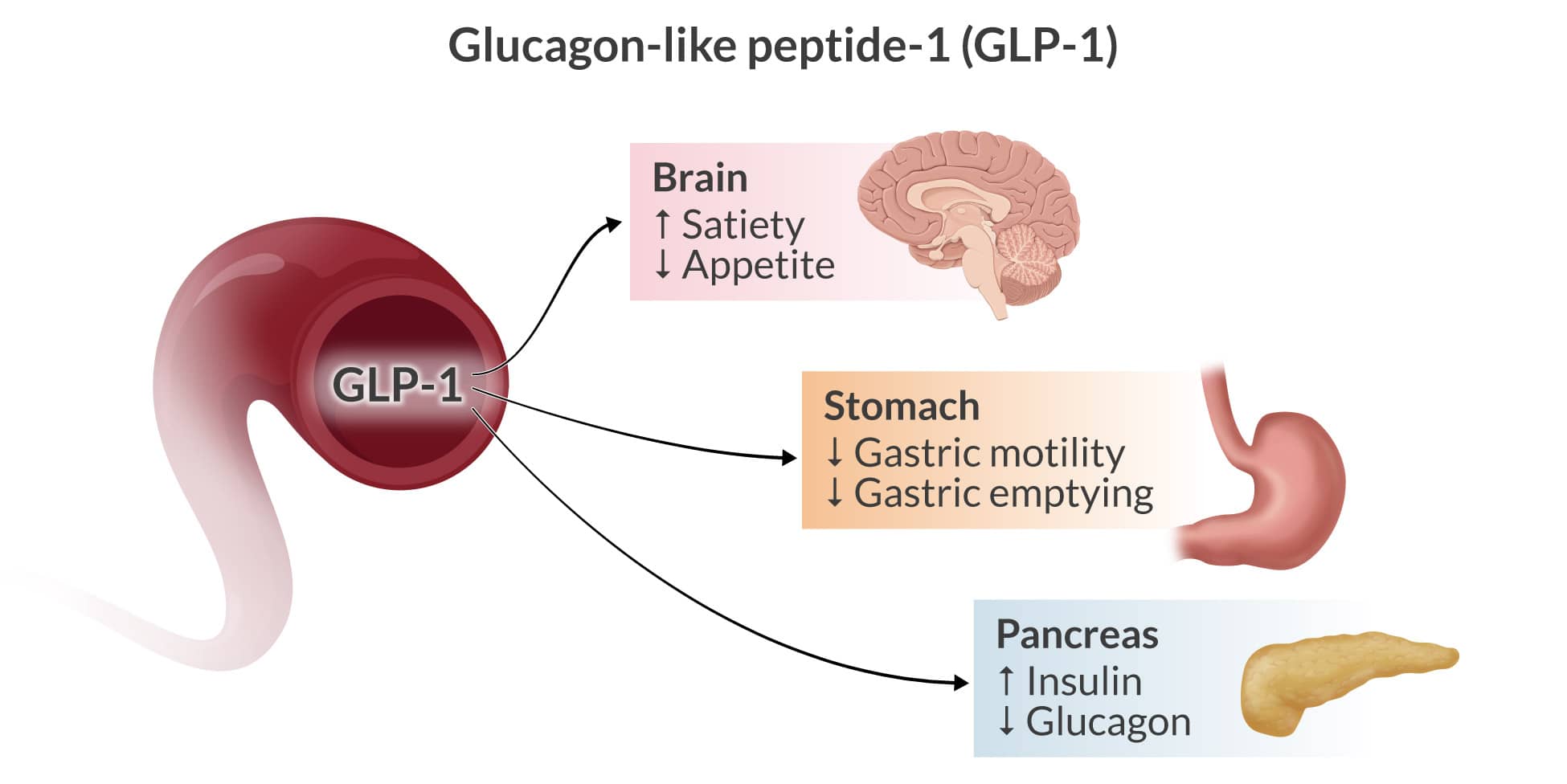
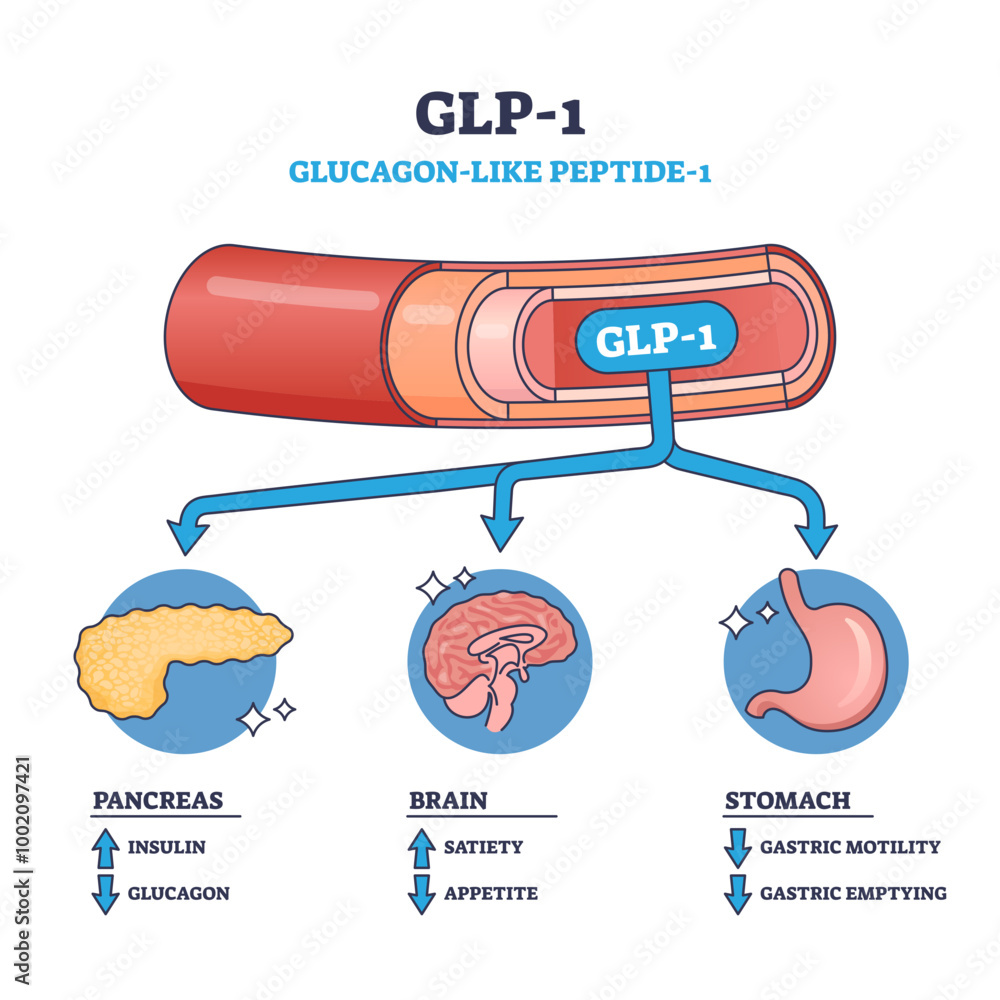
GLP-1 medications and supplements are designed to work with the body's natural GLP-1 hormone, which helps regulate blood sugar levels and satiety. GLP-1 receptor agonists, such as semaglutide (Wegovy) and tirzepatide (Zepbound), are prescription medications that have been shown to be effective in treating type 2 diabetes and obesity. However, these medications can also have side effects, which are often fueled by changes in food choices and lifestyle.Common Side Effects of GLP-1 Supplements
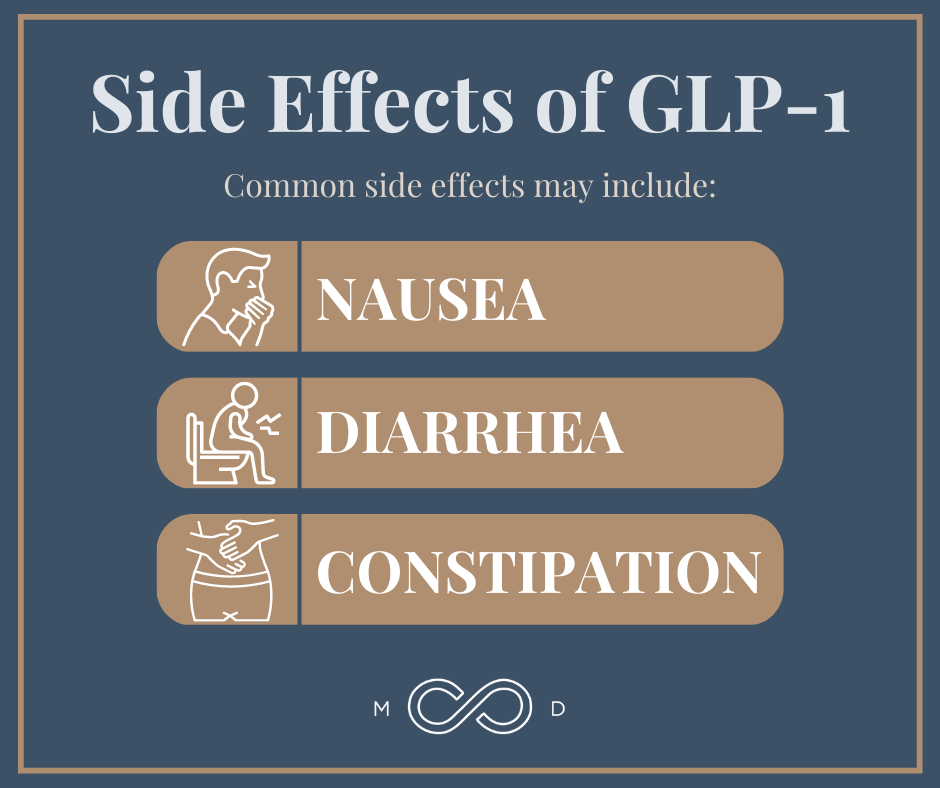
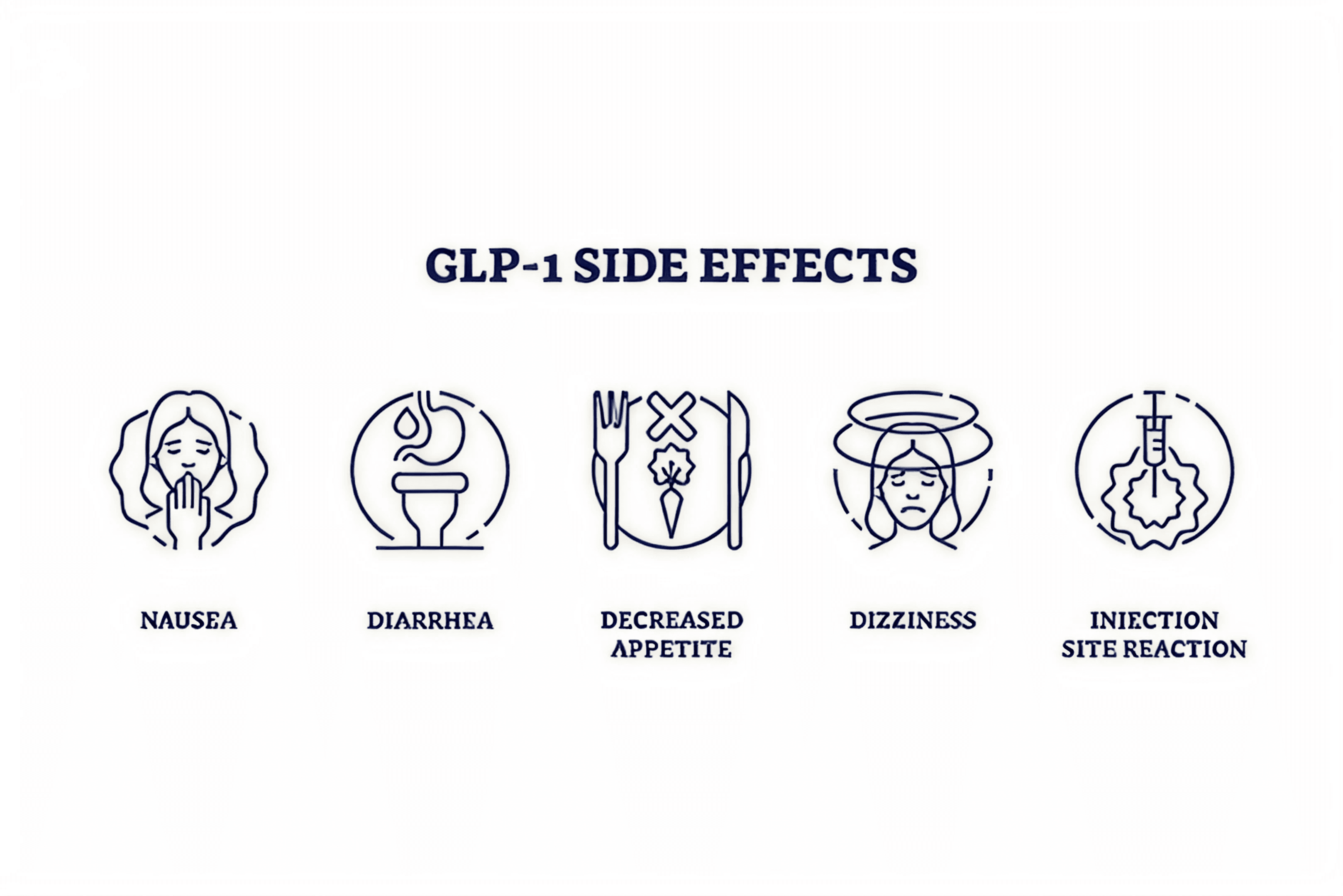
While not everyone will experience side effects from GLP-1 medications or supplements, some of the most common ones include:- Nausea
- Constipation
- Bloating
- Stomach pain
- Diarrhea
- Fatigue
Long-term Side Effects of GLP-1 Supplements
- Thyroid C-cell tumors
- Pancreatitis
- Increased risk of pancreatitis or gallbladder disease
- Increased risk of acute kidney injury