Ensure the Integrity of Your AI Systems: The Importance of an AI Safety and Reliability Audit
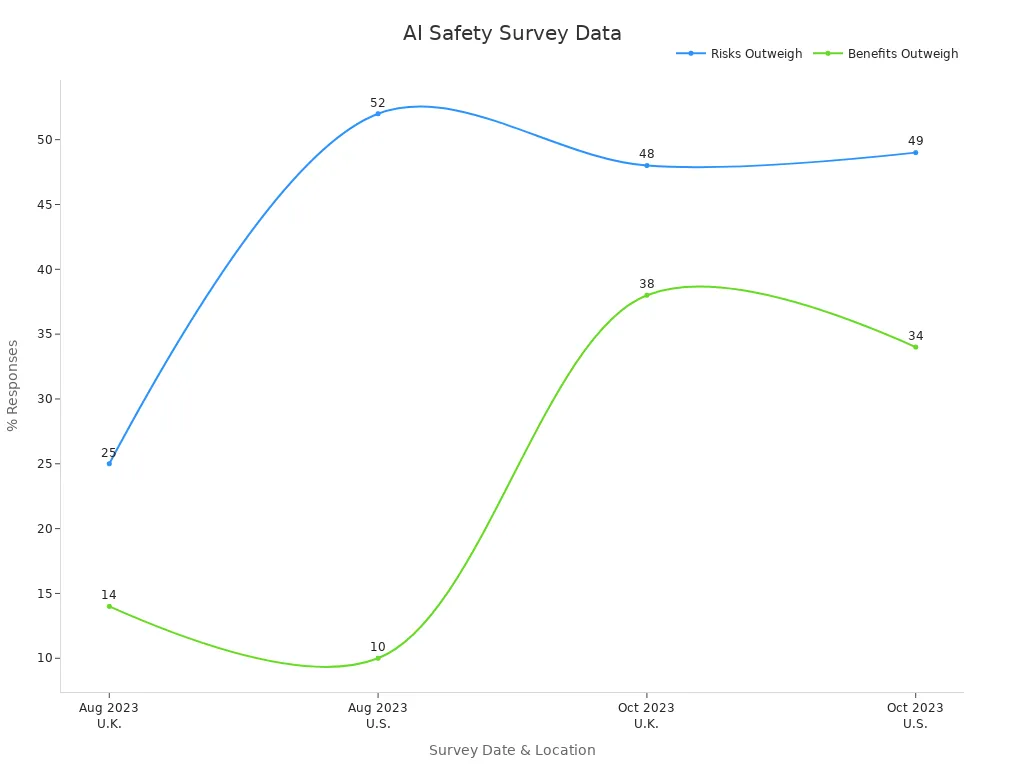
As Artificial Intelligence (AI) continues to transform industries and revolutionize the way we live and work, the need for ensuring the safety and reliability of AI systems has become more pressing than ever. In today's complex digital landscape, organizations must prioritize the effective governance, risk management, and auditability of their AI systems to maintain trust and credibility with stakeholders.The Growing Need for AI Safety and Reliability Audit
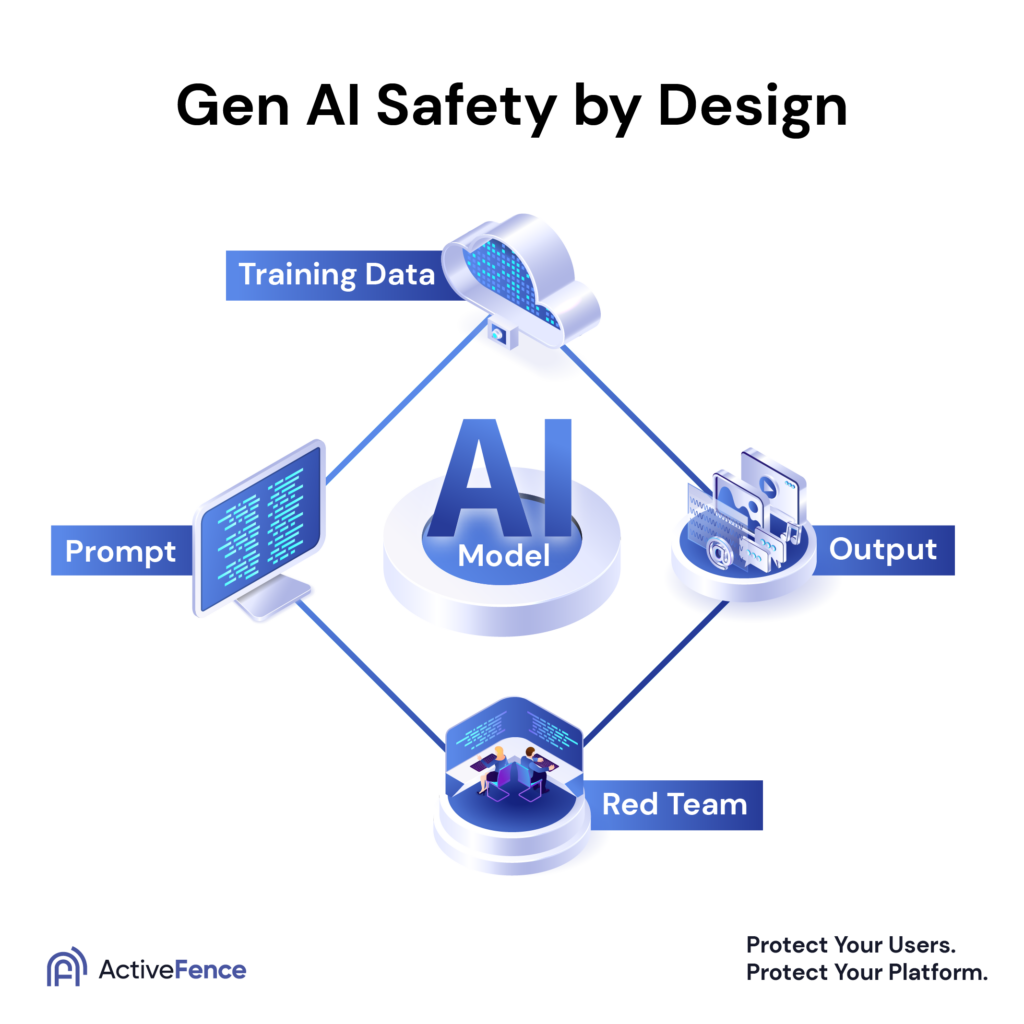
The integration of AI in various aspects of life has accelerated at an unprecedented pace, driven by the surge in demand for sophisticated algorithms and automation. As a result, organizations must ensure that their AI systems are designed, developed, and deployed with the necessary safety and reliability measures in place. This is where an AI Safety and Reliability Audit comes into play.What is an AI Safety and Reliability Audit?
An AI Safety and Reliability Audit is a systematic examination of an AI system's development, deployment, and operation. Unlike traditional IT audits that focus primarily on security controls, AI audits evaluate a broader set of concerns, including:- Technical soundness: Model performance, reliability, and robustness
- Ethical alignment: Fairness, bias, transparency, and accountability
- Regulatory compliance: Alignment with existing and emerging regulations
The Benefits of Conducting an AI Safety and Reliability Audit
Conducting an AI Safety and Reliability Audit offers numerous benefits for organizations, including:- Identifying potential risks and vulnerabilities in AI systems
- Ensuring compliance with regulations and industry standards
- Improving the overall security and reliability of AI systems
- Enhancing transparency and accountability in AI decision-making
- Fostering confidence and trust with stakeholders
Key Components of an AI Safety and Reliability Audit
A comprehensive AI Safety and Reliability Audit should cover the following key components:- System evaluation: Assessing the design, development, and deployment of AI systems
- Performance monitoring: Tracking the performance and reliability of AI systems over time
- Compliance requirements: Evaluating adherence to regulatory standards and industry guidelines
- Model validation: Verifying the accuracy and fairness of AI models
- Documentation: Maintaining accurate and transparent documentation of AI systems and processes
Best Practices for Conducting an AI Safety and Reliability Audit
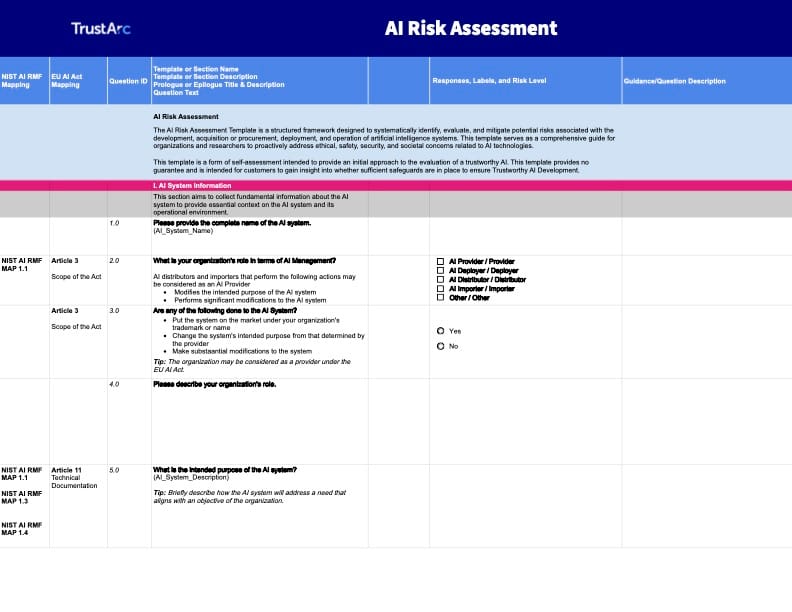
To ensure the effectiveness of an AI Safety and Reliability Audit, organizations should follow these best practices:- Establish a clear audit framework and scope
- Engage subject matter experts and stakeholders
- Use a risk-based approach to prioritize audit activities
- Conduct regular audit cycles and reviews
- Implement corrective actions and recommendations