Revolutionizing Human-Machine Interface: The Haptic Feedback Exosuit
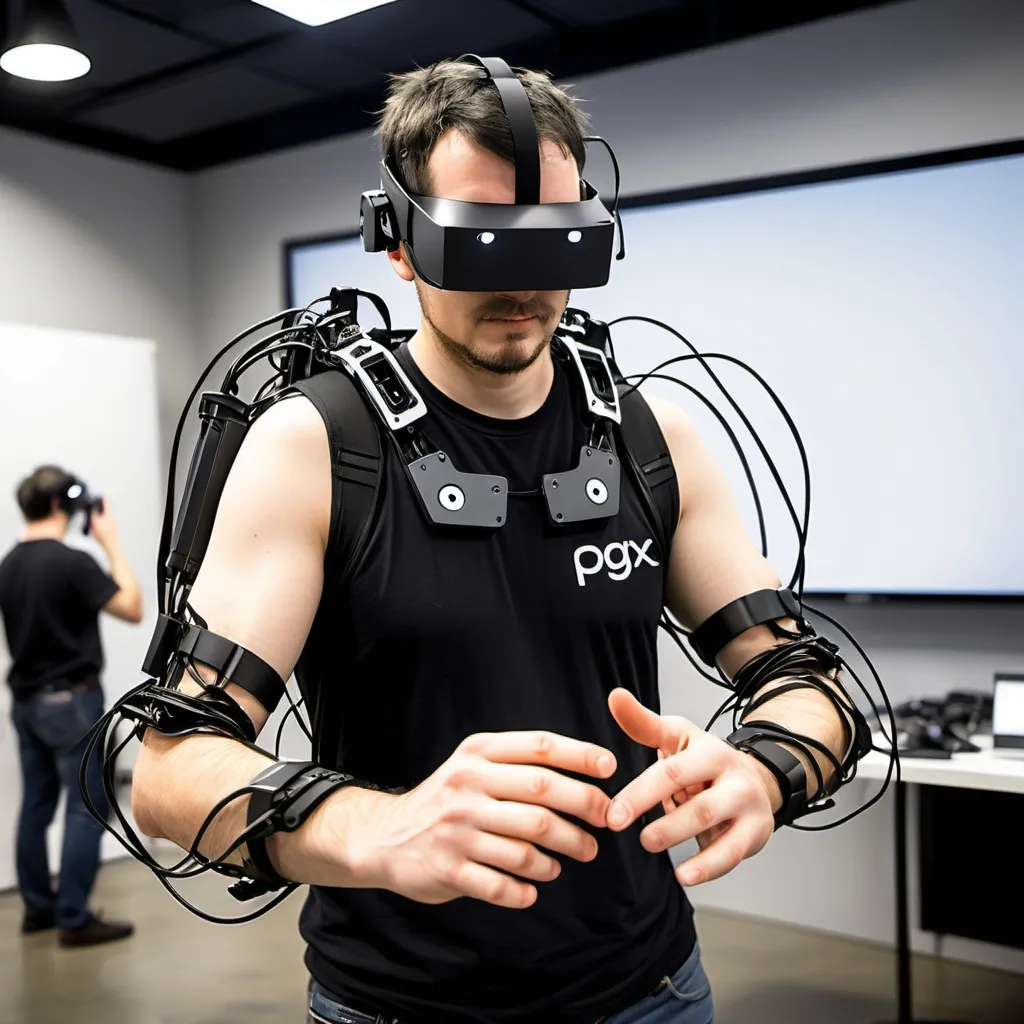
Advances in technology have led to the development of innovative wearable devices that enable humans to interact seamlessly with virtual environments and machines. One such device that has garnered significant attention is the haptic feedback exosuit. This revolutionary wearable technology combines multiple disciplines, including robotics, engineering, and computer science, to create a device that simulates experiences, provides feedback, and enhances human-machine interface.
What is a Haptic Feedback Exosuit?
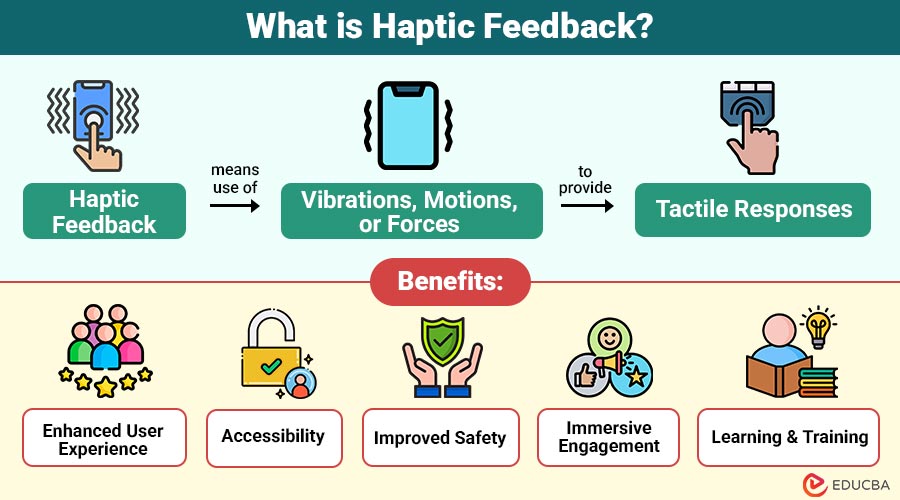
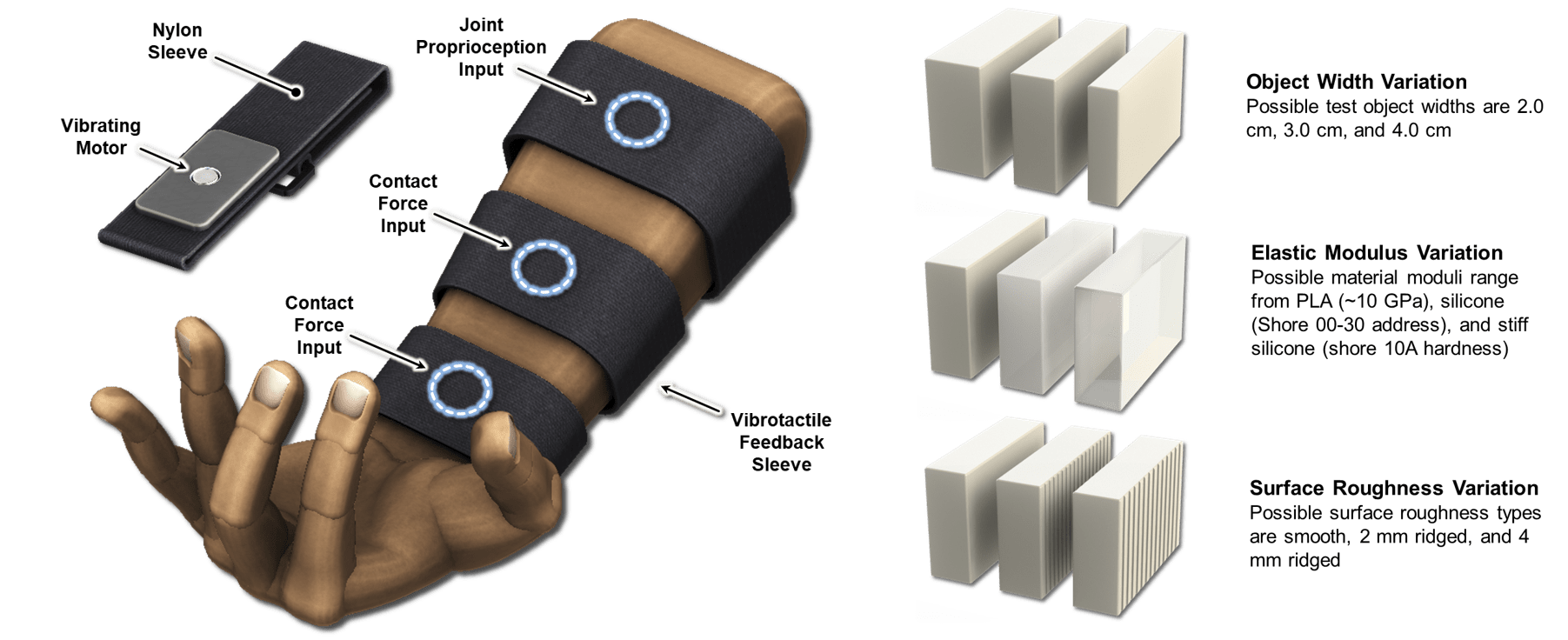
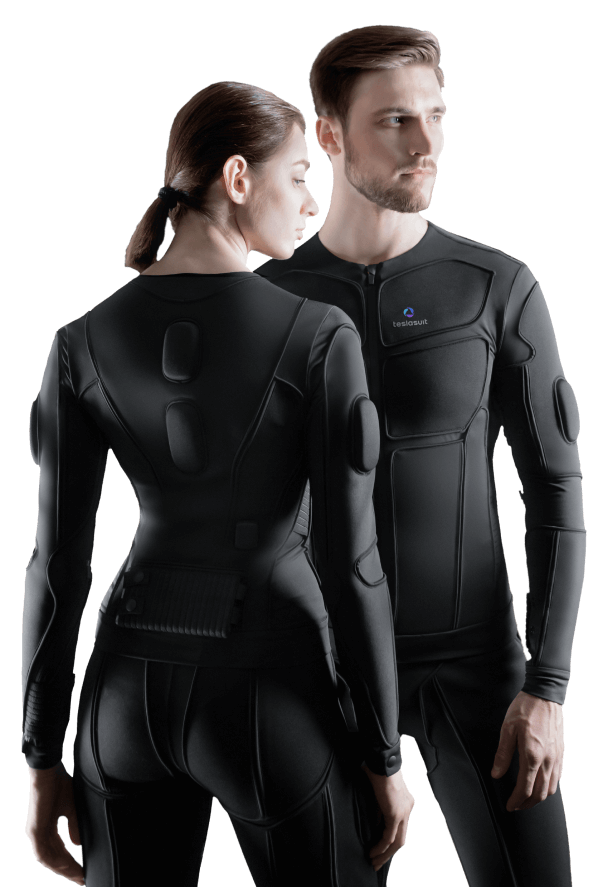
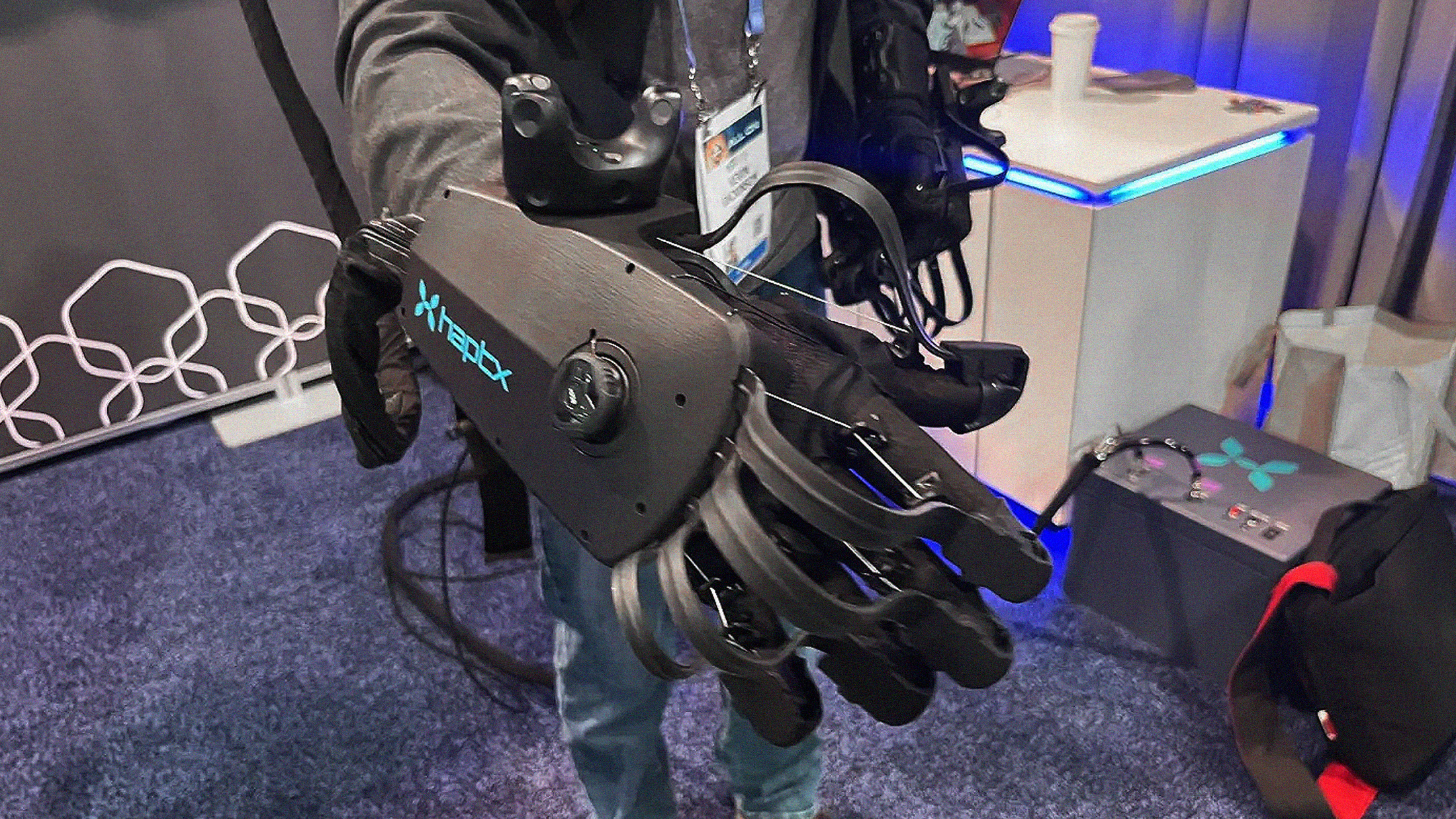
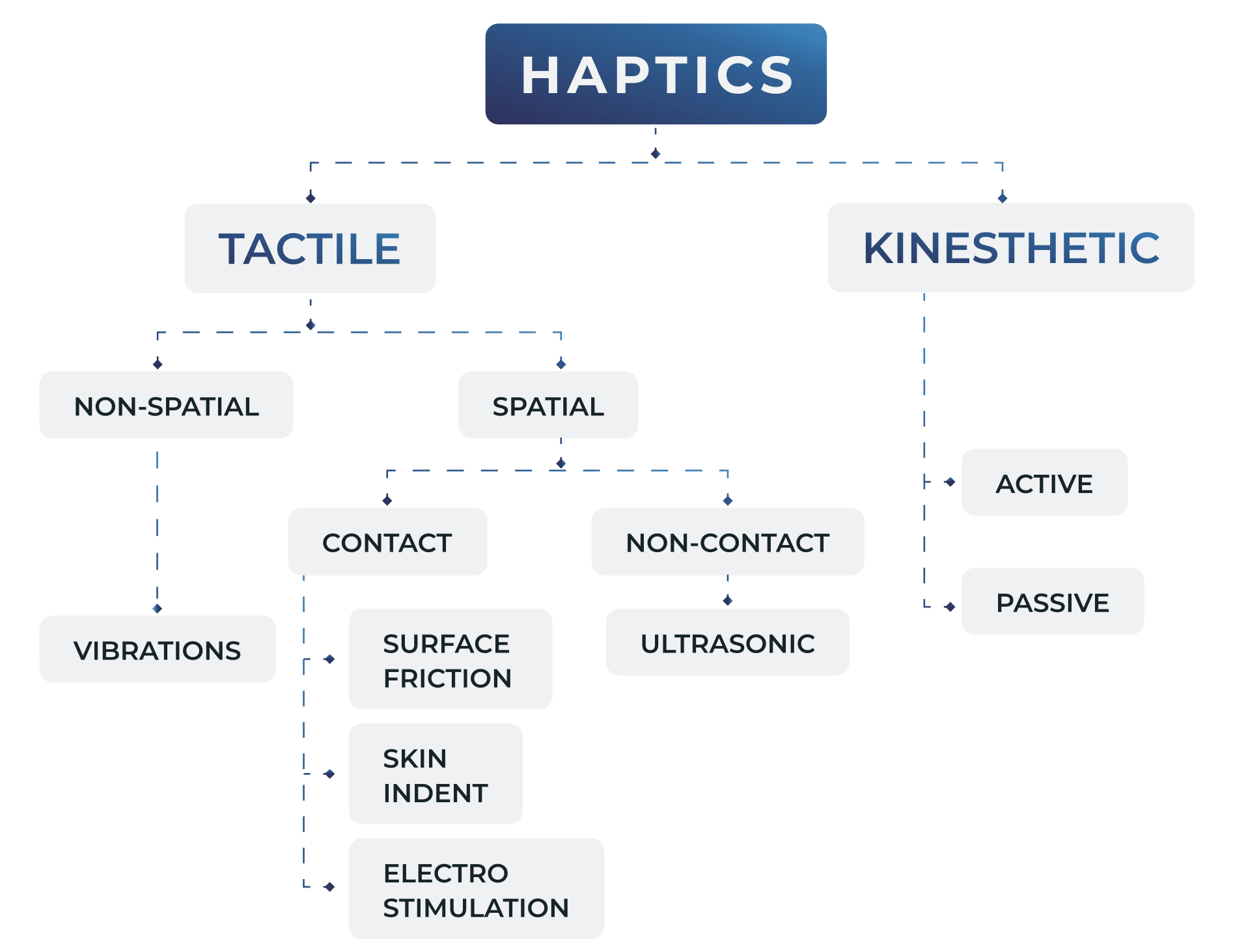
A haptic feedback exosuit is a wearable, full-body exoskeleton that uses various technologies to simulate tactile sensations and forces on the human body. This device mimics the real-world experiences, providing users with realistic tactile feedback, in a bid to create an immersive experience. Unlike traditional human-machine interfaces, which rely on visual and auditory cues, the haptic feedback exosuit engages the user's motor system, improving their ability to interpret and respond to sensations.
Applications of Haptic Feedback Exosuit
The haptic feedback exosuit has numerous applications across various industries, including:
- Virtual Reality (VR) and Augmented Reality (AR)**: The haptic feedback exosuit enhances immersion in VR and AR environments by simulating realistic tactile sensations, allowing users to engage with virtual objects in a more intuitive way.
- Rehabilitation and Therapy**: The haptic feedback exosuit can be used to assist patients with physical disabilities, providing them with tailored, rehabilitation experiences, such as muscle stimulation and force feedback.
- Industrial and Medical Training**: The haptic feedback exosuit can simulate realistic and immersive training scenarios, enabling individuals to practice complex tasks, such as emergency medical response and military operations.
- Robotics and Teleoperation**: The haptic feedback exosuit has the potential to revolutionize robotic teleoperation, allowing human operators to interact with remote robots, using their body movements to control the robot's actions.
Key Features of Haptic Feedback Exosuit
Some notable features of the haptic feedback exosuit include:
- Soft and Flexible Design**: The haptic feedback exosuit is designed to be lightweight and comfortable to wear, ensuring that users can engage in extended periods of wear and use.
- Low-Cost Manufacturing**: The haptic feedback exosuit is built using cost-effective materials and manufacturing processes, making it an attractive solution for researchers, developers, and users.
- Adaptive and Responsive**: The haptic feedback exosuit is designed to respond seamlessly to user input, providing accurate and realistic tactile feedback.
- High-Force Impact Feedback**: The haptic feedback exosuit is capable of delivering forces of up to 120N, simulating realistic tactile sensations and forces.
Conclusion
The haptic feedback exosuit represents a significant milestone in wearable technology, combining research and innovation to create a truly immersive experience. As the wearable technology market continues to grow, it is clear that the haptic feedback exosuit has immense potential to revolutionize industries, redefine human-machine interaction, and enhance sensory experiences.