Attic Fan Installation and Energy Efficiency Tips
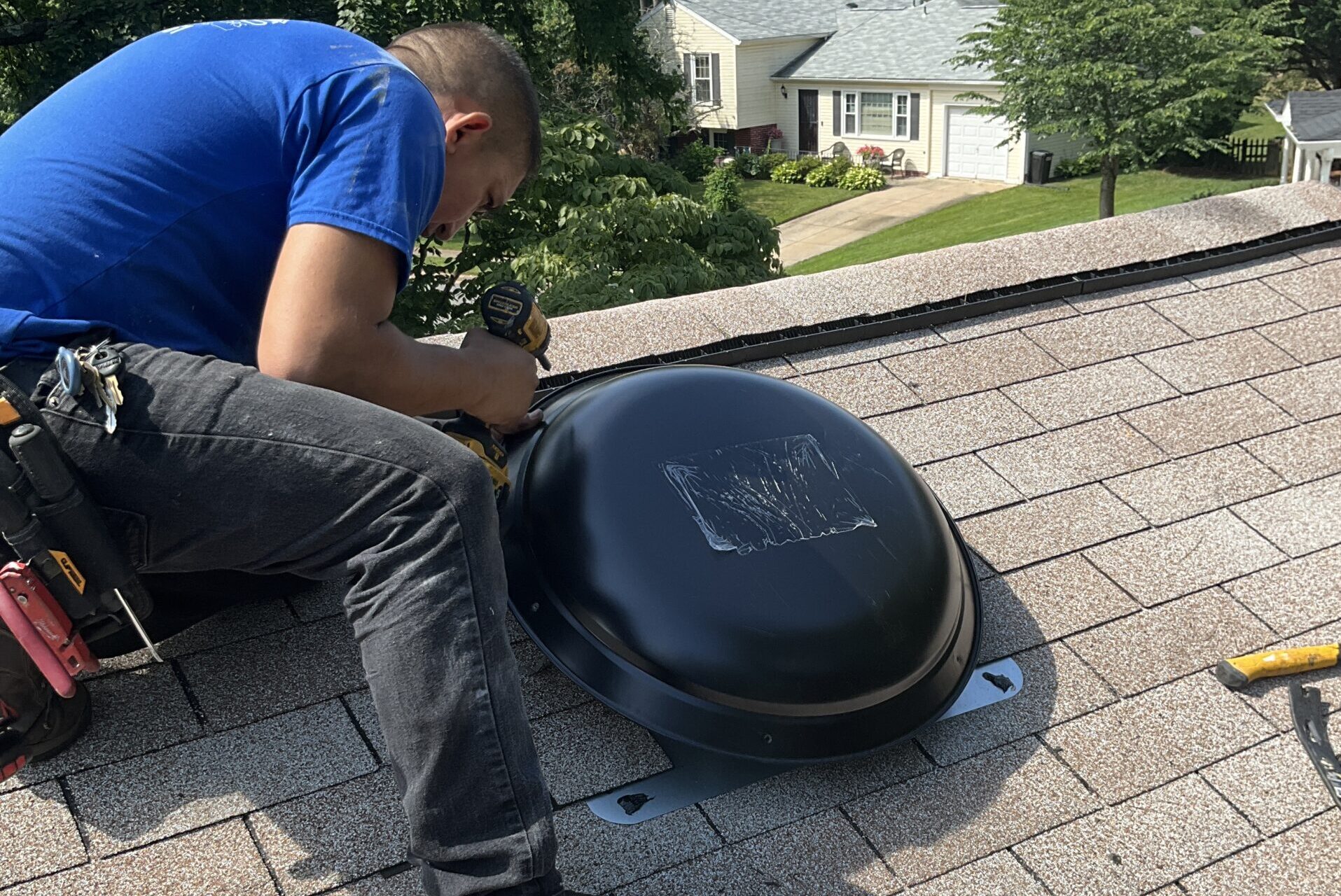
As the summer months approach, homeowners are constantly looking for ways to improve the energy efficiency of their homes and reduce cooling costs. One often overlooked but highly effective solution is the installation of an attic fan. In this comprehensive guide, we'll explore the benefits of attic fan installation, provide tips for energy efficiency, and discuss common mistakes to avoid during the installation process.
The Benefits of Attic Fan Installation
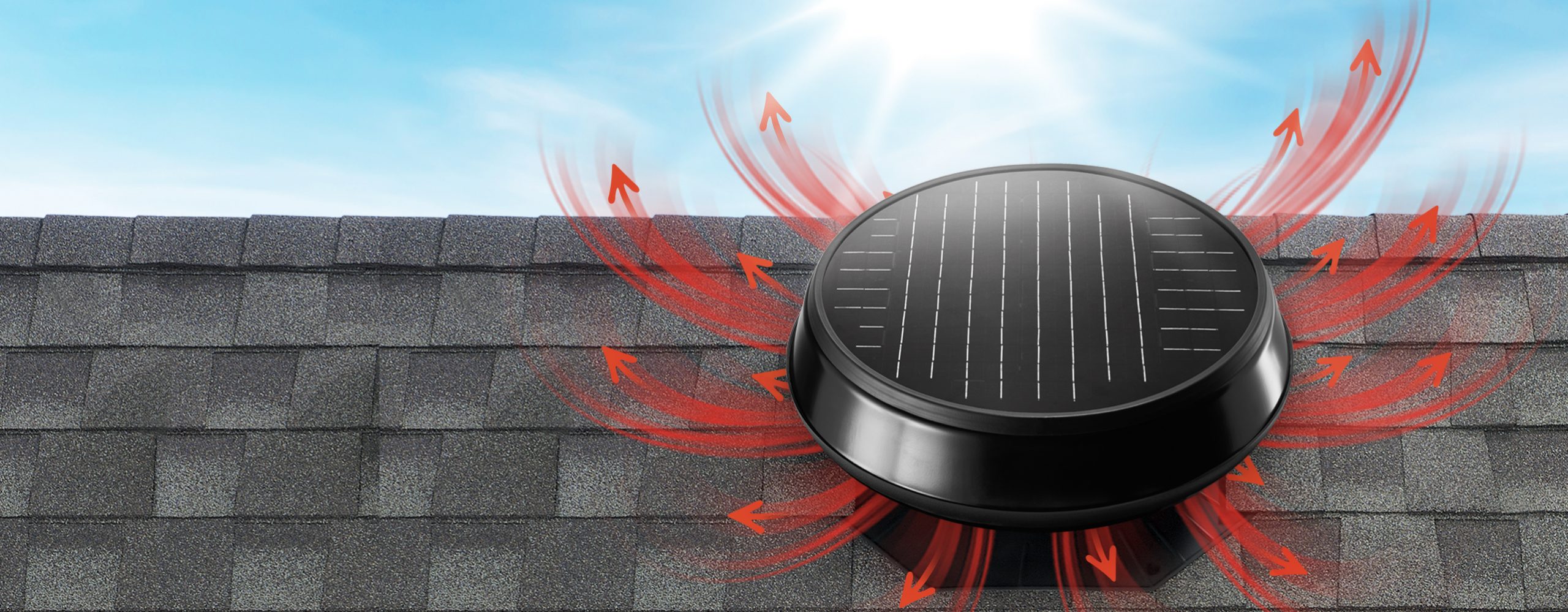
- Reduced Energy Costs: By actively expelling hot air from the attic, attic fans can lower indoor temperatures by up to 10 degrees and reduce AC costs by 30%
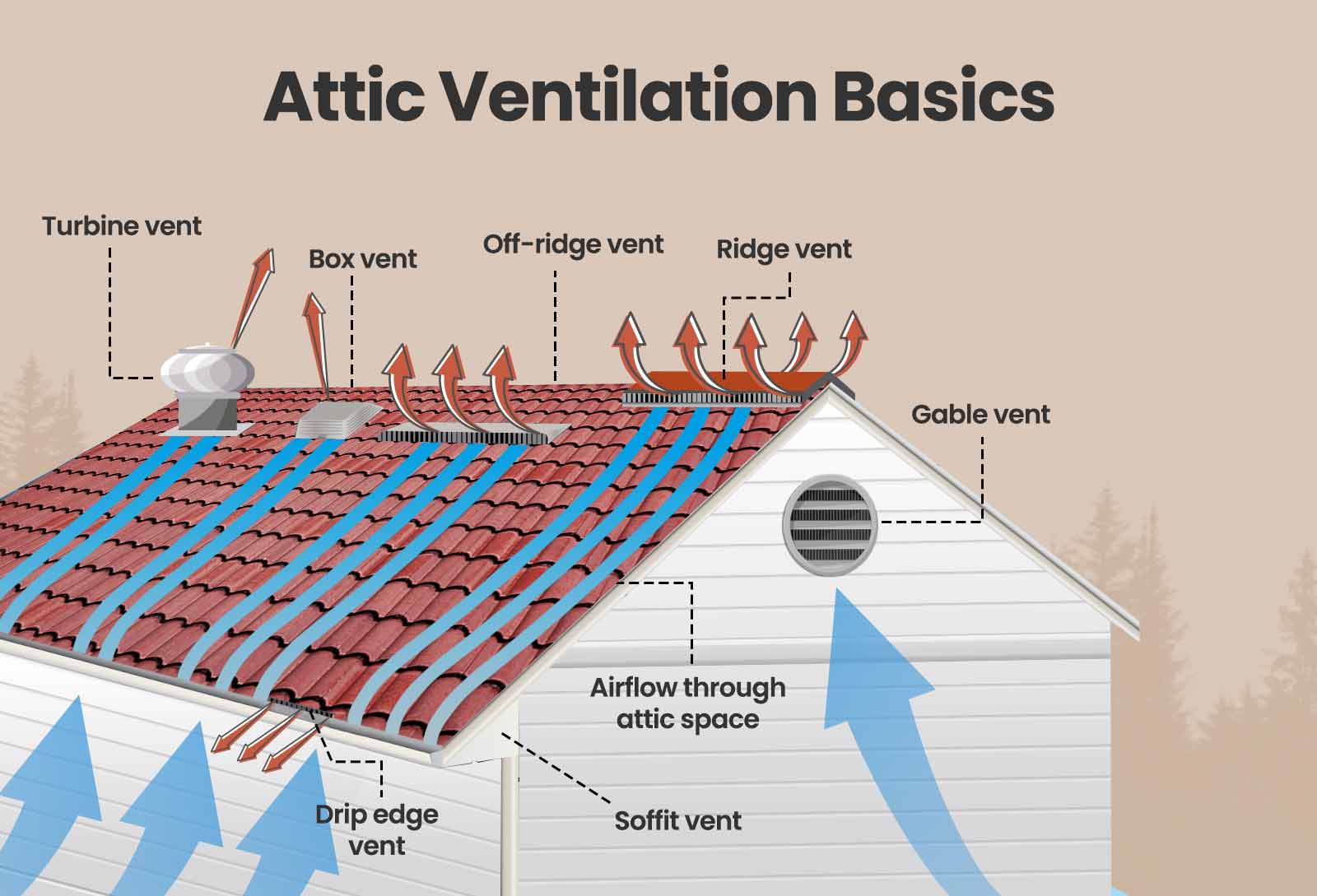
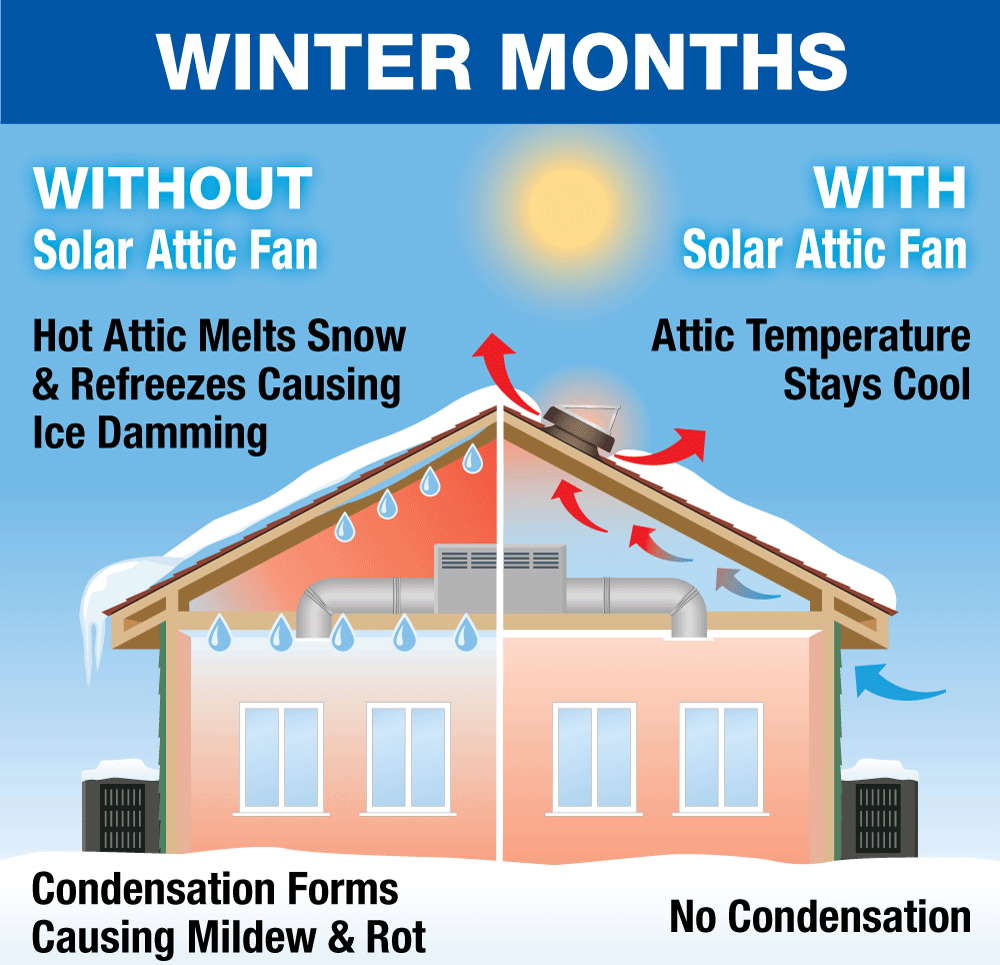
- Improved Air Circulation: Attic fans promote air exchange between the attic and living spaces, reducing heat buildup and moisture damage
- Increased Roof Longevity: Proper attic ventilation can help prevent roof damage and extend the lifespan of your roofing system
Energy Efficiency Tips for Attic Fans
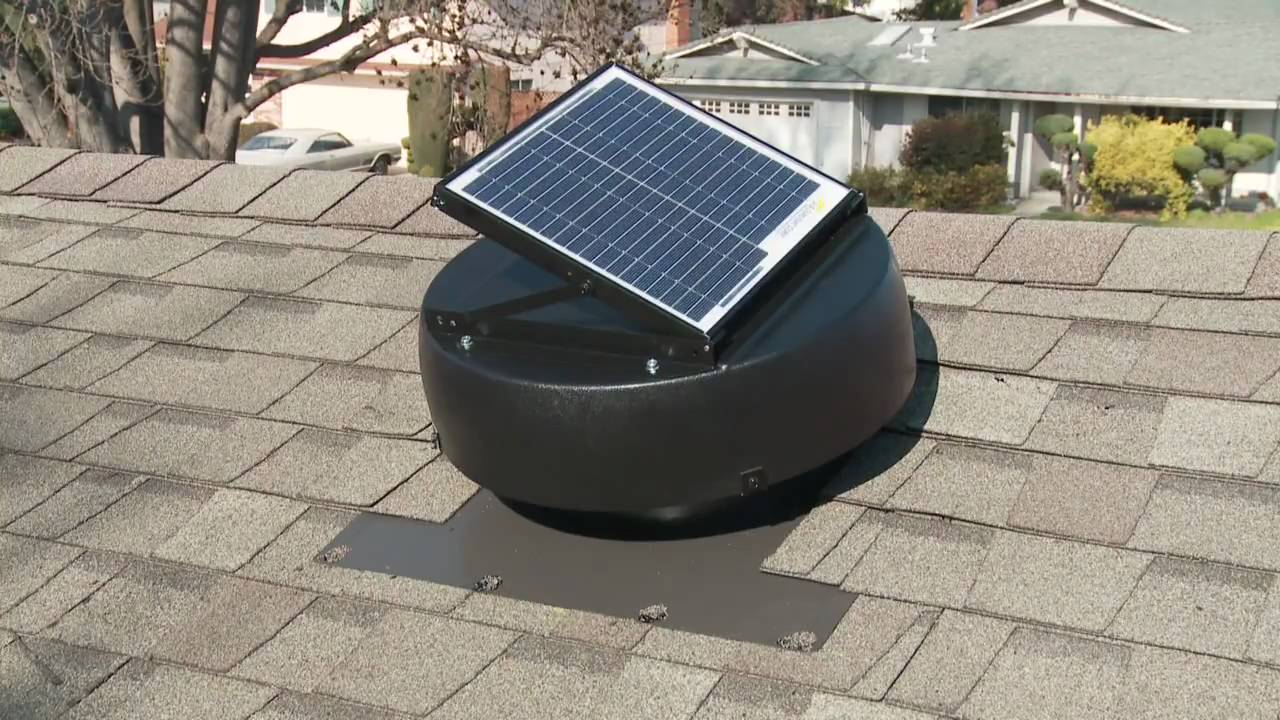
- Proper Installation: Ensure that the attic fan is installed correctly, with adequate clearance and secure mounting to avoid noise and efficiency issues
- Maintenance Routine: Regularly clean the fan and vents to maintain peak performance and prevent debris buildup
- Strategic Placement: Install the fan where it maximizes air exchange and cooling efficiency, usually near the peak or ridge of the roof
- Size Selection: Choose an attic fan that's appropriately sized for your home's square footage and attic space
Common Mistakes to Avoid During Attic Fan Installation
- Inadequate Ventilation: Failing to provide sufficient attic ventilation can lead to heat buildup, moisture damage, and reduced fan performance
- Incorrect Fan Sizing: Installing a fan that's too small can lead to reduced efficiency, while a fan that's too large can create noise and waste energy
- Poor Mounting: Improperly mounting the fan can cause noise, vibration, and reduced airflow
- Lack of Maintenance: Failing to clean and maintain the fan and vents can lead to reduced performance, debris buildup, and increased energy costs
Thermostat-Controlled Attic Fans: A Smart Solution
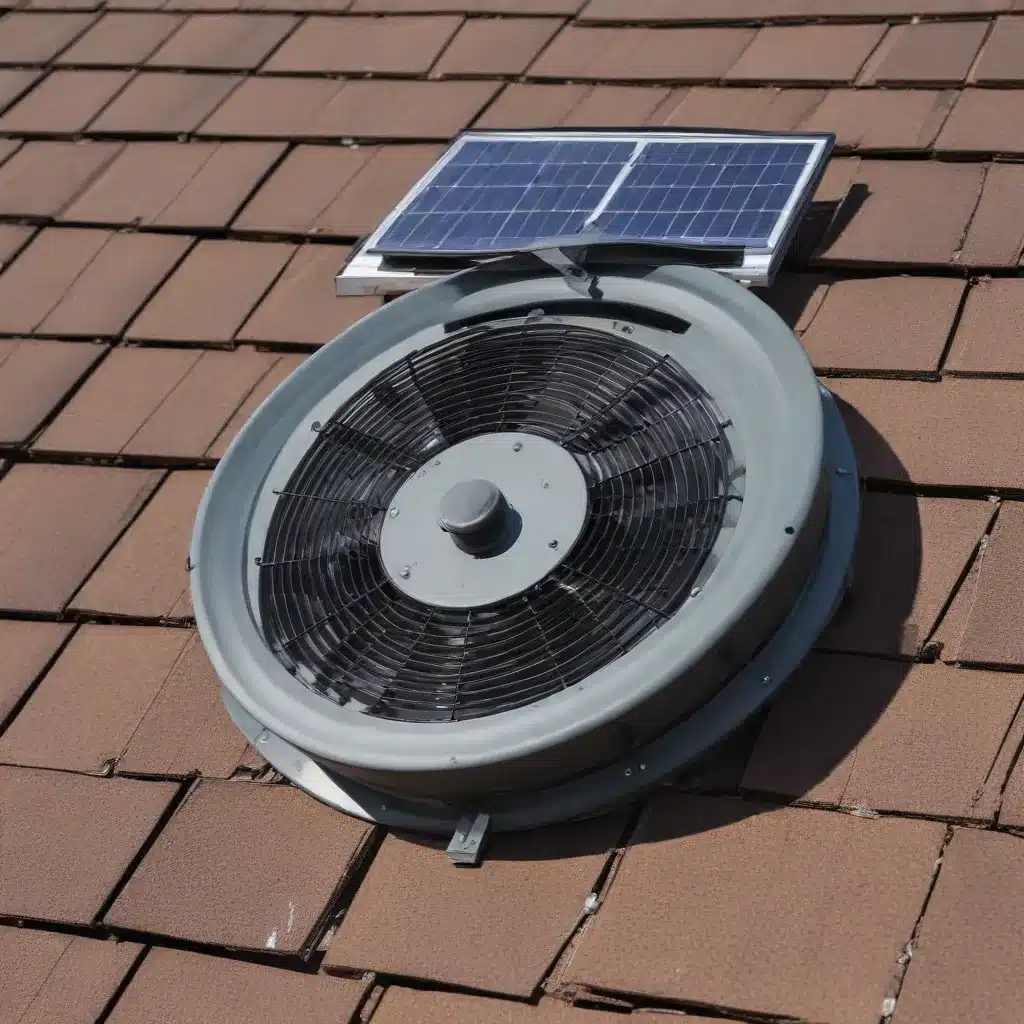
Thermostat-controlled attic fans offer a smart and efficient solution for regulating attic temperatures and humidity levels. These systems can automatically vent hot air and moisture when thresholds are reached, helping to protect roof sheathing, reduce cooling loads, and improve overall home comfort.
Energy Efficiency Considerations for Attic Fans
- High-Efficiency Motors: Look for attic fans with high-efficiency motors that minimize energy consumption and noise levels
- Variable Speed Capabilities: Opt for fans with variable speed capabilities, which allow for steady, low-energy airflow compared to full-speed operation
- A Well-Sealed Attic: Ensure that your attic is well-sealed to prevent heat gain in summer and moisture buildup in winter, further lowering energy costs
Conclusion
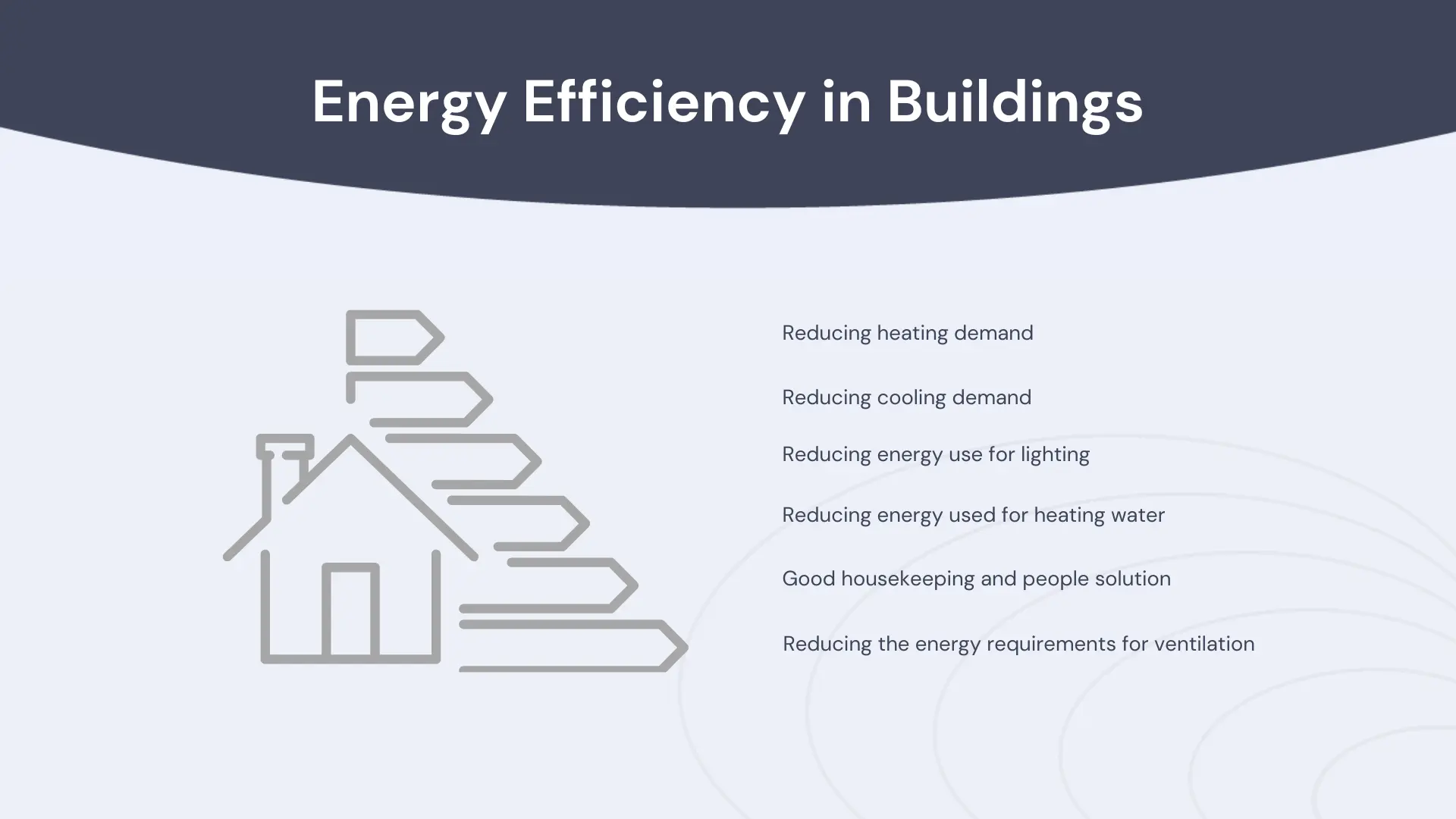
Attic fan installation and energy efficiency tips can help homeowners improve the comfort, energy efficiency, and longevity of their homes. By understanding the benefits of attic fans, following energy efficiency tips, and avoiding common mistakes, homeowners can create a more comfortable and energy-efficient living space. Whether you choose a thermostat-controlled attic fan or a traditional model, proper installation, maintenance, and selection can make all the difference in achieving optimal performance and energy savings.
Additional Resources
For more information on attic fans, energy efficiency, and DIY installation tips, visit the following resources:
- National Kitchen and Bath Association (NKBA)
- U.S. Department of Energy (DOE)
- American Society of Heating, Refrigerating, and Air-Conditioning Engineers (ASHRAE)