Cholesterol and GLP-1 Weight Loss: A Powerful Combination for Heart Health
Glucagon-like peptide-1 (GLP-1) receptor agonists, commonly known as GLP-1 medications, have revolutionized the management of type 2 diabetes and weight loss. These medications, which include semaglutide (Wegovy) and tirzepatide (Zepbound), have gained widespread recognition for their role in improving cardiovascular health and reducing the risk of heart attack and stroke.
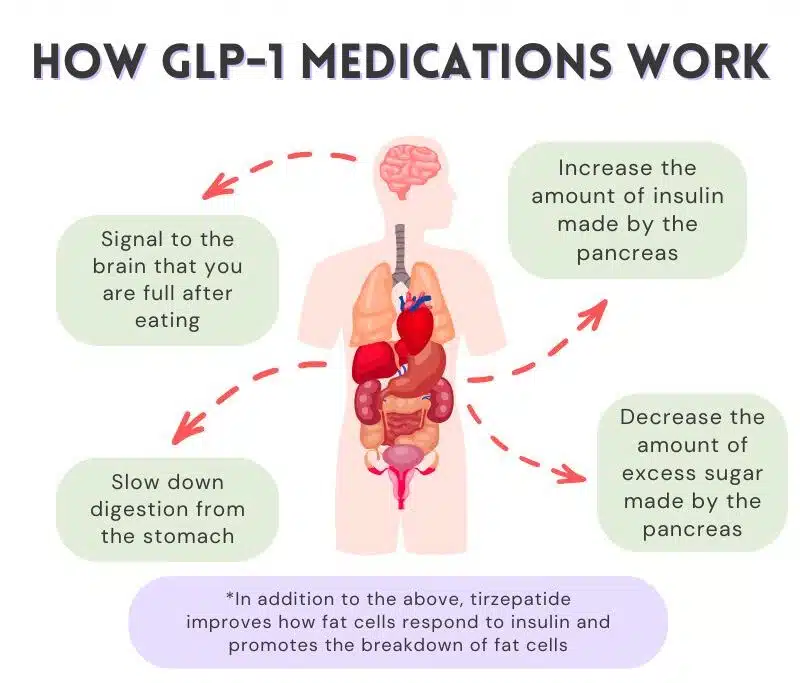
How GLP-1 Medications Work
GLP-1 medications work by mimicking the action of a natural hormone in the body that helps regulate blood sugar levels and promote weight loss. When taken as prescribed, GLP-1 medications can lead to significant weight loss, particularly when combined with a healthy diet and regular exercise.
Benefits of GLP-1 Medications for Cholesterol and Weight Loss
- Improved lipid profiles: GLP-1 medications have been shown to reduce low-density lipoprotein (LDL) or "bad" cholesterol levels, which can help improve cardiovascular health.
- Increased high-density lipoprotein (HDL) or "good" cholesterol levels: GLP-1 medications have been found to increase HDL levels, which can help remove excess cholesterol from the bloodstream.
- Reduced triglycerides: GLP-1 medications can help lower triglyceride levels, which can contribute to cardiovascular disease.
- Improved weight loss: GLP-1 medications, particularly semaglutide (Wegovy), have been shown to produce significant weight loss in clinical trials.
Impact on Cholesterol and Cardiovascular Health
The benefits of GLP-1 medications for cholesterol and cardiovascular health are multifaceted. These medications have been shown to reduce blood pressure, inflammation, and insulin resistance, all of which are major risk factors for cardiovascular disease.
A study published in the Journal of the American College of Cardiology found that GLP-1 medications can reduce the risk of cardiovascular events, including heart attack and stroke, in patients with type 2 diabetes.
Long-term Effects of GLP-1 Medications
While GLP-1 medications have been shown to have significant benefits for cholesterol and weight loss, it's essential to consider the potential long-term effects of these medications. Research suggests that stopping GLP-1 medications can lead to a reversal of the benefits, including increased heart health risks.

Alternatives to GLP-1 Medications for Weight Loss and Cholesterol
Some alternatives to GLP-1 medications for weight loss and cholesterol management include:
- Healthy diet and regular exercise: Maintaining a balanced diet and engaging in regular physical activity can help promote weight loss and improve lipid profiles.
- Orlistat (Xenical): Orlistat is a weight loss medication that works by preventing fat absorption in the intestine.
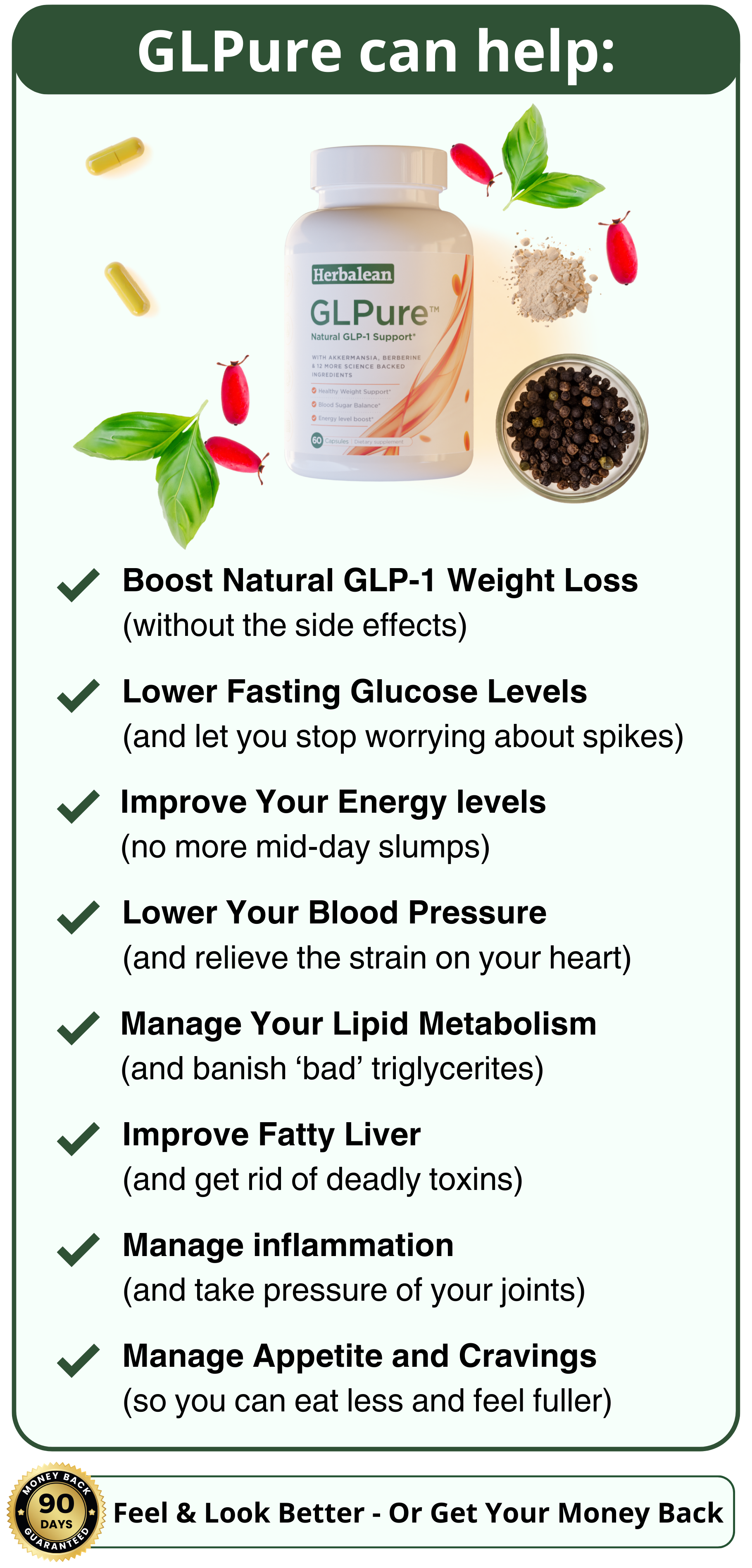
- Berberine: Berberine, a natural compound found in several plants, has been shown to have potential benefits for weight loss and cholesterol management.
Conclusion
In conclusion, GLP-1 medications have revolutionized the management of type 2 diabetes and weight loss. These medications have been shown to have significant benefits for cholesterol and cardiovascular health, including reduced LDL cholesterol levels, increased HDL cholesterol levels, and reduced triglycerides. However, it's essential to consider the potential long-term effects of GLP-1 medications and explore alternative options for weight loss and cholesterol management.
References
- GLP-1 medications for weight loss: A review of the literature
- Effects of GLP-1 receptor agonists on cardiovascular outcomes
- GLP-1 medications and lipid parameters: A systematic review
- Orlistat (Xenical): A review of its use in weight management
- Berberine for weight loss and cholesterol management: A systematic review
Additional Resources
For more information on GLP-1 medications and cholesterol management, visit the following resources:
- American College of Cardiology: GLP-1 medications and cardiovascular health
- Diabetes Medications: GLP-1 receptor agonists
- WebMD: GLP-1 medications for weight loss
- AARP: GLP-1 medications and cholesterol management