Using GLP-1 for Weight Loss: What You Need to Know
The Rise of GLP-1 Medications
In recent years, glucagon-like peptide-1 (GLP-1) receptor agonists have gained popularity as a potential solution for weight loss. These medications, originally developed to treat type 2 diabetes, have shown promise in helping individuals manage their weight and improving overall health. With the increasing number of people turning to GLP-1 medications for weight loss, it's essential to understand how they work, their benefits and side effects, and what to expect when using them.How GLP-1 Medications Work
GLP-1 receptor agonists work by mimicking the action of the naturally occurring hormone GLP-1 in the body. GLP-1 is released in response to food intake and stimulates the release of insulin, inhibits the release of glucagon, and slows gastric emptying, which leads to a feeling of fullness and reduced hunger. By targeting GLP-1 receptors, GLP-1 medications increase insulin levels, decrease glucagon levels, and delay gastric emptying, resulting in weight loss and improved glycemic control.Benefits of Using GLP-1 for Weight Loss
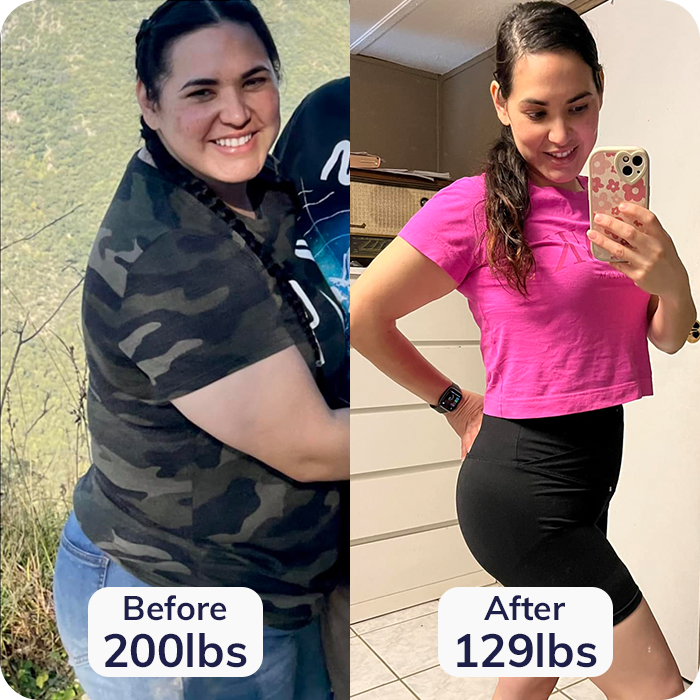
Studies have shown that GLP-1 receptor agonists can lead to significant weight loss, with participants losing 10-20% of their initial body weight. Additionally, GLP-1 medications have been associated with improved cardiovascular risk factors, such as reduced blood pressure and LDL cholesterol levels. They have also been found to improve insulin sensitivity and glycemic control in individuals with type 2 diabetes. However, it's essential to note that GLP-1 medications are not a magic bullet for weight loss and should be used in conjunction with a healthy diet and regular exercise.Side Effects and Risks of Using GLP-1 for Weight Loss