Binge Eating Disorder and GLP-1: A Comprehensive Guide
What is Binge Eating Disorder?
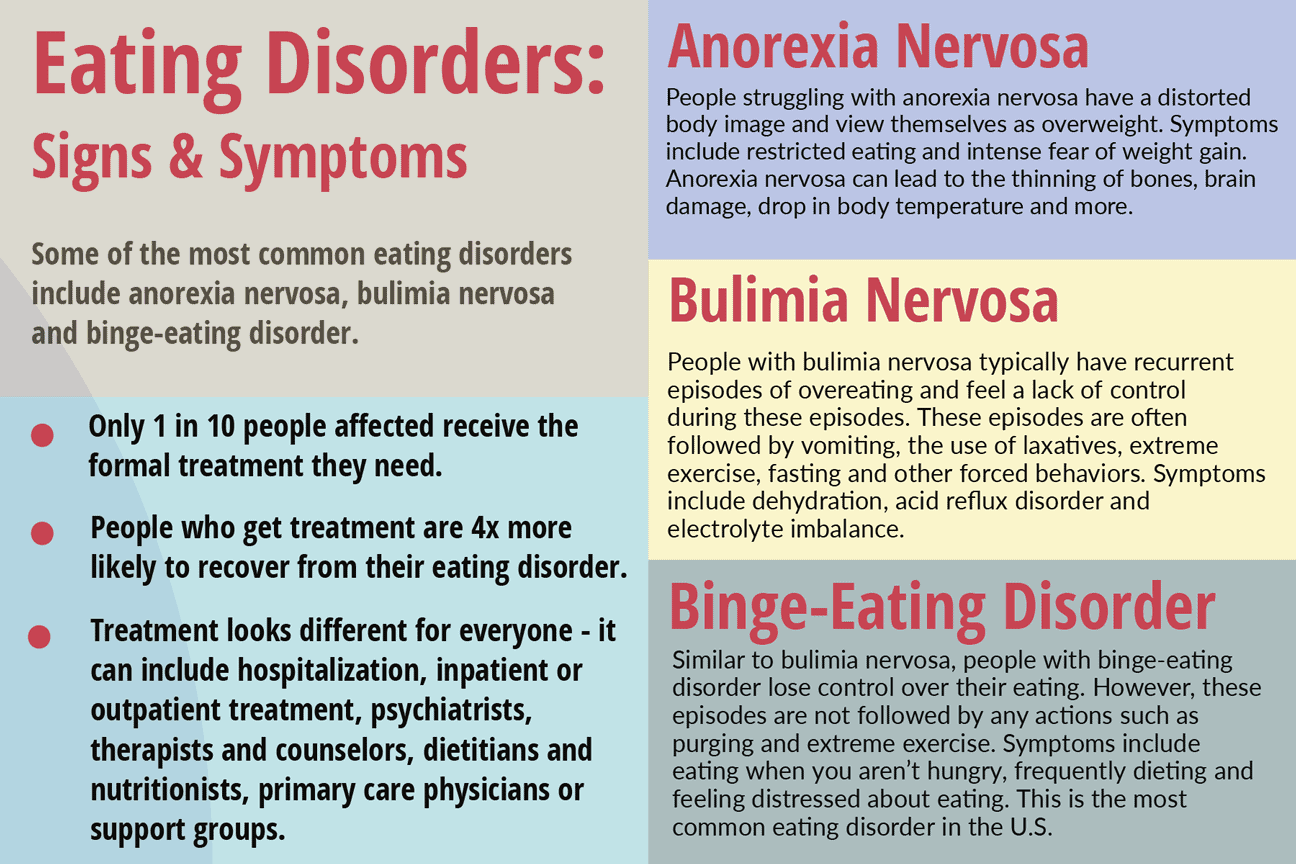
Binge eating disorder (BED) is a common eating disorder characterized by recurring episodes of excessive food consumption, often accompanied by feelings of guilt, shame, and loss of control. It is a complex condition that can have severe consequences on an individual's physical and mental health.
Introduction to GLP-1 and its Role in Eating Disorders
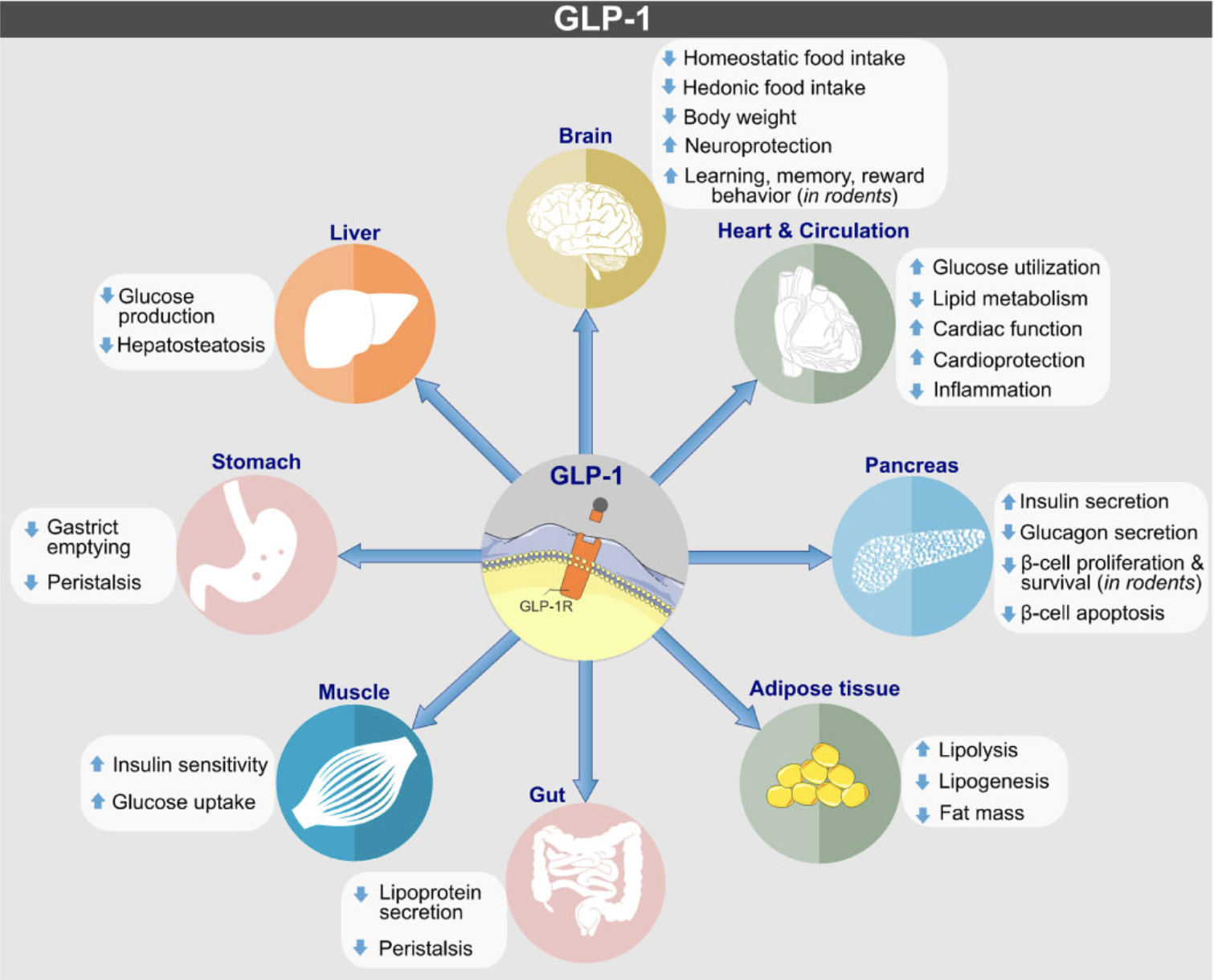
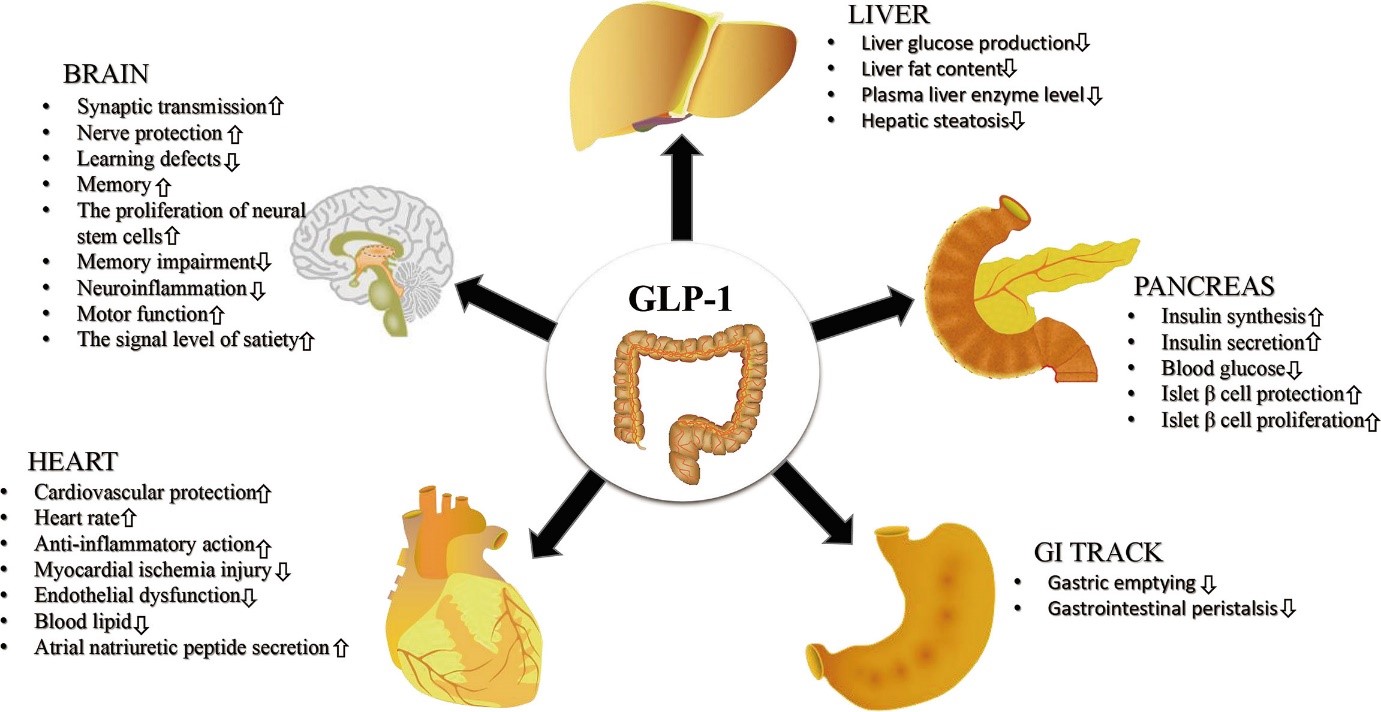
Glucagon-like peptide-1 (GLP-1) is a hormone released by the intestines in response to food intake. It plays a crucial role in regulating appetite, satiety, and glucose metabolism. Recent research has explored the potential of GLP-1 receptor agonists (GLP-1RAs) in treating eating disorders, including binge eating disorder (BED).
The Link Between GLP-1 and Binge Eating Disorder
GLP-1RAs and Binge Eating Disorder Treatment
GLP-1RAs, such as liraglutide (Saxenda) and semaglutide (Wegovy), have shown promise in reducing binge eating behaviors, body weight, and comorbidities in individuals with BED and bulimia nervosa. These medications have a favorable psychiatric side effect profile compared to current medical treatments.
Key Benefits of GLP-1RAs for BED Treatment

- Reduced binge eating behaviors
- Decreased body weight and comorbidities
- Favorable psychiatric side effect profile
- Complementary to traditional therapies
- May enhance mental health outcomes
Concerns and Considerations
- Risks of worsening pathological dietary restriction and preventing regular eating
- Uncertainty of long-term effects
- Potential for abuse and dependence
Challenges and Limitations of GLP-1RAs in BED Treatment
While GLP-1RAs have shown promising results in reducing binge eating behaviors, their long-term effects and potential risks are not yet fully understood. Furthermore, the impact of GLP-1RAs on eaters with disordered eating patterns and body image distress is still unclear.
Conclusion
GLP-1RAs, such as liraglutide and semaglutide, may offer a potential treatment option for individuals with binge eating disorder. However, it is essential to weigh the benefits and risks and consider the individual's overall health, mental health, and eating patterns before initiating GLP-1RA therapy. A comprehensive treatment plan that involves behavioral therapy, nutritional counseling, and close monitoring is crucial for successful weight management and mental health outcomes.



:max_bytes(150000):strip_icc()/binge-eating-disorder-diagnosis-5181755_FINAL-62daf89832dd4f26b1a2689b889a3eca.jpg "GLP-1 and Binge Eating Disorder: Can It Help? - Doctronic")